
Session Abstract – PMWC 2026 Silicon Valley
Track Chair:
Victor Velculescu, Johns Hopkins University
PMWC Award Ceremony
• Daniel De Carvalho, University of Toronto
From Mutation to Methylation: The Next Wave of Liquid Biopsy Biomarkers
• Chair: Victor Velculescu, Johns Hopkins University
• Daniel De Carvalho, University of Toronto
• Stephen Master, CHOP/U Penn
• Gordon Sanghera, Oxford Nanopore Technologies
Advancing Minimal Residual Disease Detection Through cfDNA & cfRNA Profiling
• Chair: Luis Diaz, Memorial Sloan Kettering Cancer Center
• Anne-Renee Hartman, Adela
• Minetta Liu, Natera
• Rita Shaknovich, Agilent
• Ajay Gannerkote, Integrated DNA Tech
AI-Informed Biomarker Trials: Turning Early Signals into Actionable Designs
• Chair: Manish Kohli, University of Utah
• Eric Klein, GRAIL
• Sarah Moseley, DELFI Diagnostics
• Samuel Levy, ClearNote Health
Role of AI in Liquid Biopsies & Cancer Detection
• Chair: Amoolya Singh, DELFI Diagnostics
• Ron Andrews, Dxcover
• Pankaj Vats, NVIDIA
• Paul Shi, Amgen
• Christopher Troll, Claret Bioscience
Integrating Genetic Risk with Early Detection: A Precision Prevention Framework for Cardiovascular Disease
• Paolo Di Domenico, Allelica
AI-Driven Metagenomic and Host RNA Profiling for Precision Diagnosis of Infections
• Charles Chiu, UCSF
AI-Driven Host–Pathogen Signatures from Plasma cfDNA: Bridging Infection Biology and Early Diagnostics
• Sivan Bercovici, Karius
Ultra-Sensitive Multimodal Liquid Biopsy for Early Cancer Detection: AI-Driven Signal Profiling
• John Sninsky, CellMax Life
Overcoming Limits of Traditional cfDNA Assays Using Active Chromatin
• Diana Abdueva, Aqtual
Whole-genome methylome-based early cancer signal detection
• Sally Mackenzie, EpiMethyl Analytics
BrainSee Sees the Brain: FDA-Approved AI for Predicting Modifiable Risk of Developing Alzheimer’s Within Five Year
• Padideh Kamali-Zare, Darmiyan
Confirmed Presenting Companies:




Speaker Profile
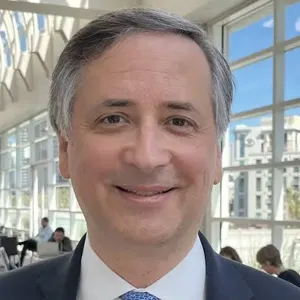
M.D., Ph.D., Co-Director of Cancer Genetics and Epigenetics, Johns Hopkins U.
Biography
Dr. Velculescu led the first genome wide sequence analysis in humancancers, identifying key genes and pathways dysregulated in tumorigenesis.He developed methods for global gene expression analyses and coined theword transcriptome" to describe the patterns that could now be obtained incancer and other cells. These analyses identified a variety of genes notpreviously known to be involved in neoplasia, including PIK3CA as one ofthe most highly mutated genes in human cancer. His team's discoveries haveled to new FDA approved therapies against PI3K and IDH1, and diagnostictests for comprehensive tumor profiling. More recently, his group hascreated noninvasive machine learning liquid biopsy approaches for earlydetection and monitoring of cancer patients. His work has provided newparadigms for understanding human cancer that have benefited patientsworldwide. He has been a Founder and CoCEO of Personal Genome Diagnosticsand is Founder and CEO of Delfi Diagnostics.
Speaker Profile
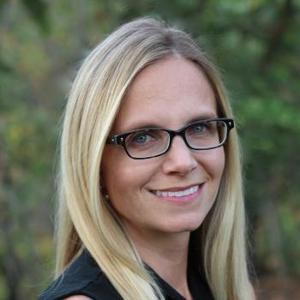

Ph.D., Professor of Medicine, Stanford
Biography
Christina Curtis, PhD, MSc is the RZ Cao Professor of Medicine, Genetics, and Biomedical Data Science, Senior Vice Chair of Research in the Department of Medicine and Director of AI and Cancer Genomics at Stanford School of Medicine. Dr. Curtis's laboratory leverages computational modeling, high-throughput molecular profiling and experimentation to develop new ways to diagnose, treat and prevent cancer. Her research has redefined the molecular map of breast cancer and led to new paradigms in understanding the origins of human cancers, as well as how they evolve and metastasize.
Dr. Curtis's accomplishments have been recognized by numerous awards, including the 2018 National Institutes of Health (NIH) Director's Pioneer Award, the 2022 American Association for Cancer Research (AACR) Award for Outstanding Achievement in Basic Science, the 2024 Brinker Award for Scientific Distinction in breast cancer research and 2024 AACR - Breast Cancer Research Foundation (BCRF) Award for Outstanding Achievement in Breast Cancer Research, as well as the 2025 European Society for Molecular Oncology (ESMO) Translational Award and the Paul Marks Prize for Cancer Research. She is a Susan G. Komen Scholar, a Chan Zuckerberg Biohub Investigator, and a Fellow of the American Association for Cancer Research (FAACR).
In addition to her research, Dr. Curtis is an influential voice in the scientific, clinical and biopharma communities. She is an advisor to multiple academic institutes, as well as to biopharma and biotech. She has served on the editorial boards of journals, spanning computational biology to precision oncology, including Science, Cancer Discovery and Molecular Cancer Research. Dr. Curtis was a member of the AACR Board of Directors and is the chair of the AACR Data Science Task Force. She is also active within several clinical trial and cooperative groups, including the Alliance for Clinical Trials in Oncology, and American College of Radiology Imaging Network (ECOG/ACRIN), where she leads translational bioinformatics.
Speaker Profile
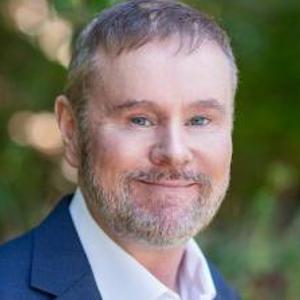
Ph.D., Professor, Stanford
Biography
Dr. Garry P. Nolan is the Rachford and Carlota A. Harris Professor in the Department of Pathology at Stanford University School of Medicine. Trained with Leonard Herzenberg (Ph. D.) and Nobel laureate David Baltimore (postdoc), he is known for cloning and characterizing NF-κB p65RelA and developing rapid retroviral production systems. Author of over 350 papers and holder of 50 U. S. patents, he has received multiple honors, including the Teal Innovator Award, FDA BAAA, and Nature Publishing Groups Outstanding Research Achievement. His research spans hematopoiesis, cancer, autoimmunity, inflammation, and systems immunology, with a focus on single-cell analysis technologies such as CyTOF, MIBI, and CODEX. Dr. Nolan has founded or co-founded multiple biotech companies, with several acquired by industry leaders. His current work applies high-dimensional imaging and cytometry to deepen understanding of immune function, pathogen response, and cancer biology, aiming to improve disease management and clinical outcomes.
Speaker Profile
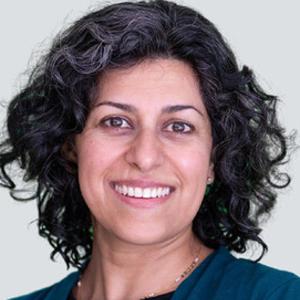

Ph.D., Chief Technical Officer, DELFI Diagnostics
Biography
Amoolya Singh is Chief Technology Officer at DELFI Diagnostics. Previously, she was Senior Vice President of Research and Chief Scientific Officer at GRAIL, and prior to that, she was Head of Discovery at Calico Life Sciences, where she catalyzed multiple productive collaborations between computational groups and experimental groups. Amoolya earned a PhD in computational biology and a MS in computer science at the University of California at Berkeley. She holds a BS degree in biology and computer science from Carnegie Mellon. Amoolya completed a postdoctoral fellowship at the European Molecular Biology Lab in Heidelberg, Germany in 2008 and a Computational and Life Sciences fellowship at Emory University in 2011 in comparative genomics and metagenomics, population genetics and experimental evolution.
Speaker Profile
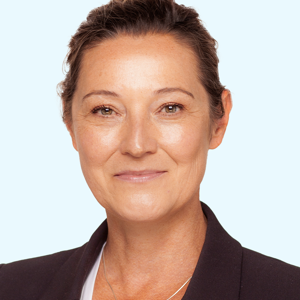
Ph.D., VP of Medical Affairs, DELFI Diagnostics
Biography
Sarah Moseley leads Medical Affairs Evidence Strategy and clinical partnerships at DELFI Diagnostics, a biotechnology company focused on cancer early detection through liquid biopsy, directing efforts toward population-scale implementation of accessible blood-based lung cancer screening. Previously at GRAIL, she led international initiatives supporting global implementation of breakthrough Mulit-Cancer detection technologies. Her career spans leadership roles at Genentech, Roche Diagnostics, and AstraZeneca, where she contributed to the development and commercialization of innovative medicines, IVD assays, and companion diagnostics. A molecular geneticist by training, Sarah brings decades of experience across pharmaceutical R&D, drug discovery, and molecular diagnostic product development in both public and private sectors, with expertise spanning precision medicine, cancer screening, and precision clinical molecular diagnostics.
Her professional mission is to accelerate the creation, adoption, and equitable access of innovative medicines and diagnostic tools to improve the lives of patients, at scale.
Speaker Profile

PMWC PIONEER AWARD
Advancing liquid biopsy by uncovering circulating tumor cells and founding the European Liquid Biopsy Society
M.D., Ph.D., Founder and Chair, European Liquid Biopsy Society
Biography
Klaus Pantel is a global pioneer in liquid biopsy whose groundbreaking research established circulating tumor cells (CT Cs) and micrometastases as clinically meaningful biomarkers. His work revealed how tumor cells disseminate early in cancer progression and provided the first evidence that these rare cells could guide prognosis and therapy monitoring. Pantels leadership extended beyond the lab with the founding of the European Liquid Biopsy Society, creating the infrastructure and collaborations needed to advance blood-based cancer detection worldwide. His contributions have transformed liquid biopsy from a research concept into a cornerstone of precision oncology, enabling earlier detection, real-time treatment monitoring, and more effective cancer care.
Talk
Speaker Profile

Ph.D., CSO, Claret Bioscience
Biography
Chris’s current work focuses on developing and refining next-generation sequencing library preparation methods for degraded and low-input DNA, including cfDNA, FFPE DNA, and ancient DNA. His efforts emphasize improving data quality, robustness, and usability.
He has over two decades of experience in molecular biology and genomics, spanning academic research, technology development, and early-stage biotechnology. His background includes assay design, molecular tool development, and translating fundamental research into practical solutions adopted by laboratories worldwide. He has authored multiple peer-reviewed publications and has consistently worked at the intersection of biology, chemistry, and sequencing technology, with a focus on solving real-world experimental constraints.
Talk
Cell-free DNA methylation provides powerful insight into tissue biology, but the signal observed depends on how DNA is prepared for sequencing. This talk explores how library preparation—particularly end repair—alters cfDNA methylation at fragment ends, reshaping downstream biological interpretation and tissue-of-origin inference.
Speaker Profile


M.D., Co-Founder and Chief Medical Officer, Adela
Biography
Dr. Hartman is a leader in oncology diagnostics with over 20 years of experience developing clinical cancer tests. Leveraging her expertiseacross the continuum of care, from early detection to minimal residualdisease monitoring, she has spearheaded pivotal trials in riskstratification, cancer screening, and cancer management during herleadership roles at Myriad Genetics and GRAIL. Driven by a passion for innovation, Dr. Hartman co founded Adela to pioneer a high performingliquid biopsy utilizing whole methylome technology. With diverse expertisein clinical development, product development and diagnostic platforms, sheis translating her deep knowledge into transformative molecular approachesfor early diagnosis and tailored treatment.
Speaker Profile


PMWC LUMINARY AWARD
Pioneering cfDNA methylome profiling (cfMeDIP-seq), enabling blood-based cancer detection and tissue of origin
Ph.D., Professor, U. of Toronto; CSO & Co-Founder, Adela
Biography
Dr. Daniel De Carvalho is a leading cancer biologist recognized for pioneering cfDNA methylome profiling (cf MeDIP-seq), the first method to demonstrate that tumor-specific methylation patterns in plasma can reveal both the presence and tissue-of-origin of cancer. His research bridges epigenetics, liquid biopsy, and translational oncology, driving new approaches for early cancer detection, minimal residual disease detection, surveillance, classification and monitoring therapy response. At the University of Toronto and Princess Margaret Cancer Centre, his lab investigates how DNA methylation dynamics inform tumor evolution, transposable elements regulation, viral mimicry and treatment response. Dr. De Carvalho’s discoveries have reshaped how scientists and clinicians view the potential of epigenetic biomarkers in precision oncology and pioneered the use of cfDNA methylation for clinical use.
Speaker Profile


CTO, Allelica
Biography
Talk
-
-
Speaker Profile
PMWC PIONEER AWARD
Advancing liquid biopsy by uncovering circulating tumor cells and founding the European Liquid Biopsy Society
M.D., Ph.D., Founder and Chair, European Liquid Biopsy Society
Biography
Klaus Pantel is a global pioneer in liquid biopsy whose groundbreakingresearch established circulating tumor cells (CT Cs) and micrometastases asclinically meaningful biomarkers. His work revealed how tumor cellsdisseminate early in cancer progression and provided the first evidencethat these rare cells could guide prognosis and therapy monitoring. Pantelsleadership extended beyond the lab with the founding of the European Liquid Biopsy Society, creating the infrastructure and collaborations needed toadvance blood-based cancer detection worldwide. His contributions havetransformed liquid biopsy from a research concept into a cornerstone of precision oncology, enabling earlier detection, real-time treatmentmonitoring, and more effective cancer care.
Speaker Profile
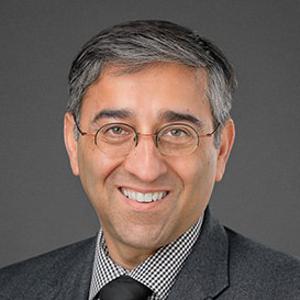

M.D., Director, U. of Utah
Biography
Dr Kohli's academic journey as a physician and physician-scientist over the past 24 years has centered on multi-disciplinary teams that deliver convergence science-based solutions to enhance cancer care. He has worked in NCI-designated comprehensive cancer care matrix centers, tertiary-level VA facilities, university settings, and not-for-profit clinics, gaining a deep understanding of the complexities inherent in each care model. Currently, he holds the position of tenured Professor in the Department of Medicine and the Jack and Hazel Robertson Presidential Endowed Chair at the University of Utah-Huntsman Cancer Institute in cancer research. As a clinician-scientist his multi-disciplinary teams focus has secured continuous and multiple NIH RO1 grant funding since 2011. He develops real-world annotated biobanks to apply the rapid advances in computing power to develop patented algorithms through in silico multi-omic, machine learning modeling for clinical applications that can results in developing innovative biomarker-based enrichment-type clinical trial designs for enhancingindividualized care in cancer.
Speaker Profile
PMWC PIONEER AWARD
Advancing liquid biopsy by uncovering circulating tumor cells and founding the European Liquid Biopsy Society
M.D., Ph.D., Founder and Chair, European Liquid Biopsy Society
Biography
Klaus Pantel is a global pioneer in liquid biopsy whose groundbreakingresearch established circulating tumor cells (CT Cs) and micrometastases asclinically meaningful biomarkers. His work revealed how tumor cellsdisseminate early in cancer progression and provided the first evidencethat these rare cells could guide prognosis and therapy monitoring. Pantelsleadership extended beyond the lab with the founding of the European Liquid Biopsy Society, creating the infrastructure and collaborations needed toadvance blood-based cancer detection worldwide. His contributions havetransformed liquid biopsy from a research concept into a cornerstone of precision oncology, enabling earlier detection, real-time treatmentmonitoring, and more effective cancer care.
Speaker Profile
M.D., Ph.D., Co-Director of Cancer Genetics and Epigenetics, Johns Hopkins U.
Biography
Dr. Velculescu led the first genome wide sequence analysis in human cancers, identifying key genes and pathways dysregulated in tumorigenesis. He developed methods for global gene expression analyses and coined the word transcriptome" to describe the patterns that could now be obtained in cancer and other cells. These analyses identified a variety of genes not previously known to be involved in neoplasia, including PIK3CA as one of the most highly mutated genes in human cancer. His team's discoveries have led to new FDA approved therapies against PI3K and IDH1, and diagnostic tests for comprehensive tumor profiling. More recently, his group has created noninvasive machine learning liquid biopsy approaches for early detection and monitoring of cancer patients. His work has provided new paradigms for understanding human cancer that have benefited patients worldwide. He has been a Founder and CoCEO of Personal Genome Diagnostics and is Founder and CEO of Delfi Diagnostics.
Speaker Profile
PMWC LUMINARY AWARD
Pioneering cfDNA methylome profiling (cfMeDIP-seq), enabling blood-based cancer detection and tissue of origin
Ph.D., Professor, U. of Toronto
Biography
Dr. Daniel De Carvalho is a leading cancer biologist recognized forpioneering cfDNA methylome profiling (cf MeDIP-seq), the first method todemonstrate that tumor-specific methylation patterns in plasma can revealboth the presence and tissue-of-origin of cancer. His research bridgesepigenetics, liquid biopsy, and translational oncology, driving newapproaches for early cancer detection, minimal residual disease detection, surveillance, classification and monitoring therapy response. At the University of Toronto and Princess Margaret Cancer Centre, his labinvestigates how DNA methylation dynamics inform tumor evolution, transposable elements regulation, viral mimicry and treatment response. Dr. De Carvalhos discoveries have reshaped how scientists and clinicians viewthe potential of epigenetic biomarkers in precision oncology and pioneeredthe use of cfDNA methylation for clinical use.
Speaker Profile
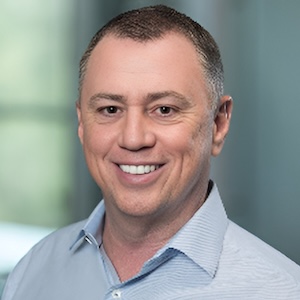

Chairman, Dxcover
Biography
With over 35 years in the diagnostics industry, Ronnie has successfully led organizations ranging from divisions of Fortune 500 companies to innovative startups. His executive experience spans global industry leaders including Abbott Diagnostics, Roche Molecular Diagnostics, Life Technologies and Thermo Fisher as well as public CEO roles at Clarient Inc (NASDAQ: CLRT), Oncocyte Inc (NASDAQ: OCX) and Twin Strand Bioscience. He is a passionate advocate for helping emerging technology companies focused on early detection of cancer and democratization of academic care. He has mentored over 20 CEO's and Sr Executives and is currently Founder and Managing Partner of Bethesda Group Advisors, a strategic advisory firm.
Speaker Profile
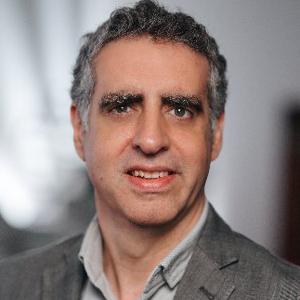
M.D., Ph.D., Professor, Sant Pau Research Inst.
Biography
Dr. Esteller is an internationally recognized figure in epigenetics and oncology. His pioneering work has been instrumental in understanding how epigenetic mechanismsprocesses that regulate gene expression without altering the DNA sequenceaffect the development of cancer and other complex diseases.
Speaker Profile


M.D., Distinguished Scientist, GRAIL
Biography
Eric A. Klein is a Distinguished Scientist at GRAIL. Previously he servedas the Andrew C. Novick Distinguished Professor and Chair of the Glickman Urological and Kidney Institute and Lerner College of Medicine of the Cleveland Clinic, where he was also a member of the Department of Cancer Biology of the Cleveland Clinic Lerner Research Institute, the Taussig Cancer Institute, and the Genitourinary Malignancies Program in the Case Comprehensive Cancer Center. Dr. Kleins clinical and research interestsfocused on prostate cancer with an emphasis on genomics and clinicaltrials. Most recently his work has focused on the clinical development ofmulticancer early detection tests. Dr. Klein was a Fellow in the Distinguished Careers Institute at Stanford University in 2022 and joinedGRAIL in 2023.
Speaker Profile
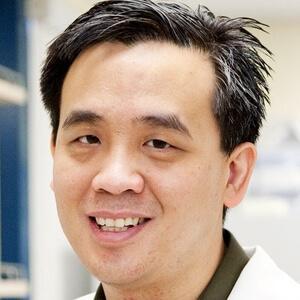

M.D., Ph.D., Professor, Laboratory Medicine and Infectious Diseases, UCSF
Biography
Charles Chiu, M. D. Ph. D. is a Professor at UCSF, Director of the UCS-FAbbott Viral Diagnostics and Discovery Center (VDDC), and Associate Director of the UCSF Clinical Microbiology Laboratory. Chiu currentlyleadsa translational research laboratory focused on clinical metagenomic sequencing assay development for infectious diseases and genomic investigation and surveillance of emerging pathogens, including the SARS CoV2 coronavirus. He also uses RNA Seq transcriptome profiling to develop predictive models using machine learning for host response based diagnosis of COVID19 and other infections. Chius work is supported by funding from the National Institutes of Health (NIH), Department of Defense, US Centers for Disease Control and Prevention (CDC), philanthropy, and the California Initiative to Advance Precision Medicine. He hasauthored more than 100 peer reviewed publications (20 on COVID19), holdsover 15 patents and patent applications, and serves on thescientificadvisory board for Mammoth Biosciences, Danaher Dx, Biomesense, and Flightpath.
Speaker Profile
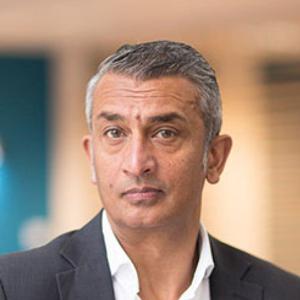

Ph.D., CEO and Co-Founder, Oxford Nanopore
Biography
CEO and co-founder of Oxford Nanopore Technologies, pioneering real-time, scalable DNARNA sequencing. With a PhD in bioelectronic technology, he led the company from spinout to global player, transforming genomics with portable sequencing devices. Sanghera champions accessible, decentralized sequencing for research, healthcare, and public health worldwide.
Speaker Profile
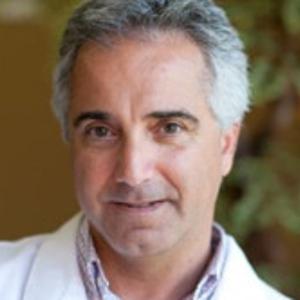

Ph.D., CSO, ClearNote Health
Biography
Sam joined ClearNote Health at its inception and has led and co-authored many of the research paper published about epigenomics technologies and the DNA-based 5-hydroxymethylcytosine (5hmC) biomarker. For more than 20 years, he has held leadership positions in genomics and molecular diagnostic development at companies including Celera Genomics, Genomic Health, Quanticel Pharmaceuticals (now part of Celgene), and Impact Genomics/Lexent Bio which he co-founded and is now a part of Foundation Medicine. Sam has also served on the faculty at the J. Craig Venter Institute, Scripps Translational Science Institute and Scripps Research Institute.
Speaker Profile


Ph.D., Chief Technology & Business Officer, Karius
Biography
Sivan is a recognized innovator and entrepreneur in artificial intelligencewho has dedicated two decades to pioneering the development of complexcomputational and data platforms. His key contributions include the development of novel machine-learning models tackling significantchallenges in human disease. At Karius, he spearheaded the development of the foundational computational platform underlying the Karius Test, elevated the biomarker discovery program, and was central to forming andnurturing key strategic partnerships, furthering the companys impact in the medical field. Prior to Karius, Sivan was a co-founder and Chief Technology Officer at Lifecode, where he led the development of the analyticalplatform and validation of several clinical assays across oncology and rarediseases. He holds a Ph. D. in Computer Science from the Technion Israel Institute of Technology, and continued to Stanfords Artificial Intelligence Lab to pursue his post-doctoral research.
Speaker Profile


Ph.D., Chief Technology Advisor, CellMax Life
Biography
John J Sninsky, Ph. D. is Chief Technology Advisor for Cell Max Life. John has a deep understanding of the underlying biology of colon cancer progression that provides mechanistic insights of biomarkers for blood-based screening. He has an extensive knowledge of the development and application of pioneering molecular procedures and bioinformatics for the translation of research-grade biomarker assays into clinical-grade broadly adopted diagnostic tests as well as diagnostic tests paired with pharmacotherapies. John is the author of more than 125 scientific papers. He was a member of teams that developed the Polymerase Chain Reaction, sequenced the Human Genome and developed clinical-grade DNA and RNA liquid biopsies. John spent 30 years in senior management at companies that ranged from small to enterprise CLIA-CAP laboratories and in vitro diagnostic companies that commercialize FDA clearedapproved IVD kits. These companies included Cetus, Roche Molecular Systems, Celera Diagnostics, Quest Diagnostics, Molecular Stethoscope and Care Dx.
Talk
Profound advances in our understanding of the natural history of cancer have occurred over the last decade. Removal of advanced adenomas makes the greatest contribution to reduction in CRC morbidity, mortality and cost. The complexity of the adenoma-carcinoma continuum requires an accurate blood-based multimodal technology CRC screening test.
Speaker Profile
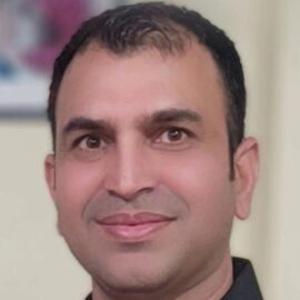

Ph.D., Senior Genomics/AI/ML Scientist, NVIDIA
Biography
Pankaj Vats, PhD, is a senior genomics and AI scientist with NVIDIA Clara Parabricks, where he advances GP Uaccelerated genomics for research and clinical use. He designs and validates deep learning methods for large, heterogeneous genomic datasets, with a focus on cancer genomics, structural variation, and liquid biopsy. His work includes DeepSAP, a transformer-based RN Aseq alignment workflow that improves detection of complex splice junctions. He also led development of MambaSV, a sequence statespace model for resolving structural variants. In liquid biopsy, he integrates AI models with cfDNA and RNA assays to enhance early cancer detection, minimal residual disease monitoring, and treatment response assessment. Operating at the intersection of AI, highperformance computing, and precision oncology, he helps translate foundation models, longcontext architectures, and AI driven genomics methods into scalable tools for diagnostic labs, biopharma partners, translational research labs, and the broader genomics research community.
Speaker Profile
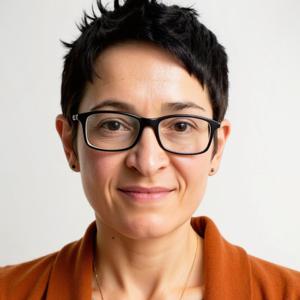

Ph.D., Co-Founder and CEO, Aqtual
Biography
Diana Abduevas career spans two decades of research and innovation centered on understanding the structure, behavior, and diagnostic potential of DNA inside and outside the cell. Her work reflects a deep, sustained commitment to translating the complexity of DNA biology into tools that guide therapy and improve outcomes, turning complex DNA signal into clinically actionable insight.
Talk
This talk explores how analysis of circulating chromatin architecture, rather than bulk cell-free DNA, enables noninvasive access to tissue-specific immune and stromal regulation beyond conventional blood assays. In a 400+ patient autoimmune study, chromatin-derived biomarkers predict therapy response and patient stratification, delivering tissue-resolved precision insights from a single blood draw.
Speaker Profile
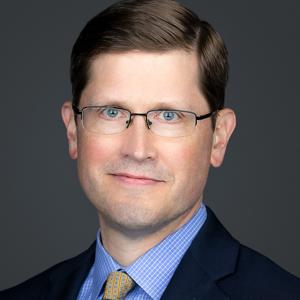

M.D., Ph.D., Vice Chair for Innovation, CHOP/UPenn
Biography
Dr. Master is basedwithin the Department of Pathology and Laboratory Medicine at the Childrens Hospital of Philadelphia (CHOP), where he holds the Michael J. Bennett Endowed Chair in Pathology. He serves as Director of the CHOP Center for Diagnostic Innovation as well as of the Michael Palmieri Laboratory for Metabolic and Advanced Diagnostics. His work focuses on machine learning and mass spectrometry for diagnostic development, including both cancer diagnostics as well as support for emerging cell and gene therapy programs. He is a past President of the American Association for Clinical Chemistry (now A DLM), has served on the scientific committee for the Mass Spectrometry: Applications to the Clinical Lab conference, and was lead author on the IFCC working group guidelines on machine learning in laboratory medicine.
Speaker Profile
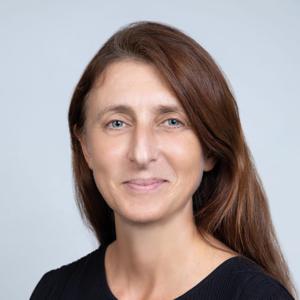

M.D., CMO, Agilent
Biography
Rita Shaknovich she oversees medical strategy and contributes to the development of innovative diagnostic solutions. Prior to joining Agilent, Dr. Shaknovich held senior leadership positions at GRAIL and Cancer Genetics, where she played pivotal roles in clinical and translational initiatives. She began her career in academic medicine, serving as Assistant Professor at Weill Cornell Medical College and Montefiore Medical Center
Speaker Profile
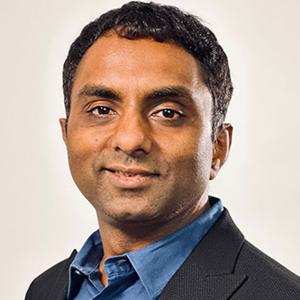
MBA, President, Integrated DNA Tech
Biography
Ajay Gannerkote is an experienced healthcare leader with more than 20 years of demonstrated success driving industry growth and transformation. As President of Integrated DNA Technologies, Ajay leads the global genomics company to advance its mission of accelerating the pace of genomics. The company's strategic focus and innovation initiatives uniquely support the growing precision oncology market, including the minimal residual disease (MRD) and multi-cancer early detection (MCED) markets He brings experience from Siemens Healthineers where he led the ultrasound business as president, serving a global organization of more than 2,000 associates across more than 30 countries to achieve growth and profitability. He was also a partner at McKinsey & Company serving medical device and pharmaceutical clients.
Ajay earned an MBA with distinction from the Stephen M. Ross School of Business at the University of Michigan and a Bachelor of Science in Electronics and Telecommunication Engineering from the University of Mysore in India.
Speaker Profile
Ph.D., Chief Science Officer, EpiMethyl Analytics
Biography
Dr. Mackenzie founded the BioIT company Epimethyl Analytics in 2024 for commercial application of a unique DNA methylation decoding system in early stage disease diagnostics. The Epimethyl platform achieves highly accurate detection of several diseases, with cancer as current focus. Originating in Mackenzie's academic lab, the system has been extensively tested and validated in a model system, and data are being readied for FDA clinical trials. Dr. Mackenzie was previously the Lloyd and Dottie Huck Chair for Functional Genomics at Penn State University (2017-24), Ralph and Alice Raikes Distinguished Chair at the University of Nebraska (2000-17), and Professor of Genetics at Purdue University (1988-2000)
Genomic Profiling Showcase:
EpiMethyl Analytics
Speaker Profile

Ph.D., Director, Amgen
Biography
Dr. Paul (Weibing) Shi has over 15 years of experience in computational biology, bioinformatics, and biomarker analysis. As Scientific Associate Director at Amgen, he leads a team generating critical biomarker data and overseeing infrastructure projects and Omics platform development. His team leverages AI/ML technologies for biomarker data processing and predictive signature development, enhancing drug discovery and development. At Roche and other renowned institutions, Dr. Shi developed bioinformatics workflows and managed large-scale NGS projects. Passionate about inclusivity, he champions the EPR (Encourage, Praise, and Recognize) approach to empower teams. Dr. Shi has authored over 20 scientific publications and is a certified SAFe® 5 Agilist.
Speaker Profile
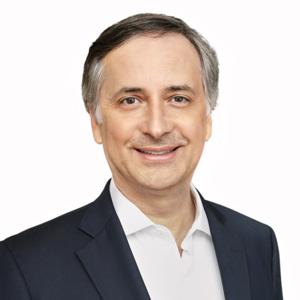
M.D., Ph.D., Co-Director of Cancer Genetics and Epigenetics, Johns Hopkins U.
Biography
Dr. Velculescu led the first genome wide sequence analysis in human cancers, identifying key genes and pathways dysregulated in tumorigenesis. He developed methods for global gene expression analyses and coined the word transcriptome" to describe the patterns that could now be obtained in cancer and other cells. These analyses identified a variety of genes not previously known to be involved in neoplasia, including PIK3CA as one of the most highly mutated genes in human cancer. His team's discoveries have led to new FDA approved therapies against PI3K and IDH1, and diagnostic tests for comprehensive tumor profiling. More recently, his group has created noninvasive machine learning liquid biopsy approaches for early detection and monitoring of cancer patients. His work has provided new paradigms for understanding human cancer that have benefited patients worldwide. He has been a Founder and CoCEO of Personal Genome Diagnostics and is Founder and CEO of Delfi Diagnostics.
Clinical & Research Tools Showcase:
Imec
Speaker Profile

Ph.D., Founding CEO, Darmiyan
Biography
Padideh Kamali-Zare, PhD, is the Founder and CEO of Darmiyan—the company behind BrainSee.
A computational neuroscientist by training, Padideh’s work has focused on the microstructural architecture of brain tissue and the role of the “space in-between” brain cells in health and disease. She has pioneered methods to translate foundational microstructural biology into clinical insight at population scale.
Padideh has been internationally recognized for her scientific and entrepreneurial contributions and is leading the next frontier of precision brain health and preventive neurology.
Talk
BrainSee Reveals Hidden Biology in Brain MRI
BrainSee is a biologically grounded, microstructure-based intelligence layer built on top of routine MRI, opening the door to true precision brain health and preventive neurology. BrainSee's first FDA-approved clinical application predicts the actionable and modifiable risk of developing Alzheimer’s within 5 years, supporting earlier, targeted interventions that can prevent or delay the onset of dementia.
Speaker Profile


M.D., CMO, Natera
Biography
Dr. Liu brings a wealth of experience in developing blood-based biomarkers to predict treatment benefit and outcomes in solid tumors and in developing novel therapeutics to improve survival, with a particular focus in breast cancer. She chaired the Circulating Biomarker Working Group of the Alliance for Clinical Trials in Oncology. She also co-chaired the Correlative Science Working Group and led several multi-institutional clinical trials through the Translational Breast Cancer Research Consortium. Dr. Liu most recently served as professor of oncology and chair of research in the Department of Oncology at Mayo Clinic in Rochester, MN. In her role at Mayo, she also held a dual appointment in the Department of Laboratory Medicine and Pathology and served as co-leader of the Genomics in Action Strategic Priority for the Center of Individualized Medicine.
Davos of Precision Medicine
PMWC 2027 Program
January 27–29, 2027 · Santa Clara Convention Center

Swipe speakers · Tap a card for sessions →
In a few words.
PMWC is indeed The Davos of Biotech