
Session Abstract – PMWC 2026 Silicon Valley

Track Chair:
William Oh, Yale
PMWC Award Ceremony
• Nigam Shah, Stanford
• Thomas Fuchs, Lilly
Keynote: Responsible AI in Healthcare: From RWE to Agentic Systems
• Nigam Shah, Stanford
Keynote: Scaling Trusted AI: From Computational Pathology to Next-Gen Medicines
• Thomas Fuchs, Lilly
Real-World Evidence & Clinical AI: Closing the Loop Between Data and Care
• Chair: Roxana Daneshjou, Stanford
• Aashima Gupta, Google
• Brigham Hyde, Atropos Health
• Michael Pfeffer, Stanford
• Thomas Fuchs, Lilly
From Data to Decisions: Building Regulatory-Grade RWE from EHR Systems in Oncology
• Chair: Nadia Poluhina, Mayo Clinic
• Kate Estep, Flatiron Health
• Alyssa Pybus, Moffitt Cancer Center
• Julie Stein Deutsch, Johns Hopkins
• Jeremy Jones, Mayo Clinic
Predicting Outcomes: An AI Model Trained on RWE for Precision Care
• Rich Gliklich, OM1
AI for Clinical Decision Support: From Models to Bedside
• Chair: Amrita Basu, UCSF
• Anurang Revri, Stanford
• Emily Alsentzer, Stanford
• Okan Ekinci, Roche
Keynote: AI for CDS-From Models to Bedside
• Zachary Ziegler, OpenEvidence
Operationalizing AI in Health Systems: Trust, Adoption & Outcomes
• Chair: Danton Samuel Char, Stanford
• Karan Singhal, OpenAI
• Sina Bari, iMerit Technology
• Shashi Shankar, Novellia
• Elena Ikonomovska, diadia Health
• Syed Mohiuddin, Anthropic
Safe, Scalable AI in Clinical Practice: What’s Working and What’s Not
• Chair: Travis Zack, OpenEvidence
• Vincent Liu, Kaiser
• Richard Milani, Sutter Health
Transforming Transplant Care Through AI: From Predictive Insights to Precision Decisions
• Jing Huang, CareDx
AI for Precision Psychiatry: Integrating Multimodal Data Into Clinical Decision Support
• Erwin Estigarribia, HEADLAMP health
Workflow-First Clinical AI: Integration Patterns, Guardrails & Change Management
• Jorge Durand, Klick Health
From Patient-Generated Data to Regulatory-Grade RWE: Design, Bias & Outcome Linkage
• Phil Johnson, Evidation
Speaker Profile


M.D., Clinical Professor of Medicine, Yale
Biography
William K. Oh, M. D., is currently the Director of Precision Medicine at Yale Cancer Center and a Professor of Medicine (Medical Oncology) at Yale School of Medicine, roles he assumed in October 2024. As part of a newer initiative at Yale, he is focused on building a cohesive program inprecision cancer medicine that integrates basic and translational science, clinical trials, and Smilow Cancer Hospitals Precision Medicine Tumor Board. A central goal of his work is to increase the routine use ofmolecular and genetic testing for all cancer patients to improve outcomes. Dr. Oh is also dedicated to delivering multidisciplinary care for prostate cancer patients, a priority he has maintained for over 25 years. He has been recognized as a Top Doctor by Castle Connolly, New York Magazine, and Super Doctors. Additionally, he continues his commitment to teaching andadvancing research in the field. Previously, Dr. Oh was a Clinical Professor of Medicine at Icahn School of Medicine. He is an internationally recognized medical oncologist withextensive experience in clinical and translational research, holding leadership roles in both academia and industry. He has authored more than 350 articles, reviews, books, and book chapters related to genitourinary cancers. Dr. Oh has conducted numerous clinical cancer trials and served in key invited roles for A SCO, A CS, and A UA. He has also held the position of Chief Medical Officer for Sema4, a genomics and health intelligence company, as well as the Prostate Cancer Foundation.
Speaker Profile
PMWC LUMINARY AWARD
Operationalized real-world data + AI to inform bedside decisions
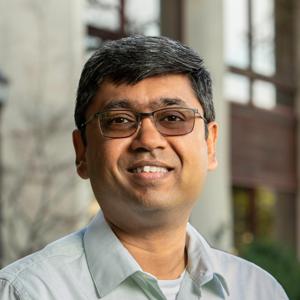
Ph.D., Professor of Medicine and Chief Data Scientist, Stanford
Biography
Dr. Nigam Shah's research is focused on bringing AI into clinical use, safely, ethically and cost-effectively. He holds an MBBS from Baroda Medical College, India, a PhD from Penn State University and completedpostdoctoral training at Stanford University. Dr. Shah is an inventor oneight patents, has authored over 300 scientific publications, and hasco-founded three companies. Dr. Shah was inducted into the American College of Medical Informatics (A CMI) in 2015 and the American Society for Clinical Investigation (A SCI) in 2016.
Speaker Profile
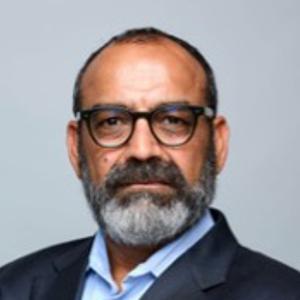
M.S., Computer Science, Chief Enterprise Architect, Stanford Health Care
Biography
Anurang Revri is Chief Enterprise Architect for Stanford Healthcare. He isresponsible for managing the enterprise and solution architects, whichincludes creating solution blueprints and chairing architecture governance. Anurang has provided platform-oriented thought leadership in architecting Telemedicine, RPM, and other digital solutions at Stanford. In addition, Anurang is leading the A IML Ops capability to enable translation of Stanford Medicine research into clinical and other operational workflows. Anurang is also responsible for Stanfords integration and A PI platform witha mission to democratize data.
AI for Clinical Decision Support Systems Showcase:
Stanford Healthcare
Leading Academic Medical Center.
Speaker Profile
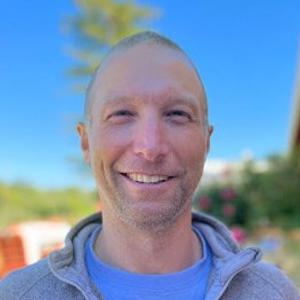
M.D., Co-Director, Stanford
Biography
Danton Char is a pediatric cardiac anesthesiologist, clinical researcher, and empirical bioethics researcher at Lucile Packard Children's Hospital and Stanford University. He focuses on improving the lives of infants, children, and adults with complex congenital cardiac disease and supporting the well-being of their caregivers and families. His research also focuses on identifying and addressing ethical concerns arising with implementation of next generation technologies to bedside clinical care for all patients, including genomic testing, artificial intelligence/machine learning, and mechanical circulatory support.
Speaker Profile
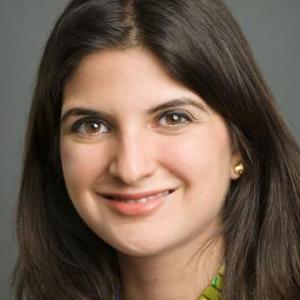
Ph.D., Professor, Stanford
Biography
Dr. Daneshjou studied Bioengineering at Rice University before matriculating to Stanford School of Medicine where she completed her MD and a PhD in Genetics with Dr. Russ Altman as part of the medical scientist training program. She completed dermatology residency at Stanford as part of the research track and completed a postdoc in Biomedical Data Science with Dr. James Zou. She currently is the assistant director of the Center of Excellence for Precision Heath Pharmacogenomics, director of informatics for the Stanford Skin Innovation and Interventional Research Group (SIIRG), a founding member of the Translational AI in Dermatology (TRAIND) group, and a faculty affiliate of Human-centered Artificial Intelligence (HAI) and the AI in Medicine and Imaging (A IMI) centers.
Speaker Profile


Global Director, Healthcare Strategy and Solutions, Google
Biography
Aashima spearheads the healthcare vertical for Google Cloud. In this role, she helps healthcare stakeholders to build innovative solutions andidentify new models for care, revenue generation, and improved patientexperiences. These solutions incorporate Generative AI, Google Cloud, andAPIs to deliver the best results for partners. She founded and led Healthcare vertical and interoperability efforts at Apigee and is apassionate advocate for Open Data and the use of AP Is to overcome Healthcare data Silos. Previously, Aashima was head of Digital Health Incubations at Kaiser Permanente and brought several frameshiftingopportunities to life. She was responsible for driving innovation throughthe convergence of various digital technologies, leveraging EMR (EPIC) services. Aashima brings strong technical and leadership skills and holdstwo patents in the field of computer applications.20100287458 ,20090299784. She serves on the board of Neogen, Molnlycke and was recognized as the Most Influential Women in Healthcare IT by HIMSS.
Speaker Profile


Ph.D., Associate Professor, UCSF
Biography
Dr. Basu has over15 years of experience in clinical informatics andbioinformatics, leading initiatives that improve clinical outcomes andsupport biomarker discovery. Her group develops computational models usingmachine learning to derive adverse event signatures linked to genotype andphenotype in earlystage high-risk breast cancer. She currently co-leadsthe electronic Patient-Reported Outcomes Initiative (ePRO) within I-SPY, aneoadjuvant breast cancer clinical trial and is working with other teams toseamlessly integrate PR Os into the clinical workflow. She is also arecipient of the White House Presidential Innovation Fellowship (PIF)(2016-2017). Dr. Basu received her Bachelors degree in Electrical Engineering from Cornell University and her PhD from Rockefeller University.
Speaker Profile
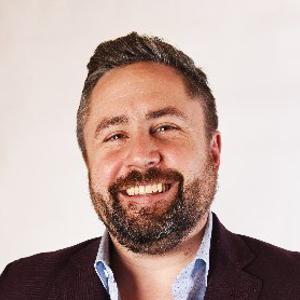

Ph.D., CEO, Atropos Health
Biography
Dr. Brigham Hyde is CEO and co-founder of Atropos Health since August 2022. He provided funding and support for Atropos Healths official launch in late 2020. Hyde has a significant track record of building businesses in the health tech and real-world data (RWD) space and previously served as President of Data Analytics at Eversana. Prior to that role, Hyde served as a healthcare partner at the AI venture fund Symphony AI, where he led the investment in, co-founded, and operated Concert AI, an oncology RWD companyvalued at $1.9B. Hyde held previous roles as Chief Data Officer at Decision Resources Group, which was acquired by Clarivate for $900M in 2020. He has also served on the Global Data Science Advisory Board for Janssen, as a research faculty at MIT Media Lab, and served as adjunct faculty at Tufts Medical School.
Speaker Profile
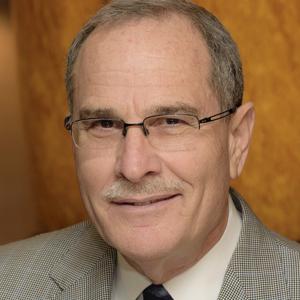

M.D., Chief Clinical Innovation Officer, Sutter Health
Biography
Dr. Milani serves as the Chief Clinical Innovation Officer at Sutter Health, and previously as the Chief Transformation Officer at Ochsner Health where he led the innovation unit from 2010 - 2023. His background and research focus on population health, preventive medicine with a special interest in chronic disease, medical informatics and predictive analytics including artificial intelligence. He completed Internal Medicine training at the University of Florida, and fellowships in Critical Care Medicine (University of Florida), Preventive Medicine and Clinical Epidemiology (Harvard University Massachusetts General Hospital), and Cardiovascular Diseases (Ochsner Clinic Foundation). He has authored over 500 medical publications and serves as a frequent lecturer for healthcare systems and Fortune 500 companies and is a reviewer for several medical journals. In 2019, he was recognized by Modern Healthcare as one of the top innovators in the healthcare industry, and in 2024 by Beckers as one of the Chief Innovation Officers to Know.
Speaker Profile
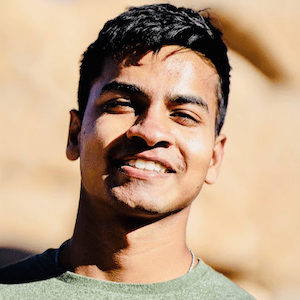

Head of Health AI, OpenAI
Biography
Karan Singhal is a leading researcher in artificial intelligence, specializing in the intersection of AI and healthcare. He currently heads the Health AI team at OpenAI, where he focuses on developing large language models (LL Ms) that aim to make medical expertise universally accessible and ensure safety in high-stakes health applications. Before joining OpenAI, Singhal was instrumental in the development of Med-PaLM and Med-PaLM 2 at Google, AI models designed for medical question answering. These models were integrated into Google Cloud and received recognition in prominent publications such as Nature, Scientific American, The Economist, and the BBC.
Speaker Profile
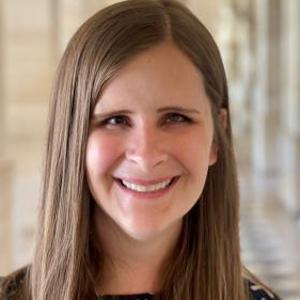

Ph.D., Assistant Professor, Stanford
Biography
Dr. Emily Alsentzer develops machine learning and natural language processing methods to support clinical decision-making and expand access to high-quality healthcare. Her research focuses on building clinically deployable models that are generalizable, robust, and integrated with medical expertise to ensure safe and responsible use in healthcare workflows. Previously, she was a postdoctoral fellow at Brigham and Womens Hospital, where she helped implement ML models across the Mass General Brigham health system. She received her PhD in the HarvardMIT Health Sciences and Technology program and BS and MS degrees from Stanford. Professor Alsentzers work bridges computer science and clinical communities, with publications in venues such as NeurIPS, NAACL, NEJM AI, Lancet Digital Health, Nature Communications, NPJ Digital Medicine, CHIL, ML4H, PSB, JAMIA, and Communications Medicine. She has also served as General Chair for ML4H and CHIL and as a founding organizer for SAIL and CHIL.
Speaker Profile
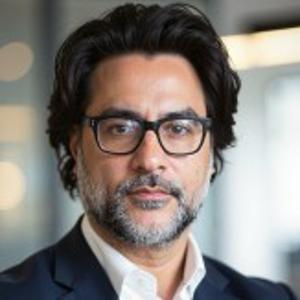

M.D., VP Healthcare & Life Sciences AI, iMerit Technology
Biography
Plastic and Reconstructive Surgeon Sina Bari, MD, is a leading medical and information technology innovator. His knowledge and expertise are well-respected across the industry as a considered voice in the development of Medical Artificial Intelligence. In January 2022, Dr. Bari joined i Merit Technology to help the worlds leading medtech companies train safe, high-quality AI systems. At i Merit, Dr. Bari has created and led the healthcare division from ideation to the leading company in the space. Medical AI is a dynamic field where large-scale datasets harness human intelligence to train computer neural networks. Dr. Baris work has significantly improved patient access and care in radiology, endoscopy, robotic surgery, drug development, and drug safety.
Speaker Profile
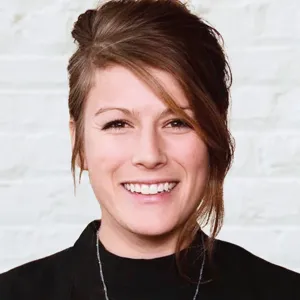

Chief Product Officer, Flatiron Health
Biography
Kate serves as the Chief Product Officer, leading the Product teams responsible for evolving our Point of Care and Evidence Solutions product suites in partnership with customers across oncology providers and life sciences, respectively. Since joining Flatiron in 2018, she has launched new products, evolved mature products, and managed teams of various sizes across the organization.Prior to joining Flatiron, Kate worked for Deloitte's Consulting where she led digital transformations in support of life sciences, public health agencies, and transportation industries.Kate received a bachelor's degree in biomedical engineering from the University of Virginia.
Speaker Profile


Chief Commercial Officer, Evidation Health
Biography
Phil Johnson is a recognized leader in advancing healthcare innovationthrough real-world data and digital health solutions. At Evidation, heleverages a community of over 5 million individuals and innovativedirect-to-patient, longitudinal data capture capabilities to advancepatient-centric health research and accelerate drug development. With deepexpertise in technology and real-world data, Phil has a proven track recordof improving research and patient outcomes. His previous work includesbuilding Real-World Data initiatives and promoting Clinical Diversity at Tempus AI, as well as launching a healthcare and life sciences division at Amazon Web Services, where he forged strategic partnerships with leadingU. S. healthcare organizations.
Speaker Profile
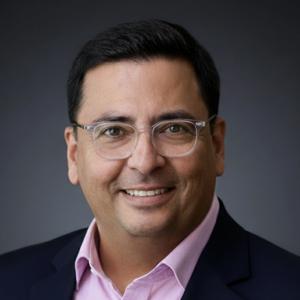

M.D., Global Head of Digital Technology & CMIO, Roche
Biography
Okan Ekinci, MD, MBA, is the Head of Digital Technology and Chief Medical Information Officer at Roche Information Solutions. He joined Roche in 2018 and served as Chief Medical Officer and Senior Vice President of Marketing Innovation for the digital health business. Before that, Okan held various positions at Siemens Healthineers, including Chief Medical Officer and Head of Healthcare Consulting. Drawing on extensive experience across imaging, diagnostics, and pharma, he has advised healthcare institutions and governments on strategies for digital transformation, personalized healthcare, and artificial intelligence. Okan is a cardiologist by training and an adjunct professor of medicine at the University College Dublin.
Speaker Profile
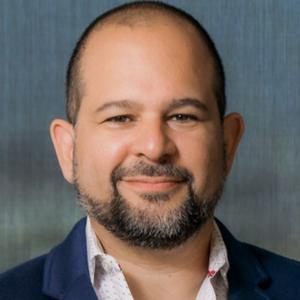

CEO, HEADLAMP health
Biography
Erwin Estigarribia is the Chief Executive Officer of Headlamp Health, leading the companys mission to deliver the right medication to the right patient at the right time. With over 25 years of international experience in life sciences, Erwin has founded and scaled ventures at the intersection of data, biotechnology, and clinical care. At Headlamp, he is driving the creation of the first agentic AI platform for neuroscience, integrating multimodal patient data to advance precision in diagnosis, treatment, and research. By replacing trial-and-error psychiatry with data-driven precision medicine, Headlamp is transforming mental healthcare and redefining how psychiatric conditions are understood and treated worldwide.
Talk
Agentic Intelligence for Precision Neurosciences integrates multimodal biological, clinical, and behavioral data through adaptive, process-engineered frameworks. These systems learn from biology and workflow feedback, reducing years of frustration for clinicians and patients while derisking clinical trials. The result: biology-informed, actionable intelligence that accelerates discovery and precision care.
Speaker Profile
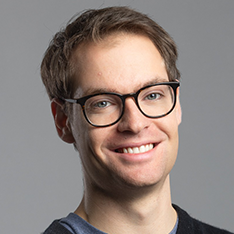

Co-Founder and CTO, OpenEvidence
Biography
Zachary Ziegler is the Co-Founder and CTO of OpenEvidence, the leading AI-powered medical information platform. Designed from the ground up for medical professionals, OpenEvidence organizes the worlds medical knowledge to make it more useful, open, accessible, and underst and able. Launched out of the Mayo Clinic Platform Accelerate, OpenEvidence has become a critical tool in physicians tool boxes, used by over a quarter of US physicians in over 10,000 care centers across the United States. Before founding OpenEvidence, Ziegler was a PhD student at Harvard University, where he worked with Professor Sasha Rush and was awarded the National Science Foundation Graduate Research Fellowship. He completed his undergraduate studies at Cornell University, where he received the Barry Goldwater Scholarship.
Talk
Speaker Profile


M.D., Chief Information and Digital Officer, Associate Dean, Clinical Professor of Medicine, Stanford
Biography
Michael A. Pfeffer, MD, FACP serves as Chief Information and Digital Officer and Associate Dean for Stanford Health Care and Stanford University School of Medicine. Michael oversees Technology and Digital Solutions (TDS), responsible for providing world class technology solutions to Stanford Health Care and School of Medicine, enabling new opportunities for groundbreaking research, teaching, and compassionate care across two hospitals and over 150 clinics. TDS supports Stanford Medicines mission to improve human health through discovery and care and strategic priorities to be value focused, digitally driven, and uniquely Stanford. Michael is a Clinical Professor in the Department of Medicine and Division of Hospital Medicine with a joint appointment in the center for Biomedical Research (BMIR) in Stanford University School of Medicine.
Speaker Profile
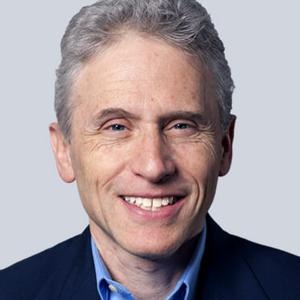

M.D., Founder and Chairman, OM1
Biography
Dr. Rich Gliklich is the founder of OM1, Inc. Previously, he was founder and CEO of Outcome, which he led from inception through its acquisition by Quintiles and then as an XIR with General Catalyst Partners where OM1 was started. Dr. Gliklich is well known in the areas of outcomes, registries and AI. He is senior editor of the landmark publication by the U. S. Agency for Healthcare Research and Quality (A HRQ) handbook "Registries for Evaluating Patient Outcomes: A User's Guide and the PI for the Outcomes Measures Framework, which focuses on standardization of outcomes measurement. . Dr. Gliklich holds more than 10 patents in clinical AI and outcomes. Dr. Gliklich is a graduate of Yale University and Harvard Medical School and is a surgeon and professor, part time, at Harvard Medical School.
Talk
Trained on billions of patient-years of RWD, PhenOM is a foundation model that powers digital phenotyping and predicts medical events and outcomes. It accelerates patient finding for undiagnosed conditions, predicts risks of costly events and disease progression, and estimates treatment effects for individuals and populations. Learn how this AI is used across healthcare stakeholders.
Speaker Profile
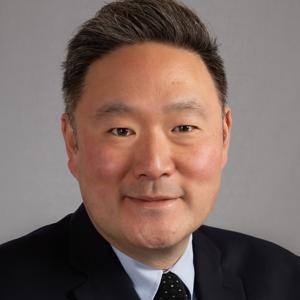

M.D., MSc, Chief Data Officer, Kaiser
Biography
Vincent Liu, MD, MS, is a senior research scientist at the Kaiser Permanente Northern California Division of Research, and Chief Data Officer for The Permanente Medical Group. He also directs the Systems Research Initiative, a multidisciplinary team at the Division of Research supported by The Permanente Medical Group (TPMG). His work focuses on the development, deployment and evaluation of machine learning/AI, across a large health system serving 4.5 million members.
Speaker Profile
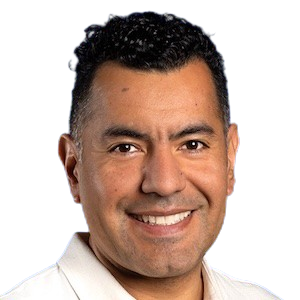

Ph.D., EVP Medical Strategy, Klick Health
Biography
As a medical strategy lead at Klick, Jorge oversees and ensures clinical and scientific relevance across communications and tactics that strategically influence shifts in beliefs and behavior, and move the market landscape. For over 17 years, Jorge has worked in healthcare brands in the US and global markets, across a wide range of therapeutic areas, including rare disease and oncology. Jorge has also led a diverse array of initiatives engaging with thought leaders, patients and caregivers, and patient advocate organizations. Since joining Klick in 2017, Jorge has helped expand their portfolio, as well as our medical strategy team from 3 strategists to currently over 30. Jorge is particularly passionate about bringing forward novel perspectives on the science of a molecule, current clinical practice and market dynamics, especially in brands that have a significant impact on patients lives.
Talk
AI is transforming diagnostics, clinical operations, and decision support by improving accuracy, speed, and consistency. Yet clinical context keeps evolvingshaping how we map biology, reveal disease mechanisms, and accelerate target and biomarker discovery. Ultimately, AIML will fulfill their promise only with rigorous validation, strong governance, and active bias mitigation to ensure safe, equitable, responsible care.
Speaker Profile
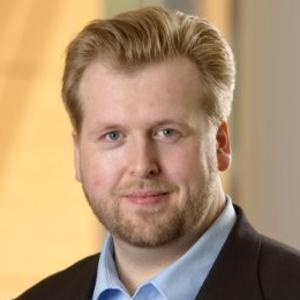

PMWC PIONEER AWARD
Pioneered FDA-cleared digital pathology AI; advancing multimodal AI at Lilly
SVP and Chief AI Officer, Lilly
Biography
Thomas Fuchs, Dr. sc. is a pioneer in AI for human health and coined the term Computational Pathology. His deep-learning systems for whole-slide images helped establish clinical-grade AI in oncology and built petabyte-scale AI infrastructure, enabling faster, more accurate diagnosis and accelerating precision treatment decisions across the globe. His research has advanced the field by linking tissue morphology to molecular drivers and outcomes across massive datasets.
Dr. Fuchs founded Paige AI, a leader in AI-based digital pathology, who received the first breakthrough designation for any AI in oncology and the first FDA approval for an AI in pathology. He previously held influential academic roles, including Dean and endowed Barbara T. Murphy professor for AI & Human Health and Director of the Hasso Plattner Institute for Digital Health at Mount Sinai. As inaugural chair, he founded the first department for AI at a medical school in the US and previously was Director of Computational Pathology at Memorial Sloan Kettering Cancer Center. Trained in machine learning at ETH Zurich, with earlier research at the California Institute of Technology and NASA’s Jet Propulsion Laboratory, he now serves as Eli Lilly’s first Chief Artificial Intelligence Officer, guiding AI across drug discovery, clinical development, manufacturing, finance and commercialization
Speaker Profile
PMWC PIONEER AWARD
Pioneered FDA-cleared digital pathology AI; advancing multimodal AI at Lilly
SVP and Chief AI Officer, Lilly
Biography
Thomas Fuchs, Dr. sc. is a pioneer in AI for human health and coined the term Computational Pathology. His deep-learning systems for whole-slide images helped establish clinical-grade AI in oncology and built petabyte-scale AI infrastructure, enabling faster, more accurate diagnosis and accelerating precision treatment decisions across the globe. His research has advanced the field by linking tissue morphology to molecular drivers and outcomes across massive datasets.
Dr. Fuchs founded Paige AI, a leader in AI-based digital pathology, who received the first breakthrough designation for any AI in oncology and the first FDA approval for an AI in pathology. He previously held influential academic roles, including Dean and endowed Barbara T. Murphy professor for AI & Human Health and Director of the Hasso Plattner Institute for Digital Health at Mount Sinai. As inaugural chair, he founded the first department for AI at a medical school in the US and previously was Director of Computational Pathology at Memorial Sloan Kettering Cancer Center. Trained in machine learning at ETH Zurich, with earlier research at the California Institute of Technology and NASA’s Jet Propulsion Laboratory, he now serves as Eli Lilly’s first Chief Artificial Intelligence Officer, guiding AI across drug discovery, clinical development, manufacturing, finance and commercialization
Speaker Profile
PMWC PIONEER AWARD
Pioneered FDA-cleared digital pathology AI; advancing multimodal AI at Lilly
SVP and Chief AI Officer, Lilly
Biography
Thomas Fuchs, Dr. sc. is a pioneer in AI for human health and coined the term Computational Pathology. His deep-learning systems for whole-slide images helped establish clinical-grade AI in oncology and built petabyte-scale AI infrastructure, enabling faster, more accurate diagnosis and accelerating precision treatment decisions across the globe. His research has advanced the field by linking tissue morphology to molecular drivers and outcomes across massive datasets.
Dr. Fuchs founded Paige AI, a leader in AI-based digital pathology, who received the first breakthrough designation for any AI in oncology and the first FDA approval for an AI in pathology. He previously held influential academic roles, including Dean and endowed Barbara T. Murphy professor for AI & Human Health and Director of the Hasso Plattner Institute for Digital Health at Mount Sinai. As inaugural chair, he founded the first department for AI at a medical school in the US and previously was Director of Computational Pathology at Memorial Sloan Kettering Cancer Center. Trained in machine learning at ETH Zurich, with earlier research at the California Institute of Technology and NASA’s Jet Propulsion Laboratory, he now serves as Eli Lilly’s first Chief Artificial Intelligence Officer, guiding AI across drug discovery, clinical development, manufacturing, finance and commercialization
Speaker Profile
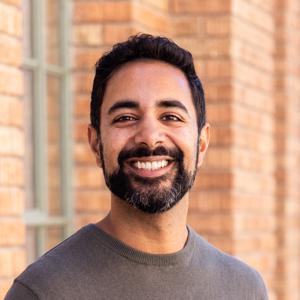

Co-Founder & CEO, Novellia
Biography
Shashi Shankar is the co-founder and CEO of Novellia, Inc., an award-winning, AI-enabled data partner trusted by leading biopharma companies to uncover hidden insights in real-world patient data. With a background in healthcare and a passion for leveraging AI and data analytics, Shashi leads Novellias strategy and business development to transform health data integration for improved patient outcomes. Prior to founding Novellia, Shashi spent nearly a decade at Genentech and Roche, where his personal experience with fragmented health data deeply motivated him to pioneer solutions that give both patients and researchers a more complete, accessible, and actionable view of healthcare data.
Speaker Profile
Ph.D., Professor of Medicine and Chief Data Scientist, Stanford
Biography
Dr. Nigam Shah's research is focused on bringing AI into clinical use, safely, ethically and cost-effectively. He holds an MBBS from Baroda Medical College, India, a PhD from Penn State University and completedpostdoctoral training at Stanford University. Dr. Shah is an inventor oneight patents, has authored over 300 scientific publications, and hasco-founded three companies. Dr. Shah was inducted into the American College of Medical Informatics (A CMI) in 2015 and the American Society for Clinical Investigation (A SCI) in 2016.
Talk
Emerging Therapeutics Showcase:
Neosplice Therapeutics
Speaker Profile


MBA, CFA, BioPharma Business Development Leader, Mayo Clinic
Biography
Nadia Poluhina is a healthcare strategy and corporate development leader working at the intersection of biopharma, AI, real-world evidence, and digital health. At Mayo Clinic, she focuses on structuring and executing enterprise-level partnerships that translate clinical data, physician expertise, and advanced analytics into validated evidence and scalable collaboration models. Prior to Mayo, Nadia worked in management consulting, mergers and acquisitions, and venture-backed healthcare organizations. Her work emphasizes partnership strategy, deal execution, governance, and de-risking development across academic medicine and industry.
Speaker Profile
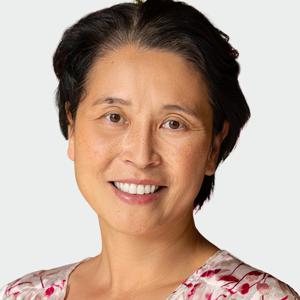

Ph.D., Chief Data and AI Officer, CareDx
Biography
Jing Huang received her B. A. in Statistics and Probability from Peking University and her Ph. D. in Statistics and M. S. in Epidemiology from Stanford University. With over 20 years in the biomedical field, her work centers on statistical methodologies for clinical trial design, genomic analysis, and machine learning. She is the Chief Data AI Officer at Care Dx, Inc. (Nasdaq: CDNA) The Transplant Company, leading efforts to integrate advanced data science and AI into patientfacing products and internal operations to enhance care, efficiency, and scalability. Jing has coauthored more than 30 peerreviewed articles with over ten thousand citations and is coinventor on more than 20 patent filings. She is the founding president of Dah Shu, a nonprofit promoting data science research and education, and serves as chapter representative for the A SA San Francisco Bay Area Chapter. In 2023, she was elected a Fellow of the American Statistical Association for her innovative contributions and leadership.
Talk
Artificial intelligence is transforming how clinicians understand patient trajectories, optimize treatments, and deliver personalized care. Jing Huang, Ph.D., Chief Data AI Officer at CareDx, will highlight advances in predictive modeling, multiomics integration, and realworld clinical applications, sharing lessons from building trusted AI systems and a forward look at more proactive, equitable transplant care.
Speaker Profile

Ph.D., Biomedical Data Scientist, Moffitt Cancer Ctr.
Biography
Alyssa received her B. S. in Biological Engineering from Massachusetts Institute of Technology in 2016 and her Ph. D. in Bioengineering from Georgia Tech in 2023. Her research experience includes projects in neuroimmune signaling, proteomics, single cell and bulk tissue transcriptomics, microRNA biomarker discovery, and multivariate data analysis methods. Her current research focuses on applying machine learning and multimegavariate methods to multiomic and spatial data sets in support of precision oncology projects.
Speaker Profile
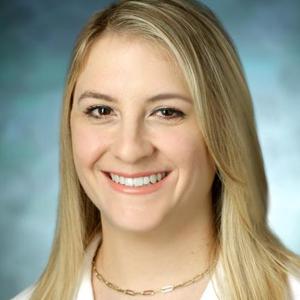

M.D., Assistant Professor, Johns Hopkins U.
Biography
Dr. Deutsch is an internationally recognized pathologist and physician-scientist whose research focuses on tissue-based biomarker discovery and implementation to support personalized cancer care. She has played a key role in the development and standardization of pan-tumor pathologic response criteria for patients treated with neoadjuvant and perioperative therapies, work that has important implications as these approaches are increasingly adopted in clinical trials and routine care. Her research integrates digital pathology, machine learning, and artificial intelligence to enable robust pathology-based assessments that provide prognostic information and help clinicians make personalized treatment decisions. Dr. Deutsch is the recipient of the 2025 Benjamin Castleman Award from the United States and Canadian Academy of Pathology.
Speaker Profile
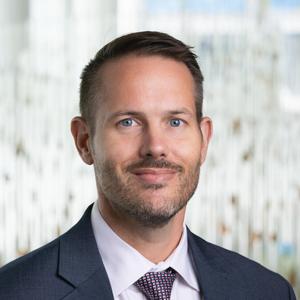
M.D., Medical Oncologist, Mayo Clinic
Biography
Jeremy C. Jones, M. D., is a medical oncologist who specializes in treating colorectal cancer. His research interests include studying the underlying molecular genetics that drive gastrointestinal malignancies as well as novel cancer care delivery trials.
Speaker Profile
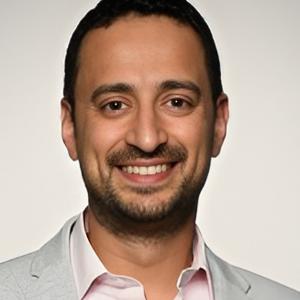

Head of Healthcare, Anthropic
Biography
Syed Mohiuddin is Head of Healthcare for Anthropic, where he leads the company's payer and provider strategy, partnerships, and go-to-market initiatives. He brings expertise in health AI policy, public and private health insurance, healthcare operations, value-based care and public health.
Prior to joining Anthropic, Dr. Mohiuddin was Senior Vice President, Chief Artificial Intelligence Transformation and Strategy Officer at United Health Group (UHG), where he worked with business and technology leaders across the organization and industry to define, allocate capital, and launch bold initiatives that drove transformation across U. S. healthcare. Dr. Mohiuddin previously served as Counselor to the U. S. Department of Health and Human Services (HHS) Deputy Secretary in the Biden Administration. He co-led the AI Task Force and directed HHS’s AI contributions, including the President’s Executive Order on AI. He also led the development of HHS’s data strategy and future pandemic preparedness plan as well as the Federal government’s healthcare cybersecurity efforts. Prior to his government service, Dr. Mohiuddin spent seven years at Mc Kinsey as a leader in the Healthcare and Public Sector practices.
Dr. Mohiuddin is a licensed internal medicine physician and an alum of the University of Michigan (B. S.), Boston University (M. A.), Michigan State University (D. O.), and the Detroit Medical Center (residency).
Speaker Profile
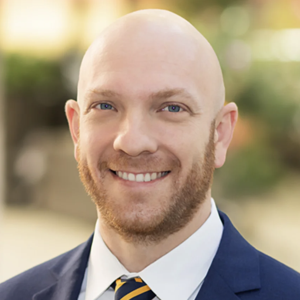
M.D., Ph.D., CMO, OpenEvidence
Biography
Dr. Travis Zack is Chief Physician at Open Evidence and an adjunct professor at UCSF with a lab in predictive model development in real-world health data. His research lies at the intersection of computational biology, clinical medicine, and artificial intelligence. Travis received his PhD in Biophysics from Harvard and an MD in the Health Sciences and Technology track at MIT and Harvard Medical School. Dr. Zack has dedicated his career to using data-driven approaches to address pressing challenges in oncology. His lab focuses on developing AI models to support clinical decision-making and enhance patient outcomes, including machine learningbased tools for real-world evidence studies and natural language processing methods to extract valuable insights from electronic health records.
Speaker Profile
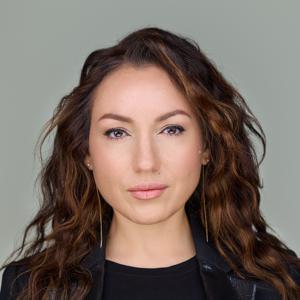

Ph.D., CEO & Co-Founder, Diadia Health
Biography
For nearly two decades, I’ve worked at the intersection of academic research and real-world AI systems. I hold a PhD in AI and have spent my career building and deploying machine learning in high-stakes environments, including leading AI at Change.org and working at Google and Reddit.
Over time, I kept seeing the same pattern: in complex endocrine, hormonal, and precision medicine cases, even excellent clinicians were forced to rely on fragmented data, personal heuristics, and trial-and-error. Genetics, various labs, and biomarkers were available, but rarely connected in a way that made decision-making truly systematic. That gap is what led me to co-found Diadia.
At Diadia Health, we’re building an explainable clinical reasoning layer that helps clinics turn complex biological data into clear, defensible insights and protocols.
Unlike generic AI tools or wrappers, our systems reason explicitly and transparently, using evidence chains and convergence, finding causal relationships with zero hallucinations.
Speaker Profile
M.D., Ph.D., CMO, OpenEvidence
Biography
Dr. Travis Zack is Chief Physician at Open Evidence and an adjunct professor at UCSF with a lab in predictive model development in real-world health data. His research lies at the intersection of computational biology, clinical medicine, and artificial intelligence. Travis received his PhD in Biophysics from Harvard and an MD in the Health Sciences and Technology track at MIT and Harvard Medical School. Dr. Zack has dedicated his career to using data-driven approaches to address pressing challenges in oncology. His lab focuses on developing AI models to support clinical decision-making and enhance patient outcomes, including machine learningbased tools for real-world evidence studies and natural language processing methods to extract valuable insights from electronic health records.
Davos of Precision Medicine
PMWC 2027 Program
January 27–29, 2027 · Santa Clara Convention Center
Swipe speakers · Tap a card for sessions →
In a few words.
PMWC is indeed The Davos of Biotech