Session Abstract – PMWC 2027 Silicon Valley
Speaker Profile

PMWC LUMINARY AWARD
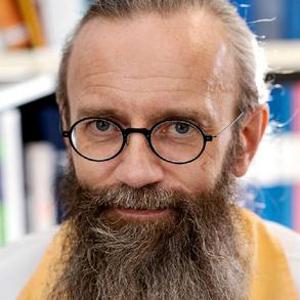
Pioneered blood and CSF biomarkers transforming diagnosis of neurodegenerative disease
M.D., Ph.D., Professor, U. of Gothenburg
Biography
Henrik Zetterberg is a Professor of Neurochemistry in the UW Department of Pathology and Laboratory Medicine, School of Medicine and Public Health, Madison, Wisconsin, the University of Gothenburg, Sweden, and University College London, UK. He is also a Clinical Chemist at Sahlgrenska University Hospital in Gothenburg, Sweden. He is Head of the Department of Psychiatry and Neurochemistry at the University of Gothenburg, and leads the UK DRI Fluid Biomarker Laboratory at UCL. His main research focus and clinical interest are fluid biomarkers for brain diseases, neurodegenerative diseases in particular. He has published more than 2800 scientific articles and received many awards.
Speaker Profile


Ph.D., Professor, UC Berkeley
Biography
Dr. Niren Murthy is a professor in the Department of Bioengineering at the University of California at Berkeley and a member of the Innovative Genomics Institute. Dr. Murthy’s scientific career has focused on the molecular design and synthesis of new materials for drug delivery and molecular imaging. The Murthy laboratory is currently focused on developing next generation lipid nanoparticles that can deliver mRNA and gene editing enzymes in vivo. Several start-up companies and licenses have been generated from the laboratory, in particular, the start-up companies GenEdit, BioAmp Diagnostics, Microbial Medical and Opus Biosciences were formed based upon research conducted in the Murthy lab.
Speaker Profile

PMWC PIONEER AWARD
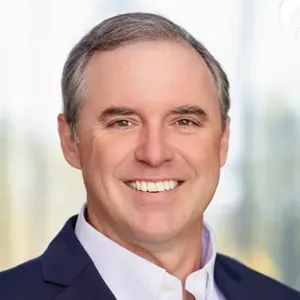
Pioneered chemical biology and targeted protein degradation for precision therapeutics
M.D., EVP R&D, AI&D, Amgen
Biography
Dr. James "Jay" Bradner joined Amgen in 2023 and currently serves as Executive Vice President, Research & Development, Artificial Intelligence & Data. He leads the company's global Research and Development organization, integrating biology, data science, and artificial intelligence to accelerate the discovery and development of innovative medicines. Under his leadership, Amgen is advancing a diverse pipeline of potential first- and best-in-class therapies across oncology, inflammation, general medicine, rare disease, and biosimilars.
Immediately before joining Amgen, Dr. Bradner returned to clinical service as a stem cell transplant physician at the Dana-Farber Cancer Institute and Brigham & Women’s Hospital. He also taught at Harvard Business School and MIT, and served as an advisor to Blackstone Life Sciences and Isomorphic Labs (Alphabet, Google DeepMind).
He previously served as President of the Novartis Institutes for BioMedical Research, where he was a member of the Executive Committee of Novartis. During his tenure, he built and led a highly productive research organization that combined advanced therapeutic platforms, large-scale data science and global scientific talent to drive innovation. His research and leadership have contributed to more than 100 new investigational medicines and more than 25 approved medicines.
Earlier in his career, he was a clinician at the Dana-Farber Cancer Institute and an associate professor at Harvard Medical School. He co-authored more than 300 scientific publications and numerous U.S. patent applications. He also co-founded five biotechnology companies.
Dr. Bradner is a graduate of Harvard College and the University of Chicago Pritzker School of Medicine. He completed a residency in Medicine at Brigham & Women's Hospital, fellowships in Medical Oncology and Hematology at the Dana-Farber Harvard Cancer Center, and postdoctoral training in Chemistry and Chemical Biology at Harvard University.
Speaker Profile
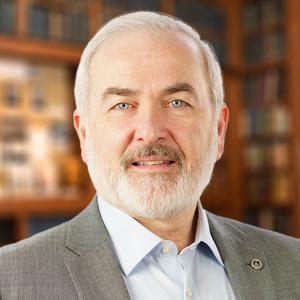
PMWC LUMINARY AWARD
Developed RNA-targeted medicine behind Spinraza for spinal muscular atrophy
Ph.D., Professor, Cold Spring Harbor Laboratory
Biography
Prof. Adrian Krainer completed his undergraduate education at Columbia University in 1981, with a B.A. in Biochemistry. He then completed his Ph.D. in Biochemistry at Harvard University in 1986, in the lab of Prof. Tom Maniatis. After graduation, he became the first Cold Spring Harbor Fellow, and in 1989 he joined the faculty at Cold Spring Harbor Laboratory. He is currently the St. Giles Foundation Professor at CSHL, and the Deputy Director of Research of the CSHL Cancer Center. He is also a co-founder and Director of Stoke Therapeutics.
Adrian's lab at CSHL uses multidisciplinary approaches to elucidate pre-mRNA splicing mechanisms and alternative splicing regulation. An important goal is to apply this knowledge to uncover the roles of defective splicing in genetic diseases and cancer. The lab also uses antisense technology to develop novel therapeutics that target pre-mRNA or mRNA to modulate gene expression post-transcriptionally. One notable application—in collaboration with Ionis Pharmaceuticals and Biogen—was the development of the antisense oligonucleotide nusinersen (Spinraza), which became the first approved drug for spinal muscular atrophy, a severe genetic disease that causes motor-neuron degeneration. Research from the Krainer lab has also implicated splicing alterations in cancer, and his lab is currently pursuing antisense-therapeutic approaches in the context of various cancers.
Adrian is a recipient of the Albany Medical Center Prize in Medicine and Biomedical Research, the Wolf Prize in Medicine, the Life Sciences Breakthrough Prize, the RNA Society’s Lifetime Achievement Award, the Reemtsma Foundation International Prize in Translational Neuroscience, the Speiser Award in Pharmaceutical Sciences, the Ross Prize in Molecular Medicine, the Gabbay Award in Biotechnology and Medicine, the Takeda Pharmaceuticals Innovators in Science Senior Scientist Award in Rare Diseases, and the Watanabe Prize in Translational Research. He served as President of the RNA Society, and is a member of the National Academy of Sciences, the National Academy of Medicine, the National Academy of Inventors, and the American Academy of Arts & Sciences.
Speaker Profile
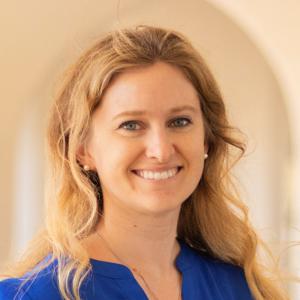

Ph.D., Associate Professor, UCSD
Biography
Alexis C. Komor is a pioneering genome‑editing researcher who co‑developed the first CRISPR base editors with David Liu at the Broad Institute. Her work established base editing as a new class of genome engineering tools that enable precise single‑nucleotide changes in DNA without double‑strand breaks, laying the foundation for correcting disease‑causing point mutations with high precision. She continues to lead efforts to translate these innovations into direct in vivo therapeutics, including strategies to deliver base editors via mRNA and other nucleic‑acid platforms to repair genes within patients’ cells. As her work established the scientific foundation of Beam Therapeutics, Komor has helped drive the clinical development of base editing, underscoring the broad impact of her work on programmable gene editing and precision medicine. Her groundbreaking contributions are influencing a new generation of in vivo RNA and gene‑based therapies (spanning mRNA, siRNA, and antisense oligonucleotide modalities) and inspiring novel small‑molecule approaches to treat genetic diseases.
Speaker Profile
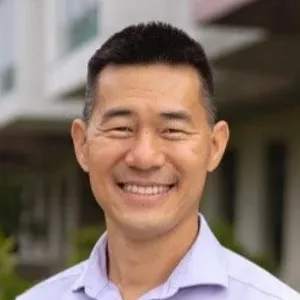
Ph.D., Professor, UCSD
Biography
Gene Yeo is a Professor of Cellular and Molecular Medicine at UC San Diego. He earned degrees in Chemical Engineering and Economics from the University of Illinois at Urbana-Champaign, a PhD in Computational Neuroscience from MIT, and an MBA from the UCSD Rady School of Management. His research focuses on RNA processing in development and disease, leveraging iPSC and murine models. His lab pioneered in vivo RNA targeting with CRISPR/Cas systems and developed enhanced CLIP technologies for large-scale protein–RNA interaction mapping. Dr. Yeo serves on the editorial boards of Cell Reports and Cell Research, has received multiple prestigious awards, and is a co-founder of several RNA-focused biotechnology companies.
Speaker Profile
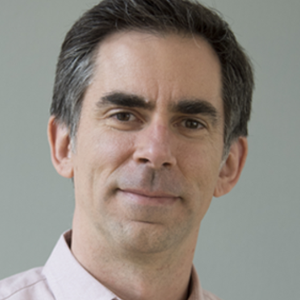
Ph.D., Director, Broad Inst. of MIT & Harvard
Biography
Ben Deverman is the senior director of the vector engineering research group at the Stanley Center for Psychiatric Research at the Broad Institute of MIT and Harvard, where he is also an institute scientist. The vector engineering team develops innovative gene delivery solutions for studying the central nervous system (CNS), with the aim of uncovering new avenues for treating psychiatric disorders. His group applies a variety of approaches including protein engineering, high-throughput in vivo selection and screening methods, and machine learning to develop novel AAV vectors that overcome pressing gene delivery challenges. In recent work, the Deverman team and collaborators found that the AAV-PHP.B family of capsids, which efficiently deliver genes throughout the mouse CNS, cross the blood-brain barrier by engaging a novel receptor on the vasculature, providing mechanistic insights that can be leveraged to engineer the next generation of AAV capsids for human CNS gene therapy. In response to the COVID-19 pandemic, the Deverman lab built and maintains COVID-19 CG, an interactive, open access browser to help vaccine, therapeutics, and diagnostics developers and public health officials track SARS-CoV-2 mutations and lineages by location and time.
Deverman joined the Broad in March 2018. Before this, he was the director of the CLARITY, Optogenetics and Vector Engineering Research (CLOVER) Center within the Beckman Institute at the California Institute of Technology. At Caltech, Deverman and colleagues identified numerous capsids, including AAV-PHP.B and an enhanced variant, AAV-PHP.eB, that made efficient brain-wide gene delivery in the adult possible for the first time. AAV-PHP.B and AAV-PHP.eB are now in use in laboratories around the world and are enabling a wide range of translational and basic neuroscience experiments. Deverman led the generation of the panel of AAV-PHP capsids by developing a novel AAV selection method, called Cre Recombinase-based Targeted Evolution (CREATE), that uses Cre transgenics to select for AAVs that transduce defined target cell types.
Deverman has nearly 14 years of experience as a molecular biologist studying neuroscience and AAV engineering. As a postdoctoral fellow and research scientist at the California Institute of Technology, Deverman’s research focused on viral vector development and the roles of cytokines during neurodevelopment and in the context of demyelinating disease. He received a Ph.D. in molecular and cellular biology from Washington University School of Medicine and a B.S. in biochemistry from the University of Detroit Mercy. In 2019 he received the Broad Institute Excellence Award in Mentorship, Teaching, and Training and is a recipient of a Merkin Institute Fellowship at the Broad.
Speaker Profile
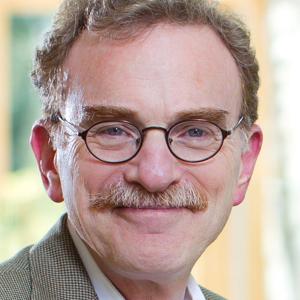
PMWC PIONEER AWARD
Nobel Laureate & pioneer of vesicle trafficking and cellular protein transport
Ph.D., Nobel Laureate, Professor, UC Berkeley
Biography
Randy W. Schekman is a Nobel laureate and Professor of Molecular and Cell Biology at UC Berkeley. He shared the 2013 Nobel Prize in Physiology or Medicine for discovering the machinery that regulates vesicle transport—how cells organize, package, and deliver cargo such as proteins and hormones. Cellular Transport: He mapped the fundamental genetic and biochemical pathways of yeast cell transport. These discoveries apply directly to human cells and are used widely in the biotech industry (e.g., producing recombinant insulin).
Talk
Trafficking and function of extracellular vesicles
Extracellular vesicles (EVs) are secreted in a process that supports cellular homeostasis. Ordinarily, EVs lack a membrane fusogen and do not efficiently deliver cargo molecules into the cytoplasm of target cells. EVs engineered to contain a viral or endogenous human fusogen are capable of efficiently delivering cargo to target cells.
Speaker Profile
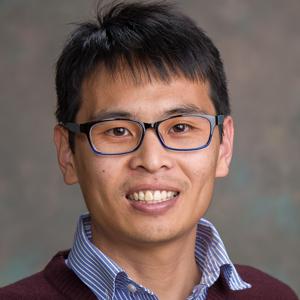

Ph.D., Senior Director of Translational Genetics & Data Science, Arrowhead Pharma
Biography
Shicheng Guo is Senior Director of Translational Genetics & Data Science at Arrowhead Pharmaceuticals, where I lead human-genetics-driven target discovery and biomarker strategy for RNA-based therapeutics. Dr. Guo's work sits where human data, genomics, and AI meet drug development — using population-scale biology, biobanks, and real-world evidence to power an end-to-end, AI-native discovery engine, increasingly orchestrated by agentic AI systems that reason, plan, and act across the target-to-medicine pipeline.
Speaker Profile

J. Craig Venter Visionary Award
Nobel Laureate & Pioneered the CRISPR-CAS9 Genome Editing Technology
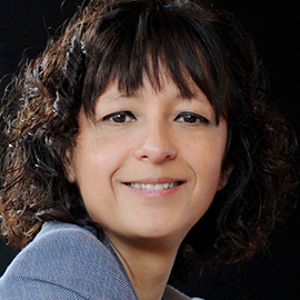
Ph.D., Nobel Laureate in Chemistry & Founding, Scientific and Managing Director, Max Planck Unit for the Science of Pathogens
Biography
Emmanuelle Charpentier is a pioneering microbiologist, geneticist, and biochemist whose work reshaped modern biology and medicine. She is best known for uncovering key mechanisms of the bacterial CRISPR-Cas immune system and, with Jennifer Doudna, developing CRISPR-Cas9 as a programmable genome-editing technology. Their discovery transformed the ability to precisely modify DNA, opening new paths for biomedical research, diagnostics, agriculture, and therapeutic development. Charpentier’s research has bridged fundamental microbiology and translational impact, revealing how bacteria regulate virulence and adapt to their environment while creating one of the most powerful tools in the life sciences. Her career across Europe reflects a rare mix of curiosity-driven science, institutional leadership, and field-changing translation. She is the Founding, Scientific and Managing Director of the Max Planck Unit for the Science of Pathogens in Berlin. In 2020, she received the Nobel Prize in Chemistry, shared with Doudna, for the development of a method for genome editing.
Speaker Profile

J. Craig Venter Visionary Award
Nobel Laureate & Pioneered the CRISPR-CAS9 Genome Editing Technology
Ph.D., Nobel Laureate in Chemistry & Founding, Scientific and Managing Director, Max Planck Unit for the Science of Pathogens
Biography
Emmanuelle Charpentier is a pioneering microbiologist, geneticist, and biochemist whose work reshaped modern biology and medicine. She is best known for uncovering key mechanisms of the bacterial CRISPR-Cas immune system and, with Jennifer Doudna, developing CRISPR-Cas9 as a programmable genome-editing technology. Their discovery transformed the ability to precisely modify DNA, opening new paths for biomedical research, diagnostics, agriculture, and therapeutic development. Charpentier’s research has bridged fundamental microbiology and translational impact, revealing how bacteria regulate virulence and adapt to their environment while creating one of the most powerful tools in the life sciences. Her career across Europe reflects a rare mix of curiosity-driven science, institutional leadership, and field-changing translation. She is the Founding, Scientific and Managing Director of the Max Planck Unit for the Science of Pathogens in Berlin. In 2020, she received the Nobel Prize in Chemistry, shared with Doudna, for the development of a method for genome editing.
Talk
Panel: Genome Editing Beyond the First Wave
This panel discussion highlights the transition of base, prime, and CRISPR-enabled tools from simple genetic correction to advanced clinical applications.
Speaker Profile
Ph.D., CEO, Lyora Tx
Biography
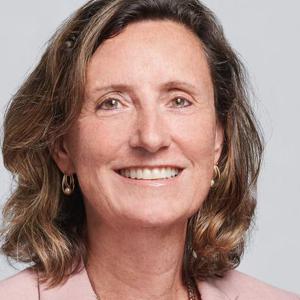
Pamela Stetkiewicz, Ph.D., is Chief Executive Officer of Lyora Therapeutics and a biotechnology executive with more than two decades of experience in drug discovery and development. Her career spans scientific research, program leadership, business development, organizational design, and the advancement of therapeutic programs from early research into clinical development. Before joining Lyora, she held senior leadership roles at Arbor Biotechnologies, Flagship Pioneering, Editas Medicine, and the Novartis Institutes for Biomedical Research. Across these organizations, she has worked at the interface of emerging biology, platform technologies, portfolio strategy, and development execution. At Lyora, she is leading a company focused on genetic medicines for inherited retinal and sensory disorders, including programs that use RNA and gene-editing approaches to address disease-causing mutations. Dr. Stetkiewicz is known for building multidisciplinary teams and scalable development frameworks that connect scientific innovation with the operational and strategic requirements needed to move new medicines toward patients.
Speaker Profile

Ph.D., President and CEO, Caribou Bio
Biography
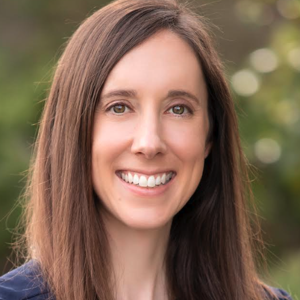
Dr. Haurwitz is a co-founder of Caribou Biosciences and has been its president and chief executive officer and a director since the company’s inception in 2011. She is an inventor on patents and patent applications covering multiple CRISPR-based technologies, and has co-authored several scientific papers in high-impact journals characterizing CRISPR-Cas systems. In 2014, she was named by Forbes Magazine to the “30 Under 30” list in Science and Healthcare, and in 2016, Fortune Magazine named her to the “40 Under 40” list of the most influential young people in business. In 2018, the Association for Women in Science recognized Dr. Haurwitz with the annual Next Generation Award. She serves on the board of directors for Biotechnology Innovation Organization (BIO). Dr. Haurwitz earned an AB in biological sciences from Harvard College and a PhD in molecular and cell biology from the University of California, Berkeley.
Speaker Profile
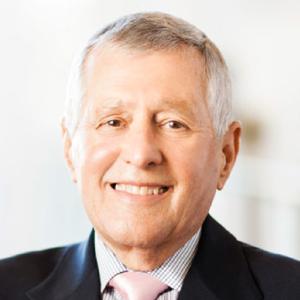
M.D., Ph.D., CEO, n-Lorem / Ionis
Biography
Dr. Stanley Crooke is founder, chairman and chief executive officer of n-Lorem, a nonprofit foundation focused on providing treatments for patients with nano-rare disease patients (1 to 30 patients worldwide), which he initiated in January 2020.
Prior to n- Lorem, Dr. Crooke founded and was Chairman and Chief Executive Officer and Lead Scientist of Ionis Pharmaceuticals. During his tenure at Ionis, he led the scientific development of a new platform for drug discovery, antisense technology and the creation of one of the largest and more advanced development pipelines in the biotechnology industry, and commercialized several antisense drugs including, SPINRAZA® (nusinersen), TEGSEDI™ (inotersen) and others. Early in Dr. Crooke’s career, he led the creation of the first broad anticancer program in the industry at Bristol-Myers, bringing numerous anticancer drugs to the market in the first five years of his career. He then assumed responsibility for worldwide R&D (president) at SmithKline Beckman (now GSK). During his tenure at SKB, Dr. Crooke led the restructuring of R&D and the development of several drugs that were commercialized.
Dr. Crooke has also contemporaneously led a successful academic career becoming a full professor at Baylor College of Medicine and the University of Pennsylvania Medical School where he trained a number of Ph.D. students and won several teaching awards. Dr. Crooke has been an active scientist throughout his career as well.
Dr. Crooke has received a number of awards, most recently, the Indiana University School of Medicine Steven C. Beering Award, the Prix Galien Roy Vagelos Pro Bono Humanum Award, the American Chemical Society’s E.B. Hershberg Award for Important Discoveries in Medicinally Active Substances, the Lifetime Achievement Award presented by the Oligonucleotide Therapeutics Society, the Scrip Lifetime Achievement Award and the 2019 Massry Prize.
Dr. Crooke received his M.D. and Ph.D. degrees and house staff training at Baylor College of Medicine, where he currently serves on the Board of Advisors. In 2021, Dr. Crooke has been named Distinguished Alumnus of both Baylor College of Medicine’s Graduate and Medical schools and named one of the 20 of the most influential biopharma R&D executives by Endpoints News. He has published nearly 600 scientific publications, edited more than 20 books, has numerous patents, and led the development of more than 23 drugs that have been commercialized.
Speaker Profile


M.D.,Ph.D., Director, Sanford Stem Cell Institute, UCSD Health
Biography
Catriona Jamieson is a leading physician scientist who has specialized in myeloproliferative neoplasms (MP Ns) and leukemia. She discovered missplicing, RNA hyperediting, and splice isoform switching as mechanisms governing human cancer stem cell maintenance in selective niches. These discoveries have helped to shed light on the underlying mechanisms of cancer and have opened up new avenues for targeted therapies. Dr. Jamieson's contributions to the field of precision medicine include her pivotal role in the rescue and development of the JAK inhibitor fedratinib for the treatment of myelofibrosis. Additionally, she is known for her unwavering dedication to advancing innovative therapies and her outstanding leadership as the director of the Sanford Stem Cell Institute at UCSD and as a co-founder of Impact Biosciences and Aspera Biomedicines.
Speaker Profile
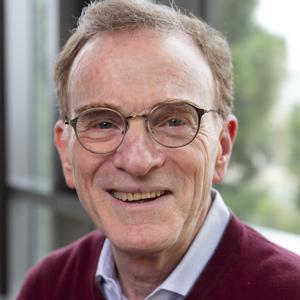
Ph.D., Nobel Laureate, Professor, UC Berkeley
Biography
Randy W. Schekman is a Nobel laureate and Professor of Molecular and Cell Biology at UC Berkeley. He shared the 2013 Nobel Prize in Physiology or Medicine for discovering the machinery that regulates vesicle transport—how cells organize, package, and deliver cargo such as proteins and hormones. Cellular Transport: He mapped the fundamental genetic and biochemical pathways of yeast cell transport. These discoveries apply directly to human cells and are used widely in the biotech industry (e.g., producing recombinant insulin).
Speaker Profile
Nobel Laureate, Professor, UC Berkeley
Biography
Randy W. Schekman is a Nobel laureate and Professor of Molecular and Cell Biology at UC Berkeley. He shared the 2013 Nobel Prize in Physiology or Medicine for discovering the machinery that regulates vesicle transport—how cells organize, package, and deliver cargo such as proteins and hormones. Cellular Transport: He mapped the fundamental genetic and biochemical pathways of yeast cell transport. These discoveries apply directly to human cells and are used widely in the biotech industry (e.g., producing recombinant insulin).
Speaker Profile
M.D.,Ph.D., Director, Sanford Stem Cell Institute, UCSD Health
Biography
Catriona Jamieson is a leading physician scientist who has specialized in myeloproliferative neoplasms (MP Ns) and leukemia. She discovered missplicing, RNA hyperediting, and splice isoform switching as mechanisms governing human cancer stem cell maintenance in selective niches. These discoveries have helped to shed light on the underlying mechanisms of cancer and have opened up new avenues for targeted therapies. Dr. Jamieson's contributions to the field of precision medicine include her pivotal role in the rescue and development of the JAK inhibitor fedratinib for the treatment of myelofibrosis. Additionally, she is known for her unwavering dedication to advancing innovative therapies and her outstanding leadership as the director of the Sanford Stem Cell Institute at UCSD and as a co-founder of Impact Biosciences and Aspera Biomedicines.
Talk
Speaker Profile
M.D., EVP R&D, AI&D, Amgen
Biography
Dr. James "Jay" Bradner joined Amgen in 2023 and currently serves as Executive Vice President, Research & Development, Artificial Intelligence & Data. He leads the company's global Research and Development organization, integrating biology, data science, and artificial intelligence to accelerate the discovery and development of innovative medicines. Under his leadership, Amgen is advancing a diverse pipeline of potential first- and best-in-class therapies across oncology, inflammation, general medicine, rare disease, and biosimilars.
Immediately before joining Amgen, Dr. Bradner returned to clinical service as a stem cell transplant physician at the Dana-Farber Cancer Institute and Brigham & Women’s Hospital. He also taught at Harvard Business School and MIT, and served as an advisor to Blackstone Life Sciences and Isomorphic Labs (Alphabet, Google DeepMind).
He previously served as President of the Novartis Institutes for BioMedical Research, where he was a member of the Executive Committee of Novartis. During his tenure, he built and led a highly productive research organization that combined advanced therapeutic platforms, large-scale data science and global scientific talent to drive innovation. His research and leadership have contributed to more than 100 new investigational medicines and more than 25 approved medicines.
Earlier in his career, he was a clinician at the Dana-Farber Cancer Institute and an associate professor at Harvard Medical School. He co-authored more than 300 scientific publications and numerous U.S. patent applications. He also co-founded five biotechnology companies.
Dr. Bradner is a graduate of Harvard College and the University of Chicago Pritzker School of Medicine. He completed a residency in Medicine at Brigham & Women's Hospital, fellowships in Medical Oncology and Hematology at the Dana-Farber Harvard Cancer Center, and postdoctoral training in Chemistry and Chemical Biology at Harvard University.
Speaker Profile


Vice Chair & Director of Impact and Donor Relations, Association for Creatine Deficiencies
Biography
Jeffrey Randall Allen is a rare-disease advocate whose work is driven by his son Lucas, who was diagnosed with Creatine Transporter Deficiency (CTD) in 2019. He brings nearly 20 years of healthcare sales and business development experience across medical devices and medtech and now serves as Vice Chair & Director of Impact and Donor Relations at the Association for Creatine Deficiencies. Allen became widely known as the Season 1 champion of MrBeast’s Beast Games, winning the $10 million grand prize and using the visibility to accelerate awareness and funding for CTD research. He has since led Ruck4Rare fundraising campaigns and pledged $1 million to ACD’s Race for a Cure. His perspective bridges patient urgency, philanthropy, advocacy and the challenge of moving promising rare-disease science toward scalable treatments.
Speaker Profile
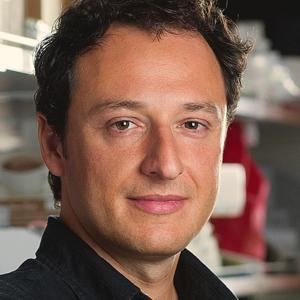
Ph.D., Professor, Director, UCSD
Biography
Dr. Muotri earned a BSc in Biological Sciences from the State University of Campinas in 1995 and a Ph.D. in Genetics in 2001 from the University of Sao Paulo in Brazil. He moved to the Salk Institute as Pew Latin America Fellow in 2002 for a postdoctoral training in the fields of neuroscience and stem cell biology. He has been a Professor at the School of Medicine, University of California in San Diego since late 2008. His research focuses on modeling neurological diseases, such as Autism Spectrum Disorders, using human induced pluripotent stem cells and brain organoids. He has received several awards, including the prestigious NIH Director’s New Innovator Award, NARSAD, Emerald Foundation Young Investigator Award, Surugadai Award from Tokyo University, Rock Star of Innovation from CONNECT, NIH EUREKA Award, among others.
Speaker Profile
M.D.,Ph.D., Director, Sanford Stem Cell Institute, UCSD Health
Biography
Catriona Jamieson is a leading physician scientist who has specialized in myeloproliferative neoplasms (MP Ns) and leukemia. She discovered missplicing, RNA hyperediting, and splice isoform switching as mechanisms governing human cancer stem cell maintenance in selective niches. These discoveries have helped to shed light on the underlying mechanisms of cancer and have opened up new avenues for targeted therapies. Dr. Jamieson's contributions to the field of precision medicine include her pivotal role in the rescue and development of the JAK inhibitor fedratinib for the treatment of myelofibrosis. Additionally, she is known for her unwavering dedication to advancing innovative therapies and her outstanding leadership as the director of the Sanford Stem Cell Institute at UCSD and as a co-founder of Impact Biosciences and Aspera Biomedicines.
Speaker Profile
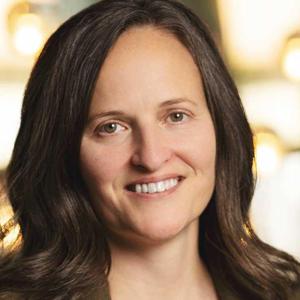

Ph.D., CSO, Nurix Tx
Biography
Gwenn M. Hansen, Ph.D., has served as Chief Scientific Officer of Nurix since June 2020, where she leads drug discovery and development from program inception to initial clinical proof of concept. Since joining Nurix in 2015, Dr. Hansen has focused on establishing the company's integrated DEL-AI discovery platform and forging academic and pharmaceutical partnerships to help build a sustainable pipeline of transformative therapeutics. Prior to joining Nurix, Dr. Hansen was an Associate Professor in the Center for Drug Discovery at Baylor College of Medicine and prior to that served in a variety of discovery-focused roles at Lexicon Pharmaceuticals. She completed postdoctoral training at M.D. Anderson Cancer Center and Baylor College of Medicine. Dr. Hansen holds a B.A. in Biology and Psychology from Gustavus Adolphus College and a Ph.D. in Biomedical Sciences from the University of Tennessee, Knoxville.
Speaker Profile
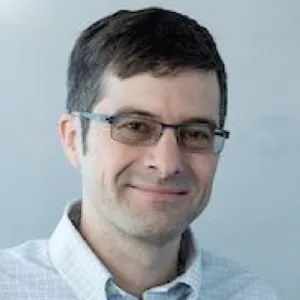
Ph.D., Professor, Stanford
Biography
Nathanael S. Gray, Ph.D., is the Krishnan-Shah Family Professor of Chemical and Systems Biology at Stanford University and Co-Director of Cancer Drug Discovery at Stanford Cancer Institute. A chemical biologist and medicinal chemist, he develops small molecules that probe disease biology and can serve as starting points for new therapeutics. His laboratory is particularly known for kinase inhibitor design, covalent drug discovery, targeted protein modulation, and strategies to overcome drug resistance in cancer. Earlier in his career at the Genomics Institute of the Novartis Research Foundation, Dr. Gray helped develop covalent inhibitors targeting the EGFR T790M resistance mutation, work that contributed to the scientific foundation for later-generation EGFR therapies. He subsequently built a drug-discovery program at Harvard Medical School and Dana-Farber Cancer Institute before joining Stanford in 2021. Dr. Gray earned his undergraduate and doctoral degrees at the University of California, Berkeley. His research tightly integrates synthetic chemistry, structural biology, genetics, and translational oncology to create therapeutically actionable molecules.
AI and Data Sciences Showcase:
Medlink Global
Speaker Profile
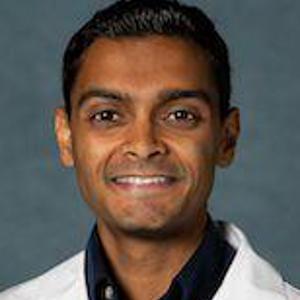

Ph.D., Professor, Cedars-Sinai Medical Ctr.
Biography
Arun Sharma, PhD, is Associate Professor of Biomedical Sciences at Cedars-Sinai and Director of the Center for Space Medicine Research. He is also a research scientist in the Board of Governors Regenerative Medicine Institute, with affiliations spanning the Smidt Heart Institute and Cedars-Sinai Cancer. His laboratory uses human induced pluripotent stem cells, genome editing, organoids, organ-on-chip systems, and other advanced models to study cardiovascular disease and improve the prediction of drug effects on the heart. Dr. Sharma has helped develop stem-cell-based models of chemotherapy-induced cardiotoxicity and cardiovascular disease, translating basic biology into platforms for therapeutic testing. He also leads research on how microgravity and spaceflight alter human cells and tissues, including experiments involving organoids and stem-cell manufacturing in space. His work sits at the intersection of regenerative medicine, cardiovascular biology, cancer treatment, and space biomedicine, with the goal of building more predictive human models for discovery and translational research.