Session Abstract – PMWC 2027 Silicon Valley
Speaker Profile

M.D., Ph.D., Co-Director of Cancer Genetics and Epigenetics, Johns Hopkins U.
Biography
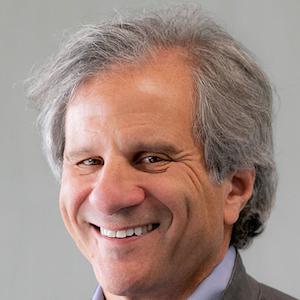
Dr. Velculescu led the first genome wide sequence analysis in human cancers, identifying key genes and pathways dysregulated in tumorigenesis. He developed methods for global gene expression analyses and coined the word transcriptome" to describe the patterns that could now be obtained in cancer and other cells. These analyses identified a variety of genes not previously known to be involved in neoplasia, including PIK3CA as one of the most highly mutated genes in human cancer. His team's discoveries have led to new FDA approved therapies against PI3K and IDH1, and diagnostic tests for comprehensive tumor profiling. More recently, his group has created noninvasive machine learning liquid biopsy approaches for early detection and monitoring of cancer patients. His work has provided new paradigms for understanding human cancer that have benefited patients worldwide. He has been a Founder and CoCEO of Personal Genome Diagnostics and is Founder and CEO of Delfi Diagnostics.
Speaker Profile

PMWC LUMINARY AWARD
Helped shape modern cancer immunotherapy and its clinical translation
M.D., Ph.D., Director, Tumor Immunology, Cancer Center; Director, Parker Institute for Cancer Immunotherapy, UCLA
Biography
Antoni Ribas, MD, PhD, is professor of medicine, surgery, and molecular and medical pharmacology at the University of California Los Angeles (UCLA) and director of the Tumor Immunology Program at the Jonsson Comprehensive Cancer Center (JCCC). Ribas is a physician-scientist conducting laboratory and clinical translational research in how melanoma responds or resists to cancer immunotherapies, and developing gene engineered adoptive cell transfer therapies. He has been instrumental in the clinical development of several agents approved by the FDA, including the first anti-PD-1 pembrolizumab (Keytruda), the anti-CTLA-4 tremelimumab (Imjudo), as well as two combinations of BRAF and MEK inhibitors, vemurafenib (Zelboraf) and cobimetinib (Cotellic), and dabrafenib (Tafinlar) and trametinib (Mekinist). He is a past president of the American Association for Cancer Research (AACR), an elected Fellow of the AACR Academy, the American Society for Clinical Investigation, the Association of American Physicians and the US National Academy of Medicine.
Talk
How melanoma became a treatable cancer
Advanced melanoma used to be an untreatable cancer, resistant to all types of cancer therapy. With the improved understanding of how to target driver oncogenes and how to release the immune checkpoints, now half of the patients go onto live a normal life.
Speaker Profile

PMWC PIONEER AWARD
Advanced healthcare informatics from national strategy to scalable AI-enabled clinical data platforms
M.D., Dwight and Dian Diercks President, Mayo Clinic
Biography
Dr. Halamka is an emergency medicine physician, medical informatics expert and the Dwight and Dian Diercks president of the Mayo Clinic Platform, which is focused on transforming health care by leveraging artificial intelligence, connected health care devices and a network of partners. Dr. Halamka has been developing and implementing health care information strategy and policy for more than 40 years. Previously, he was executive director of the Health Technology Exploration Center for Beth Israel Lahey Health, chief information officer at Beth Israel Deaconess Medical Center, and International Healthcare Innovation Professor at Harvard Medical School. He is a member of the National Academy of Medicine.
Speaker Profile

M.D., Director of Clinical Research, MGH Cancer Ctr.
Biography
As described in the more than 300 peer reviewed primary research reports he has authored or co-authored, Dr. Flaherty and colleagues made several seminal observations that have defined the treatment of melanoma when they established the efficacy of BRAF, MEK and combined BRAF/MEK inhibition in patients with metastatic melanoma. He was the principal investigator of the NCI MATCH trial, the first NCI-sponsored trial assigning patients to targeted therapy independent of tumor type on the basis of DNA sequencing detection of oncogenes. Dr. Flaherty was elected President of AACR in 2025. Dr. Flaherty co-founded Loxo Oncology in 2013 and Scorpion Therapeutics in 2020, serving on the board of directors through the acquisitions of both by Eli Lilly in 2019 and 2025. He co-founded X4 Pharmaceuticals (NASDAQ: XFOR), privately held Strata Oncology (2015), Apricity Oncology (2017), Gyges Oncology (2020), Khora Therapeutics (2024), and Monimoi Therapeutics (2025).
Speaker Profile

M.D., Medical Oncologist, Harvard
Biography
Elad Sharon, MD, MPH, is a medical oncologist at the Dana-Farber Cancer Institute, where he is the Clinical and Translational Director of the Immunotherapy Toxicity Program and a Member of the Faculty of Medicine at Harvard Medical School. From 2011 through August 2023, Dr. Sharon served as a senior investigator in the Investigational Drug Branch of the NCI Cancer Therapy Evaluation Program (CTEP). In that role, he worked with academic and industry colleagues to develop promising new cancer therapies. His portfolio included antibody-drug conjugates, immune checkpoint inhibitors and other agents. He also served as an attending physician in NCI Developmental Therapeutics Clinic. As part of his work in immunotherapy drug development, he has made a major effort to advance the understanding of immune-related adverse events, including the establishment of the Alliance-NIH irAE Biorepository, for which he continues to be the Medical Oncology Chair. In addition, Dr. Sharon is the Co-Principal Investigator of the AIM-NIVO trial, evaluating the use of nivolumab for patients with pre-existing autoimmune disease. From 2017 through 2023, Dr. Sharon served as the Co-Chair of the NCI Cancer Moonshot’s Adult Immunotherapy Implementation Team, through which oversaw the Immuno-Oncology Translational Network to help the NCI accelerate cancer care innovation.
While working for the NCI CTEP, Dr. Sharon assisted in the review, approval, management, and analysis of hundreds of clinical trials conducted within the NCI’s academic and community oncology networks, including trials within the ETCTN, SWOG, the Alliance for Clinical Trials in Oncology, NRG, the Children’s Oncology Group, and ECOG-ACRIN. In addition, Dr. Sharon oversaw several trials leading to FDA approvals, including two rare cancer trials whose results led to the approval of atezolizumab for advanced Alveolar Soft Part Sarcoma and pembrolizumab for Merkel Cell Cancer. Dr. Sharon has had interactions with dozens of pharmaceutical companies, hundreds of academic sites, as well as years of formal interactions with the FDA on behalf of the NCI. Further, he has worked with several providers of data to evaluate real world evidence for use in drug development and patient safety analyses, through collaborations with the FDA, Friends of Cancer Research, and other stakeholders in the field.
In his new role, Dr. Sharon is seeking to develop innovative clinical trials to better understand the side effects associated with immune checkpoint inhibitors and other immunotherapy agents. He has been a national leader in this emerging field, conducting clinical and translational research for the NCI and DFCI, with impactful papers elucidating a mechanistic understanding of immune-related Adverse Events (irAEs) and their effect on overall patient well-being. To this end, he is now the Medical Oncology Co-Chair of the Alliance Immuno-Oncology Toxicity (IOTOX) Working Group. His efforts in immunotherapy drug development are also continuing, both at DFCI and nationally through the NCI-funded National Clinical Trials Network.
Dr. Sharon received his M.D. from Baylor College of Medicine in Houston, Texas in 2003. He completed his internal medicine residency at Emory University in 2006 and his Hematology/Oncology Fellowship at the NIH in 2011. He obtained a Master of Public Health degree at the Harvard School of Public Health in 2009.
Speaker Profile
Ph.D., VP, Science Policy, Friends of Cancer Research
Biography
Mark Stewart works at Friends of Cancer Research, a Washington, DCbased organization that brings together partners across healthcare to drive advances in science, policy, and regulation that accelerate the development of cancer therapies and diagnostics. At Friends, he leads collaborative projects that create frameworks for incorporating novel clinical trial endpoints, advancing ctDNA and liquid biopsy applications, integrating real-world evidence, and applying innovative designs to make trials more efficient and representative. His work also explores emerging technologies such as AI-based tools to enhance oncology drug development, clinical trial design, and data interpretation. Through multi-stakeholder partnerships with regulators, academia, industry, and patient groups, he helps develop consensus-driven solutions that overcome barriers in drug development. These efforts have informed national policy discussions, contributed to regulatory innovation, and translated promising innovations into meaningful progress for people with cancer.
Talk
Speaker Profile
M.D., Ph.D., Professor of Medicine & Cellular and Molecular Pharmacology, UCSF
Biography
Professor
Speaker Profile

M.D., Chief, Early Phase Drug Development, Sarah Cannon
Biography
Vivek Subbiah, MD, joined Sarah Cannon Research Institute (SCRI) in 2023, and serves as chief, Early-Phase Drug Development. In his role, Dr. Subbiah oversees SCRI's nine drug development units and leads the expansion of early-phase capabilities and programs across SCRI's growing research network. Dr. Vivek Subbiah comes to SCRI from the University of Texas MD Anderson Cancer Center where he was an associate professor in the Department of Investigational Cancer Therapeutics. During his near 15-year tenure there, Dr. Vivek Subbiah held several leadership roles including Executive Director, Medical Oncology Research, MD Anderson Cancer Network as well as Clinical Medical Director, Division of Cancer Medicine where he oversaw both the outpatient and inpatient clinical care delivery operations for the Phase I program. Dr. Vivek Subbiah has served as the principal investigator in over 100 phase III trials and co-investigator in over 200 clinical trials.
Speaker Profile
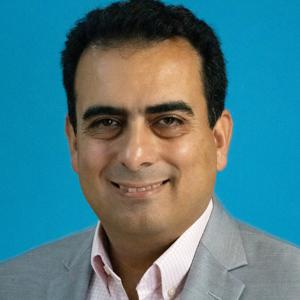

M.D., MSc, SVP - Head of Biotech Unit and Development Innovation, BeOne Medicines
Biography
Javad Shahidi is currently Senior Vice President - Head of Biotech Unit and Development Innovation at BeOne Medicines. Over the past two decades Javad’s career has been dedicated to cancer research in both academia and industry. He has held increasing responsibilities in oncology clinical development and has led the clinical development and regulatory submissions of multiple oncology compounds leading to their global approvals across several indications. He has particular interest in designing innovative, large-scale, and efficient drug development capabilities in order to deliver more impactful drugs to more patients around the world faster.
Speaker Profile
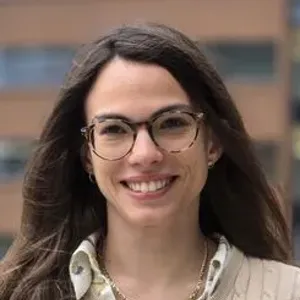

Ph.D., Postdoctoral Researcher, Penn Medicine
Biography
Laura Volta, Ph.D., is a postdoctoral researcher in the laboratory of Saar Gill at the University of Pennsylvania, where she develops next-generation cellular immunotherapies for cancer. Her work focuses on strategies that make engineered T-cell therapies more flexible, controllable, and effective, particularly for acute myeloid leukemia and other diseases in which safe, durable target selection remains difficult. Before joining Penn in 2025, Dr. Volta trained in Zurich, where she studied adaptor CAR T-cell platforms and bispecific immune engagers for AML in the laboratory of Markus Manz. She earned her Ph.D. in Pharmaceutical Sciences at ETH Zurich under Dario Neri, investigating antibody-based approaches for leukemia, after earlier training in biomedical engineering and antibody-drug conjugates in Italy. Her research combines antibody engineering, T-cell biology, translational disease models, and therapeutic design. A central goal is to build modular immune-cell platforms that can recognize clinically important targets while improving safety and adaptability as tumors evolve.
Speaker Profile
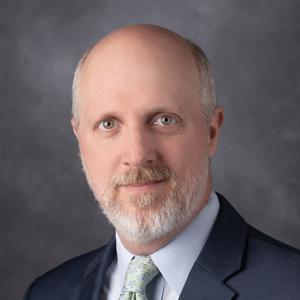
M.D., Ph.D., Professor, Deputy Chair and Associate VP, MD Anderson
Biography
Scott Kopetz, M.D., Ph.D., is a Professor in the Department of Gastrointestinal Medical Oncology at The University of Texas MD Anderson Cancer Center and an internationally recognized leader in colorectal cancer research and translational oncology. Dr. Kopetz’s work has helped establish new treatment approaches for molecularly defined colorectal cancers, including therapies targeting BRAF-mutated metastatic disease. He serves in multiple national leadership roles supporting gastrointestinal cancer research and clinical trial development and has led numerous Phase I–III clinical studies focused on improving outcomes for patients with GI malignancies. His research integrates molecular profiling and translational science to advance precision medicine strategies and overcome treatment resistance in colorectal cancer.
Speaker Profile
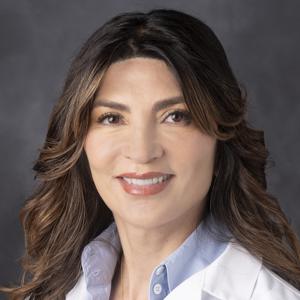

M.D., Ph.D., Distinguished Chair for Cancer Research Professor of Medicine Medical Director, Stem Cell Transplant, MD Anderson Cancer Ctr.
Biography
Dr. Katy Rezvani is a pioneering physician scientist whose work has helped define and advance the field of engineered natural killer cell therapy. She has driven the development of cord blood-derived, off-the-shelf NK cell platforms from early discovery through manufacturing and clinical translation, helping establish a new class of cellular immunotherapies and a platform with the potential to expand access, improve scalability and reduce barriers to adoption.
Her group provided the first clinical evidence that CAR NK cells can induce meaningful anti-tumor responses with a favorable safety profile, a landmark advance that helped accelerate the field’s growth. She has since led efforts to enhance persistence, in vivo expansion and anti-tumor activity, advancing engineered NK cell therapies for both hematologic malignancies and solid tumors.
Beyond these scientific contributions, Dr. Rezvani has built one of the leading translational programs in cellular therapy, integrating discovery science, manufacturing and clinical investigation to accelerate the development of new treatments. Her work has helped move engineered NK cell therapy from promising concept to clinical reality and has played an important role in shaping the future of scalable cell therapy.
Through these contributions, Dr. Rezvani has helped broaden the impact of cellular immunotherapy and open new possibilities for patients.
Speaker Profile
M.D., Ph.D., Director, Tumor Immunology, Cancer Center; Director, Parker Institute for Cancer Immunotherapy, UCLA
Biography
Antoni Ribas, MD, PhD, is professor of medicine, surgery, and molecular and medical pharmacology at the University of California Los Angeles (UCLA) and director of the Tumor Immunology Program at the Jonsson Comprehensive Cancer Center (JCCC). Ribas is a physician-scientist conducting laboratory and clinical translational research in how melanoma responds or resists to cancer immunotherapies, and developing gene engineered adoptive cell transfer therapies. He has been instrumental in the clinical development of several agents approved by the FDA, including the first anti-PD-1 pembrolizumab (Keytruda), the anti-CTLA-4 tremelimumab (Imjudo), as well as two combinations of BRAF and MEK inhibitors, vemurafenib (Zelboraf) and cobimetinib (Cotellic), and dabrafenib (Tafinlar) and trametinib (Mekinist). He is a past president of the American Association for Cancer Research (AACR), an elected Fellow of the AACR Academy, the American Society for Clinical Investigation, the Association of American Physicians and the US National Academy of Medicine.
Speaker Profile
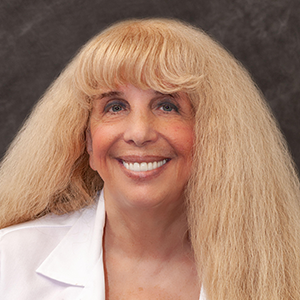
M.D., FACP, Center Associate Director, Professor, Medical College of Wisconsin
Biography
Dr. Kurzrock is a board certified medical oncologist and a renowned expert in precision medicine. She developed one of the worlds largest Phase I clinical trial programs while at MD Anderson Cancer Center. Dr. Kurzrock also founded the UCSDs Center for Personalized Cancer Therapy, focusing on genomically driven therapy as well as precision immunotherapy, especially in rare cancers. Dr. Kurzrock brought the first transcriptomic study to the clinic in an international setting spanning five countries (WINTHER), as well as the first Nof1 study of individually customized combination therapy (IPREDICT). Dr. Kurzrock received her MD from the University of Toronto, Canada. She has 900 PubMed publications, an Hindex of 140, has been named to the lists of most highly cited scientists in the world. She has a uniquely strong record of competitive funding with 100 million dollars in lifetime funding, and has overseen early development of multiple drugs that are now FDA approved.
Speaker Profile
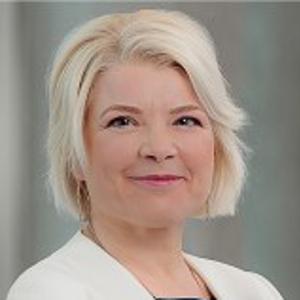

Ph.D., President, Chief Executive Officer and Director, Vir Biotechnology
Biography
Since joining Vir Biotechnology in April 2023, Dr. Marianne De Backer has led the company through a critical strategy evolution sharpening its focus in infectious disease and applying its scientific expertise to critical unmet needs in oncology. Under Dr. De Backer’s leadership, Vir Biotechnology has built a robust clinical pipeline including a late-stage registrational program in hepatitis delta, three Phase 1 masked T-cell engagers tackling a range of solid tumors, and a preclinical pipeline of cancer immunotherapies.
Over the course of her career, which began in drug discovery research, Dr. De Backer has been listed as an inventor on seven patents, led the commercial launch of two medicines, and spearheaded more than 250 alliances and acquisitions, several of which resulted in launched medicines. She currently serves on the Board of Directors for the Biotechnology Innovation Organization and as a non-executive director on the board of directors of the Gladstone Foundation.
Speaker Profile


PMWC PIONEER AWARD
Discovered PD-L1, paving the way for modern cancer immunotherapy
M.D., Ph.D., Professor, Yale
Biography
Lieping Chen is one of the founding figures of modern cancer immunotherapy, whose
work gave oncology both a new class of treatment and a way to identify patients most
likely to benefit. In 1999, his laboratory discovered B7-H1, now also known as PD-L1,
and established the PD-1/PD-L1 pathway as a mechanism by which tumors evade
immune attack. This work helped lay the foundation for checkpoint blockade, part of the
cancer immunotherapy revolution named Science’s 2013 Breakthrough of the Year.
Chen went on to co-initiate the first-in-human clinical trial of PD-1/PD-L1 blockade in
2006 and pioneered PD-L1 tumor staining as a predictive biomarker, work that informed
FDA approvals and helped redefine treatment across multiple cancers. His contributions
began even earlier with foundational work showing that B7-CD28/CTLA-4 family
molecules could be manipulated to strengthen antitumor immunity.
He is a member of the National Academy of Sciences and the National Academy of
Medicine.
Talk
How to beat cancer by immunology?
Cancer gains various tactics called immune evasion mechanisms (IEMs) to paralyze immune attack during growth. Discovery and elimination of the IEMs is a major advance in recent years for the development of novel cancer treatment. I will summarize current strategies in the context of novel cancer immunotherapy development.
Speaker Profile
M.D., Ph.D., Professor, Yale
Biography
Lieping Chen is one of the founding figures of modern cancer immunotherapy, whose
work gave oncology both a new class of treatment and a way to identify patients most
likely to benefit. In 1999, his laboratory discovered B7-H1, now also known as PD-L1,
and established the PD-1/PD-L1 pathway as a mechanism by which tumors evade
immune attack. This work helped lay the foundation for checkpoint blockade, part of the
cancer immunotherapy revolution named Science’s 2013 Breakthrough of the Year.
Chen went on to co-initiate the first-in-human clinical trial of PD-1/PD-L1 blockade in
2006 and pioneered PD-L1 tumor staining as a predictive biomarker, work that informed
FDA approvals and helped redefine treatment across multiple cancers. His contributions
began even earlier with foundational work showing that B7-CD28/CTLA-4 family
molecules could be manipulated to strengthen antitumor immunity.
He is a member of the National Academy of Sciences and the National Academy of
Medicine.
Speaker Profile
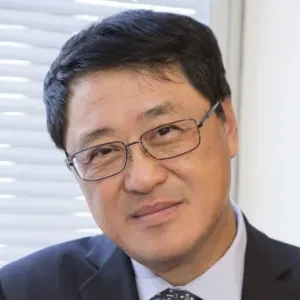
M.D., Ph.D., Professor, Yale
Biography
Lieping Chen is one of the founding figures of modern cancer immunotherapy, whose
work gave oncology both a new class of treatment and a way to identify patients most
likely to benefit. In 1999, his laboratory discovered B7-H1, now also known as PD-L1,
and established the PD-1/PD-L1 pathway as a mechanism by which tumors evade
immune attack. This work helped lay the foundation for checkpoint blockade, part of the
cancer immunotherapy revolution named Science’s 2013 Breakthrough of the Year.
Chen went on to co-initiate the first-in-human clinical trial of PD-1/PD-L1 blockade in
2006 and pioneered PD-L1 tumor staining as a predictive biomarker, work that informed
FDA approvals and helped redefine treatment across multiple cancers. His contributions
began even earlier with foundational work showing that B7-CD28/CTLA-4 family
molecules could be manipulated to strengthen antitumor immunity.
He is a member of the National Academy of Sciences and the National Academy of
Medicine.
Speaker Profile
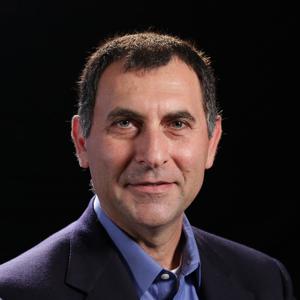

Ph.D., CEO and President, Aprea Tx
Biography
Oren Gilad, Ph.D., has served as Chief Executive Officer since July 2022 and as President and a member of our Board of Directors since May 2022. He previously served as President and CEO of Atrin Pharmaceuticals Inc. at the time of its acquisition by Aprea. He brings extensive experience across multiple phases of drug development. Prior to founding Atrin in 2011, Dr. Gilad authored several high-impact scientific publications over the course of a 13-year academic career, including a demonstration of the importance of the ATR pathway in cancer development and treatment. Dr. Gilad holds a Ph.D. from University of California at Davis and a B.Sc. from the Hebrew University.
Speaker Profile
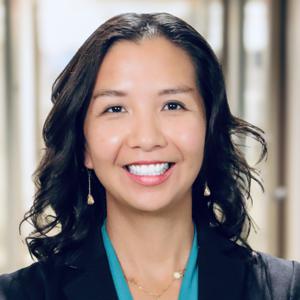
Ph.D., CEO, Cancer Research Inst. (CRI)
Biography
Dr. Alicia Zhou is a scientist and healthcare executive whose career spans cancer research, precision medicine, and healthcare innovation.
Prior to her current role, she served as Chief Science Officer at Color Health, where she led initiatives to expand access to cancer prevention and screening. She also served as a Steering Committee member and Principal Investigator for the National Institutes of Health’s All of Us Research Program, helping advance equitable access to precision medicine. Her leadership has been recognized by the San Francisco Business Times 40 Under 40 and Fierce Healthcare’s Most Influential Minority Executives List.
Dr. Zhou earned a B.S. in Biology from the Massachusetts Institute of Technology, a Ph.D. in Biological and Biomedical Sciences from Harvard University, and completed postdoctoral research in cancer biology at the University of California, San Francisco.
Speaker Profile
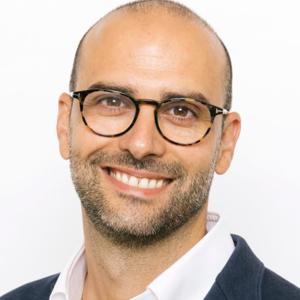
Ph.D., Associate Professor, UCSF
Biography
Justin Eyquem develops next-generation immune cell therapies for cancer and other diseases. He pioneered genome-engineering strategies to precisely reprogram T cells, including approaches that improve CAR-T cell function and enable therapeutic T cells to be engineered directly inside the body. His research spans fundamental discoveries in T-cell biology through preclinical development and clinical translation, with the goal of making engineered cell therapies more potent, precise, and accessible. At UCSF, he leads efforts to design and advance new gene-edited cell therapies into clinical trials and has contributed to innovations that facilitate their manufacturing. His work has been recognized with the Parker Fellow Award, the ASGCT Outstanding New Investigator Award, the Pew-Stewart Award for Cancer Research, and the Cancer Research Institute Lloyd J. Old STAR Award.
Speaker Profile
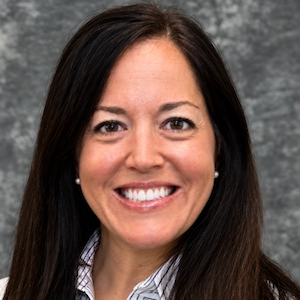
Chief Editor, Cell & Gene
Biography
Erin studied English and Psychology at Lafayette College and has 25+ years of experience in B2B publishing. She writes actionable information for professionals involved in the development and commercialization of cell and gene therapies. She covers the entire product lifecycle from basic research to commercialization. In addition to her Chief Editor role, Erin hosts Cell & Gene: The Podcast. She continues to moderate panel discussions and speaks at industry events from large conferences to niche forums.
Erin has built-out an extensive network of guest contributors who share their years of insights and expertise with the Cell & Gene community. You will probably recognize some of these experts by name and certainly the companies and organizations they represent.
Speaker Profile
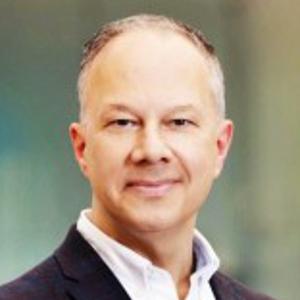
Ph.D., CTO, Worldwide Clinical Trials
Biography
Panteli Theocharous, Ph.D., is a senior therapeutics and clinical-development executive at Worldwide Clinical Trials with more than three decades of experience across biotechnology, pharmaceutical companies, and the CRO sector. His work spans clinical and translational development, medical strategy, and commercialization, with particular expertise in hematology, oncology, rare disease, and cell and gene therapy. At Worldwide, he has helped build strategic capabilities for complex therapeutic programs and has led initiatives designed to connect scientific rationale with efficient global clinical execution. Earlier in his career, he served in senior medical and development roles across biotechnology organizations, founded and chaired a cell and gene therapy institute within PPD, and served as chief executive of VectorGen. Dr. Theocharous earned his Ph.D. in Clinical Cancer Medicine from University College London Cancer Institute, holds an M.Sc. in Applied Clinical Hematology, and trained in medicinal biochemistry at King’s College London. He is a Fellow of the Royal College of Pathologists.
Speaker Profile
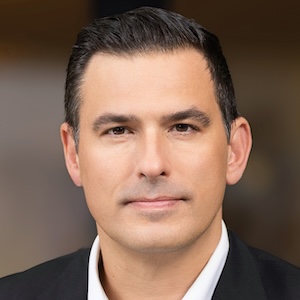

PMWC PIONEER AWARD
Led the development and commercialization of Illuccix, helping doctors locate prostate cancer and identify patients eligible for targeted radioligand therapy.
Ph.D., CEO, Telix Pharma
Biography
Christian Behrenbruch, Ph.D., is Co-Founder, Managing Director, and Group Chief Executive Officer of Telix Pharmaceuticals, a global biopharmaceutical company developing diagnostic and therapeutic radiopharmaceuticals. He has more than 20 years of experience in healthcare, biotechnology, molecular imaging, and technology commercialization. Under his leadership, Telix has built an integrated radiopharmaceutical platform spanning prostate cancer imaging, targeted radiation therapy, manufacturing, and global commercialization. Dr. Behrenbruch has previously served as Chief Executive Officer of Mirada Solutions, President of CTI Molecular Imaging, and Chief Executive Officer of Fibron Technologies and ImaginAb, and he has held board and entrepreneurial roles across multiple life-science companies. He earned a D.Phil. in biomedical engineering from the University of Oxford, an MBA through TRIUM, and a law degree from the University of Melbourne, and is a Fellow of Engineers Australia. His work focuses on translating molecular targeting and radionuclide technology into scalable precision-oncology products and therapeutic platforms.
Speaker Profile
Chief Editor, Cell & Gene
Biography
Erin studied English and Psychology at Lafayette College and has 25+ years of experience in B2B publishing. She writes actionable information for professionals involved in the development and commercialization of cell and gene therapies. She covers the entire product lifecycle from basic research to commercialization. In addition to her Chief Editor role, Erin hosts Cell & Gene: The Podcast. She continues to moderate panel discussions and speaks at industry events from large conferences to niche forums.
Erin has built-out an extensive network of guest contributors who share their years of insights and expertise with the Cell & Gene community. You will probably recognize some of these experts by name and certainly the companies and organizations they represent.
Speaker Profile
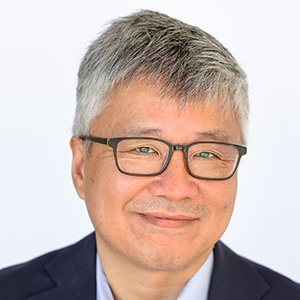

M.D., Clinical Professor of Medicine, Yale
Biography
William K. Oh, M.D., is currently the Director of Precision Medicine at Yale Cancer Center and a Professor of Medicine (Medical Oncology) at Yale School of Medicine, roles he assumed in October 2024. As part of a newer initiative at Yale, he is focused on building a cohesive program in precision cancer medicine that integrates basic and translational science, clinical trials, and Smilow Cancer Hospitals Precision Medicine Tumor Board. A central goal of his work is to increase the routine use of molecular and genetic testing for all cancer patients to improve outcomes. Dr. Oh is also dedicated to delivering multidisciplinary care for prostate cancer patients, a priority he has maintained for over 25 years. He has been recognized as a Top Doctor by Castle Connolly, New York Magazine, and Super Doctors. Additionally, he continues his commitment to teaching and advancing research in the field. Previously, Dr. Oh was a Clinical Professor of Medicine at Icahn School of Medicine. He is an internationally recognized medical oncologist with extensive experience in clinical and translational research, holding leadership roles in both academia and industry. He has authored more than 350 articles, reviews, books, and book chapters related to genitourinary cancers. Dr. Oh has conducted numerous clinical cancer trials and served in key invited roles for ASCO, ACS, and AUA. He has also held the position of Chief Medical Officer for Sema4, a genomics and health intelligence company, as well as the Prostate Cancer Foundation.
Speaker Profile
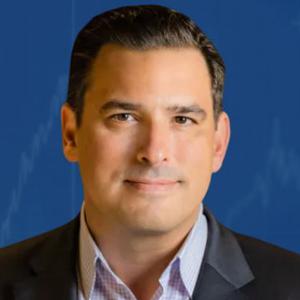
Ph.D., CEO, Telix Pharma
Biography
Christian Behrenbruch, Ph.D., is Co-Founder, Managing Director, and Group Chief Executive Officer of Telix Pharmaceuticals, a global biopharmaceutical company developing diagnostic and therapeutic radiopharmaceuticals. He has more than 20 years of experience in healthcare, biotechnology, molecular imaging, and technology commercialization. Under his leadership, Telix has built an integrated radiopharmaceutical platform spanning prostate cancer imaging, targeted radiation therapy, manufacturing, and global commercialization. Dr. Behrenbruch has previously served as Chief Executive Officer of Mirada Solutions, President of CTI Molecular Imaging, and Chief Executive Officer of Fibron Technologies and ImaginAb, and he has held board and entrepreneurial roles across multiple life-science companies. He earned a D.Phil. in biomedical engineering from the University of Oxford, an MBA through TRIUM, and a law degree from the University of Melbourne, and is a Fellow of Engineers Australia. His work focuses on translating molecular targeting and radionuclide technology into scalable precision-oncology products and therapeutic platforms.
Speaker Profile
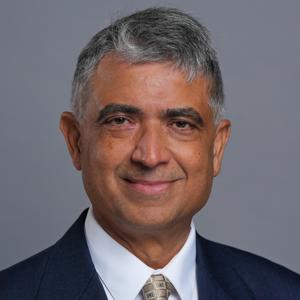
M.D., CMO, United Theranostics
Biography
With over 25 years of dedicated experience, Dr. Ghesani is actively involved in clinical practice, research, clinical trials, and education, with a primary focus on nuclear medicine, molecular imaging, and innovative targeted radiopharmaceutical therapies. His expertise has earned him recognition from Castle Connolly as one of the Top Doctors in the New York Metro Area, along with numerous other accolades in the field of nuclear medicine.
Dr. Ghesani has contributed to over 200 publications in peer-reviewed journals and serves as the Editor-in-Chief of a comprehensive three-part book on nuclear medicine and molecular imaging. He is also a highly sought-after speaker, having delivered more than 200 presentations at regional, national, and international conferences.
Speaker Profile
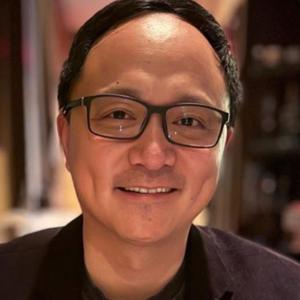

Director, Olink
Biography
Ray Chen is a strategic life-science leader at Olink, part of Thermo Fisher Scientific, with extensive experience building collaborations with biopharmaceutical companies and applying high-throughput proteomics to drug discovery and translational research. Over more than 18 years in biotechnology, he has worked with global pharma and research organizations to design partnerships that connect emerging measurement technologies with clinically relevant biological questions. At Olink, his work centers on the company’s proximity extension assay platform and large-scale proteomic studies that can measure thousands of proteins across population cohorts and therapeutic programs. He has presented on the use of Olink data in initiatives such as the UK Biobank Pharma Proteomics Project, where deep protein measurements are paired with genetics and health outcomes to uncover biomarkers, disease mechanisms, and potential drug targets. Mr. Chen’s focus is on helping research teams translate proteomic scale into actionable biological insight, from early discovery and target validation through biomarker development and precision medicine.
Speaker Profile
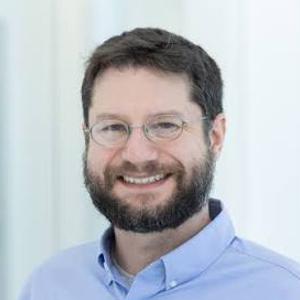

Ph.D., Co-founder and Chief Executive Officer, Orca Bio
Biography
Nathaniel Fernhoff, Ph.D., is Co-Founder and Chief Executive Officer of Orca Bio, a clinical-stage biotechnology company developing high-precision allogeneic cell therapies for patients with blood cancers and other serious hematologic diseases. He is an inventor of Orca-Q, an investigational cell therapy designed to control the composition of donor immune cells used in allogeneic transplantation, with the goal of improving anti-cancer activity while reducing complications such as graft-versus-host disease. Before founding Orca Bio, Dr. Fernhoff was a Ruth L. Kirschstein NRSA postdoctoral fellow in the laboratory of Irving Weissman at Stanford University, where he studied stem-cell and immune biology. He earned his Ph.D. in Molecular and Cell Biology from the University of California, Berkeley, and bachelor’s degrees in Biological Sciences and Mathematics from Stanford. His work combines cell purification, manufacturing, transplantation biology, and clinical development to make donor-derived cellular therapies more precise, reproducible, and accessible for patients with high-risk blood diseases.
Speaker Profile
Ph.D., President, Parker Inst. for Cancer Immunotherapy
Biography
Ira Mellman (FAACR, FAIO) began his career at Yale School of Medicine, serving as Sterling Professor of Cell Biology and Immunobiology, Scientific Director of the Yale Comprehensive Cancer Center, and member of the Ludwig Institute for Cancer Research. A National Academy of Sciences member, he is renowned for discovering endosomes, their role in antigen presentation, and the function of dendritic cells in immunity and vaccine responses, building on his fellowship with Ralph Steinman at The Rockefeller University. At Genentech/Roche, where he spent 17 years as VP of Research Oncology and Cancer Immunology, Ira established the cancer immunotherapy franchise responsible for Tecentriq® and Lunsumio®. He also led efforts in personalized cancer vaccines (with BioNTech), cell/cytokine therapies, and tumor microenvironment research. He introduced the Cancer Immunity Cycle (Mellman et al., Nature 2011, 2023), now a foundational concept in immune-oncology. He has served on the boards of the American Cancer Society and the Society for the Immunotherapy of Cancer, receiving their Lloyd J. Old and Richard Smalley Awards. Ira is currently the co-founder and CSO of Medici Therapeutics, a next-generation immunotherapy company. Aded to jot form
Speaker Profile

PHARMD, Director, AstraZeneca
Biography
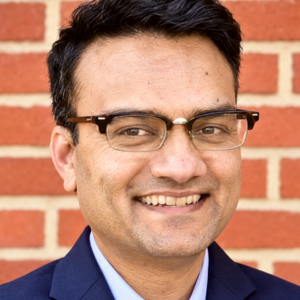
Nikunj Patel, PharmD, is Senior Director in AstraZeneca’s US Medical Lung Cancer Franchise, focusing on antibody-drug conjugates. His background spans oncology medical affairs, patient-centered outcomes research, real-world evidence, and regulatory science. He previously led global patient-centered outcomes research within AstraZeneca’s Oncology R&D and Oncology Business Unit. Before joining AstraZeneca, he worked in the FDA’s Division of Clinical Outcome Assessments and in global regulatory affairs at Eli Lilly. His published research includes patient-reported outcomes in oncology trials and clinician perspectives on digital and computational pathology.