Session Abstract – PMWC 2026 Silicon Valley
The PMWC 2026 AI Company Showcase will provide a 15-30 minute time slot for selected AI companies to present their latest technologies to an audience of leading investors, potential clients, and partners. We will hear from companies building technologies that expedite the pre-clinical and clinical drug discovery and development process, accelerate patient diagnosis and treatment, or develop scalable systems framework to make AI and deep/machine learning a reality.
Confirmed Presenting Companies:

































Speaker Profile

CEO and Co-Founder, PointHealth AI
Biography
Rachel Gollub founded her current company to bring together patient medical history, social determinants of health, and genomic data to bring secure precision medicine to patients everywhere. A Silicon Valley inventor and entrepreneur with a degree from Caltech, she started her career on the team inventing the Java language, later moving to Stanford University to design and build the Stanford Digital Repository. Since then, she has been founding companies to leverage the latest technologies. Most recently, she left a position as CTO of the United Healthcare Technology Employer Individual division to leverage her AI and machine learning background to build a startup at the heart of precision medicine.
Talk
AI in Treatment Decision Support
PointHealth AI is the leader in AI treatment decision support. We use reinforcement learning on millions of similar patients to determine the most effective prescriptions for a given condition. We provide a full report, integrated with the major EHR systems, in realtime at the point of diagnosis. Come learn how!
AI and Data Sciences Showcase:
PointHealth AI
PointHealth AI brings together medical history, social determinants of health, and genomics to bring better courses of treatment to patients. We give providers on-the-spot recommendations from our data analyses to help patients at the point of diagnosis.
Speaker Profile

Head of Products & Platform (BioStrand), MindWalk
Biography
Arnout Van Hyfte joined Bio Strand in 2019 as a member of the founding team and has played an important role in its evolution into what is now Mind Walk. He has contributed to shaping product direction and establishing the product development foundation behind Mind Walk’s LensAI platform, powered by HYFT® technology. Arnout leads the product development organization, working across teams to translate complex capabilities into cohesive, user-ready products. His work supports the ongoing evolution of LensAI, roadmap execution, and the delivery of innovative solutions that integrate smoothly into scientific workflows—advancing Mind Walk’s long-term product vision.
Talk
Traceable Biology: Creating Connected Knowledge Across Drug Discovery
MindWalk addresses one of precision medicine’s core challenges: data fragmentation. Our HYFT-powered platform unifies multi-omic data, EHR systems, and the scientific literature into a biologically grounded knowledge graph containing over 25 billion fully traceable relationships. By explicitly modeling sequence–structure–function biology, our applications deliver explainable insights that accelerate biomarker discovery, patient stratification, and therapeutic development. Unlike black-box approaches, we provide end-to-end traceability and actionable biological context across the entire drug development continuum.
AI and Data Sciences Showcase:
MindWalk
MindWalk is a global biologics discovery company integrating bio-native intelligence, deep data, and advanced lab research in a customizable ecosystem. We partner with biotech and pharma to accelerate therapeutic, anti-drug, diagnostic, peptide, and vaccine programs with depth, clarity, and speed.
Speaker Profile

M.D., CEO, Heteron Biotech
Biography
Anastasia Rigas leads Heteron Biotechnologies in developing a clinical-stage breath diagnostics platform that leverages advanced machine learning to transform complex breath profilescontaining thousands of gases and VOCsinto precise, multi-indication diagnostics. Under her leadership, Heterons multidisciplinary team has applied and rigorously tested various models on proprietary datasets, achieving exceptionally high classification accuracy. This builds on prior peer-reviewed expertise now integrated in-house, positioning the platform to detect H. pylori for gastric cancer prevention, stratify metabolic syndrome risk, and enable future hepatic and performance health applications. The technology is advancing under FDA CDRH oversight with pivotal trials in preparation and secured by global PCT filings covering hardware, software, and disease-specific biomarkers. Passionate about shifting healthcare from reactive intervention to AI-driven prevention, Anastasia coordinates regulatory strategy, multi-center clinical design, and strategic partnerships to establish breath-based machine learning diagnostics as a new paradigm in accessible precision medicine
Talk
AI Breath Diagnostics for Early Disease Detection
Heterons multi-gas breath platform integrates proprietary machine learning to classify complex VOC profiles, enabling accurate point-of-care diagnosis of H. pylori, Celiac and metabolic syndrome. Advancing under FDA CDRH oversight with global PCT protection, it delivers scalable, reimbursable AI-driven diagnostics that identify earlier-stage disease, improving outcomes through timely, informed clinical intervention.
AI and Data Sciences Showcase:
Heteron BIotechnologies,
Heteron is a clinical-stage diagnostics company advancing a multi-gas breath analysis platform that uses proprietary machine learning to deliver precise, multi-indication detection from complex breath samples. The technology targets scalable, reimbursable screening for gastric cancer prevention, metabolic syndrome, Celiac Disease and broader preventive care.
Speaker Profile
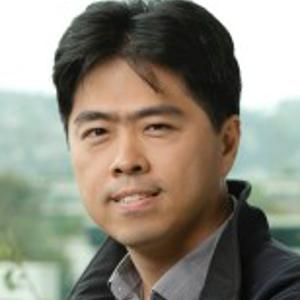
Ph.D., Distinguished Engineer, Genentech
Biography
Hugo Lam, Ph. D., is a Distinguished Engineer and Uber Tech Lead at Genentech, where he guides strategy in advanced data engineering and AI to accelerate scientific innovation. His work focuses on building scalable, FAIR-compliant data ecosystems that are AI-ready and empower cross-functional collaboration, accelerating discovery and enterprise decision-making. Before returning to Genentech, Dr. Lam founded and led Hypa Hub, directing bioinformatics and software engineering programs that advanced AI- and data-driven diagnostics and therapeutics. The company gained recognition from angels, venture capital, and Y Combinator. Earlier in his career, Dr. Lam led bioinformatics efforts at Roche, shaping data-science strategy and driving informatics research that contributed to next-generation healthcare product development, including work published in Nature Communications. His experience also spans 23and Me, Personalis, and Bina Technologies (acquired by Roche), giving him broad expertise across genomics, computational biology, and large-scale data systems.
Talk
Systems Integration for Drug Discovery and AI
This talk highlights how a unified, AI-ready Data Ecosystem accelerates scientific discovery by integrating data, automation, and adaptive intelligent interfaces. By simplifying access to complex research assets and enabling more dynamic, insight-driven workflows, we empower RD teams to innovate faster and make more informed decisions across the discovery lifecycle.
AI and Data Sciences Showcase:
Genentech
Speaker Profile

M.D., Ph.D., Co-Founder and Chief Scientific Officer, Genomenon
Biography
Dr. Mark Kiel completed his M. D., Ph. D., and Molecular Genetic Pathology Fellowship at the University of Michigan, where his research focused on stem cell biology, genomic profiling of hematopoietic malignancies, and clinical bioinformatics. He is the founder and chief scientific officer at Genomenon, a genomic intelligence company, where he oversees the company's scientific direction and product development. Mark founded Genomenon in 2014 to address the challenge of connecting researchers with evidence in the genomic literature to help diagnose and treat patients with genetic diseases and cancer.
Talk
Unlocking the Power of Literature-Derived RWE
The biomedical literature reflects decades of global clinical practice and millions of highly detailed patient records. Especially for rare or complex indications, where traditional sources of RWE may lack coverage, this evidence can fill critical gaps. We reveal how literature-derived RWE can complement other sources and optimize precision medicine programs in inherited disease and oncology.
AI and Data Sciences Showcase:
Genomenon
Genomenon is a RWE and genomics intelligence company helping pharmaceutical and clinical
diagnostics companies to inform precision medicine efforts and accelerate patient diagnosis by
unlocking real-world evidence from biomedical literature. Our unique AI, combined with insights from our team of genomic experts empowers precision therapeutic companies to optimize clinical trial design, enhance diagnostic patient yield, and streamline regulatory submissions.
Speaker Profile

Ph.D., CEO, Cancer Commons
Biography
Dr. Clifford Reid has over 30 years of experience in leading start-up and growth companies that commercialize important new technologies. Dr. Reid was the founding CEO of Travera, a spinout of MIT that developed a novel live-cell cancer therapy selection test. Prior to founding Travera, he was the founding Executive Chairman of Genos Research, a consumer genomics company that developed a marketplace for genomics research data. Dr. Reid was the founding Chairman and Chief Executive Officer of Complete Genomics (CGI), a leading developer of whole human genome DNA sequencing technologies. He took the company public (GNOM: NASDAQ) and led it through its acquisition by BGI. Prior to CGI he founded two enterprise software companies, Eloquent (ELOQ: NASDAQ, an internet video company) which was acquired by Open Text, and Verity (VRTY: NASDAQ, an enterprise search engine company) which was ultimately acquired by Hewlett-Packard. Dr. Reid is on the Visiting Committee of the Biological Engineering Department at the Massachusetts Institute of Technology (MIT) and is a member of the MIT Corporation Development Committee. He is a scientific advisor to NGD, a bacterial genomics company. He earned a BS in Physics from MIT, an MBA from the Harvard Business School, and a PhD in Management Science and Engineering from Stanford University.
AI and Data Sciences Showcase:
Cancer Commons
Speaker Profile
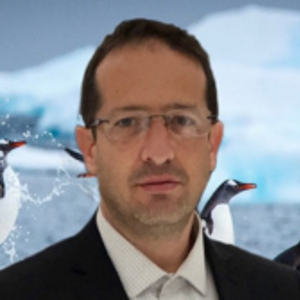
Ph.D., Professor, Hebrew U.
Biography
Professor Tabach leads the Deep Genomics Laboratory at the Hebrew University Medical School and is the founder of three companies specializing in genomics, cancer, and genetic diseases. He earned his PhD from the Weizmann Institute in systems biology and cancer, followed by postdoctoral training at Harvard Medical School in Professor Ruvkun’s lab, where he uncovered small-RN Ai pathways and mechanisms underlying genetic diseases by developing multi-omics methodologies. His research identifies novel drug targets that reveal cancer vulnerabilities by deciphering the exceptional responder phenomenon- rare stage-IV patients who experience remarkable tumor regression - enabling the selective elimination of cancer cells while minimizing harm to healthy tissue. Through both academic work and entrepreneurial initiatives, Professor Tabach develops innovative solutions for cancer, aging, and genetic diseases by translating animal “super-traits” into RNA-based therapies for humans. His functional genomics discoveries have revealed key disease pathways and cancer genes, significantly advancing drug discoveries and personalized treatment.
Talk
Turning Cancer’s Weapons Against Itself: GeneticBiomimicry Neo-Targets for EvolvingTherapy
Stage‑4 cancer patients face catastrophic outcomes: 95% mortality, less than 12‑month survival, and near‑universal treatment resistance. Our AI analysis of 200,000+ tumors maps 40 proprietary “genomic cracks” – cancer‑specific, irreversible changes that create unexpected chemical vulnerabilities – enabling dramatic improvement in GBM patients and optimized cocktails expected to impact ~100,000 patients/year worldwide.
AI and Data Sciences Showcase:
Hebrew University
Using AI analysis of tens of thousands of patients and massive multi‑omics data, ExceptionAIL is a precision oncology company that uncovers novel target types that efficiently exploit hidden tumor weaknesses, proposing a paradigm shift from chasing moving targets to attacking permanent vulnerabilities that tumors cannot repair.
Speaker Profile
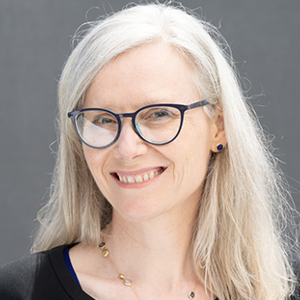
Ph.D., Co-Founder, BEVC
Biography
Rowan is a co-founder of BEVC an early stage VC firm investing in the intersection of life science, engineering, and computation. Over her career she has led the execution of dozens of equity investments and business deals. Rowan currently serves as an independent director at Natera, Inc. (NTRA), Cambridge Innovation Capital, Cellanome and CornerstoneAI. Previously she was regional Head of Johnson Johnson Innovation, Head of Healthcare Investing at GE Ventures and Head of Precision Diagnostics at GE Healthcare. Rowan was a partner at MDV for over a decade, investing in a wide variety of data-enabled companies including Adamas (IPO: A DMS), Pacific Biosciences (IPO: PACB), Par Allele Biosciences (Acq: A FFX), Personalis (IPO: PSNL), Sequenta (Acq: A DPT) and Verinata (Acq: ILMN). She was an early employee at Rosetta (IPO Acq: MRK) and Incyte (INCY) and is a co-founder of Initiate Studios. Rowan holds a PhD in Biochemistry from the University of Cambridge and carried out post-doctoral research at UCSF.
AI and Data Sciences Showcase:
BEVC
Early-stage venture capital enabling exceptional founders. Focus at the intersection of life sciences, engineering, and computation.
Speaker Profile
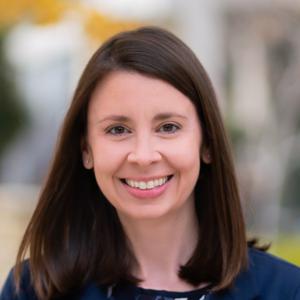
M.D., Ph.D., Assistant Professor, UCSF
Biography
Cathryn Cadwell leads a research program at UCSF dedicated to understanding the cellular architecture and circuit logic of the human cerebral. Her lab integrates single-cell genomics, electrophysiology, viral circuit mapping, human primary tissue and organoid models to uncover how cortical neurons develop, connect, and malfunction in neurological disorders. Dr. Cadwell pioneered innovative technologies such as Patch-seq, enabling multimodal characterization of single neuron morphology, physiology and gene expression. More recently, she has advanced scalable, sequencing-based approaches to connectomics using barcoded viral tools to link molecular cell types to circuit function. By combining human models with cutting-edge computational and experimental tools, she aims to reveal the cellular and circuit-level mechanisms underlying epilepsy. Her groups interdisciplinary approach bridges fundamental neuroscience, human biology, and translational insight, with the goal of informing next-generation strategies to restore healthy brain function.
Talk
Precision Pipelines: Accelerating Epilepsy Translation with DataJoint
Discover how the Cadwell Lab (UCSF) leverages DataJoint to power translational research for drug-resistant epilepsy. Learn how automated precision pipelines aim to unify multi-scale dataspanning single-cell genomics, physiology, morphology, and circuit models of human tissueto accelerate the development of novel regenerative cell therapies.
AI and Data Sciences Showcase:
UCSF
Cadwell Lab at UCSF deciphers human cortical cell types and circuits to map how diverse neurons assemble, connect, and malfunction in health and disease.
Speaker Profile
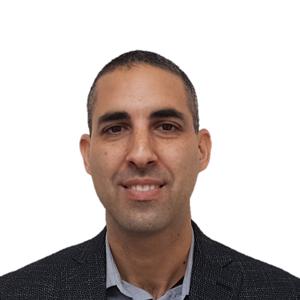
Ph.D., Co-Founder & CEO, Prism AI Tx
Biography
Dr. Zviran is an experienced entrepreneur, scientist, and executive with over 20 years of experience in the defense and life science industries. Dr. Zviran co-founded C2i Genomics, where he served as both CEO and CSO. He guided the company from its beginnings as an academic spin-off to a globally recognized industry leader, culminating in a successful exit. Currently, Dr. Zviran is the co-founder and CEO of Prism AI Therapeutics, an AI-driven multi-omics CDx Dx management company. Additionally, Asaf co-chair the Multi-OmicsAI working group at the BLOODPAC non-profit organization.
Talk
Proven Multi-Modal Biomarkers that Make Drugs Work
Prism AI’s proprietary quantum mechanics-derived AI/ML is uniquely able to transform noisy and high-dimensional multi-omic data into accurate, precise, actionable and mechanistically interpretable biomarkers from as few as 20 patients. Our predictors – of drug efficacy, toxicity, and targets – consistently validate, improving drug development success rates and expanding the patient addressable market.
AI and Data Sciences Showcase:
Prism AI Therapeutics
Prism AI provides a global SaaS platform for the development and commercialization of multi-omic diagnostic (Dx) and companion diagnostic (CDx) assets. Our proprietary quantum mechanics-based AI/ML overcomes the challenges of real-world small-cohort multi-omic data to discover and validate biomarkers that outperform all others. Our services are supported by an extensive network of molecular profiling lab partners.
Speaker Profile

Ph.D., Chief Science Officer, Datajoint
Biography
Dimitri Yatsenko is the scientific lead behind Data Joint, an open-source framework widely adopted across neuroscience for building reproducible, scalable, and fully automated data pipelines. Originally developed during his work at Baylor College of Medicine, Data Joint has become foundational infrastructure for labs generating large-scale electrophysiology, imaging, behavioral, and multimodal datasets. Dimitris work focuses on transforming fragmented research workflows into unified, auditable systems that integrate data acquisition, analysis, and computational modeling. Over more than a decade, he has championed data-centric research practices that accelerate discovery, improve scientific rigor, and enable collaborative, multi-institution neuroscience projects. His contributions have helped establish best practices for managing complex experimental data and have empowered researchers to connect raw measurements to higher-order insight with speed, transparency, and reproducibility.
Talk
Precision Pipelines: Accelerating Epilepsy Translation with DataJoint
Discover how the Cadwell Lab (UCSF) leverages DataJoint to power translational research for drug-resistant epilepsy. Learn how automated precision pipelines aim to unify multi-scale dataspanning single-cell genomics, physiology, morphology, and circuit models of human tissueto accelerate the development of novel regenerative cell therapies.
AI and Data Sciences Showcase:
Datajoint
DataJoint is a research-data platform that transforms fragmented lab workflows into automated, reproducible, and scalable data pipelines, enabling faster, reliable scientific discovery across modalities.
Speaker Profile
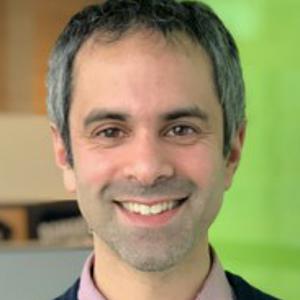
M.D., Ph.D., Chief of Product and Chief Medical Officer, Atman Health
Biography
Rahul Deo is a cardiologist and scientist with 15+ years of experience in academic medicine, most recently at the University of California, San Francisco, and Harvard Medical School, prior to co-founding Atman Health. He completed a PhD in Biophysics and postdoctoral training in Artificial Intelligence and trained in Internal Medicine at Brigham and Womens Hospital and Cardiology at Massachusetts General Hospital. His focus, both in academia and now at Atman Health, has been to bring technology to improve care, recognizing that a solution will require a deep understanding of both the biological complexity of the underlying diseases and the process of clinical management. He recognizes that the core of the problem is a fundamentally broken provider workflow that has resisted innovation, permitting marginal improvements, but no changes that will impact quality, access, or costs. He co-founded Atman Health to build a new model.
Talk
AI-Powered Specialty Care for Scaling, Complexity, and Quality
Despite significant investment, the same problems remain in healthcare: high costs, poor quality, and limited access. Our software, validated in high-risk populations, redefines the clinical process by using LLM-based clinical data ingestion to feed a transparent, deterministic decision-making engine. Downstream tasks are all automated, enabling outstanding outcomes in a fraction of the time.
AI and Data Sciences Showcase:
Atman Health
Atman Health’s mission is to transform specialty care through artificial intelligence-powered software that enables high-quality, high-complexity care in a fraction of the time.
Speaker Profile
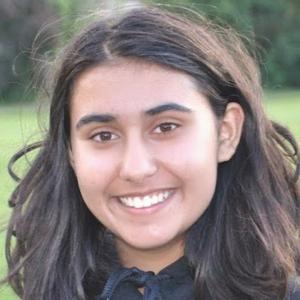
Founder & CEO, Eos AI
Biography
Arya Khokhar, founder of Eos AI, is building the essential data infrastructure layer for reliable healthcare AI. Driven by firsthand experience of seeing millions of dollars in AI research fail to reach the clinic due to data drift, her work is focused on solving data-level generalization failures. Her mission is to make fragmented, heterogeneous medical data usable across hospitals, pharma, and research, ensuring AI systems work reliably in real clinical environments. She has led research across medical imaging, multimodal learning, and clinical data harmonization, collaborating with academic medical centers and industry partners to deploy AI systems that translate beyond single institutions. Aryas work bridges research and production, emphasizing reliability, cost reduction, and trust in healthcare AI. Her mission is to make healthcare AI-native by fixing the data foundation beneath models rather than repeatedly retraining them.
Talk
Billing to Biomarkers: Making AI That Works
AI models trained on fragmented healthcare data often fail in deployment, eroding clinician trust and slowing scientific discovery. This talk explains why current approaches don't scale, and how fixing data upstream enables reliable downstream models for drug discovery and care delivery, reducing costs, accelerating experimentation, and improving care.
AI and Data Sciences Showcase:
Eos AI
Eos AI is the data infrastructure layer that makes healthcare AI reliable in the real world. By standardizing medical images and clinical text across institutions, we enable downstream models for drug discovery, clinical decision support, billing optimization, and long-term quality-of-care improvement.
Speaker Profile
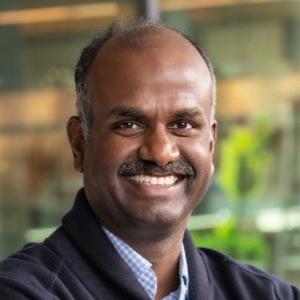
Founder & CEO, Onymos
Biography
Shiva Nathan is the founder of Onymos, a Silicon Valley-based software company building intelligent automation solutions for healthcare and life sciences. Before founding Onymos, Shiva was Head of Intuit's Platforms Services organization. He has also held technical leadership positions at Oracle and CA. These companies continue to leverage the products he helped define and build. He is an alumnus of BITS Pilani and UC Berkeleys Haas School of Business.
Talk
The Cost of Manual Work in Automated Labs
Most labs just automate their instruments, not the workflows around them. This session examines how and why manual document processing persists inside automated labs, from specimen accessioning to billing. It also shows how Onymos DocKnow closes that automation gap by extracting, validating, and analyzing structured and unstructured document data.
AI and Data Sciences Showcase:
Onymos
Onymos is building innovative automation software for the high-trust, high-stakes environments inside healthcare and life sciences. It helps organizations modernize their workflows and unlock the value of unstructured data without ever compromising security, compliance, or control.
Speaker Profile
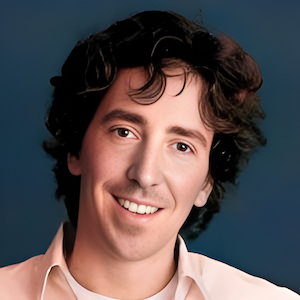
Founder / CEO, Haplotype Labs
Biography
Mike is the founder of Haplotype Labs. Previously, Mike served as the VP Chief Architect at 23and Me. Mike's tenure at 23and Me spanned a 15+ year category-defining journey from Series A through IPO and beyond. Prior to 23and Me, Mike was an early engineer at Salesforce. com and developed technology at Merrill Lynch. Mike holds a BS in CS from Cornell, a MS in Biomedical Informatics from Stanford, and multiple patents related to cloud computing, security, genetics, and machine learning.
Talk
HaploHub: The AI First EHR for Multi-Omic Precision Health
As a community, we are advancing our understanding how our systems, organs, tissues, and cell types deteriorate with age. Precision prevention increasingly depends on large 'omics profiles of each individual. We are building a shared EHR to store and interpret the 'omics cloud and invite each of you to contribute to it.
AI and Data Sciences Showcase:
Haplotype Labs
Haplotype Labs helps precision medicine organization predict detect and prevent disease using polygenic risk scores and multi-omic AI models.
Speaker Profile
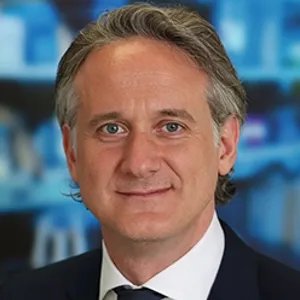
Ph.D., Director, City of Hope
Biography
Cristian Tomasetti, Ph. D., is director of the Center for Cancer Prevention, Early Detection and Monitoring at City of Hope, director of the Division of Mathematics for Cancer Evolution and Early Detection in the Department of Computational and Quantitative Medicine at Beckman Research Institute of City of Hope, and professor and director of the Division of Integrated Cancer Genomics at Translational Genomics Research Institute (TGen). Dr. Tomasetti is recognized internationally for his paradigm-shift contributions to the current understanding of cancer etiology and tumor evolution. By combining mathematical modeling, statistical analysis, and machine learning with experimental, epidemiological and DNA sequencing data, he has provided the first quantitative evidence for the significant role in cancer causation played by the normal, e. g., endogenous, accumulation of somatic mutations in the cells of the human body. As an applied mathematician, he currently leads the effort to develop novel blood tests and classification artificial intelligence algorithms for the early detection of cancer and monitoring of cancer patients. Before joining City of Hope and TGen, he was an associate professor of Oncology and Biostatistics at Johns Hopkins University with appointments in the Division of Biostatistics and Bioinformatics, in both the Department of Oncology (Sidney Kimmel Comprehensive Cancer Center) and the Department of Biostatistics (Bloomberg School of Public Health). Dr. Tomasetti holds a Ph. D. in applied mathematics from the University of Maryland, College Park (December 2010). After his Ph. D., he was a Ruth L. Kirschstein National Research Service Award Postdoctoral Fellow in the Department of Biostatistics at the Harvard School of Public Health and the Department of Biostatistics and Computational Biology at the Dana-Farber Cancer Institute (January 2011 through June 2013), after which he became a faculty member at Hopkins (assistant professor, July 2013 through December 2017).
AI and Data Sciences Showcase:
City of Hope
Speaker Profile

M.D., Ph.D., Co-founder and CEO, Prima Mente
Biography
Ravi is the co-founder of Prima Mente, a frontier research company building foundation models for biology. A former clinician and experimental neuroscientist, Ravi believes that AI - when built appropriately - can be transformative for all of biological discovery and medicine. He and his team are committed to curing diseases with the help of AI - starting with the hardest of them all: Alzheimer's Disease.
Talk
Foundation Models For Neurodegenerative Diseases
Foundation models offer the opportunity to understand complex and chronic conditions for the development of novel prognostics and therapeutic targets. When driven by specific biological and clinical questions, we show that appropriate data sets with novelties in modeling allow us to improve clinical outcomes and hypothesize novel mechanisms for new therapeutics for Alzheimer's and Parkinson's.
AI and Data Sciences Showcase:
Prima Mente
Prima Mente is a frontier biology AI lab. We generate our own data, build general purpose biological foundation models, and translate discoveries into research and clinical outcomes.
Speaker Profile

Product Strategy and Commercialization, Mithrl
Biography
Naomi Thomson works in Product Strategy and Commercialization at Mithrl, where we focus on translating AI-enabled analytics into practical, reproducible tools for biological discovery. She brings more than 30 years of experience working with molecular data across academic and industry settings, with deep expertise in next-generation sequencing, transcriptomics, and integrative data analysis.
Talk
From Analysis to Insight: AI as Co-Scientist
Advances in AI promise faster discovery, yet value depends on how scientists collaborate. This talk introduces Mithrl as a co-scientist designed to bridge biological and computational perspectives. Using published Alzheimer's and human heart organoid studies, we illustrate how AI-mediated interpretation improves communication, confidence, and insight without compromising reproducibility and transparency.
AI and Data Sciences Showcase:
Mithrl
Mithrl serves pharma and biotech researchers as an AI Co-Scientist, turning raw omics and other data into new candidates for biomarkers, targets, and other new hypotheses in minutes. Discovery and preclinical teams interact with Mithrl in natural language, bridging biologists and computational teams to uncover insights faster, gain a discovery edge, and move therapies from idea to patient more quickly.
Speaker Profile
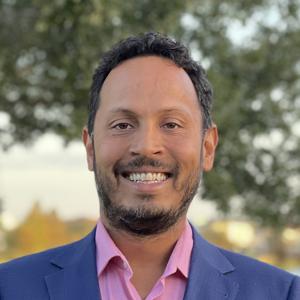
M.D., Ph.D., Director of AI, American Board for Precision Medicine; Founder & CEO, OncoNex
Biography
Dexter Hadley, MD PhD, is a physician-scientist and nationally recognized leader in clinical artificial intelligence, precision medicine, and open biomedical data science. He currently serves as Director of Artificial Intelligence at the American Board for Precision Medicine, where he leads national strategy for evaluating, governing, and integrating AI into precision medicine education and clinical practice. Dr. Hadley trained at Penn, Stanford, and UCSF, working under Atul Butte on NIH-funded translational bioinformatics, drug discovery, and open-data initiatives. He later became the inaugural Chief of AI at the University of Central Florida College of Medicine, embedding AI into the medical curriculum and research infrastructure. He secured the Casey De Santis Florida Cancer Innovation Grant before founding Mammo Chat, an open-source platform connecting patients to their clinical data. He now leads Onco Nex, Mammo Chat's oncology-wide evolution, enabling drug discovery, trial matching, and medical dividends through governed reuse of real-world data. His work translates biomedical research into deployable, enterprise-grade clinical platforms.
Talk
OncoNex: Precision Oncology That Pays Patients
OncoNex is a patient-centered precision oncology platform that turns real-world clinical data into shared evidence and medical dividends. Evolving from MammoChat's open-source foundation, it spans screening through survivorship, using interoperable standards, governed AI, and a verifiable ledger to keep patients central to discovery and value creation.
AI and Data Sciences Showcase:
OncoNex
OncoNex is a patient-centered precision oncology platform that transforms real-world clinical data into shared evidence and medical dividends. Evolving from MammoChat's open-source foundation, OncoNex uses interoperable standards, governed AI, and a cryptographically verifiable ledger to accelerate discovery, improve trial matching, and return value to patients across the oncology continuum.
Speaker Profile

M.D., Ph.D., CEO, Atapir
Biography
Art Wallace, M. D., Ph. D. is the CEO of Atapir as well as a professor and vice-chair of anesthesiology and perioperative care at the University of California, San Francisco and Chief of the Anesthesia Service at the Veterans Affairs Medical Center in San Francisco. His research has included multiple clinical projects including device development for monitoring, surgical therapy of heart failure, the off pump CABG, drug development, and testing. He is best known for his work developing medications for the prevention of perioperative cardiac morbidity and mortality. He was one of the developers of perioperative beta blockade. His current work includes setting up a nation-wide, big data, analytic system for anesthesia care in the VA including the VAs 30 million patient database. The current talk will focus on A VD-M monitoring which is new platform for continuous, remote, non-contact, machine vision based medical monitoring.
Talk
Atapir: Remote, Non-Contact, Continuous, Machine Vision Monitoring
Atapir has created a new platform for remote, non-contact, continuous, machine vision based medical monitoring of vital signs in hospital, nursing home, frail elderly at home, and telemedicine. Atapir's AVD-M monitor can monitor heart rate, respiratory rate, pulse oximetry, blood pressure, pain, mood, fall risk and other parameters as software as a monitor.
AI and Data Sciences Showcase:
Atapir
Atapir is a MedTech Company using machine vision and AI to create a new platform for medical monitoring. Atapir's software as a monitor, software as a service provides ambient input to agentic systems reducing patient morbidity and mortality.
Speaker Profile
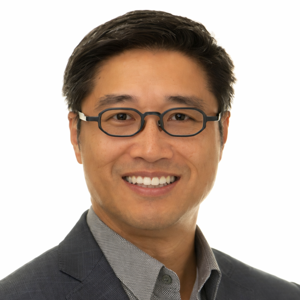
M.D., MBA, Co-Founder, Q Bio
Biography
Garry Choy, MD, MS, MBA is a physician-executive with experience across startups, health technology, payer organizations, and care delivery systems. His work has spanned product development, clinical quality improvement, provider data and network management, regulatory and medical affairs, clinical operations, commercialization, healthcare informatics, and data science.
Dr. Choy is a Co-Founder of Q Bio and previously served as its first Chief Medical Officer. He is also Co-Founder and former CMO/CCO of CredSimple (now Andros) and previously served as Assistant CMIO for Advanced Technologies at Massachusetts General Physicians Organization. He currently serves as Chief Clinical Transformation Officer within Enterprise Medical Affairs at UnitedHealth Group (Optum and UnitedHealthcare). Dr. Choy has served as faculty at Harvard Medical School and Harvard College and trained at Columbia, Stanford, Johns Hopkins, Albert Einstein College of Medicine, Brigham and Women’s Hospital, and Massachusetts General Hospital.
Talk
Q Bio - Operating System for Preventative Diagnostics
Overview and experience of how Q Bio has partnered with health systems to enable longevity and preventive-care programs through the Q Exam—an evidence-based assessment combining whole-body MRI with integrated blood, urine, and genetic biomarkers. The Q Exam establishes a longitudinal baseline for risk assessment, early disease detection, and more informed clinical decision-making over time.
AI and Data Sciences Showcase:
Q Bio
Q Bio provides the technology, analytics, and operational infrastructure to deliver the Q Exam—combining whole-body MRI and integrated biomarkers—to establish longitudinal baselines for preventive and longevity care and support scalable, provider-branded premium programs.
Speaker Profile

Ph.D., CEO, DataUnite
Biography
Trinabh is a pioneer in privacy-preserving technologies and a recognized expert in privacy and cybersecurity, having served as an Associate Professor at the University of California, Santa Barbara. As CEO of DataUnite, Trinabh leads the company’s strategic vision to enable biopharma and health systems to collaborate on real-world evidence and AI development without sharing or centralizing patient data. A co-developer of DataUnite’s core technology, he brings deep experience spanning academia and industry, with prior roles at Microsoft, IBM, NVIDIA, and VERA Security. His work centers on enabling multi-institution research, unlocking insights from structured and unstructured clinical data, and accelerating medical discovery while preserving privacy and trust.
Talk
Virtual Pooling: Reimagining Collaboration in Healthcare Data
The future of medicine depends on data distributed across many institutions, yet collaboration remains slow due to privacy and governance barriers. Virtual Pooling enables analysis of structured and unstructured EHR data across health systems without copying or centralizing it. This talk explores how the approach is accelerating real-world evidence generation and AI development.
AI and Data Sciences Showcase:
DataUnite
DataUnite enables life sciences teams and academic medical centers to collaboratively generate real-world evidence using federated analysis of structured and unstructured EHR data—without sharing or centralizing patient-level data. The platform supports multicenter studies, clinical-note endpoint extraction, and AI development directly within health-system environments.
Speaker Profile
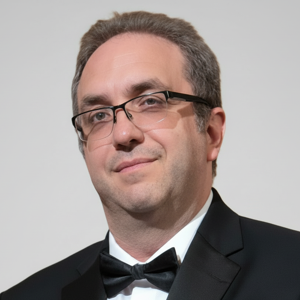
MBA, CFO, MegAITex
Biography
Seasoned executive and board advisor with over 20 years of leadership experience in governance, risk, compliance (GRC), cybersecurity, and AI-driven digital resilience.Has a proven track record of guiding global enterprises and fintech startups through complex regulatory landscapes, technology transformation, and operational scaling.Successfully built and scaled multimillion-dollar GRC practices, launched award-winning Financial products, and pioneered AI-based compliance solutions in collaboration with industry leaders like Google and Microsoft.
Talk
Diagnosis of Low-Grade Central Osteosarcoma
This presentation showcases a clinical case of low-grade central osteosarcoma often misdiagnosed as fibrous dysplasia. Using a ResNet-101 convolutional neural network for automated mitosis detection, AI accurately identified malignancy (up to 99% probability), aligning with expert diagnoses. The study highlights AIs promise to improve accuracy, reproducibility, and confidence in complex pathology.
AI and Data Sciences Showcase:
MegAITex
MegAITex is an AI-driven medical technology company developing deep learning solutions to enhance diagnostic accuracy and efficiency in pathology. Its platform leverages advanced neural networks to detect early signs of cancer and other diseases from digitized biopsy images, reducing diagnostic errors and enabling faster, more reliable clinical decisions.
Speaker Profile
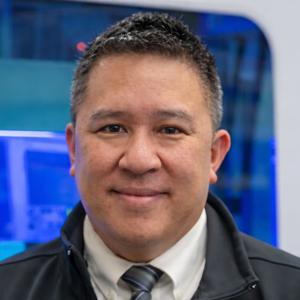
Ph.D., Associate Dean of Biobanking, U. of Pittsburgh
Biography
Dr. Tran is a board-certified high complexity laboratory director (HCLD) through the American Board of Bioanalysis. His personal mission is to develop, evaluate, and implement cutting-edge biosensor technologies to advance laboratory medicine and expand access to care. Dr. Trans clinical work focuses on creating synergistic diagnostic pathways that integrate highly automated centralized testing with mobile, near-patient, and point-of-care solutions. As an HCLD-boarded laboratory scientist, he has broad expertise across all technical domains of clinical pathology. His primary areas of specialization include clinical chemistry, molecular infectious disease testing, and point-of-care diagnostics.
Talk
Local Multi-Agent AI Systems for Diagnostics and Biorepositories
Locally deployed multi-agent AI systems have the potential to transform both biomedical research and healthcare delivery. This presentation highlights local multi-agent AI solutions developed at our Computational Pathology and AI Center of Excellence, spanning applications from biobanking operations to mobile field care.
AI and Data Sciences Showcase:
University of Pittsburgh
The Computational Pathology and AI Center of Excellence at the University of Pittsburgh is a premier center for clinical studies, innovation, education, research and ethical governance in AI and ML. Its goal is to transform medicine by using AI to detect disease earlier, more efficiently and more accurately to improve outcomes for patients.
Speaker Profile
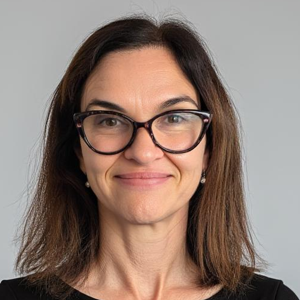
Ph.D., CEO, Sarpeda
Biography
Ivana Mikic focuses on developing AI-based methods that expand the information content of fluorescence microscopy without requiring changes to hardware or experimental workflows. Her work centers on extracting quantitative insight from complex biological systems and improving imaging data fidelity and experimental reproducibility, with applications across research, drug discovery, toxicology, and diagnostics. Over the past two decades, she has applied computer vision and multimodal AI to problems across life sciences, spanning digital pathology, fluorescence microscopy, spatial multi-omics, and organ-on-chip platforms. She previously co-founded Image Informatics and led it through a successful acquisition by Dassault Systèmes in 2016, and later built and led the AI team at Reveal Biosciences, acquired by Cell Carta in 2021.
Talk
Pushing Fluorescence Microscopy Beyond Optical Limits with AI
Fluorescence microscopy underpins modern life sciences, yet hardware constraints limit the amount and quality of data captured. This talk introduces Sarpedas AI-based, software-only approach to doubling the information density of fluorescence imaging while reducing noise and background, enabling richer biological insight across drug discovery, toxicology, and diagnostics without changing microscopes or workflows.
AI and Data Sciences Showcase:
Sarpeda
Sarpeda develops AI-based, software-only technology that doubles the effective information capacity of fluorescence microscopy. It enables high-plex imaging with standard antibodies and fluorophores while removing autofluorescence and other structured background, without hardware changes.
Speaker Profile
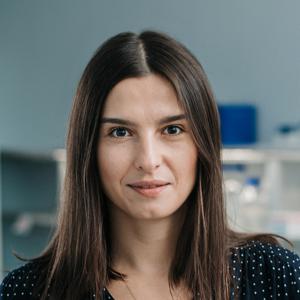
Ph.D., CEO, intoDNA
Biography
Magda founded intoDNA with a mission to make STRIDE® the new standard in DNA damage analysis and enable DNA break detection at a new precision. She has authored the publication and the patent on DNA damage analysis with STRIDE. With more than a decade of research experience in biophysics and cell biology, she leads intoDNA and the STRIDE technology into new business verticals to support consistently growing numbers of customers in diagnosing DNA damage in yet new areas. Magda earned her PhD in Cell Biophysics from Jagiellonian University and was a visiting PhD student at UC Davis, Cold Spring Harbor Laboratory and UMass Medical School.
Talk
AI-Enabled Functional Biomarkers of Replication Stress and DNA Repair
We present a proprietary suite of functional assays and AI powered digital pathology software that quantify replication stress, DNA damage, and repair activity in situ for precision oncology.
AI and Data Sciences Showcase:
intoDNA
intoDNA is a precision medicine company pioneering functional biomarkers that directly measure DNA damage repair pathway activity. Its proprietary STRIDE® platform delivers ultra-sensitive, in situ functional insight not inferable from genomics alone. STRIDE supports biopharma research today and is advancing toward diagnostic and companion diagnostic applications, including dSTRIDE™-HR for functional HRD assessment to improve patient stratification and accelerate drug development.
Speaker Profile
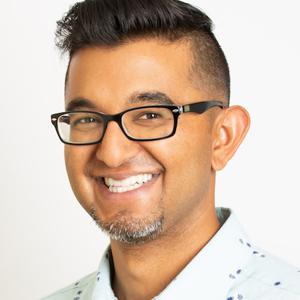
Ph.D., Chief AI Officer, Manifold AI
Biography
Manifold is the AI platform for life sciences, accelerating life-changing medicines to patients. As CAIO at Manifold, I lead the development of AI agents that 10x scientific workflows in genomics, precision medicine, and bioinformaticsaccelerating life-changing medicines to patients. Previously, I built A IML products at Google and Nest prior to the Google acquisition. I've worked in algorithms and software my whole career, from power grid forecasting at Auto Grid to wireless communications at Qualcomm. I hold a number of patents for my work and have been published in several journals. I earned my PhD, MS, and BS degrees in EECS from MIT.
Talk
Drug development relies on fast access to the right biological data. See how Manifold connects pharma teams with high-quality genomics, clinical, and real-world datasetsenabling biomarker discovery and trial design in weeks while providing data owners with enterprise-grade delivery infrastructure.
AI and Data Sciences Showcase:
Manifold AI
Manifold is the AI platform for life sciences, accelerating life-changing medicines to patients. Our products speed up workflows in areas from target identification and clinical development to market access and precision medicine in the clinic, while maintaining the governance life sciences requires. Global companies and premier research institutions use Manifold to operate faster and more effectively.
Speaker Profile
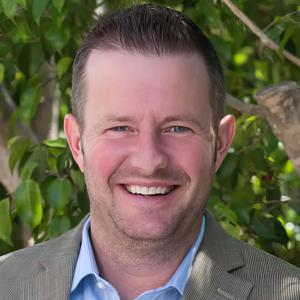
CEO, Acurion
Biography
As CEO of Acurion, Inc., Rick leads a seasoned and diverse leadership team, guiding the
company through key regulatory milestones and into commercial growth. Rick brings a strong track record of scaling both nonprofit and for-profit
organizations.
Prior to Acurion, Rick was a Partner at First Capital Accelerator, where he focused on
fundraising, evaluating investment opportunities, and supporting the growth of early -
stage portfolio companies. From 2010 to 2024, he served as Senior Vice President and
Chief Business Officer at Biocom California. In this role, he was instrumental in driving
statewide expansion, business development, and strategic partnerships, while
overseeing the Biocom Purchasing Group. He also established Biocom’s presence in Los
Angeles and the Bay Area and served as the organization’s first Executive Director in
San Diego. In his various roles at Biocom he has helped hundreds of small and mid-sized
life science companies advance their missions.
Talk
Making Precision Medicine Real for Patients Worldwide Using AI
Acurion is transforming frontline cancer diagnosis with OncoGaze™, an AI platform that delivers NGS-equivalent genomic insights instantly from a digital biopsy—removing the cost and delays of traditional sequencing and expanding access to precision oncology worldwide.
AI and Data Sciences Showcase:
Acurion
Acurion is transforming frontline cancer diagnosis with OncoGaze™, an AI platform that delivers NGS-equivalent genomic insights instantly from a digital biopsy—removing the cost and delays of traditional sequencing and expanding access to precision oncology worldwide.
Speaker Profile

Ph.D., CDO, Oxford BioDynamics
Biography
Ewan with 20 years of experience in the biotech industry, spanning technical leadership in statistics, computational biology as well as senior, business-focused roles. He has held positions at several leading organizations, including Silicon Genetics, Agilent Technologies, Thomson Reuters, and Selventa.
He earned his undergraduate degree in Biochemistry from the University of Edinburgh and completed his PhD at King’s College London (formerly Guy’s & St Thomas’ Medical School), where his research focused on the temporal analysis of brain development.
Ewan joined OBD in 2012 and has played a pivotal role in shaping the company’s early biomarker strategy. His work has included the development of statistical data pipelines, feature engineering approaches, and machine learning solutions. More recently, he has led a dedicated team of biological data scientists applying semantic parsing techniques to build a comprehensive knowledge graph that integrates established biological knowledge with OBD’s proprietary 3D genomic data, culminating in the development of EpiSwitch® Orion.
Talk
Unfolding the Genome's "Natural Intelligence” with EpiSwitch Orion
DNA "Natural Intelligence"—a 3D control system that determines when genes turn on or off. EpiSwitch Orion maps this hidden structure, revealing how genetic control is disrupted in disease. By analyzing individual and population data, it turns static DNA into actionable insights for targeted therapies.
AI and Data Sciences Showcase:
Oxford BioDynamics
Oxford BioDynamics Plc (OBD) is a global biotechnology company, advancing personalized healthcare by commercializing precision medicine tests. The Company's product portfolio is based on a proprietary 3D genomic biomarker platform, EpiSwitch®, built for the prediction of response to therapy, patient prognosis and disease diagnosis.
Speaker Profile
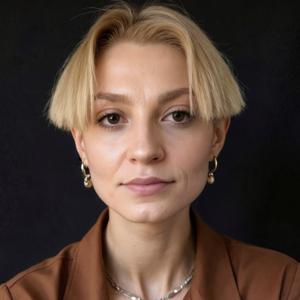
BA Hons, Director of Client Advisory and Consulting, Excelra
Biography
Lavinia has built a career at the intersection between strategy and complex scientific challenges, and scalable data solutions. The outcomes of these initiatives have been leveraged throughout biopharma organisations to support critical decision-making. She holds a First Class Hons in Medical Sciences from the University of Oxford, and is widely published key opinion leader, providing innovative drug development intelligence, and has numerous papers in peer-reviewed journals.
Currently, Lavinia leads the Client Advisory and Consulting team at Excelra, the leading biopharma R&D data and technology provider, where she works with clients to address two of the industry's most pressing challenges: data integration and interoperability, and AI readiness.
Talk
Linking Biology and Chemistry: Integrating Transcriptomics with Structure Activity Relationships
Why do structurally similar compounds produce different cellular responses? Answering this requires connecting chemistry to biology. In this session we use generative AI to enable multimodal integration of transcriptomic perturbation data with curated SAR intelligence, unlocking mechanistic insights that neither dataset delivers alone.
AI and Data Sciences Showcase:
Excelra
Excelra partners with leading pharmaceutical and biotech companies to transform complex scientific data into actionable intelligence, offering AI-enabled solutions spanning bioinformatics, scientific informatics, and custom data curation, to get better drugs to patients faster.
Speaker Profile

Founder & CEO, Trinzz
Biography
Trina Das builds data infrastructure enabling frontier AI systems to work reliably in precision medicine and diagnostics. She is the founder of Trinzz, a data platform designed to convert complex, multimodal medical data into high-fidelity, regulatory-ready datasets for training and evaluating diagnostic AI models. Combining expert-in-the-loop workflows, automation, and rigorous quality controls, Trinzz addresses data noise, bias, and distribution shift, empowering reliability in medical AI.
Her work focuses on how real-world clinical data can be responsibly structured, annotated, and validated for AI models across diagnostic modalities including DICOM, NIfTI, ultrasound, digital pathology, and volumetric imaging. Trina’s background includes building and scaling large distributed systems across education and workforce technology, developing expertise in human-AI collaboration, quality standardization at scale, and incentive-aligned expert networks.
Her contributions is recognized internationally, including Forbes 30Under30, Harvard alumni honoree and recognition at the White House by President Barack Obama as one of the most impactful emerging leaders under 25.
Talk
The Data Problem Behind Medical AI
Despite impressive model benchmarks, most medical AI systems break in real clinical settings and data edge cases. This session explores the hidden data pathologies behind failure, from annotation bias to distribution shift, and outlines how trustworthy data pipelines enable AI systems that meaningfully impact precision medicine and longevity.
AI and Data Sciences Showcase:
Trinzz
Trinzz builds the foundational data infrastructure powering frontier-scale medical AI. It transforms complex, multimodal clinical data into reliable training and evaluation datasets using expert networks, automation, and clinical-grade quality assurance.
Speaker Profile
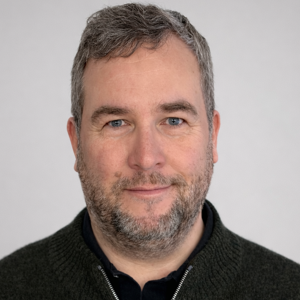
Ph.D., CEO, Switchpoint Bio
Biography
Samuel Myllykangas focuses on translating advances in immune epigenetics and genomics into practical tools that help researchers and pharmaceutical teams better understand how the immune system drives disease. His work centers on making immune system state measurable from a simple blood sample and turning this insight into a scalable data layer for research and drug development.
Earlier in his career, Samuel worked in leadership roles in specialty genetics at Quest Diagnostics and was a founder of Blueprint Genetics, a global rare disease diagnostics company. Throughout his career, he has operated at the intersection of genomics, immunology, and precision medicine, with a long-standing interest in turning complex biology into actionable insight that can improve how disease is studied and ultimately prevented.
Talk
Making the Immune System Measurable at Scale
Most human diseases are influenced by immune system behavior that we have not been able to measure in practice. Immune epigenetics represents a new measurable data layer that can help researchers and drug developers better understand disease biology, patient variability, and how immune regulation shapes health over time.
AI and Data Sciences Showcase:
Switchpoint Bio
Switchpoint Bio is building a new biological data layer based on immune epigenetics, enabling immune system state to be measured from a simple blood sample. The company works with research and pharmaceutical partners to translate this insight into practical applications for understanding disease and patient variability.
Speaker Profile

MS, Founder, CEO, OmicXHealth
Biography
Mythili Subharam is the founder and CEO of OmicXHealth, a software-first precision diagnostics company developing a platform for disease detection using cfDNA methylation and machine learning.
OmicXHealth is built around a “sequence once, analyze many times” architecture that decouples disease detection from the wet-lab assay through software-defined model orchestration. The platform’s initial clinical focus is liver cancer screening and liver disease stratification, where pre-clinical validation has been completed using biobank plasma samples. The company is currently advancing blinded evaluation studies with clinical key opinion leaders while expanding the platform to support additional disease areas.
Mythili has over 25 years of experience building and scaling data-driven software platforms across enterprise and consumer technology, with a focus on translating complex systems into practical, real-world solutions. Her work at OmicXHealth sits at the intersection of genomics, AI, and translational medicine, emphasizing rigorous data analysis, biological interpretability, and clinical relevance.
Talk
AI/ML-Driven Multi-Omic cfDNA Analysis for Disease Detection
OmicXScreen is a software-defined platform decoupling disease detection from the wet-lab assay. Using a single, standardized cfDNA sequencing workflow, the system integrates methylation and fragmentomic signals to orchestrate multiple disease-specific ML models. This enables early detection in high-risk patients and efficient biomarker-driven clinical trial enrollment. Expansion to additional diseases requires no wet-lab assay redesign.
AI and Data Sciences Showcase:
OmicXHealth
OmicXHealth, a software-first precision diagnostics company developing a platform for disease detection using cfDNA methylation and machine learning. The platform’s initial clinical focus is liver cancer screening and liver disease stratification, where pre-clinical validation has been completed using biobank samples. The company is currently advancing blinded validation studies with clinical KOLs while expanding the platform to support additional diseases.
Speaker Profile

Ph.D., Founder, CTO, Cofactor Genomics
Biography
Jarret Glasscock is a geneticist and computational biologist. Prior to co-founding Cofactor Genomics, Jarret was faculty in the Department of Genetics at Washington University and part of The Genome Institute. While at WashU, he was involved in the Human Genome Project, published the first Cancer Genome, lead the Institute’s Computational Biology Group, and was part of the Institute’s Technology Development Group tasked with characterizing the first RNA-seq experiments on early instruments such as 454 and Illumina/Solexa(Serial #1). Jarret’s work to leverage signals in RNA to propel Precision Medicine Initiatives has been covered by Genetic Engineering News (GEN), Tech Crunch, STAT News, and Wired Magazine. He is a member of the Personalized Medicine Coalition, International Society for Computational Biology, American Association for Cancer Research and is a Y Combinator Alum.
Talk
AI-Derived RNA Profiles Predict Immunotherapy Treatment Response
RNA sequencing and AI-driven Health Expression Models (HEMs) decode the tumor immune microenvironment to characterize cell types, disease state, and treatment response. This predictive immunotherapy diagnostic platform has achieved Medicare coverage and demonstrated 300–400% improvement in accurately predicting patient benefit versus current standard-of-care biomarkers.
AI and Data Sciences Showcase:
Cofactor Genomics
Cofactor Genomics is a commercial-stage precision diagnostics company transforming healthcare by decoding RNA with AI-driven Health Expression Models to characterize disease and predict therapy response. Through its clinically validated, Medicare-approved platform, Cofactor is redefining how immunotherapy decisions are made nationwide.
Speaker Profile

M.D., Chief Medical Officer, BostonGene
Biography
Nathan Fowler, M.D. is the Chief Medical Officer at BostonGene. Dr. Fowler provides strategic direction for BostonGene, a biomedical software company committed to defining optimal precision medicine-based therapies for cancer patients. Dr. Fowler brings more than 20 years of patient care experience to BostonGene, most recently as a Professor of Medicine in the Department of Lymphoma/Myeloma at the University of Texas, MD Anderson Cancer Center. Dr. Fowler received his medical degree from the University of Texas, having completed his internship and residency there as well. He went on to complete a fellowship in hematology/oncology at Georgetown University Hospital in Washington D.C. At MD Anderson Cancer Center, Dr. Fowler focused on developing groundbreaking new therapies for cancer patients and led the clinical research and new drug development programs for nearly ten years. He has published over 175 articles in peer-reviewed journals and is a regularly invited speaker at major conferences.
AI and Data Sciences Showcase:
BostonGene
BostonGene is redefining cancer care and drug development by integrating genomic, transcriptomic, immune, and clinical data through AI to generate actionable insights. These insights help biopharma partners design better trials, identify novel targets, predict therapeutic responses prediction across all stages of development while simultaneously improving patient care through clinically integrated innovation.
Speaker Profile

Cofounder and CTO, Hexo AI
Biography
Focused on building an AI scientist that can solve hard open-ended scientific problems autonomously
Talk
Autonomous AI scientist for Discoveries and Inventions
How autonomous AI scientist systems make novel discoveries and Inventions, their current state-of-the-art methodology and challenges
AI and Data Sciences Showcase:
Hexo AI
Building an AI scientist for a hard, open-ended scientific task
Speaker Profile
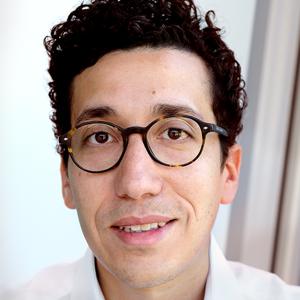
SVP & GM, AI Products, Tempus
Biography
Razik Yousfi is the SVP and GM of AI Products at Tempus, where he leads multi-modal Foundation Model initiatives and the development of AI products for Life Sciences and clinical care. He previously served as CEO and CTO of Paige AI, a pioneer in AI for computational pathology, through its acquisition by Tempus in 2025.
Razik is recognized for bridging deep technical expertise with executive leadership to deliver high-impact, AI-enabled solutions. A proponent of lean product development, he specializes in building and motivating cross-functional teams to solve complex problems. He is driven by a passion for creating customer-centric products at the intersection of data and AI—ultimately advancing a new generation of precision medicine tests that improve patient outcomes.
Talk
Foundation Models in Oncology: From Data to Clinical Decisions
This showcase will focus on the use and applications of multi-modal Foundation Models built on a wide range of diverse and premium data, from histopathology images to genomic sequencing. These Foundation Models serve as the AI springboard for a new era of precision medicine tests and novel drugs, powering better therapies for improved patient outcomes.
AI and Data Sciences Showcase:
Tempus
A technology company leading the adoption of AI to advance precision medicine.
Speaker Profile
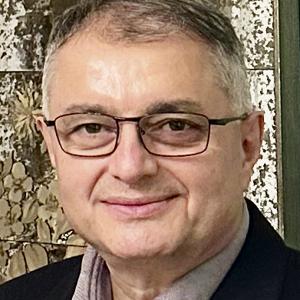
Ph.D., Founder, CEO and Chief Technology Officer, KehaAI
Biography
Currently, Vahram Mouradian focuses on pioneering AI-driven integrated ecosystems for a new generation of wearable medical devices at KehaAI, Inc. His work uniquely converges electronic integrated biosensors with fundamental clinical research to drive digital transformation in healthcare technology.
With a career spanning over 30 years, he brings extensive expertise in semiconductor technology, clinical research, and multi-vital human physiology modeling. Throughout his career, he has achieved clinical relevance in wearables by bridging the gap between hard science and practical application.
Previously, Vahram held key leadership positions where he specialized in translating fundamental research into innovative technologies and scaling high-growth teams. Known for a collaborative approach, he is passionate about applying cutting-edge science to solve complex physiological challenges. Based in Plano, Texas, he focuses on leading strategic initiatives that seamlessly integrate technical execution with measurable business impact.
Talk
Enabling calibration-free clinical-grade Blood Pressure (BP) wearable ring
We present kRing, the first medical grade wearable ring being developed to enable calibration free, continuous blood pressure monitoring for patients and caregivers. This breakthrough integrates artificial intelligence with clinically proven sensing to transform hypertension management and remote patient monitoring.
AI and Data Sciences Showcase:
KehaAI, Inc.
Medical technology company focused on developing advanced, non-invasive sensing technologies. By combining clinical rigor with innovative AI, KehaAI is dedicated to creating wearable solutions that empower individuals and healthcare providers in the proactive management of chronic conditions.