Session Abstract – PMWC 2026 Silicon Valley
Track Chair:
Catriona Jamieson, UCSD
Opening talk
• Catriona Jamieson, UCSD
PMWC Award Ceremony
• Judy Faulkner, Epic
• Alexis C. Komor, UCSD
What’s Next at Epic?
• Judy Faulkner, Epic
• Peter DeVault, Epic
RNA Therapeutics Beyond mRNA: siRNA, ASOs, and snRNA
• Chair: Alexis C. Komor, UCSD
• Niren Murthy, UC Berkeley
• Gene Yeo, UCSD
• Reuben Harris, UT Health San Antonio
Stem Cell-Targeted Therapeutics: Small Molecules & Biologics
• Chair: Catriona Jamieson, UCSD
• Irving L. Weissman, Stanford
Space-Omics & Stem-Cell Adaptation
• Chair: Catriona Jamieson, UCSD
• Alysson Muotri, UCSD
In Vivo Gene Therapies
• Chair: Gene Yeo, UCSD
• Mark A Kay, Stanford
• David Schaffer, UC Berkeley
Diagnostics, Prognostics, and Patient Stratification
• Chair: Ezra Cohen, Tempus
• Gudrun Stengel, Alida Biosciences
• Jarret Glasscock, Cofactor Genomics
• "Phil Febbo, Veracyte
Bioprinting Transplantable Liver: mRNA-Driven Multi-Lineage Differentiation from Autologous iPSCs
• Jiwu Wang, The Scintillon Institute
A New Era in Heart Failure Treatment: Delivering on the Promise of iPSC-Derived Cardiomyocyte Therapy
• Eugene Wang, Help Therapeutics
Closing Talk
• Catriona Jamieson, UCSD
Speaker Profile


M.D., Ph.D., Director, Sanford Stem Cell Institute, UCSD Health
Biography
Catriona Jamieson is a leading physician scientist who has specialized inmyeloproliferative neoplasms (MP Ns) and leukemia. She discoveredmissplicing, RNA hyperediting, and splice isoform switching as mechanismsgoverning human cancer stem cell maintenance in selective niches. Thesediscoveries have helped to shed light on the underlying mechanisms of cancer and have opened up new avenues for targeted therapies. Dr. Jamieson's contributions to the field of precision medicine include herpivotal role in the rescue and development of the JAK inhibitor fedratinibfor the treatment of myelofibrosis. Additionally, she is known for herunwavering dedication to advancing innovative therapies and her outst and ingleadership as the director of the Sanford Stem Cell Institute at UCSD andas a co-founder of Impact Biosciences and Aspera Biomedicines.
Speaker Profile
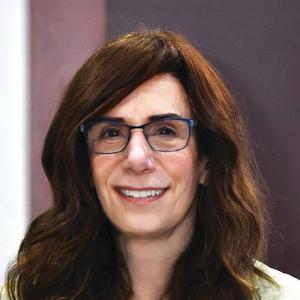

PMWC PIONEER AWARD
Founded Epic, building the EHR backbone for data-driven care
Founder and CEO, Epic
Biography
Judy Faulkner, founder and CEO of Epic Systems, has significantly impacted precision medicine by pioneering the integration of genomic data into electronic health records, notably through Epics Aura platform, which enables tailored treatment strategies based on individual genetic profiles. Under her leadership, the Cosmos initiative has facilitated the aggregation of extensive de-identified patient data, substantially advancing clinical research and informed medical decision-making. Additionally, by embedding advanced AI technologies into Epic's systems, she has streamlined clinical workflows, aiding healthcare providers in documentation and patient communication. Epics extensive global presence, managing hundreds of millions of patient records, reflects Faulkner's profound influence on the healthcare landscape, further highlighted by her philanthropic commitment to reducing health disparities and improving healthcare accessibility.
Speaker Profile
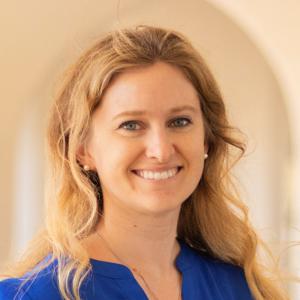

PMWC LUMINARY AWARD
Co-invented CRISPR base editing for precise single-letter DNA changes
Ph.D., Associate Professor, UCSD
Biography
Alexis C. Komor is a pioneering genome‑editing researcher who co‑developed the first CRISPR base editors with David Liu at the Broad Institute. Her work established base editing as a new class of genome engineering tools that enable precise single‑nucleotide changes in DNA without double‑strand breaks, laying the foundation for correcting disease‑causing point mutations with high precision. She continues to lead efforts to translate these innovations into direct in vivo therapeutics, including strategies to deliver base editors via mRNA and other nucleic‑acid platforms to repair genes within patients’ cells. As her work established the scientific foundation of Beam Therapeutics, Komor has helped drive the clinical development of base editing, underscoring the broad impact of her work on programmable gene editing and precision medicine. Her groundbreaking contributions are influencing a new generation of in vivo RNA and gene‑based therapies (spanning mRNA, siRNA, and antisense oligonucleotide modalities) and inspiring novel small‑molecule approaches to treat genetic diseases.
Talk
Base editors facilitate the introduction of point mutations into the genome of live cells with high efficiencies and precision via targeted nucleobase chemistry. In this talk I will describe my lab's efforts to develop new base editing methodologies and their application to correcting disease-causing mutations.
Speaker Profile


M.D., Chief Medical Officer of Oncology, Tempus
Biography
Dr. Cohen is a leading medical oncologist and cancer researcher who bringsa unique combination of extensive clinical and research experience to Tempus leadership team. He was most recently the Chief of the Division of Hematology-Oncology as well as the Associate Director of Clinical Scienceat UC San Diego (UCSD) Moores Cancer Center. Dr. Cohen also led the Precision Immunotherapy Clinic and co-directed the San Diego Center for Precision Immunotherapy at UCSD. Before UCSD, Dr. Cohen spent 15 years at the University of Chicago, where he was the co-director of the Head and Neck Cancer Program as well as the Hematology Oncology Fellowship Program Director.
Speaker Profile
M.D., Ph.D., Director, Sanford Stem Cell Institute, UCSD Health
Biography
Catriona Jamieson is a leading physician scientist who has specialized inmyeloproliferative neoplasms (MP Ns) and leukemia. She discoveredmissplicing, RNA hyperediting, and splice isoform switching as mechanismsgoverning human cancer stem cell maintenance in selective niches. Thesediscoveries have helped to shed light on the underlying mechanisms of cancer and have opened up new avenues for targeted therapies. Dr. Jamieson's contributions to the field of precision medicine include herpivotal role in the rescue and development of the JAK inhibitor fedratinibfor the treatment of myelofibrosis. Additionally, she is known for herunwavering dedication to advancing innovative therapies and her outst and ingleadership as the director of the Sanford Stem Cell Institute at UCSD andas a co-founder of Impact Biosciences and Aspera Biomedicines.
Speaker Profile
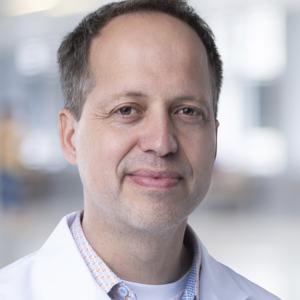

Ph.D., Department Chair and Professor, UT Health San Antonio
Biography
Dr. Reuben Harris is an investigator of the Howard Hughes Medical Institute (HHMI) and chair of the Biochemistry and Structural Biology department at University of Texas Health San Antonio. Dr. Harris is an international leader in the fields of virology and cancer biology with over 250 publications. He is especially well-known for discovering the A POBEC family of DNA cytosine deaminase, the physiological functions of several of these enzymes in innate antiviral immunity, and the pathological roles of at least two of these enzymes in cancer mutagenesis and tumor evolution. These breakthroughs have created new opportunities for anti-viral and anti-cancer drug development and have helped enable novel genome engineering technologies. Dr. Harris is also dedicated to training and mentoring the next-generation of scientists.
Speaker Profile
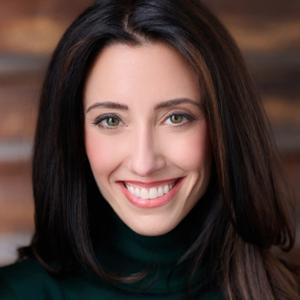

Ph.D., VP, Orphan Diseases, Tempus
Biography
Danielle brings a decade-plus of leadership in rare disease therapeutics, having managed cross-functional teams in both biotechnology startups and major pharmaceutical firms. She is highly regarded for her expertise in the strategic development of AI-enabled diagnostic tools, accelerating the identification and treatment of rare conditions. Her portfolio includes overseeing clinical research, business development, and patient engagement, with a strongcommitment to improving health outcomes among underserved populations. Danielle holds advanced degrees in both science and business administration.
Speaker Profile


M.D., Professor, Stanford
Biography
1988-1992, Dr. Weissman and colleagues isolated the firstblood-formingstem cells in mice and humans and successfully isolated human Leukemiacancer stem cells in 2000. His laboratories also discovered thehuman HSC, a human brain-forming stem cell population, mouse skeletalmuscle stemcells, and an osteochondral stem cell in mice. His work anddiscoveries onstem cell aging contributed to the understanding of cancerstem cells and the immune system and are pioneering achievements withfar-reachingclinical applications. Recently, Dr. Weissman and hiscolleaguesidentified a protein, CD47, that is highly expressed duringthe latestages of cancer stem cell progression and is currently beingstudied as apotential cancer therapeutic. Dr. Weissman, a proven leader in the fieldof cancer stem cell biology, founded three companies focusedon bringingstem cell therapies into the clinic. He was also on thefounding Scientific Advisory boards of companies Amgen, DNAX, and T Cell Sciences.
Speaker Profile
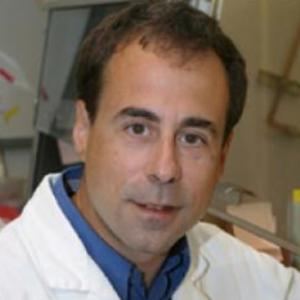
M.D., Ph.D., Professor, Stanford
Biography
Mark A. Kay, is the Dennis Farrey Family Professor in the Departments of Pediatrics and Genetics, and Head of the Division of Human Gene Therapy in Pediatrics at the Stanford University School of Medicine. Dr. Kay was an assistantassociate professor at the University of Washington in the Department of Medicine from 1993-1998 before moving to Stanford. Dr. Kays group has published over 275 papers in leading journals. Dr. Kay is most well-known for his contributions in the field of gene-based therapeutics and non-coding RNA biology specifically related to microRNA biogenesis and tRNA derived small RN As. Dr. Kay is one of the founders of the American Society of Gene and Cell Therapy and served as the President in 2005-2006 and received the societys outstanding investigator award in 2013. In 2021, he was elected to the National Academy of Inventors. He spends much of his spare time doing landscape and nature photography.
Speaker Profile
M.D., Ph.D., Director, Sanford Stem Cell Institute, UCSD Health
Biography
Catriona Jamieson is a leading physician scientist who has specialized inmyeloproliferative neoplasms (MP Ns) and leukemia. She discoveredmissplicing, RNA hyperediting, and splice isoform switching as mechanismsgoverning human cancer stem cell maintenance in selective niches. Thesediscoveries have helped to shed light on the underlying mechanisms of cancer and have opened up new avenues for targeted therapies. Dr. Jamieson's contributions to the field of precision medicine include herpivotal role in the rescue and development of the JAK inhibitor fedratinibfor the treatment of myelofibrosis. Additionally, she is known for herunwavering dedication to advancing innovative therapies and her outst and ingleadership as the director of the Sanford Stem Cell Institute at UCSD andas a co-founder of Impact Biosciences and Aspera Biomedicines.
Speaker Profile
M.D., Ph.D., Director, Sanford Stem Cell Institute, UCSD Health
Biography
Catriona Jamieson is a leading physician scientist who has specialized inmyeloproliferative neoplasms (MP Ns) and leukemia. She discoveredmissplicing, RNA hyperediting, and splice isoform switching as mechanismsgoverning human cancer stem cell maintenance in selective niches. Thesediscoveries have helped to shed light on the underlying mechanisms of cancer and have opened up new avenues for targeted therapies. Dr. Jamieson's contributions to the field of precision medicine include herpivotal role in the rescue and development of the JAK inhibitor fedratinibfor the treatment of myelofibrosis. Additionally, she is known for herunwavering dedication to advancing innovative therapies and her outst and ingleadership as the director of the Sanford Stem Cell Institute at UCSD andas a co-founder of Impact Biosciences and Aspera Biomedicines.
Speaker Profile
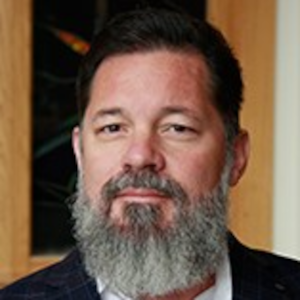
Vice President, Genomics and Interoperability, Epic
Biography
Since joining Epic nearly 30 years ago with a background in physics and mathematics, Peter has worked with some of the world’s most forward-looking healthcare institutions to design, develop, and implement a broad array of technology for oncology, precision medicine, and interoperability. Today, Peter continues to work at the intersection of genomics and artificial intelligence to bring these technologies to the greatest number of people.
Speaker Profile
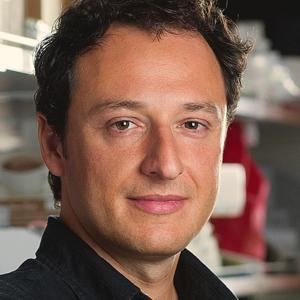
Ph.D., Professor, Director, UCSD
Biography
Dr. Muotri earned a BSc in Biological Sciences from the State University of Campinas in 1995 and a Ph. D. in Genetics in 2001 from the University of Sao Paulo in Brazil. He moved to the Salk Institute as Pew Latin America Fellowin 2002 for a postdoctoral training in the fields of neuroscience and stemcell biology. He has been a Professor at the School of Medicine, University of California in San Diego since late 2008. His research focuses onmodeling neurological diseases, such as Autism Spectrum Disorders, usinghuman induced pluripotent stem cells and brain organoids. He has receivedseveral awards, including the prestigious NIH Directors New Innovator Award, NARSAD, Emerald Foundation Young Investigator Award, Surugadai Awardfrom Tokyo University, Rock Star of Innovation from CONNECT, NIH EUREKA Award, among others.
Speaker Profile
M.D., Ph.D., Director, Sanford Stem Cell Institute, UCSD Health
Biography
Catriona Jamieson is a leading physician scientist who has specialized inmyeloproliferative neoplasms (MP Ns) and leukemia. She discoveredmissplicing, RNA hyperediting, and splice isoform switching as mechanismsgoverning human cancer stem cell maintenance in selective niches. Thesediscoveries have helped to shed light on the underlying mechanisms of cancer and have opened up new avenues for targeted therapies. Dr. Jamieson's contributions to the field of precision medicine include herpivotal role in the rescue and development of the JAK inhibitor fedratinibfor the treatment of myelofibrosis. Additionally, she is known for herunwavering dedication to advancing innovative therapies and her outst and ingleadership as the director of the Sanford Stem Cell Institute at UCSD andas a co-founder of Impact Biosciences and Aspera Biomedicines.
Speaker Profile


Ph.D., Professor, UC Berkeley
Biography
Dr. Niren Murthy is a professor in the Department of Bioengineering at the University of California at Berkeley and a member of the Innovative Genomics Institute. Dr. Murthys scientific career has focused on the molecular design and synthesis of new materials for drug delivery and molecular imaging. The Murthy laboratory is currently focused on developing next generation lipid nanoparticles that can deliver mRNA and gene editing enzymes in vivo. Several start-up companies and licenses have been generated from the laboratory, in particular, the start-up companies Gen Edit, Bio Amp Diagnostics, Microbial Medical and Opus Biosciences were formed based upon research conducted in the Murthy lab.
Speaker Profile
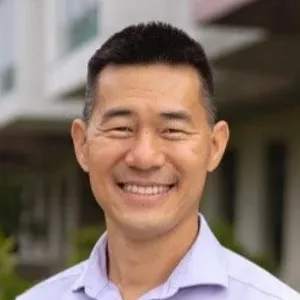
Ph.D., Professor, UCSD
Biography
Gene is a Professor of Cellular and Molecular Medicine at the University of California, San Diego (UCSD). Dr. Yeo has a BSc in Chemical Engineering and a BA in Economics from the University of Illinois, Urbana-Champaign, a Ph. D. in Computational Neuroscience from Massachusetts Institute of Technology and an MBA from the UCSD Rady School of Management. Dr. Yeos research interest is in understanding and manipulating RNA processing in development and disease using induced pluripotent stem cell and murine models. His lab demonstrated in vivo RNA targeting with CRISPR Cas proteins with proof of concept in repeat expansion disorders. His lab developed enhanced CLIP for the purposes of large-scale mapping of protein-RNA interactions. His lab is an active participant in RNA genomics technology and therapeutics development. Dr. Yeo is on the Editorial Boards of the journals Cell Reports and Cell Research. Dr. Yeo is a recipient of Alfred P Sloan Fellowship in recognition of his work in computational molecular biology (2011) and the inaugural Early Career Award from the International RNA Society (2017). Dr. Yeo was a recipient of the Lee Kuan Yew Graduate Scholarship (2000), National Research Foundation Visiting Investigatorship Award (2017), a Blavatnik National Finalist (20182019) and Xconomy Award Winner for Big Idea (2019). Gene is a co-founder of several biotech companies including Locana, Eclipse Bioinnovations, Enzerna and Proteona. Gene serves or had served on the scientific advisory boards of the Allen Institute of Immunology, Locana, Eclipse Bioinnovations, Proteona, Aquinnah, LGC, Nugen and Ribometrix.
Speaker Profile
Ph.D., Professor, UCSD
Biography
Gene Yeo is a Professor of Cellular and Molecular Medicine at UC San Diego. He earned degrees in Chemical Engineering and Economics from the University of Illinois at Urbana-Champaign, a PhD in Computational Neuroscience from MIT, and an MBA from the UCSD Rady School of Management. His research focuses on RNA processing in development and disease, leveraging iPSC and murine models. His lab pioneered in vivo RNA targeting with CRISPR Cas systems and developed enhanced CLIP technologies for large-scale proteinRNA interaction mapping. Dr. Yeo serves on the editorial boards of Cell Reports and Cell Research, has received multiple prestigious awards, and is a co-founder of several RNA-focused biotechnology companies.
Speaker Profile
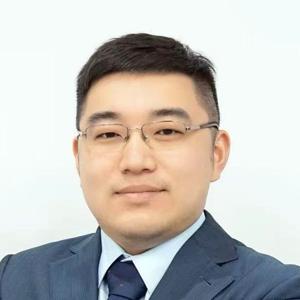

M.D., Ph.D., Founder and CEO, HelpTx
Biography
Eugene J. Wang, MD, PhD is the Founder and CEO of HELP Therapeutics Co. Ltd. (HelpTx), a pioneering regenerative medicine company he established in 2016.
A distinguished gold medalist during his college studies, Dr. Wang conducted his pivotal research at the First Affiliated Hospital of Nanjing Medical University (Jiangsu Province Hospital)—an institution consistently ranked among the top 20 hospitals in China. He earned his PhD from the University of Hong Kong and MD degree from Capital Medical University
Talk
Delivering on the Promise of iPSC-Derived Cardiomyocyte Therapy
Speaker Profile


Ph.D., Founder, CTO, Cofactor Genomics
Biography
Dr. Jarret Glasscock is a geneticist and computational biologist. Prior to co-founding Cofactor Genomics, Jarret was faculty in the Department of Genetics at Washington University and part of The Genome Institute. While at WashU, he was involved in the Human Genome Project, published the first Cancer Genome, lead the Institute’s Computational Biology Group, and was part of the Institute’s Technology Development Group tasked with characterizing the first RNA-seq experiments on early instruments such as 454 and Illumina/Solexa(Serial #1). Jarret’s work to leverage signals in RNA to propel Precision Medicine Initiatives has been covered by Genetic Engineering News (GEN), Tech Crunch, STAT News, and Wired Magazine. He is a member of the Personalized Medicine Coalition, International Society for Computational Biology, American Association for Cancer Research and is a Y Combinator Alum.
Speaker Profile


M.D., Chief Scientific & Medical Officer, Veracyte
Biography
Dr. Phil Febbo is Chief Scientific and Medical Officer at Veracyte, a global cancer diagnostics company where he remains focused on improving cancer outcomes through the discovery, development, and accessibility of innovative, high-quality molecular diagnostics. He held multiple clinical and scientific roles over 15 years in academia at Dana-Farber, Harvard Medical School, the Whitehead Institute for Genome Research, Duke University, and UCSF where he was Professor of Medicine and Urology. After transitioning to industry, he was Chief Medical Officer at Genomic Health (2013-2018) and Illumina (2018-2023). Dr. Febbo served on the boards of Varian Inc. (Director) and the A CMG Foundation and is currently on the boards of the Reagan Udall Foundation for the FDA (Vice-Chair) and ASC Os Conquer Cancer Foundation. He holds a B. A. in Biology from Dartmouth College, an M. D. from UCSF, completed internal medicine residency at the Brigham and Womens Hospital, and medical oncology fellowship at the DFCI.
Speaker Profile
Founder and CEO, Epic
Biography
Judy Faulkner, founder and CEO of Epic Systems, has significantly impacted precision medicine by pioneering the integration of genomic data into electronic health records, notably through Epics Aura platform, which enables tailored treatment strategies based on individual genetic profiles. Under her leadership, the Cosmos initiative has facilitated the aggregation of extensive de-identified patient data, substantially advancing clinical research and informed medical decision-making. Additionally, by embedding advanced AI technologies into Epic's systems, she has streamlined clinical workflows, aiding healthcare providers in documentation and patient communication. Epics extensive global presence, managing hundreds of millions of patient records, reflects Faulkner's profound influence on the healthcare landscape, further highlighted by her philanthropic commitment to reducing health disparities and improving healthcare accessibility.
Davos of Precision Medicine
PMWC 2027 Program
January 27–29, 2027 · Santa Clara Convention Center
Swipe speakers · Tap a card for sessions →
In a few words.
PMWC is indeed The Davos of Biotech