
Session Abstract – PMWC 2026 Silicon Valley

Track Chair:
Michael Goldman, SFSU
PMWC Award Ceremony
• David Sinclair, Harvard
• Steve Horvath, Altos Labs
• Nir Barzilai, Albert Einstein College of Medicine
AI-Driven Biomarkers to Quantify Aging
• Chair: Alex Zhavoronkov, Insilico Medicine
• Mahdi Moqri, Harvard
• Steve Horvath, Altos Labs
• Hussain Ahamed, Ultrahuman
Epigenetic Aging Signatures in Large Human Cohorts
• Varun Dwaraka, TruDiagnostic
AI Systems for Personalized Longevity: How Biomarkers Translate into Actionable Interventions
• Chair: Nathan Price, Buck Institute
• Sherry Zhang, Buck Institute
• Ranjan Sinha, Digbi Health
• Zeenia Framroze, Alethios, Inc.
• John Ramunas, Rejuvenation Technologies
Clinical Trial Design & Functional Endpoints for Healthspan
• Nir Barzilai, Albert Einstein College of Mediciney
The data We Need For AI To Accelerate Longevity Drugs
• Martin Jensen, Gordian Biotechnology
From Genome to an AI-Drive Longevity Platform
• Wei-Wu He, Human Longevity
Wellness Wearables: The Journey to Clinical
• Hussain Ahamed, Ultrahuman
Longevity Medicine: Ambition vs Evidence in the Era of Precision Health
• Aubrey de Grey, LEV Foundation
Precision Aging & Longevity Focused on Limited Lifespan Evidence, Vanishing Blue Zones, and Payer ROI
• S. Jay Olshansky, University of Illinois
Evolutionary perspectives on human lifespan and healthspan
• Michael Gurven, UC Santa Barbara
Speaker Profile
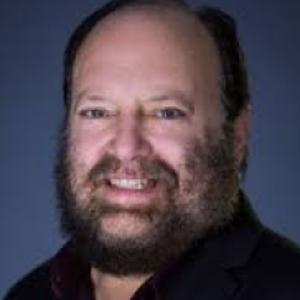

Ph.D., Professor, San Francisco State
Biography
Dr. Goldman did his undergraduate work in Biology at the University of Rochester, and obtained a Ph. D. in evolutionary biology at Purdue University, and completed two fellowships in Medical Genetics, at Baylor College of Medicine in Houston and the University of Washington in Seattle. Dr. Goldman joined the faculty at San Francisco State University in 1988, and has served as Chair of the Department of Biology and the University Academic Senate. Dr. Goldman teaches general genetics and evolution for biology majors, developmental biology for Cell Molecular Biology majors, and an interdisciplinary course on the ethical issues in science and technology. Research is in chromatin structure and the regulation of gene expression during mammalian development. Dr. Goldman sees the public understanding of science as a key need if science and society are to thrive.
Talk
Speaker Profile
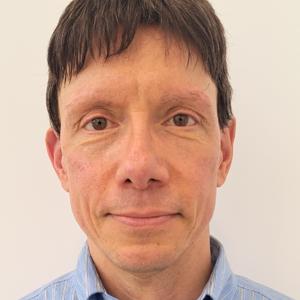

PMWC LUMINARY AWARD
Created the epigenetic clock biomarker of biological age
Ph.D., Principal Investigator, Altos Labs
Biography
Dr. Steve Horvath is a geroscientist and computational biologist best known for developing the epigenetic clock, a groundbreaking biomarker that measures biological aging based on DNA methylation patterns. His work has transformed aging research, enabling precise tracking of aging-related interventions and influencing diagnostics, longevity science, and precision medicine. Dr. Horvath has led key studies linking epigenetic age acceleration to disease risk and mortality, paving the way for potential anti-aging therapies. He has held leadership roles in major scientific initiatives and has received numerous honors, including election to the Academy for Health & Lifespan Research, as well as the Nathan W. Shock Award for aging research. His contributions continue to shape the future of aging and longevity research, with broad applications in medicine and biotechnology.
Talk
Speaker Profile
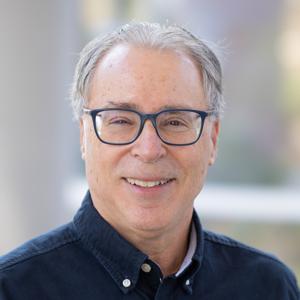

PMWC LUMINARY AWARD
Identified longevity pathways in centenarians and leads translational aging trials
M.D., Director, Institute for Aging Research; President, Academy for Health and Lifespan Research., Albert Einstein College of Medicine
Biography
Dr. Nir Barzilai is a preeminent leader in geroscience, demonstrating in his studies that aging
has its own biology that drives age-related diseases, a process that can be targeted. At Albert
Einstein College of Medicine, he is a professor in the departments of Medicine and Genetics,
the director of the Institute for Aging Research, and the director of the Einstein-National
Institutes of Health (NIH) Nathan Shock Center of Excellence in the Basic Biology of Aging, and
the author of more than 350 papers. He made seminal discoveries in extending the health and lifespan of
animals and discovering pathways for exceptional longevity in humans. He is leading an
international effort to approve drugs targeting aging. Targeting Aging with Metformin (TAME) is
a specific study conceived by Dr. Barzilai to prove that a single drug can combat multiple
diseases associated with aging and get FDA approval for targeting aging. Dr. Barzilai is a co-
founder and the President of A HLS. He is also on the board of directors of the American
Federation for Aging Research, where he co-leads its biomarker effort (FAST), TAME, and
Super Agers initiative. He is an Executive of the Longevity Biotech Association (LBA) and
serves on the Healthy Longevity Medicine Society council. He authored Age Later: Health Span,
Life Span, and the New Science of Longevity.
Speaker Profile
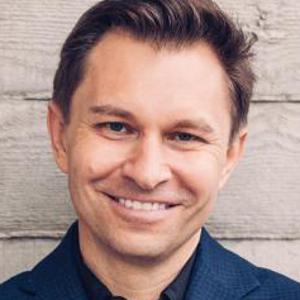
PMWC PIONEER AWARD
Uncovered sirtuin/NAD⁺ aging pathways and advanced epigenetic rejuvenation
Ph.D., A.O., Professor, Harvard
Biography
David A. Sinclair, A. O., Ph. D. is one of the worlds mostinfluential scientists and a leading figure in the study of humanlongevity. A tenured Professor of Genetics at Harvard Medical School, he best known for his research on the role of sirtuins, NAD+ metabolism, and aging as information loss. In 2020, his lab reported successful use of reprogramming to safely reverse aging in mammals. Professor Sinclair served as Founding Director of the Glenn Center for Biology of Aging Research at Harvard and has published over 200 articles cited 100,000 times. He is inventor on more than 50 patents and has co-founded over a dozensuccessful companies including Metro Biotech and Life Biosciences. He is a New York Times bestselling author of Lifespan and the host of Lifespan. Among 36 awards, he was recognized as oneof TIME Magazines 100 Most Influential People, Noble Genius Prize Officer of the Order of Australia (A. O.)
Talk
Speaker Profile


Ph.D., K99 Research Associate, Whitehead Inst./MIT
Biography
Yuancheng Ryan Lu is a leading early-career investigator in aging research. His research focuses on the genetic and epigenetic foundations of aging and its reversal, using the eye as a model system. During his PhD with David Sinclair at Harvard, he developed an A AV-based in vivo reprogramming approach that rejuvenated retinal neurons and restored vision in aging and glaucoma models (Nature, 2020). This work helped establish age reversal as a tractable therapeutic concept and provided experimental support for the theory that aging is reversible process driven by loss of epigenetic information (Nature Aging, 2023). In his postdoctoral work with Jonathan Weissman, he has advanced the field beyond reprogramming as a tool by integrating genome-scale perturbation screens to identify downstream causal effectors (bio Rxiv, 2025), thereby clarifying underlying mechanisms while nominating safer and more precise rejuvenation therapies. He is also co-developing machine learning guided approaches to discover novel rejuvenation factors.
Speaker Profile
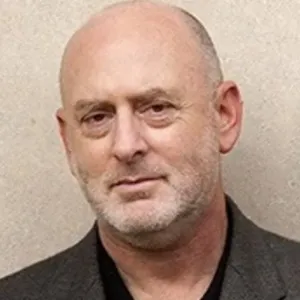

Ph.D., Professor, U. of Illinois
Biography
Jay Olshansky received his Ph. D. in Sociology at the University of Chicago in 1984. He is currently a Professor in the School of Public Health at the University of Illinois at Chicago, Research Associate at the Center on Aging at the University of Chicago and at the London School of Hygiene and Tropical Medicine, and Chief Scientist at Lapetus Solutions, Inc. The focus of his research to date has been on estimates of the upper limits to human longevity, exploring the health and public policy implications associated with individual and population aging, forecasts of the size, survival, and age structure of the population, pursuit of the scientific means to slow aging in people (The Longevity Dividend), and global implications of the re-emergence of infectious and parasitic diseases. Dr. Olshansky is on the Board of Directors of the American Federation of Aging Research; he is the first author of The Quest for Immortality: Science at the Frontiers of Aging (Norton, 2001) and A Measured Breath of Life (2013); and co-edited Aging: The Longevity Dividend (Cold Spring Harbor Laboratory Press, 2015). In 2016, Dr. Olshansky was honored with the Donald P. Kent Award from the Gerontological Society of America, the Irving S. Wright Award from the American Federation for Aging Research, and he was named one of Next Streets Influencer in Aging.
Speaker Profile
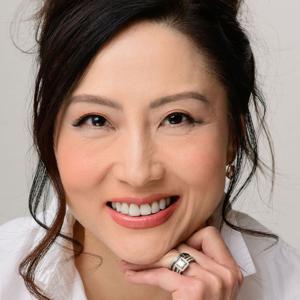

Ph.D., Executive Director, External Strategy and Partnerships, Buck Inst.
Biography
Yi Sherry Zhang is a genomics scientist and health-tech entrepreneur advancing the translation of longevity science into scalable population impact. At the Buck Institute for Research on Aging, she leads the development of Healthspan Horizons, a federated AI and biodata platform integrating multi-omics, digital, and clinical signals to quantify and extend healthy human lifespan. Drawing on nearly two decades of experience at the intersection of molecular science, data intelligence, and personalized health, she previously founded Geno Palate, which built one of the worlds largest nutrigenomics databases and consumer platforms for precision nutrition. Her work bridges molecular biomarkers and actionable lifestyle insights, with publications and features spanning scientific and public domains. An advocate for equitable access to scientific wellness, she speaks globally on data federation, precision aging, and the future of healthspan intelligence.
Speaker Profile
Ph.D., A.O., Professor, Harvard
Biography
David A. Sinclair, A. O., Ph. D. is considered one of the worlds mostinfluential scientists and a leading figure in the study of humanlongevity. He is a tenured Professor of Genetics at Harvard Medical School (Boston, MA, USA) and Co-Founder Co-Chief Editor of the scientificjournal Aging. Professor Sinclairs pioneering work in genetics and aging biology hasfundamentally shaped the worlds understanding of mechanisms of aging andage-related diseases. He is best known for his research on the molecularbiology of aging, particularly the role of sirtuins, NAD+ metabolism, andepigenetic changes in regulating the aging process. In 2020, the Sinclair Lab reported successful use of cellular reprogramming to safely reverseaging in mammals, which they showed could cure blindness in animal models. Professor Sinclair served as Founding Director of the Glenn Center for Biology of Aging Research at Harvard Medical School from 20042023 andhas published over 400 articles that have been cited 100,000 times. He isthe inventor on more than 50 patents and has co-founded over a dozensuccessful companies including Metro Biotech, Eden Roc Sciences, Fully Aligned Company, and Life Biosciences. Professor Sinclair is the New York Times bestselling author of Lifespan: Why We Age-And Why We Dont Have To and the host of the Lifespan with Dr. David Sinclair podcast, a 1 show on Apple that provides health and scienceeducation. Among over 35 career awards, Professor Sinclair has been recognized as oneof TIME Magazines 100 Most Influential People In The World, one of TIM Es50 Most Influential People In Health Care, received the Pioneer Award from the Director of the NIH, The Noble Genius Prize from The World Forum, andwas appointed by Queen Elizabeths representative as Officer of the Orderof Australia (A. O.) for his contributions to scientific research, sciencecommunication, and national security.
Speaker Profile
M.D., Director, Institute for Aging Research; President, Academy for Health & Lifespan Research., Albert Einstein College of Medicine
Biography
Dr. Nir Barzilai is a preeminent leader in geroscience, demonstrating in his studies that aging has its own biology that drives age-related diseases, a process that can be targeted. At Albert Einstein College of Medicine, he is a professor in the departments of Medicine and Genetics, the director of the Institute for Aging Research, and the director of the Einstein-National Institutes of Health (NIH) Nathan Shock Center of Excellence in the Basic Biology of Aging, and the author of 350 papers. He made seminal discoveries in extending the health and lifespan of animals and discovering pathways for exceptional longevity in humans. He is leading an international effort to approve drugs targeting aging. Targeting Aging with Metformin (TAME) is a specific study conceived by Dr. Barzilai to prove that a single drug can combat multiple diseases associated with aging and get FDA approval for targeting aging. Dr. Barzilai is a co-founder and the President of A HLS. He is also on the board of directors of the American Federation for Aging Research, where he co-leads its biomarker effort (FAST), TAME, and Super Agers initiative. He is an Executive of the Longevity Biotech Association (LBA) and serves on the Healthy Longevity Medicine Society council. He authored Age Later: Health Span, Life Span, and the New Science of Longevity.
Speaker Profile
Ph.D., Principal Investigator, Altos Labs
Biography
Dr. Steve Horvath is a geroscientist and computational biologist best knownfor developing the epigenetic clock, a groundbreaking biomarker thatmeasures biological aging based on DNA methylation patterns. His work hastransformed aging research, enabling precise tracking of aging-relatedinterventions and influencing diagnostics, longevity science, and precisionmedicine. Dr. Horvath has led key studies linking epigenetic ageacceleration to disease risk and mortality, paving the way for potentialanti-aging therapies. He has held leadership roles in major scientificinitiatives and has received numerous honors, including election to the Academy for Health Lifespan Research, as well as the Nathan W. Shock Award for aging research. His contributions continue to shape the future ofaging and longevity research, with broad applications in medicine andbiotechnology.
Speaker Profile
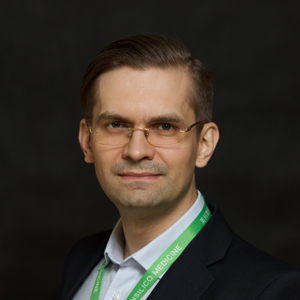

Ph.D., CEO, Insilico Medicine
Biography
Alex Zhavoronkov, PhD, is the founder and CEO of Insilico Medicine, a leading clinical-stage biotechnology company developing next-generation generative artificial intelligence and robotics platforms for drug discovery. Under his leadership, Insilico raised over $400 million in multiple rounds from expert biotechnology, healthcare, and financial investors, opened RD centers in 6 countries and regions, and partnered with multiple pharmaceutical, biotechnology, and academic institutions. Since 2021, the company nominated 21 preclinical candidates, started 6 human clinical trials, and entered Phase II with an AI-discovered novel target and AI-designed novel molecule. Since 2012, he has published over 200 peer-reviewed research papers and 3 books. He is the adjunct professor of artificial intelligence at the Buck Institute for Research on Aging.
Speaker Profile
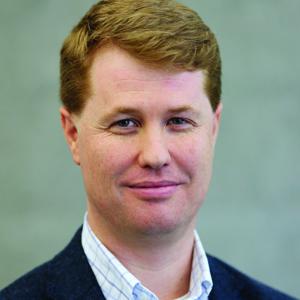
Ph.D., Professor, Buck Inst.
Biography
Nathan Price focuses on advancing AI-enabled scientific wellness and bringing precision medicine into proactive practice. His work integrates multi-omics, digital biomarkers, and computational modeling to detect early signals of aging, resilience, and diseaseand to translate them into personalized, actionable guidance. He is building next-generation AI platforms designed to operationalize precision health at scale. Price has authored 220 scientific publications and led landmark longitudinal wellness studies. He co-authored The Age of Scientific Wellness. He has written for major outlets including The Wall Street Journal, LA Times, and Scientific American, and been a guest on leading podcasts such as Armchair Expert, The Doctors Farmacy, and Keeping It Real with Jillian Michaels. His recognitions include being an Emerging Leader for the National Academy of Medicine, service on the National Academies Board on Life Sciences, Fellowship in A IMBE, and the 2023 Alex and er Mildred Seelig Award from the American Nutrition Association.
Speaker Profile
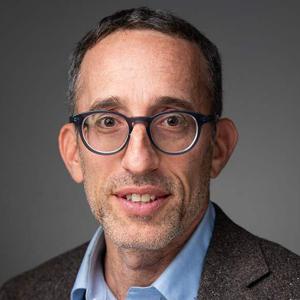

Ph.D., Professor, UC Santa Barbara
Biography
Professor Gurven's research links the evolved life history of humans with high levels of intragroup cooperation. He has conducted fieldwork for two decades with South American indigenous populations, and his work takes an evolutionary perspective on behavior, health, physiology and psychology. Since 2002, Gurven has co-directed the Tsimane Health and Life History Project to better understand how aspects of environment and lifestyle affect health and lifespan in subsistence-level societies. His research applies an evolutionary lens to help inform our understanding of todays complex diseases. His current research in biodemography and health disparities helps understand environmental and social impacts on growth, development and aging across the lifespan. He also focuses on how acculturation and market integration have impacted demographic and social patterns, and chronic disease risk (e. g. heart disease, diabetes, dementia) among indigenous populations.
Speaker Profile


Ph.D., FRSB, Director of Research and Principal Investigator, TruDiagnostic
Biography
Varun Dwaraka is a computational epigenetics scientist and Fellow of the Royal Society of Biology, known for translating DNA methylation data into practical tools for aging and disease-risk prediction. His work focuses on multi-omic epigenetic clocks, epigenetic biomarker proxies; methylation-derived surrogates of proteins, metabolites, and clinical labs that make results interpretable), and methylation risk scores, which quantify long-term risk for specific conditions, often years before clinical onset. He has led research published in top journals including Nature Aging, Genome Medicine, BMC Medicine, and Advanced Science. His work has reached broad audiences through features in Forbes, BBC, The Times of London, Newsweek, The Aesthetic Magazine, and Mens Health, and in the Emmy Awardwinning documentary You Are What You Eat, along with health and science podcasts. He is also a full member of Sigma Xi and a 2023 Foresight Fellow in Biotechnology and Health Expansion.
Talk
Epigenetic testing has evolved beyond a single biological age number. This talk shows how TruDiagnostic progressed from epigenetic clocks to epigenetic biomarker proxies, methylation-derived surrogates of proteins, metabolites, and clinical lab, and finally to methylation risk scores that quantify disease risk years before onset, enabling actionable, interpretable precision longevity.
Speaker Profile
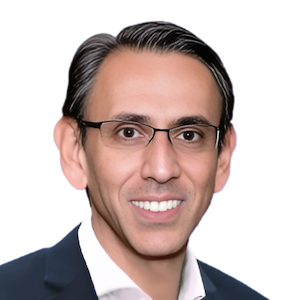

Founder & CEO, Digbi Health
Biography
Ranjan Sinha is an entrepreneur, author, innovator, and pioneer in Precision Biology. He is passionate about AI, microbiome, and genomics-based care. After successfully addressing a life-threateningcondition using precision biology, Ranjan turned a personalnecessitysupported by leading clinicians and scientistsinto a mission tomake chronic illness optional. He holds multiple patents in biomarkers, genetics, gut microbiome, AI, and human metabolism. A Wharton alumnus andtrained engineer, Ranjan is a published scientist, author, and avidcyclist. He formerly worked at Apple and built large data, HRconsumerfood companies. He is a member of the American College of Lifestyle Medicine and the American College of Gastroenterology, and a frequentspeaker on topics including longevity, metabolic health, food, and thescaled application of precision medicine.
Speaker Profile
Ph.D., MBA, Faculty, Harvard
Biography
Dr. Mahdi Moqri is a faculty member at Harvard Medical School and an independent investigator at the Division of Genetics as well as the Endocrinology, Diabetes, and Metabolism. His research integrates omics, bioinformatics, and computational methods to uncover the molecular mechanisms of aging and to develop new approaches for early detection and prevention of age-related diseases. Dr. Moqri co-directs the Biomarkers of Aging Consortium (agingconsortium. org), where he leads efforts to develop blood-based biomarkers of aging using large-scale omics datasets and longitudinal biobank resources. He completed his postdoctoral fellowship at Stanford University in the Snyder Lab, and his formal training is in computer science and informatics. Dr. Moqri looks forward to starting new collaborations with colleagues across the division.
Speaker Profile
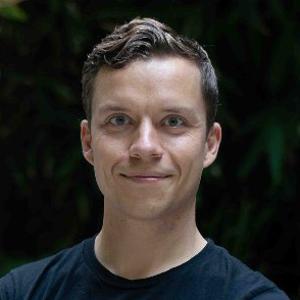

Ph.D., Co-Founder & CSO, Gordian Biotechnology
Biography
Martin Borch Jensen builds systems to accelerate progress in longevity. At Gordian Biotechnology, he developed the first in vivo drug discovery platform using pooled genetic screening in patient-relevant animals, scaling testing 100x while generating systematic data on what actually works in complex biological systems. Through Norn Group, he's mobilized over $34 million in rapid research funding to bring dozens of labs into longevity, and created infrastructure for high-risk ideas that fall outside traditional funding mechanisms. His work spans new technologies, talent development, to redesigning how the field coordinates and validates progress. These efforts aim at moving longevity research from isolated breakthroughs toward industrial-scale systems with reliable measurements, focus on bottlenecks, and enabling throughput that matches the problem's urgency.
Speaker Profile
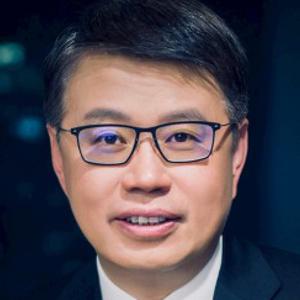

Ph.D., MBA, Executive Chairman and CEO, Human Longevity
Biography
Wei-Wu He has been serving as Executive Chairman of Human Longevity Inc since July 2019. Prior to this role, he was the CEO of OriGene Technologies, Inc. He is also the founder and General Partner of Emerging Technology Partners, LLC (ETP), a life sciences–focused venture fund established in 2000. Throughout his career, Dr. He has been involved in the founding or funding of nearly 100 biotechnology companies spanning genomics, precision medicine, and emerging technologies. Earlier in his career, he was among the first few scientists at Human Genome Sciences and previously served as a research fellow at Massachusetts General Hospital and the Mayo Clinic. Dr. He is an accomplished inventor and author, with more than 30 peer-reviewed research publications and over 30 issued patents.
Talk
Wei-Wu will discuss how Human Longevitys new platform integrates genomic, imaging, and clinical data to enable earlier detection of cancer and other diseasesempowering individuals and clinicians to proactively identify risk, take informed preventive action, and support healthier aging.
Speaker Profile
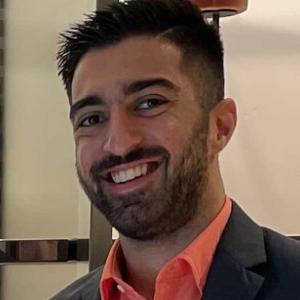

Founder & Strategic Advisor, Ultrahuman
Biography
12+ years in wearable technology launching products & partnerships including smartwatches, bands and rings. Founder of a San Diego-based deep tech venture studio focused on health tracking & diagnostics, which also serves as the global Strategy, Health Partnerships & North American office for Ultrahuman.
Ultrahuman is building a leading health optimization ecosystem, including the most premium no-subscription sleep tracking wearable, preventive blood testing, continuous glucose & environmental monitoring.
Talk
The latest innovations in health tracking & diagnostics, with a focus on how consumer-grade wearables are progressing towards providing clinical-grade insights and the role they will play in democratizing truly preventive, precision health.
Speaker Profile
Founder & Strategic Advisor, Ultrahuman
Biography
12+ years in wearable technology launching products & partnerships including smartwatches, bands and rings. Founder of a San Diego-based deep tech venture studio focused on health tracking & diagnostics, which also serves as the global Strategy, Health Partnerships & North American office for Ultrahuman.
Ultrahuman is building a leading health optimization ecosystem, including the most premium no-subscription sleep tracking wearable, preventive blood testing, continuous glucose & environmental monitoring.
Speaker Profile
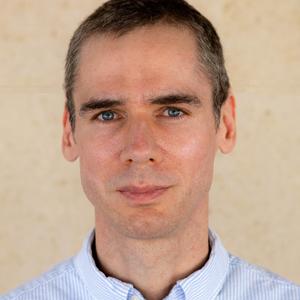

Ph.D., CEO, Rejuvenation Tech
Biography
Dr. Ramunas switched from electrical engineering to biochemistry when he read a 1998 Science paper on telomeres, the tips of DNA that shorten with each cell division, until they stop stem cells from dividing, halting regeneration and driving aging and disease. This simple yet central mechanism of aging inspired him to pursue technologies to reverse such mechanisms to prevent aging and disease. To that end he has co-invented technologies spanning stem cell bioengineering, drug delivery pumps and vehicles, and RNA-based protein replacement. He and his grad school labmate Glenn Markov and their supervisor Helen Blau founded Rejuvenation Technologies, licensing tech they invented at Stanford, and have achieved spatiotemporal control of telomere extension in vivo, extending telomeres by over 5 years with one dose and demonstrating profound therapeutic impact in multiple preclinical models of age-related diseases. Rejuvenation is currently raising its Series A funding round for clinical trials in longevity, immuno-oncology, hematology, and pulmonology.
Talk
Every day, our bodies require billions of new cells for repair, shortening telomeres. When telomeres become too short, stem cells stop dividing, halting regeneration and causing disease. Targeted TERT RNA extends telomeres precisely and transiently in vivo rescuing multiple preclinical models. Currently fundraising for clinical trials: longevity under LARTA; immuno-oncology, hematology, pulmonology under FDA.
Speaker Profile
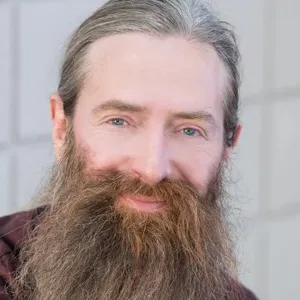
Ph.D., Founder, President and Chief Science Officer, LEV Foundation
Biography
Dr. Aubrey de Grey is a biomedical gerontologist based in Silicon Valley, California, USA, and is the founder, President and Chief Science Officer of LEV Foundation, a biomedical research and advocacy charity focused on repairing the molecular and cellular damage of aging. He received his BA in computer science and Ph.D. in biology from the University of Cambridge.
Speaker Profile
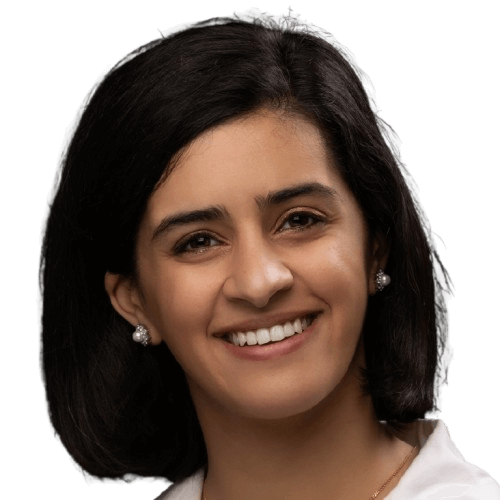

Other, CEO & Founder, Alethios
Biography
Zeenia Framroze is a researcher and entrepreneur who founded Alethios to lower the barriers to evidence generation in human health — for both researchers and participants. Alethios is an AI-powered decentralized research platform enabling rigorous, affordable virtual studies across life sciences, biotech, longevity, and consumer health, using real-world data from wearables, sensors, and at-home biomarker kits. The Alethiad Participant Community connects researchers with thousands of engaged citizen scientists, enabling faster enrollment, high retention, and participants who are partners in the research process — not just subjects.
Her work spans digital biomarkers, decentralized clinical research, and long COVID, with peer-reviewed publications in Frontiers in Neurology and Karger Digital Biomarkers, a First Opinion piece in STAT News, and speaking engagements ranging from CNS Summit to SupplySide Global. She holds degrees from Harvard and Oxford, where she studied political theory — a foundation that shaped her belief that rigorous research should be accessible to all.