
Speaker Profile
PMWC PIONEER AWARD
Uncovered sirtuin/NAD⁺ aging pathways and advanced epigenetic rejuvenation
Ph.D., A.O., Professor, Harvard
Biography
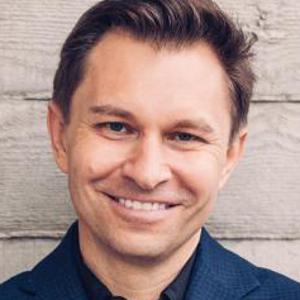
David A. Sinclair, A. O., Ph. D. is one of the worlds mostinfluential scientists and a leading figure in the study of humanlongevity. A tenured Professor of Genetics at Harvard Medical School, he best known for his research on the role of sirtuins, NAD+ metabolism, and aging as information loss. In 2020, his lab reported successful use of reprogramming to safely reverse aging in mammals. Professor Sinclair served as Founding Director of the Glenn Center for Biology of Aging Research at Harvard and has published over 200 articles cited 100,000 times. He is inventor on more than 50 patents and has co-founded over a dozensuccessful companies including Metro Biotech and Life Biosciences. He is a New York Times bestselling author of Lifespan and the host of Lifespan. Among 36 awards, he was recognized as oneof TIME Magazines 100 Most Influential People, Noble Genius Prize Officer of the Order of Australia (A. O.)
Talk
Session Abstract – PMWC 2026 Silicon Valley

Track Chair:
Michael Goldman, SFSU
PMWC Award Ceremony
• David Sinclair, Harvard
• Steve Horvath, Altos Labs
• Nir Barzilai, Albert Einstein College of Medicine
AI-Driven Biomarkers to Quantify Aging
• Chair: Alex Zhavoronkov, Insilico Medicine
• Mahdi Moqri, Harvard
• Steve Horvath, Altos Labs
• Hussain Ahamed, Ultrahuman
Epigenetic Aging Signatures in Large Human Cohorts
• Varun Dwaraka, TruDiagnostic
AI Systems for Personalized Longevity: How Biomarkers Translate into Actionable Interventions
• Chair: Nathan Price, Buck Institute
• Sherry Zhang, Buck Institute
• Ranjan Sinha, Digbi Health
• Zeenia Framroze, Alethios, Inc.
• John Ramunas, Rejuvenation Technologies
Clinical Trial Design & Functional Endpoints for Healthspan
• Nir Barzilai, Albert Einstein College of Mediciney
The data We Need For AI To Accelerate Longevity Drugs
• Martin Jensen, Gordian Biotechnology
From Genome to an AI-Drive Longevity Platform
• Wei-Wu He, Human Longevity
Wellness Wearables: The Journey to Clinical
• Hussain Ahamed, Ultrahuman
Longevity Medicine: Ambition vs Evidence in the Era of Precision Health
• Aubrey de Grey, LEV Foundation
Precision Aging & Longevity Focused on Limited Lifespan Evidence, Vanishing Blue Zones, and Payer ROI
• S. Jay Olshansky, University of Illinois
Evolutionary perspectives on human lifespan and healthspan
• Michael Gurven, UC Santa Barbara