Session Abstract – PMWC 2027 Silicon Valley

Track Chair:
Serge Saxonov, 10x Genomics
PMWC Award Ceremony
• Sarah Teichmann, Wellcome Sanger Institute (Luminary)
• Aviv Regev, Genentech (Pioneer)
Featured Speakers
• Sarah Teichmann, Wellcome Sanger Institute
• Aviv Regev, Genentech
• Eric Lander, Broad Institute
• Gad Getz, Broad Institute
• Emma Lundberg, Stanford
• Garry Nolan, Stanford
• Nikhil Wagle, Genentech
• Satish Viswanath, Emory
• Alex Shalek, MIT / Broad Institute
• Christina Curtis, Stanford
• Fei Chen, Broad Institute
• Andy Beck, PathAI
• Kevin Wei, Harvard
• Rebecca Critchley-Thorne, Castle Biosciences
• Dan Rozelle, Rancho BioSciences
• Maximilian Strauss, OmicVision
The Next Map of Biology
From the Human Genome to the Human Cell Atlas in the AI era.
Spatial Biology in Practice
From tissue architecture to decisions that change the answer.
Spatial Proteomics
Cell states, therapeutic targets, and what can be measured in context.
Spatial Pathology from Discovery to Clinical Biomarker
Turning a beautiful image into a validated test.
AI for Spatial Biology
Foundation models, digital pathology, and tissue-scale interpretation.
Scaling Spatial Biology to Clinical Translation
From discovery platform to reproducible clinical evidence.
Speaker Profile
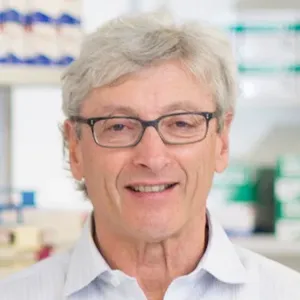

M.D., Ph.D., Professor, NYU
Biography
Speaker Profile
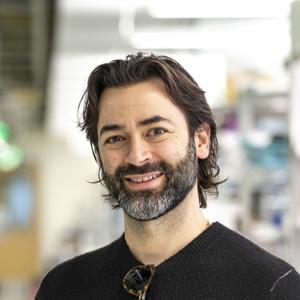

Ph.D., Director, Institute for Medical Engineering & Science, MIT
Biography
Alex K. Shalek is the Director of the Institute for Medical Engineering & Science (IMES) at the Massachusetts Institute of Technology (MIT), and the J. W. Kieckhefer Professor in IMES and the Department of Chemistry at MIT, as well as an Extramural Member of MIT's Koch Institute for Integrative Cancer Research. He is also an Institute Member of the Broad Institute, a Member of the Ragon Institute, and an Instructor in Health Sciences & Technology at Harvard Medical School. The multi-disciplinary research in his laboratory aims to create and implement broadly-applicable methods to study and engineer cellular responses in tissues, to drive biological discovery and improve prognostics, diagnostics, and therapeutics for autoimmune, infectious, and cancerous diseases. Shalek and his lab are best known for their work in single-cell and spatial genomics, and for studying a number of devastating, but difficult to study, human diseases with partners around the world.
Speaker Profile
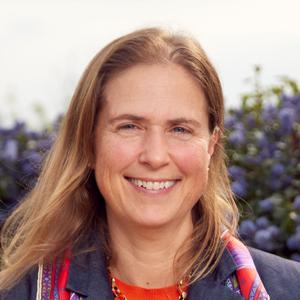

PMWC LUMINARY AWARD
Co-founded the Human Cell Atlas, mapping human cells and tissues at scale
FMedSci FRS, Chair in Stem Cell Medicine, U. of Cambridge
Biography
Sarah completed her PhD at Cambridge's MRC Laboratory of Molecular Biology and was a Beit Memorial Fellow at UCL. She established her research group in 2001, discovering that protein assembly pathways are stereotypical and conserved. In 2016, she was appointed as the Head of the Cellular Genetics programme at the Wellcome Sanger Institute and co-founded the Human Cell Atlas initiative. From April 2024, she was appointed chair in Stem Cell Medicine at the University of Cambridge, within the Department of Medicine and the Cambridge Stem Cell Institute. Additionally, Sarah dedicates part of her time to GlaxoSmithKline, is a non-executive director of 10x Genomics, and has co-founded two startup companies. The Teichmann lab focuses on developing and applying cell atlas technologies to understand human tissue architecture, particularly examining how cellular diversity is generated in the immune system and during development.
Talk
Speaker Profile
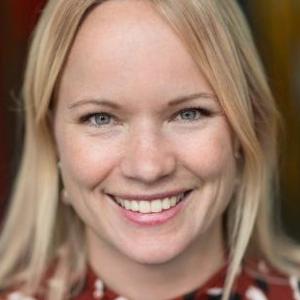
Ph.D., Associate Professor, Stanford
Biography
Dr. Emma Lundberg is Associate Professor of Bioengineering and Pathology at Stanford University, where she leads innovative research at the intersection of bioimaging, proteomics, and artificial intelligence. Her work focuses on modeling the spatiotemporal organization of the human proteome to uncover how protein localization influences cellular function and disease. Dr. Lundberg is an advocate for open science, with a passion for citizen science through computer games and computational challenges.
Speaker Profile
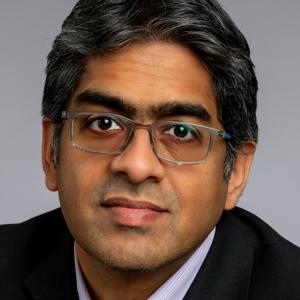

Ph.D., Associate Professor, Emory U.
Biography
Dr Viswanath holds appointments in the Departments of Pediatrics and Biomedical Engineering as well as a Research Biomedical Engineer at the Atlanta VA Medical Center. He has authored over 60 peer-reviewed journal publications, 130+ conference papers & abstracts, 1 book chapter, as well as delivered over 100 invited talks and panel discussions both in the US and abroad. He has 10 issued patents in the areas of medical image analysis, computer-aided diagnosis, and pattern recognition and has been elected to Senior Member in the National Academy of Inventors, the IEEE, and the SPIE. Recognition for his work includes the Fulbright Specialist Award, in addition to multiple awards from SIIM, SPIE, and Crain’s Cleveland Business. His research has received funding from federal and state agencies including the DOD/CDMRP, the VA, the NIH (NCI, NIBIB, NINR, NHLBI), as well as private foundations.
Speaker Profile
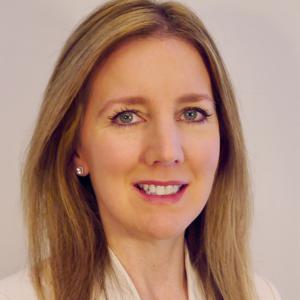
Ph.D., Vice President, Research & Development, Castle Biosciences
Biography
Dr. Rebecca Critchley-Thorne joined Castle Biosciences in December 2021 as Vice President, RD, Spatialomics and GI, as part of the acquisition of Cernostics Inc., where she was Co-Founder and Chief Scientific Officer. She led the development of the Tissue Cypher computational pathology platform as well as the Tissue Cypher Barretts Esophagus test and its supporting clinical studies. She currently oversees RD for Castles commercially available tests and pipeline activities. She completed training as a postdoctoral fellow at Stanford University, where she focused on highly multiplexed analysis of biomarkers to understand mechanisms of immune dysfunction in various cancer types. She completed doctoral work in cancer immunotherapy at Imperial College and Cancer Research UK in London, UK, and earned a B. S. (Hons) degree in Pharmacology from the University of Sheffield, UK. Dr. Critchley-Thorne is the author of many medical and scientific publications, a principal investigator on NIH-funded research studies, and an inventor on several of Castle's patents.
Speaker Profile
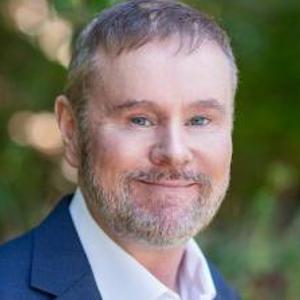
Ph.D., Professor, Stanford
Biography
Dr. Garry P. Nolan is the Rachford and Carlota A. Harris Professor in the Department of Pathology at Stanford University School of Medicine. Trained with Leonard Herzenberg (Ph.D.) and Nobel laureate David Baltimore (postdoc), he is known for cloning and characterizing NF-κB p65/RelA and developing rapid retroviral production systems. Author of over 350 papers and holder of 50 U.S. patents, he has received multiple honors, including the Teal Innovator Award, FDA BAAA, and Nature Publishing Group’s Outstanding Research Achievement. His research spans hematopoiesis, cancer, autoimmunity, inflammation, and systems immunology, with a focus on single-cell analysis technologies such as CyTOF, MIBI, and CODEX. Dr. Nolan has founded or co-founded multiple biotech companies, with several acquired by industry leaders. His current work applies high-dimensional imaging and cytometry to deepen understanding of immune function, pathogen response, and cancer biology, aiming to improve disease management and clinical outcomes.
Speaker Profile
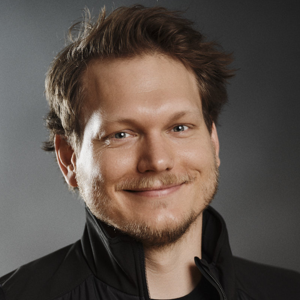

Ph.D., Co-Founder & CTO, Resolute Bio
Biography
Maximilian Strauss works at the intersection of artificial intelligence and mass-spectrometry proteomics, where he co-founded and drives the technology behind a high-throughput spatial proteomics platform that turns human tissue into AI-ready molecular data. His focus is building the data engine and frontier AI models that learn across tissue images, the human proteome and drugs — working toward foundation models of biology — so medicines can be matched to the patients most likely to benefit.
He trained in mechanical engineering at the Technical University of Munich, with thesis research at Harvard's Wyss Institute, before doctoral research in physics on super-resolution imaging in Ralf Jungmann's lab at the Max Planck Institute. He completed a postdoc with Matthias Mann in Munich and Copenhagen and led bioinformatics at OmicEra Diagnostics (later acquired by Exact Sciences). He has also held a faculty position as an Assistant Professor in bioinformatics at the University of Copenhagen.
Talk
Molecular Intelligence: From Tissue to Treatment
The industry designs molecules; Resolute discovers who they work for. Going beyond DNA and RNA into the human spatial proteome, we combine computational pathology with mass spectrometry to learn the relationship between tissue and the proteome — building foundation models for trial selection and the next generation of precision medicine.
Speaker Profile
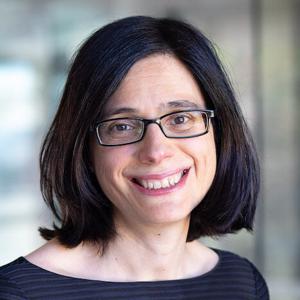

PMWC LUMINARY AWARD
Shaped modern single-cell genomics and AI-driven drug discovery
Ph.D., Head, Executive Vice President, Genentech Research and Early Development, Genentech
Biography
Dr Regev joined Genentech in August 2020 as Head and Executive Vice President, Genentech Research and Early Development. In this role, she is responsible for the management of all aspects of gRED’s drug discovery and drug development activities. In addition, Dr Regev is a member of the Genentech Executive Committee and Board of Directors, and a member of the expanded Corporate Executive Committee for Roche. She also run an active research lab focused on developing and applying experimental methods and computational algorithms to decipher intra- and intercellular circuits in cells in tissues.
Prior to Genentech, Dr. Regev served as Chair of the Faculty, Core Institute Member (currently on leave), Founding Director of the Klarman Cell Observatory, and member of the Executive Leadership Team of the Broad Institute of MIT and Harvard, as well as Professor of Biology at MIT (currently on leave) and Investigator at the Howard Hughes Medical Institute. She is a founding co-chair of the Human Cell Atlas.
Speaker Profile
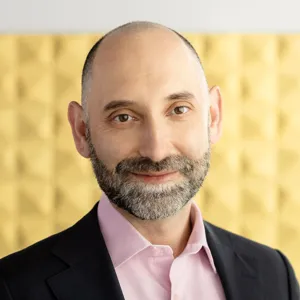

Ph.D., CEO & Co-Founder, 10x Genomics
Biography
Serge Saxonov is the co-founder and CEO of 10x Genomics, a leader in singlecell and spatial biology. 10xs mission is to accelerate the mastery ofbiology to advance human health. Under Serges leadership, 10x hasdelivered groundbreaking products that have transformed how researchersexplore biology. These tools and technologies have been cited in more than10,000 high-impact publications and have enabled discoveries across nearlyevery area of life sciences.As a scientist, inventor and entrepreneur, Serge guided 10x from anearly-stage startup through one of the fastest revenue ramps in theindustrys history to its public debut on Nasdaq (TXG), and has since ledthe companys continued growth and innovation. Before 10x, he was part ofthe founding team at 23andme, where he pioneered the companys coretechnology and product concepts, and later served as Vice President ofApplications at QuantaLife, which was acquired by Bio-Rad.Serges leadership and entrepreneurship have been recognized by GoldmanSachs, which named him one of its 100 Most Intriguing Entrepreneurs in2016, and by the San Francisco Business Times, which honored him as one ofthe Bay Areas Most Admired CEOs in 2021. He earned his A.B. in AppliedMathematics from Harvard College and his Ph.D. in Biomedical Informaticsfrom Stanford University.
Speaker Profile
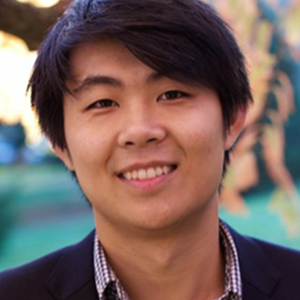

Ph.D., Core Institute Member, Broad Inst.
Biography
Fei Chen is a core institute member at the Broad Institute and an associate professor in the Department of Stem Cell and Regenerative Biology at Harvard University. Chen’s laboratory is building tools that bridge single-cell genomics with space and time, to enable discoveries of where cell types are localized within intact tissues, as well as when relevant transcriptional modules are active. To do this, the lab is developing novel experimental and computational technologies at the intersection of microscopy, genomics, and synthetic biology. His group is applying these tools to learn organizational principles governing tissue development and cellular mechanisms of disorganization during injury and disease.
Chen obtained his Ph.D. in biological engineering from MIT, where he worked with Ed Boyden. His awards include the National Institutes of Health Director’s Early Independence Award, the Searle Scholars Award, the Burroughs Wellcome CASI Award, the Allen Distinguished Investigator Award, and a Merkin Institute Fellowship.
Speaker Profile
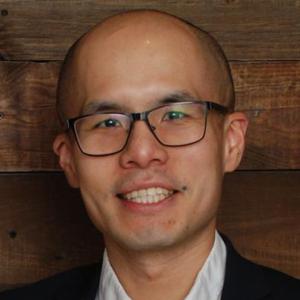

M.D., Ph.D., Assistant Professor of Medicine, Brigham & Women's Hospital
Biography
Dr. Kevin Wei is an Assistant Professor of Medicine at Harvard Medical School and an associate rheumatologist at Brigham and Women’s Hospital. Dr. Wei received his Bachelor of Science in biology from Duke University and his medical as well as doctoral degrees from Stanford University School of Medicine. He completed his internal medicine residency followed by a rheumatology fellowship at Brigham and Women’s Hospital. He is a member of the NIH’s Accelerating Medicines Partnership (AMP-RA/SLE) consortium. Dr. Wei is co-Director of the BWH Center for Cellular Profiling and Associate Director of the Harvard Medical School/BWH Joint Biology Consortium Cellular Systems Core. Dr. Wei’s research focuses on identifying novel cellular and molecular therapeutic targets in inflammatory diseases using single-cell and spatial technologies.
Talk
Towards Precision Medicine in Chronic Inflammatory Diseases.
n/a
Speaker Profile


M.D., Ph.D., Senior Associate Vice Provost for Research, Stanford
Biography
Dr. Langlotz is Professor of Radiology, Medicine, and Biomedical Data Science, and Senior Associate Vice Provost for Research at Stanford University. He also serves as Director of the Center for Artificial Intelligence in Medicine and Imaging (A IMI Center), which comprises over 250 faculty at Stanford who conduct interdisciplinary machine learning research to promote health. Dr. Langlotz's laboratory develops machinelearning methods to detect disease and eliminate diagnostic errors. He has led many national and international efforts to improve medical imaging, including the Rad Lex terminology standard and the Medical Imaging and Data Resource Center (MIDRC), a U. S. national imaging research resource.
Speaker Profile
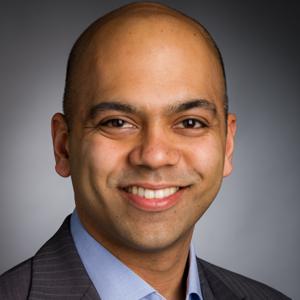
M.D., VP, Genentech
Biography
Nikhil Wagle, MD, is an Assistant Professor of medicine at Harvard Medical School, a medical oncologist at Dana-Farber Cancer Institute, and an Institute Member of the Broad Institute of MIT and Harvard.
Dr. Wagle leads a translational research program in cancer genomics and cancer precision medicine, with a particular focus on metastatic breast cancer. The major goals of his work are to better understand the biology of cancer and to develop new ways to overcome or prevent drug resistance in patients with advanced cancer. Ultimately, his research aims to develop new therapeutic strategies and to identify characteristics of tumors that might improve clinical decision-making for patients.
He has been a pioneer in the development and use of next-generation sequencing for cancer precision medicine, and has made major contributions to the understanding of mechanisms of resistance to targeted therapies in multiple cancer types. Over the past several years, he has focused on understanding the genomics of metastatic breast cancer, particularly through identifying and characterizing multiple clinical mechanisms of resistance to endocrine therapies, CDK4/6 inhibitors, and other therapies in ER+ metastatic breast cancer.
Dr. Wagle also is the president and director of Count Me In (JoinCountMeIn.org), a non-profit organization and research initiative aimed at making it possible for cancer patients anywhere in the United States and Canada to be partners in cancer research. The program directly engages patients with cancer and seeks to empower them to accelerate cancer research through sharing their samples, clinical information, and experiences. The project’s outreach program, developed in collaboration with advocacy organizations and patients, serves to connect thousands of patients regardless of where they live.
Wagle received his M.D. from Harvard Medical School and completed his residency training in internal medicine at Brigham and Women’s Hospital, where he also served as chief medical resident; he completed his fellowship training in hematology/oncology in the Dana-Farber/Partners program. He conducted his postdoctoral studies in the lab of Levi Garraway at the Broad Institute and Dana-Farber Cancer Institute.
Speaker Profile
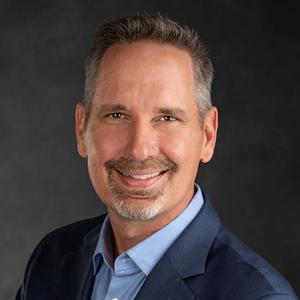

President, Bruker
Biography
Speaker Profile
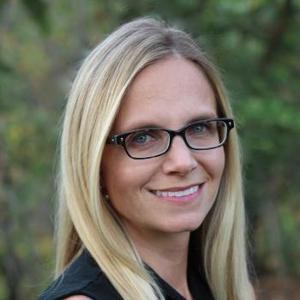
Ph.D., Professor of Medicine, Stanford
Biography
Christina Curtis, PhD, MSc is the RZ Cao Professor of Medicine, Genetics, and Biomedical Data Science, Senior Vice Chair of Research in the Department of Medicine and Director of AI and Cancer Genomics at Stanford School of Medicine. Dr. Curtis's laboratory leverages computational modeling, high-throughput molecular profiling and experimentation to develop new ways to diagnose, treat and prevent cancer. Her research has redefined the molecular map of breast cancer and led to new paradigms in understanding the origins of human cancers, as well as how they evolve and metastasize.Dr. Curtis's accomplishments have been recognized by numerous awards, including the 2018 National Institutes of Health (NIH) Director's Pioneer Award, the 2022 American Association for Cancer Research (AACR) Award for Outstanding Achievement in Basic Science, the 2024 Brinker Award for Scientific Distinction in breast cancer research and 2024 AACR - Breast Cancer Research Foundation (BCRF) Award for Outstanding Achievement in Breast Cancer Research, as well as the 2025 European Society for Molecular Oncology (ESMO) Translational Award and the Paul Marks Prize for Cancer Research. She is a Susan G. Komen Scholar, a Chan Zuckerberg Biohub Investigator, and a Fellow of the American Association for Cancer Research (FAACR).In addition to her research, Dr. Curtis is an influential voice in the scientific, clinical and biopharma communities. She is an advisor to multiple academic institutes, as well as to biopharma and biotech. She has served on the editorial boards of journals, spanning computational biology to precision oncology, including Science, Cancer Discovery and Molecular Cancer Research. Dr. Curtis was a member of the AACR Board of Directors and is the chair of the AACR Data Science Task Force. She is also active within several clinical trial and cooperative groups, including the Alliance for Clinical Trials in Oncology, and American College of Radiology Imaging Network (ECOG/ACRIN), where she leads translational bioinformatics.
Speaker Profile
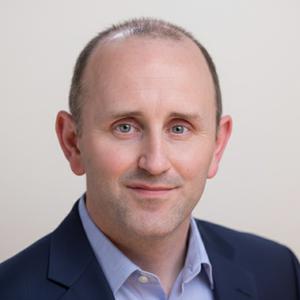

Rancho BioSciences
Biography
Dan Rozelle leads Data Analytics at Rancho BioSciences, guiding the Bioinformatics and Data Science teams and shaping Rancho’s scientific innovation agenda. Since joining Rancho in 2016, he has grown a diverse organization of computational scientists and launched industry-defining initiatives including the Single Cell Data Science Consortium and the Spatial Innovation Initiative.
Dan focuses on advancing analytical excellence across oncology, immunology, neuroscience, and other therapeutic areas while accelerating Rancho’s investment in next generation technologies and data products. His teams consistently deliver high impact scientific results and contribute to leading peer reviewed publications.
Dan holds a PhD in Cell and Developmental Biology from the University of California at Davis and has more than twelve years of experience in biomedical research, data science, and scientific leadership."
Speaker Profile
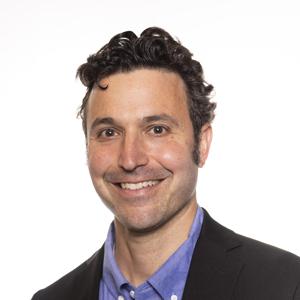

M.D., Ph.D., Chief Executive Officer, Co-founder, PathAI
Biography
Andy earned his MD from Brown Medical School and completed residency and fellowship training in Anatomic Pathology and Molecular Genetic Pathology from Stanford University. He completed a PhD in Biomedical Informatics from Stanford University, where he developed one of the first machine-learning based systems for cancer pathology. He’s been certified by the American Board of Pathology in Anatomic Pathology and Molecular Genetic Pathology. Prior to co-founding PathAI, he was on the faculty of Harvard Medical School in the Department of Pathology at Beth Israel Deaconess Medical Center. He has published over 110 papers in the fields of cancer biology, cancer pathology, and biomedical informatics.
Speaker Profile
Ph.D., CEO & Co-Founder, 10x Genomics
Biography
Serge Saxonov is the co-founder and CEO of 10x Genomics, a leader in singlecell and spatial biology. 10xs mission is to accelerate the mastery ofbiology to advance human health. Under Serges leadership, 10x hasdelivered groundbreaking products that have transformed how researchersexplore biology. These tools and technologies have been cited in more than10,000 high-impact publications and have enabled discoveries across nearlyevery area of life sciences.As a scientist, inventor and entrepreneur, Serge guided 10x from anearly-stage startup through one of the fastest revenue ramps in theindustrys history to its public debut on Nasdaq (TXG), and has since ledthe companys continued growth and innovation. Before 10x, he was part ofthe founding team at 23andme, where he pioneered the companys coretechnology and product concepts, and later served as Vice President ofApplications at QuantaLife, which was acquired by Bio-Rad.Serges leadership and entrepreneurship have been recognized by GoldmanSachs, which named him one of its 100 Most Intriguing Entrepreneurs in2016, and by the San Francisco Business Times, which honored him as one ofthe Bay Areas Most Admired CEOs in 2021. He earned his A.B. in AppliedMathematics from Harvard College and his Ph.D. in Biomedical Informaticsfrom Stanford University.
Speaker Profile
Chair in Stem Cell Medicine, U. of Cambridge
Biography
Sarah completed her PhD at Cambridge's MRC Laboratory of Molecular Biology and was a Beit Memorial Fellow at UCL. She established her research group in 2001, discovering that protein assembly pathways are stereotypical and conserved. In 2016, she was appointed as the Head of the Cellular Genetics programme at the Wellcome Sanger Institute and co-founded the Human Cell Atlas initiative. From April 2024, she was appointed chair in Stem Cell Medicine at the University of Cambridge, within the Department of Medicine and the Cambridge Stem Cell Institute. Additionally, Sarah dedicates part of her time to GlaxoSmithKline, is a non-executive director of 10x Genomics, and has co-founded two startup companies. The Teichmann lab focuses on developing and applying cell atlas technologies to understand human tissue architecture, particularly examining how cellular diversity is generated in the immune system and during development.