Session Abstract – PMWC 2027 Silicon Valley

Track Chair:
Wendy Chung, Boston Children's / Harvard
PMWC Award Ceremony
• Wendy Chung, Boston Children's / Harvard (Pioneer)
• Eric Lander, Broad Institute (Pioneer)
Featured Speakers
• Wendy Chung, Boston Children's / Harvard
• Eric Lander, Broad Institute
• Zhanzhi (Mike) Hu, Project GUARDIAN / Columbia
• Tippi MacKenzie, UCSF
• Ryan Taft, Genetic Alliance
• Heidi Cope, RTI International
• Michele Caggana, NY State DOH Wadsworth Center
• Elad Ziv, UCSF
• Scott Grosse, University of Minnesota
• Mike Talkowski, Mass General / Harvard
• F. Sessions Cole, WashU
• Lee Hood, Phenome Health / ISB
• Trey Ideker, UC San Diego
• Ralph Snyderman, Duke
• Craig Mundie, Mundie & Associates
• George Church, Harvard
Beyond the Exome: Solving Undiagnosed Disease
The next layer of rare-disease diagnosis beyond standard sequencing.
Population Genomic Screening
From newborn sequencing to implementation, evidence, economics, and equity.
Structural Variants & Long Reads
Solving cases missed by conventional sequencing.
Launching the Human Phenome Initiative
From genome to phenome as a global health infrastructure challenge.
Data-Driven Health
AI, longitudinal data, and personalized clinical medicine.
Engineering the Future of Health
Genomes, cells, and engineering biology as precision medicine moves upstream.
Speaker Profile
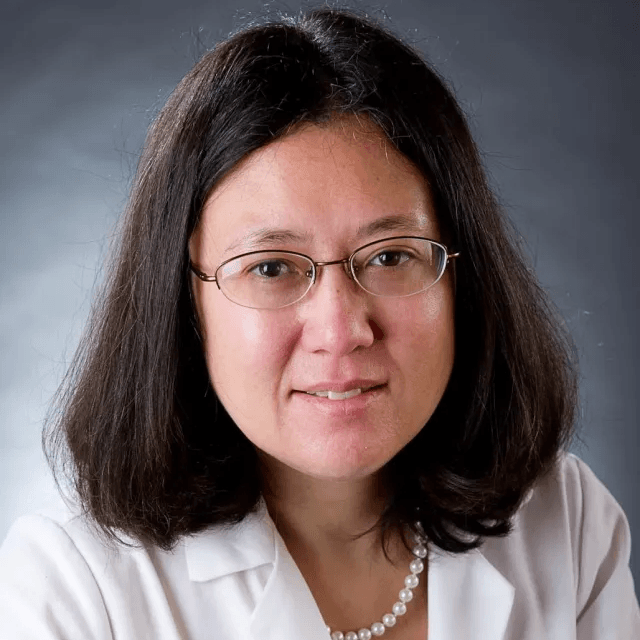

PMWC PIONEER AWARD
Pioneered rare disease genomics and newborn sequencing for earlier diagnosis
M.D., Ph.D., Chief, Department of Pediatrics, Harvard
Biography
Wendy Chung is a leading figure in rare disease genomics and precision pediatrics. She has identified the genetic basis for more than 60 novel human Mendelian conditions and has helped define how genomic discovery can be translated into clinical care for children with rare and complex disorders.
Her work has also been central to the implementation of genomic medicine at scale, including major efforts in autism and rare neurogenetic disease through SPARK and Simons Searchlight. More recently, she has helped lead the field toward genomic newborn screening through GUARDIAN, a large prospective study evaluating genome sequencing for early detection of rare, treatable conditions.
Chung has also advanced a model for how genomic diagnosis can lead directly to personalized treatment, including work on antisense oligonucleotide therapy for KIF1A-associated neurological disorder. A member of the National Academy of Medicine, she continues to shape the future of rare disease diagnosis, newborn screening, and genomic implementation.
Talk
GUARDIAN genomic newborn screening
GUARDIAN is a pilot study that has demonstrated the feasibility and acceptability of genomic newborn screening within the public health setting. Screening over 25,000 newborns has diagnosed ~ 2.5% of newborns with treatable conditions.
Speaker Profile
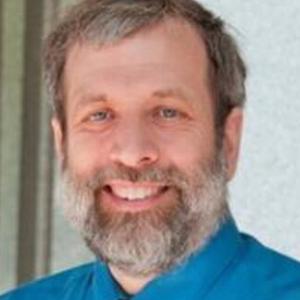

Ph.D., Assistant Professor (Adjunct), U. of Minnesota
Biography
Scott Grosse is a health economist who researches the population health and economic impacts of newborn screening and genetic testing initiatives. He has published roughly 300 journal articles, including policy analyses, evidence reviews, and commentaries. He worked at the CDC for more than 28 years before retiring in December 2024. He was also part of an Evidence-based Review Group that was contracted to conduct evidence syntheses for conditions nominated for the US Recommended Uniform Screening Panel. He also collaborated for many years with CDC’s Office of Genomics and Precision Public Health on assessments of the clinical and diagnostic utility of testing for hereditary disorders in adults. He is a member of the American Economic Association, International Health Economics Association, ISPOR, the International Society for Neonatal Screening, and the International Consortium on Newborn Sequencing.
Speaker Profile
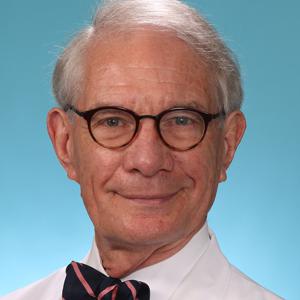
M.D., Consultant, Harvard Medical School; Chair, UDNF Board of Directors, UDNF
Biography
F. Sessions Cole is an advocate for the patient- and research-informed model of care developed by the Undiagnosed Diseases Network which has solved ~1,000 medical mysteries through team science over the last 11 years. As a neonatologist, he contributed in the 1990s to the discovery of the first monogenic cause of progressive, lethal respiratory failure in term infants (surfactant protein B deficiency) and its treatment with infant lung transplantation. Since then, he has participated in the diagnosis of multiple ultra-rare genetic diseases among undiagnosed individuals. His research focuses on using advanced computational genomic analysis and a variety of cell- and model organism-based platforms for functional characterization of pathogenic variants in infants, children, and adults with undiagnosed and ultra-rare conditions. He has also led efforts to develop prioritization of mechanism-based, patient-informed therapeutic strategies for ultra-rare conditions.
Speaker Profile
PMWC PIONEER AWARD
Pioneered rare disease genomics and newborn sequencing for earlier diagnosis
M.D., Ph.D., Chief, Department of Pediatrics, Harvard
Biography
Wendy Chung is a leading figure in rare disease genomics and precision pediatrics. She has identified the genetic basis for more than 60 novel human Mendelian conditions and has helped define how genomic discovery can be translated into clinical care for children with rare and complex disorders.
Her work has also been central to the implementation of genomic medicine at scale, including major efforts in autism and rare neurogenetic disease through SPARK and Simons Searchlight. More recently, she has helped lead the field toward genomic newborn screening through GUARDIAN, a large prospective study evaluating genome sequencing for early detection of rare, treatable conditions.
Chung has also advanced a model for how genomic diagnosis can lead directly to personalized treatment, including work on antisense oligonucleotide therapy for KIF1A-associated neurological disorder. A member of the National Academy of Medicine, she continues to shape the future of rare disease diagnosis, newborn screening, and genomic implementation.
Speaker Profile


Sc.D., Retired, Retired, NYSDOH
Biography
Michele Caggana received her doctorate from the Harvard School of Public Health and completed a clinical molecular genetics fellowship at Mt. Sinai School of Medicine. She was boarded by the American Board of Medical Genetics, 1996-2025. Dr. Caggana retired from Wadsworth Center in 2025. She was the Deputy Director, Division of Genetics, Chief of the Laboratory of Human Genetics, and Director of the Newborn Screening (NBS) Program. She continues to work with the Centers for Disease Control and Prevention (CDC) and the Association of Public Health Laboratories (APHL). She is a member/past Chair of APHL’s NBS Committee and the Molecular Subcommittee. Dr. Caggana served on the federal Advisory Committee for Heritable Disorders in Newborns and Children until its dissolution in 4/2025. She served on the National Advisory Child Health and Human Development Council. Dr. Caggana was funded by the NICHD, CDC, APHL and HRSA. Her career-long effort focused on molecular and genomic NBS.
Speaker Profile
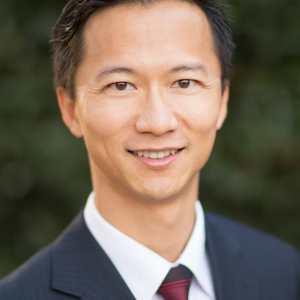

Ph.D., Cofounder, Treasurer, Project GUARDIAN
Biography
Dr. Zhanzhi Hu (aka Mike) is a genetics researcher and a parent of two children with a rare disorder. He is an ardent advocate for newborn screening and focuses on using genomics to address the critical need of expanding the public health screening program. Mike cofounded Project GUARDIAN, a nonprofit organization with the mission of advancing genomics based newborn screening.
Speaker Profile
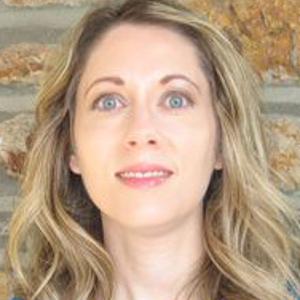

MS, CGC, Heidi Cope is a Senior Research Genetic Counselor at RTI International with expertise in genomic counseling and the use of genomic sequencing to diagnose rare diseases. Ms. Cope is the Associate Director of Early Check, a voluntary newborn screening program in North Carolina that uses genome sequencing to screen newborns for hundreds of genetic conditions. She is experienced in large-scale translational research implementation, including recruitment, consent, and return of results. Much of Ms. Cope’s career has been spent in multidisciplinary research groups seeking to use advanced technologies to find diagnoses for patients. Ms. Cope has experience utilizing genomic tools for variant annotation, prioritization, and interpretation. Before joining RTI, she was a genetic counselor at the Duke clinical site of the Undiagnosed Diseases Network. Ms. Cope is a Certified Genetic Counselor recognized by the American Board of Genetic Counseling. She is a member of the National Society of Genetic Counselors, American College of Medical Genetics and Genomics, and the North Carolina Medical Genetics Association., RTI
Biography
Ms. Cope directs Early Check, a statewide genomic newborn screening research program in North Carolina conducted in partnership with the North Carolina State Laboratory of Public Health and the University of North Carolina at Chapel Hill. She has extensive experience evaluating genes for inclusion in genomic newborn screening, including assessing gene¬-disease validity and clinical actionability. Her expertise also includes variant interpretation, return of results, and genomic counseling. Prior to joining Early Check, she spent 17 years in genomics research at Duke University Medical Center, using advanced genomic technologies to help end diagnostic odysseys and identify diagnoses for patients.
Speaker Profile
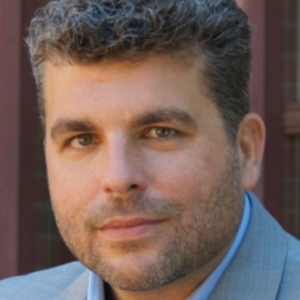
Ph.D., Director, Harvard
Biography
Michael Talkowski received his Ph.D. in human genetics and trained in neurodevelopmental genomics as a postdoctoral fellow at Harvard Medical School, Massachusetts General Hospital and the Broad Institute of MIT and Harvard. His research program focuses on understanding the genetic etiology of disorders affecting prenatal, neonatal, and early childhood development, particularly autism and human developmental disorders. His group integrates molecular and computational approaches to explore the consequences of genomic variation with a particular interest in the relationship between genome structure and function and how this contributes to human disease, particularly neurodevelopmental disorders.
Talkowski is currently the director of the Center for Genomic Medicine at Massachusetts General Hospital and a professor in the Department of Neurology at Harvard Medical School. He is also an institute member at the Broad Institute, where he co-leads the Broad Structural Variation Group and the NeuroDevelopmental Variability Initiative. He also co-directs several international consortia related to autism, fetal genomics and large-scale reference resources, including the genome aggregation database (gnomAD) and the All of Us Research Program.
Speaker Profile


M.D., Ph.D., Founder & CEO, n-Lorem Foundation
Biography
Dr. Stanley Crooke is founder, chairman and chief executive officer of n-Lorem, a nonprofit foundation focused on providing treatments for patients with nano-rare disease patients (1 to 30 patients worldwide), which he initiated in January 2020.
Prior to n- Lorem, Dr. Crooke founded and was Chairman and Chief Executive Officer and Lead Scientist of Ionis Pharmaceuticals. During his tenure at Ionis, he led the scientific development of a new platform for drug discovery, antisense technology and the creation of one of the largest and more advanced development pipelines in the biotechnology industry, and commercialized several antisense drugs including, SPINRAZA® (nusinersen), TEGSEDI™ (inotersen) and others. Early in Dr. Crooke’s career, he led the creation of the first broad anticancer program in the industry at Bristol-Myers, bringing numerous anticancer drugs to the market in the first five years of his career. He then assumed responsibility for worldwide R&D (president) at SmithKline Beckman (now GSK). During his tenure at SKB, Dr. Crooke led the restructuring of R&D and the development of several drugs that were commercialized.
Dr. Crooke has also contemporaneously led a successful academic career becoming a full professor at Baylor College of Medicine and the University of Pennsylvania Medical School where he trained a number of Ph.D. students and won several teaching awards. Dr. Crooke has been an active scientist throughout his career as well.
Dr. Crooke has received a number of awards, most recently, the Indiana University School of Medicine Steven C. Beering Award, the Prix Galien Roy Vagelos Pro Bono Humanum Award, the American Chemical Society’s E.B. Hershberg Award for Important Discoveries in Medicinally Active Substances, the Lifetime Achievement Award presented by the Oligonucleotide Therapeutics Society, the Scrip Lifetime Achievement Award and the 2019 Massry Prize.
Dr. Crooke received his M.D. and Ph.D. degrees and house staff training at Baylor College of Medicine, where he currently serves on the Board of Advisors. In 2021, Dr. Crooke has been named Distinguished Alumnus of both Baylor College of Medicine’s Graduate and Medical schools and named one of the 20 of the most influential biopharma R&D executives by Endpoints News. He has published nearly 600 scientific publications, edited more than 20 books, has numerous patents, and led the development of more than 23 drugs that have been commercialized.
Speaker Profile
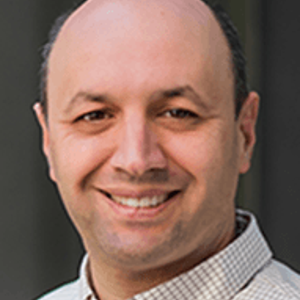

M.D., Professor, UCSF
Biography
Elad Ziv is a physician-scientist whose research focuses on germline genetic susceptibility to cancer and treatment outcomes. His group focuses on genetics of breast cancer in Latinas and on genetics of immunotherapy. He and his colleagues have often leveraged concepts from population genetics to help guide their studies of cancer. He completed his undergraduate degree at Yale University and received his MD from UCSF where he also completed residency training in internal medicine and fellowship training in epidemiology and clinical research. He is an elected member of the American Society for Clinical Investigation.
Speaker Profile


PMWC PIONEER AWARD
Helped launch genomic medicine through the Human Genome Project and Broad Institute
Ph.D., Fouding Director and Core Institute Member, Broad Inst.
Biography
Eric S. Lander is one of the defining leaders of modern genomics. A mathematician, geneticist, and molecular biologist, he was a leader of the international Human Genome Project and head of its largest sequencing center, and helped build the genomic foundation on which variant interpretation, rare disease diagnosis, and genomic medicine now rest.
As founding director of the Broad Institute of MIT and Harvard, Dr. Lander created one of the world's most influential engines for biomedical discovery, uniting genomics, computation, biology, and medicine at scale. His work established methods for mapping the genetic basis of human disease and interpreting human genetic variation, the scientific groundwork that makes today's clinical genomic diagnosis possible.
Dr. Lander has served the public as co-chair of President Obama's Council of Advisors on Science and Technology and as Science Advisor to President Biden. His honors include the MacArthur Fellowship, the Breakthrough Prize in Life Sciences, and the Gairdner Award.
PMWC is honored to recognize Dr. Lander with the 2027 Pioneer Award for his foundational role in transforming genomics from a scientific moonshot into the platform that now drives precision diagnosis and care.
Speaker Profile


Ph.D., Chief Scientific Offiver, Genetic Alliance
Biography
Ryan J. Taft, PhD, is Chief Scientific Officer of Genetic Alliance, and founder of RISE (formerly iHope) a global rare disease program providing diagnostic genomic sequencing and clinical and patient support in 17 countries. The program has delivered genomic testing to more than 4,000 patients with suspected genetic conditions, achieving diagnostic yields above 40% and changing clinical management for roughly 70% of diagnosed patients. Dr. Taft also serves as Head of Precision Medicine at EspeRare, advancing therapeutic development for rare disease. Previously, he was SVP Genomics R&D at Tempus AI, VP Scientific Research at Illumina and a faculty member at the University of Queensland (Australia), where his laboratory studied the genomic basis of pediatric neurodevelopmental disorders. His current work focuses on expanding access to genomic diagnostic testing and precision therapeutics worldwide, and the use AI-enabled systems to augment all aspects of the patient journey.
Speaker Profile
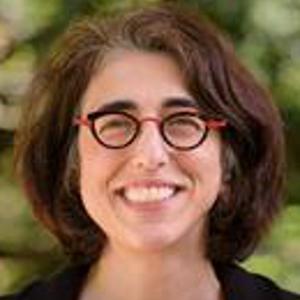
M.D., Professor, UCSF
Biography
Dr. Tippi MacKenzie, a pediatric surgeon at UCSF Benioff Children's Hospital and its Fetal Treatment Center, has special interests in fetal surgery, advanced laparoscopy, and endocrine and biliary surgery. She is a member of the Biomedical Sciences Program and Institute for Regeneration Medicine, with a research focus on stem cell transplantation in utero to treat genetic disease.
MacKenzie earned a medical degree at Stanford University and completed a general surgery residency at Brigham and Women's Hospital in Boston. She completed a pediatric surgery fellowship at the Children's Hospital of Philadelphia, where she held a clinical appointment in general, thoracic and fetal surgery.
Speaker Profile
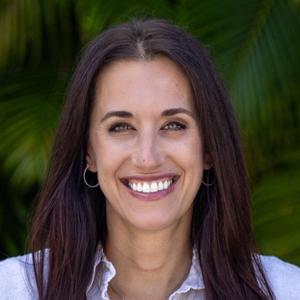

Ph.D., SVP, Medical Affairs, GeneDx
Biography
Britt oversees research collaborations, clinical data analysis, science writing, publications, and research strategy at GeneDx— all in service of expanding access to genomic testing, reducing the diagnostic odyssey for patients with rare disease, and improving their clinical outcomes.
Her career has been shaped by the conviction that genomic information is essential to healthcare decision-making — not only delivering diagnoses but meaningfully guiding clinical management. Prior to GeneDx, she held broad leadership roles at Invitae Corporation, including directing U.S. Medical Affairs, leading clinical genomics reporting teams, designing inherited metabolic and immunology testing menus, and supporting platform innovations spanning machine learning, MAVEs, and RNAseq. Earlier, she served as Technical Director of the Clinical Biochemical Genetics Diagnostic Laboratory at the University of Miami, a confirmatory newborn screening center for Florida, where she also built a sponsored testing program for patients with lysosomal storage diseases in Latin America.
Speaker Profile


M.D., Chief Medical Officer, Chief Quality Officer, Baylor Genetics
Biography
Dr. Eng leads Baylor Genetics' clinical strategy, ensuring the highest standards of diagnostic accuracy, and oversees quality systems that support reliable and scalable genomic testing.
She is also Professor of Molecular and Human Genetics and Vice Chair of Diagnostics at Baylor College of Medicine, as well as an Attending Physician in Pediatric Genetics at Texas Medical Center.
Dr. Eng has more than 25 years of experience spanning academic and commercial laboratories. She is senior author of landmark publications in the New England Journal of Medicine and JAMA on exome sequencing and serves as principal investigator of the genome sequencing core for the NIH Undiagnosed Diseases Network. She was elected to the American Society of Human Genetics Board of Directors in 2024.
Dr. Eng was named Woman Scientist of the Year in the 2025 Stevie Awards for Women in Business. Previously, she was recognized by Modern Healthcare as one of their Top Women leaders.
Speaker Profile
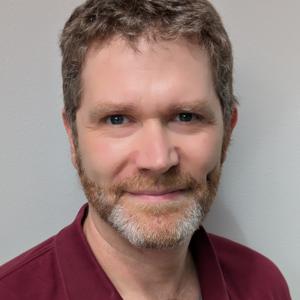
Director, Computational Methods at Broad Institute of MIT and Harvard, Broad Inst.
Biography
Lee Lichtenstein provides scientific and technical leadership for the development, curation, and large-scale delivery of 'omic data to the research community. He led multidisciplinary teams responsible for producing and releasing one of the world's largest 'omic datasets through the NIH All of Us Research Program, including the June 2026 release of genomic data from more than 535,000 participants. His work spans the coordination and development of genome analysis pipelines, quality control, validation, data integration, and the generation of auxiliary genomic resources that enable broad scientific use. He has extensive experience guiding complex collaborations across engineering, computational, bioinformatics, and research organizations while ensuring that data products are robust, reproducible, and accessible. He also oversees community-facing deployment, documentation, and user support of 'omic data, helping translate researcher feedback into continuous improvements in data quality, usability, and scientific impact.
Talk
Bigger Data, Better VUS Resolution: Scaling Variant Interpretation
Clinical variant of uncertain significance (VUS) classification is slow and least accurate for underrepresented populations. All of Us's biobank-scale, diverse genomic and phenotype data increase speed and accuracy via the new Variant Interpretation Application (VIA). Without coding, clinical interpreters can query population frequencies, phenotypes, zygosity, and phasing for faster diagnoses.