





Session Abstract – PMWC 2027 Silicon Valley

Track Chair:
Sharat Israni, UCSF
PMWC Award Ceremony
• Regina Barzilay, MIT
• Joe Petro, Microsoft
• Curtis P. Langlotz, Stanford University
Keynote: The Future of AI in Medical Imaging
• Curtis P. Langlotz, Stanford University
From Foundation Models to Digital Twins: AI Reshaping Clinical Imaging
• Chair: Alexander Weir, Canon Medical
• Regina Barzilay, MIT
• Kevin Blyth, University of Glasgow
• Curtis P. Langlotz, Stanford University
Fireside Chat
• Eric Horvitz, Microsoft
• Curtis P. Langlotz, Stanford University
Getting Real Results from AI
• Martin Stumpe, Danaher
Keynote: AI Tools for Cancer Diagnostics and Treatment
• Regina Barzilay, MIT
From Multimodal Data to Clinical Digital Twins: Linking Imaging, Omics, and Decisions
• Stephen Quake, Stanford
AI & Omics Foundation Models Powering Translational Research
• Chair: Janusz Dutkowski, Data4Cure
• Alex Moreau, Champions Oncology
• Jadwiga Bienkowska, Pfizer
AI-Enhanced Imaging: Radiomics, Radiogenomics, and Simulation
• Chair: Chris Hare, Canon Medical
• Ángel Alberich-Bayarri, Quibim
• Kevin Blyth, University of Glasgow
• Maria del Mar Alvarez-Torres, Columbia University
Clinical Workflow Integration & Decision Support in Imaging
• Chair: Sharat Israni, UCSF
• David S. Liebeskind, UCLA
• Rajesh Shah, UCSF
• Roxana Daneshjou, Stanford University
• Mohammad Alexanderani, U Pitt
• Orly Ardon, Memorial Sloan Kettering Cancer Center
AI-Powered Serverless HPC for Scientific Discovery
• Fengbo Ren, Fovus
Speaker Profile
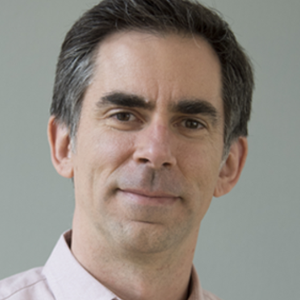
Ph.D., Director, Broad Inst. of MIT & Harvard
Biography
Ben Deverman is the senior director of the vector engineering research group at the Stanley Center for Psychiatric Research at the Broad Institute of MIT and Harvard, where he is also an institute scientist. The vector engineering team develops innovative gene delivery solutions for studying the central nervous system (CNS), with the aim of uncovering new avenues for treating psychiatric disorders. His group applies a variety of approaches including protein engineering, high-throughput in vivo selection and screening methods, and machine learning to develop novel AAV vectors that overcome pressing gene delivery challenges. In recent work, the Deverman team and collaborators found that the AAV-PHP.B family of capsids, which efficiently deliver genes throughout the mouse CNS, cross the blood-brain barrier by engaging a novel receptor on the vasculature, providing mechanistic insights that can be leveraged to engineer the next generation of AAV capsids for human CNS gene therapy. In response to the COVID-19 pandemic, the Deverman lab built and maintains COVID-19 CG, an interactive, open access browser to help vaccine, therapeutics, and diagnostics developers and public health officials track SARS-CoV-2 mutations and lineages by location and time.
Deverman joined the Broad in March 2018. Before this, he was the director of the CLARITY, Optogenetics and Vector Engineering Research (CLOVER) Center within the Beckman Institute at the California Institute of Technology. At Caltech, Deverman and colleagues identified numerous capsids, including AAV-PHP.B and an enhanced variant, AAV-PHP.eB, that made efficient brain-wide gene delivery in the adult possible for the first time. AAV-PHP.B and AAV-PHP.eB are now in use in laboratories around the world and are enabling a wide range of translational and basic neuroscience experiments. Deverman led the generation of the panel of AAV-PHP capsids by developing a novel AAV selection method, called Cre Recombinase-based Targeted Evolution (CREATE), that uses Cre transgenics to select for AAVs that transduce defined target cell types.
Deverman has nearly 14 years of experience as a molecular biologist studying neuroscience and AAV engineering. As a postdoctoral fellow and research scientist at the California Institute of Technology, Deverman’s research focused on viral vector development and the roles of cytokines during neurodevelopment and in the context of demyelinating disease. He received a Ph.D. in molecular and cellular biology from Washington University School of Medicine and a B.S. in biochemistry from the University of Detroit Mercy. In 2019 he received the Broad Institute Excellence Award in Mentorship, Teaching, and Training and is a recipient of a Merkin Institute Fellowship at the Broad.
Speaker Profile
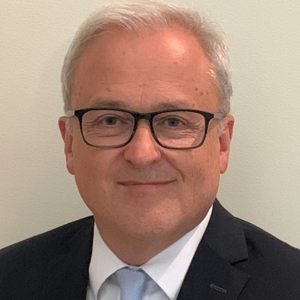

M.D.,Ph.D., VP, Daiichi Sankyo
Biography
Gerold is Medical Oncologist and Hematologist with 17 years of academic background, including 3 years as a Research Fellow at the Dana-Farber Cancer Institute, and 20 years in oncology drug development in the pharmaceutical industry. He currently serves as Head of Early-Stage Oncology Team Leads at DSI. Prior to that, he was VP, Global Team Lead, responsible for the development of trastuzumab deruxtecan (DS-8201, ENHERTU). Prior to Daiichi Sankyo, Dr. Meinhardt served in different roles at Bayer Pharmaceuticals for more than 15 years, most notably as Vice President in Clinical Development leading the development of multikinase inhibitors sorafenib and regorafenib. Dr. Meinhardt has authored more than 60 PubMed-listed publications.
Speaker Profile
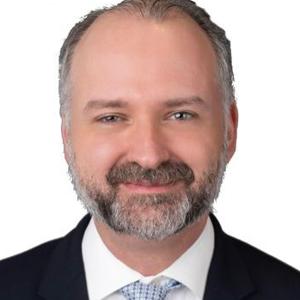
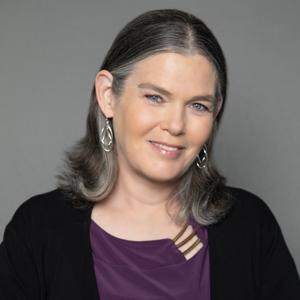
M.D., Director, Harvard
Biography
Elad Sharon, MD, MPH, is a medical oncologist at the Dana-Farber Cancer Institute, where he is the Clinical and Translational Director of the Immunotherapy Toxicity Program and a Member of the Faculty of Medicine at Harvard Medical School. From 2011 through August 2023, Dr. Sharon served as a senior investigator in the Investigational Drug Branch of the NCI Cancer Therapy Evaluation Program (CTEP). In that role, he worked with academic and industry colleagues to develop promising new cancer therapies. His portfolio included antibody-drug conjugates, immune checkpoint inhibitors and other agents. He also served as an attending physician in NCI Developmental Therapeutics Clinic. As part of his work in immunotherapy drug development, he has made a major effort to advance the understanding of immune-related adverse events, including the establishment of the Alliance-NIH irAE Biorepository, for which he continues to be the Medical Oncology Chair. In addition, Dr. Sharon is the Co-Principal Investigator of the AIM-NIVO trial, evaluating the use of nivolumab for patients with pre-existing autoimmune disease. From 2017 through 2023, Dr. Sharon served as the Co-Chair of the NCI Cancer Moonshot’s Adult Immunotherapy Implementation Team, through which oversaw the Immuno-Oncology Translational Network to help the NCI accelerate cancer care innovation.
While working for the NCI CTEP, Dr. Sharon assisted in the review, approval, management, and analysis of hundreds of clinical trials conducted within the NCI’s academic and community oncology networks, including trials within the ETCTN, SWOG, the Alliance for Clinical Trials in Oncology, NRG, the Children’s Oncology Group, and ECOG-ACRIN. In addition, Dr. Sharon oversaw several trials leading to FDA approvals, including two rare cancer trials whose results led to the approval of atezolizumab for advanced Alveolar Soft Part Sarcoma and pembrolizumab for Merkel Cell Cancer. Dr. Sharon has had interactions with dozens of pharmaceutical companies, hundreds of academic sites, as well as years of formal interactions with the FDA on behalf of the NCI. Further, he has worked with several providers of data to evaluate real world evidence for use in drug development and patient safety analyses, through collaborations with the FDA, Friends of Cancer Research, and other stakeholders in the field.
In his new role, Dr. Sharon is seeking to develop innovative clinical trials to better understand the side effects associated with immune checkpoint inhibitors and other immunotherapy agents. He has been a national leader in this emerging field, conducting clinical and translational research for the NCI and DFCI, with impactful papers elucidating a mechanistic understanding of immune-related Adverse Events (irAEs) and their effect on overall patient well-being. To this end, he is now the Medical Oncology Co-Chair of the Alliance Immuno-Oncology Toxicity (IOTOX) Working Group. His efforts in immunotherapy drug development are also continuing, both at DFCI and nationally through the NCI-funded National Clinical Trials Network.
Dr. Sharon received his M.D. from Baylor College of Medicine in Houston, Texas in 2003. He completed his internal medicine residency at Emory University in 2006 and his Hematology/Oncology Fellowship at the NIH in 2011. He obtained a Master of Public Health degree at the Harvard School of Public Health in 2009.
Speaker Profile

PMWC LUMINARY AWARD
Built AI-driven platforms for computational biology and drug discovery
Ph.D., CEO and Founder, Insitro
Biography
Daphne Koller is CEO and Founder of insitro, a machine learning driven drug discovery and development company. Daphne is also cofounder of Engageli, was the Rajeev Motwani Professor of Computer Science at Stanford University, where she served on the faculty for 18 years, co-CEO and President of Coursera, and Chief Computing Officer of Calico Labs. She is the author of over 300 refereed publications, with an hindex of over 145. Daphne was named one of TIME Magazines 100 most influential people in 2012. She received the MacArthur Foundation Fellowship (2004), ACM Prize in Computing (2008), ACM AAAI Allen Newell Award (2019), and AnitaB.org Technical Leadership Abie Award Winner (2022). Daphne was inducted into the National Academy of Science (2023), the National Academy of Engineering (2011) and elected a fellow of the American Association for Artificial Intelligence (2004), the American Academy of Arts and Sciences (2014), and the International Society of Computational Biology (2017).
Speaker Profile
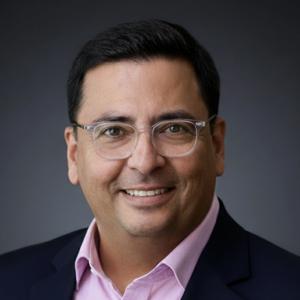

M.D., Global Head of Digital Technology & CMIO, Roche
Biography
Okan Ekinci, MD, MBA, is the Head of Digital Technology and Chief Medical Information Officer at Roche Information Solutions. He joined Roche in 2018 and served as Chief Medical Officer and Senior Vice President of Marketing & Innovation for the digital health business. Before that, Okan held various positions at Siemens Healthineers, including Chief Medical Officer and Head of Healthcare Consulting. Drawing on extensive experience across imaging, diagnostics, and pharma, he has advised healthcare institutions and governments on strategies for digital transformation, personalized healthcare, and artificial intelligence. Okan is a cardiologist by training and an adjunct professor of medicine at the University College Dublin.
Speaker Profile
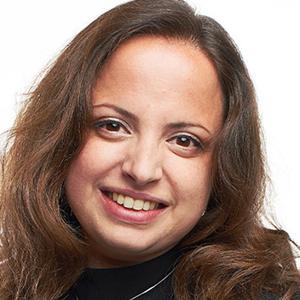

Ph.D., Interim Director at UCSF BCSHI and Professor, UCSF
Biography
Marina Sirota is a Professor and Interim Director of UCS Fs Bakar Computational Health Sciences Institute. Previously, she served as a Senior Research Scientist at Pfizer, focusing on precision medicine. She earned her PhD in Biomedical Informatics from Stanford University. With 20 years of experience and over 170 publications, Dr. Sirota develops computational integrative methods for diagnostics and therapeutics, specializing in womens health. Her laboratory is funded by the NIA, NLM, NIAMS, Pfizer, and the March of Dimes. A 2017 A MIA Young Investigator Award recipient, she leads the UCSF March of Dimes Prematurity Research Center and co-directs ENACT, a precision medicine center for endometriosis. Dr. Sirota also founded UCS Fs AI4ALL program, which introduces high school girls to the applications of AI and machine learning in biomedicine.
Speaker Profile
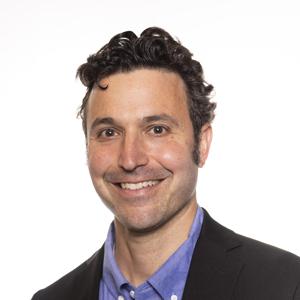

M.D., Ph.D., Chief Executive Officer, Co-founder, PathAI
Biography
Andy earned his MD from Brown Medical School and completed residency and fellowship training in Anatomic Pathology and Molecular Genetic Pathology from Stanford University. He completed a PhD in Biomedical Informatics from Stanford University, where he developed one of the first machine-learning based systems for cancer pathology. He’s been certified by the American Board of Pathology in Anatomic Pathology and Molecular Genetic Pathology. Prior to co-founding PathAI, he was on the faculty of Harvard Medical School in the Department of Pathology at Beth Israel Deaconess Medical Center. He has published over 110 papers in the fields of cancer biology, cancer pathology, and biomedical informatics.
Speaker Profile


Ph.D., Founder & CEO, Ultima
Biography
At Ultima Genomics, our mission is to continuously drive the scale of genomic information to enable unprecedented advances in biology and improvements in human health.To achieve this, we built a revolutionary new sequencing architecture that scales far beyond conventional technologies, enabling scientists to overcome the tradeoffs they face between the breadth, depth and frequency of sequencing.
Speaker Profile
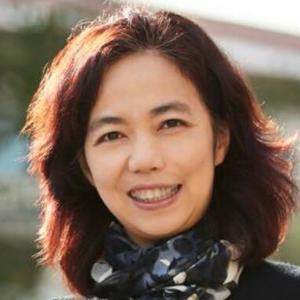

PMWC PIONEER AWARD
Created ImageNet, accelerating modern computer vision and deep learning
Ph.D., Professor, Stanford
Biography
Dr. Fei-Fei Li is the inaugural Sequoia Professor in the Computer Science Department at Stanford University, and a Founding Co-Director of Stanford’s Human-Centered AI Institute. She served as the Director of Stanford’s AI Lab from 2013 to 2018.
In industry, Dr. Li has served as a Vice President at Google and Chief Scientist of AI/ML at Google Cloud (2017-2018), board member or advisor in various public or private companies (notably Twitter). She is currently a Co-founder/CEO of World Labs, an AI company focusing on Spatial Intelligence and generative AI.
Dr. Li obtained her B.A. degree in physics from Princeton in 1999 with High Honors, and her PhD degree in electrical engineering from California Institute of Technology (Caltech) in 2005. She has been recognized as the Distinguished Alumni by both Princeton and Caltech in 2020 and 2024 respectively. Dr. Li also holds Honorary Doctorate Degrees from Yale University and Harvey Mudd College.
Dr. Li is a researcher and technologist in AI, currently focusing on deep learning, robotic learning, spatial intelligence and ambient intelligence for healthcare delivery. In the past she has also worked on cognitive and computational neuroscience. Dr. Li has published more than 400 scientific articles in top-tier journals and conferences in science, engineering and computer science, and is recognized as one of the most cited computer scientists. She is the inventor of ImageNet and the ImageNet Challenge, a critical large-scale dataset and benchmarking effort that has been widely regarded as one of the three driving forces of the birth of modern AI and deep learning revolution. Dr. Li is the author a popular science memoir called “The Worlds I See: Curiosity, Exploration and Discovery at the Dawn of AI”, published by Macmillan Publishers.
Dr. Li is widely recognized as a pioneer of modern AI. She is an elected Member of the National Academy of Engineering (NAE), the National Academy of Medicine (NAM) and American Academy of Arts and Sciences (AAAS). She is also a Fellow of ACM, a member of the Council on Foreign Relations (CFR). Among her many recognitions, Dr. Li is a laureate of the Queen Elizabeth Prize for Engineering (2025), VinFuture Prize (2024), a recipient of the Intel Lifetime Achievements Award (2023), the IEEE PAMI Thomas Huang Memorial Prize (2022), the IEEE PAMI Longuet-Higgins Prize (2019), the National Geographic Society Further Award (2019), the IAPR J.K. Aggarwal Prize (2016), the IEEE PAMI Mark Everingham Award (2016), the Alfred Sloan Faculty Award (2011), among others.
Speaker Profile
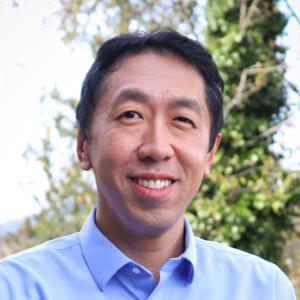

PMWC LUMINARY AWARD
Scaled modern AI from research into real-world precision medicine applications
Ph.D., Managing Partner, AI Aspire, Managing General Partner, AI Fund; Chairman and Co-Founder, Coursera; Adjunct Professor, Stanford University; Founder, DeepLearning.AI
Biography
Andrew Ng is one of the most influential leaders in modern artificial intelligence and AI education. He is Founder of DeepLearning.AI, Managing Partner, AI Aspire, Managing General Partner at AI Fund, Chairman and Co-Founder of Coursera, and an Adjunct Professor at Stanford University. He was the founding lead of Google Brain and previously served as VP and Chief Scientist at Baidu, helping move deep learning from research into large-scale real-world use.
Through his teaching, writing, companies, and investments, Ng has helped make AI accessible to millions of learners and practical for researchers, entrepreneurs, engineers, clinicians, and enterprises. His work has shaped how AI is taught, built, and deployed across industries, an impact especially relevant to precision medicine, where responsible AI is becoming central to interpreting complex clinical, molecular, imaging, and multi-omic data.
Talk
Fireside Chat
Agentic AI in medicine
Democratizing AI for clinicians and researchers
Speaker Profile

Ph.D., CTO & NIH Data Scholar 2022-24, UCSF
Biography
Sharat Israni previously was Executive Director, Data Science, at Stanford Medicine. A long serving Technology executive, Sharat’s teams pioneered the use of Big Data. He served as VP of Data at Yahoo! (19992008) and Intuit (201013), which pioneered Big Data Science to reinvent their products. He led Digital Media systems for broadcast interactive TV at Silicon Graphics; and Data teams at IBM and HP. Sharat has been PI for NSF, NIH and RCUK workshops on Data Science topics in Biomedicine, and is a peer reviewer of some scientific journals.