
Session Abstract – PMWC 2026 Silicon Valley

Track Chair:
Sharat Israni, UCSF
PMWC Award Ceremony
• Regina Barzilay, MIT
• Joe Petro, Microsoft
• Curtis P. Langlotz, Stanford University
Keynote: The Future of AI in Medical Imaging
• Curtis P. Langlotz, Stanford University
From Foundation Models to Digital Twins: AI Reshaping Clinical Imaging
• Chair: Alexander Weir, Canon Medical
• Regina Barzilay, MIT
• Kevin Blyth, University of Glasgow
• Curtis P. Langlotz, Stanford University
Fireside Chat
• Eric Horvitz, Microsoft
• Curtis P. Langlotz, Stanford University
Getting Real Results from AI
• Martin Stumpe, Danaher
Keynote: AI Tools for Cancer Diagnostics and Treatment
• Regina Barzilay, MIT
From Multimodal Data to Clinical Digital Twins: Linking Imaging, Omics, and Decisions
• Stephen Quake, Stanford
AI & Omics Foundation Models Powering Translational Research
• Chair: Janusz Dutkowski, Data4Cure
• Alex Moreau, Champions Oncology
• Jadwiga Bienkowska, Pfizer
AI-Enhanced Imaging: Radiomics, Radiogenomics, and Simulation
• Chair: Chris Hare, Canon Medical
• Ángel Alberich-Bayarri, Quibim
• Kevin Blyth, University of Glasgow
• Maria del Mar Alvarez-Torres, Columbia University
Clinical Workflow Integration & Decision Support in Imaging
• Chair: Sharat Israni, UCSF
• David S. Liebeskind, UCLA
• Rajesh Shah, UCSF
• Roxana Daneshjou, Stanford University
• Mohammad Alexanderani, U Pitt
• Orly Ardon, Memorial Sloan Kettering Cancer Center
AI-Powered Serverless HPC for Scientific Discovery
• Fengbo Ren, Fovus
Speaker Profile


Ph.D., CTO & NIH Data Scholar 2022-24, UCSF
Biography
Sharat Israni previously was Executive Director, Data Science, at Stanford Medicine. A long serving Technology executive, Sharats teams pioneered theuse of Big Data. He served as VP of Data at Yahoo (19992008) and Intuit (201013), which pioneered Big Data Science to reinvent their products. He led Digital Media systems for broadcast interactive TV at Silicon Graphics; and Data teams at IBM and HP. Sharat has been PI for NSF, NIH and RCU Kworkshops on Data Science topics in Biomedicine, and is a peer reviewer ofsome scientific journals.
Speaker Profile

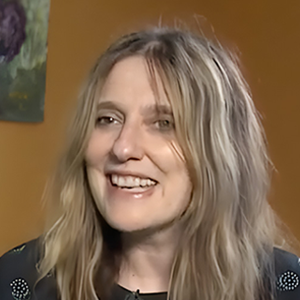
Ph.D., Professor, Stanford
Biography
Stephen Quake is the Lee Otterson Professor of Bioengineering and Applied Physics at Stanford University. He has received numerous awards for his contributions to science and is one of only two dozen scientists elected to all three National Academies. Previously he was the Head of Science at Chan Zuckerberg Initiative (2022-2025), founding co-president of the Chan Zuckerberg Biohub (2016-2022), Investigator of the Howard Hughes Medical Institute (2006-2016), and Professor at the California Institute of Technology (1996-2005).
Talk
Speaker Profile

PMWC LUMINARY AWARD
Advanced AI for drug discovery and clinical risk prediction
Ph.D., Professor, MIT
Biography
Regina Barzilay is a pioneering leader in developing machine learningmethods for drug discovery and clinical AI. . Her groundbreaking work hasproduced AI models for early cancer detection and therapeutic discoverythat have redefined what is possible in clinical diagnostics and biomedicalinnovation. At MI Ts Computer Science and Artificial Intelligence Laboratory and as AI Faculty Lead for the Jameel Clinic, she has advancedmethods that detect breast and lung cancer earlier and more accurately, forecast adverse drug effects before human trials, and accelerate thedesign of novel therapeutics. Her research blends cutting-edge machine learning with a commitment toresponsible integration of AI into precision medicine, ensuring thesetechnologies are safe, equitable, and impactful for patients worldwide. Barzilays contributions have earned her numerous honors, including the Mac Arthur Fellowship, election to the National Academy of Medicine, the National Academy of Engineering and recognition as one of the mostinfluential voices shaping the future of AI in healthcare.
Talk
Speaker Profile
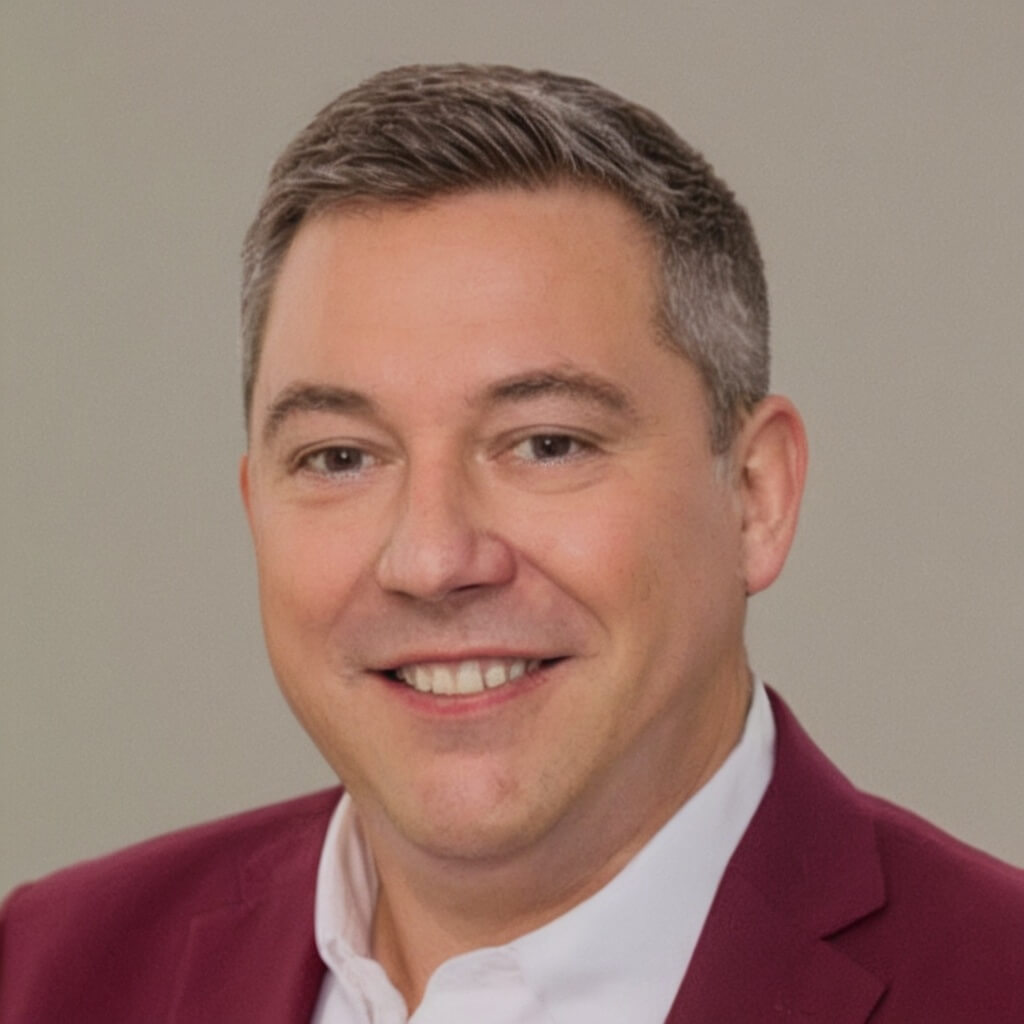

Executive Director of Business Planning, Canon Medical Informatics
Biography
Chris Hare is a Vice President of Corporate Strategy at Canon Medical Informatics, a global leader in medical diagnostic imaging and healthcare IT solutions. With over 15 years of experience in the healthcare and life science industry, he has a proven track record of driving strategic vision, business growth, and portfolio expansion across diverse markets and technologies. Chris's core competencies include corporate strategy, business development, MA, product management, and emerging technologies such as AI, genomics, and precision medicine. He has led and contributed to multiple corporate initiatives that have resulted in significant revenue growth, market penetration, customer satisfaction, and competitive advantage for Canon Medical and its subsidiaries. He is passionate about leveraging his technical and business expertise to create innovative solutions that improve the quality of life for all people.
Talk
Step into the future of medical imaging and consider the transformative impact of precision medicine, where radiology, pathology, oncology, and data science converge to deliver personalized cancer care. Discover how radiomics and radiogenomics are redefining cancer diagnosis and explore the integration of advanced imaging, AI, and molecular data to deliver personalized lung cancer treatment.
Speaker Profile


Ph.D., Associate Professor of Medicine, Stanford
Biography
Dr. Olivier Gevaert is an Associate Professor at Stanford University at the Stanford Center for Biomedical Informatics Research in the Departments of Medicine and Biomedical Data Science. Dr. Gevaerts research is at theforefront of precision medicine, utilizing machine learning and artificialintelligence to integrate diverse biomedical data typessuch as imaging, genomic, and clinical data. His work has implications for oncology, wherehe applies informatics techniques to enhance the understanding of cancer progression and to tailor treatments based on patient data. A prolific researcher, Dr. Gevaert has published extensively on topics related to biomedical data science, AI in healthcare, and the development of novel computational methods to improve decision-making. He has received recognition for his contributions to the fields of data science and biomedical informatics. Dr. Gevaerts groundbreaking work continues to drive innovation at the intersection of technology and healthcare, pushing the boundaries of how data can be leveraged to improve patient outcomes.
Speaker Profile


Ph.D., CEO, Quibim
Biography
Angel Alberich-Bayarris has 15 years of experience in the field of medical imaging and computer vision, he possesses deep knowledge of the challenges and opportunities in diagnostics and drug development. He has worked in the development of several algorithms for Imaging Biomarkers analysis that promoted the creation of the company QUIBIM (Quantitative Imaging Biomarkers in Medicine), focused in the creation of a platform for the analysis of Imaging Biomarkers. Alberich-Bayarri is the author of more than 100 articles in prestigious international journals, author of 20 book chapters and editor of 2 books. He is the inventor of 7 patents and has received numerous international awards for his innovative work, including the MIT Innovators Under 35 in 2015.
Speaker Profile
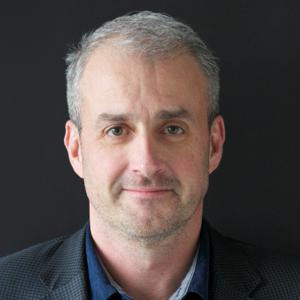

PMWC LUMINARY AWARD
Scaling Dragon and DAX Copilot to improve clinical practice
Corporate Vice President of Microsoft Health & Life Sciences Solutions and Platform, Microsoft
Biography
Joe Petro leads innovation, strategy, product, engineering, and customer success teams delivering integrated AI healthcare experiences that enhance the clinician–patient relationship, improve outcomes, and expand access to care. His organization develops generative AI–powered clinical workflow and productivity solutions for physicians, nurses, radiologists, and revenue cycle professionals—including Microsoft Dragon Copilot, Dragon Medical One, Power Scribe, and Power Share—along with the platform that supports extensibility and democratization of AI through an expansive healthcare-specific partner ecosystem.
Speaker Profile

PMWC LUMINARY AWARD
Pioneered health data sharing and integration advancements, including co-founding Vivli and Open mHealth and developing CommonHealth, significantly advancing clinical care, research, and global clinical trial data sharing and mobile health data interoperability
M.D., Ph.D., Senior Associate Vice Provost for Research, Stanford
Biography
Dr. Langlotz is Professor of Radiology, Medicine, and Biomedical Data Science, and Senior Associate Vice Provost for Research at Stanford University. He also serves as Director of the Center for Artificial Intelligence in Medicine and Imaging (A IMI Center), which comprises over 250 faculty at Stanford who conduct interdisciplinary machine learning research to promote health. Dr. Langlotz's laboratory develops machinelearning methods to detect disease and eliminate diagnostic errors. He has led many national and international efforts to improve medical imaging, including the Rad Lex terminology standard and the Medical Imaging and Data Resource Center (MIDRC), a U. S. national imaging research resource.
Talk
We will learn how AI will change the practice of medical imaging using current examples from the research laboratory, assess the shortcomings of AI that will limit the application of these new methods, and predict the effects of AI on the radiologist workforce.
Speaker Profile
PMWC LUMINARY AWARD
Pioneered health data sharing and integration advancements, including co-founding Vivli and Open mHealth and developing CommonHealth, significantly advancing clinical care, research, and global clinical trial data sharing and mobile health data interoperability
M.D., Ph.D., Senior Associate Vice Provost for Research, Stanford
Biography
Dr. Langlotz is Professor of Radiology, Medicine, and Biomedical Data Science, and Senior Associate Vice Provost for Research at Stanford University. He also serves as Director of the Center for Artificial Intelligence in Medicine and Imaging (A IMI Center), which comprises over 250 faculty at Stanford who conduct interdisciplinary machine learning research to promote health. Dr. Langlotz's laboratory develops machinelearning methods to detect disease and eliminate diagnostic errors. He has led many national and international efforts to improve medical imaging, including the Rad Lex terminology standard and the Medical Imaging and Data Resource Center (MIDRC), a U. S. national imaging research resource.
Speaker Profile
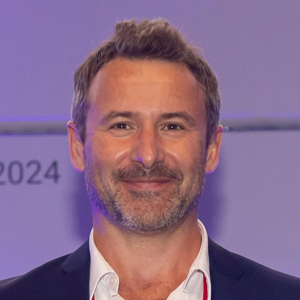

M.D., Professor of Respiratory Medicine in Glasgow, U. of Glasgow
Biography
Kevin Blyth is Professor of Respiratory Medicine in the School of Cancer Sciences at the University of Glasgow. He splits his time between the Wolfson Wohl Cancer Research Centre, the CRUK Scotland Institute and the Queen Elizabeth University Hospital, where he leads the Glasgow Pleural Disease Unit. He founded the Macmillan Scottish Mesothelioma Network, which coordinates care and access to clinical trials for patients across Scotland and is National Clinical Lead for Mesothelioma. He leads the PREDICT-Meso International Accelerator Network, funded by Cancer Research UK (160 investigators from 100 institutions in 17 countries) He is academic lead of the UKRI-funded Living Lab Radiogenomic Project, which is developing AI precision medicine tools suitable for use by industry and academic partners. He is recent ex-Chair of the European Respiratory Society Thoracic Oncology Assembly (11.2), a member of the IASLC Mesothelioma Committee, a Trustee of Mesothelioma UK and an Associate Editor of Thorax.
Speaker Profile
PMWC LUMINARY AWARD
Pioneered health data sharing and integration advancements, including co-founding Vivli and Open mHealth and developing CommonHealth, significantly advancing clinical care, research, and global clinical trial data sharing and mobile health data interoperability
M.D., Ph.D., Senior Associate Vice Provost for Research, Stanford
Biography
Dr. Langlotz is Professor of Radiology, Medicine, and Biomedical Data Science, and Senior Associate Vice Provost for Research at Stanford University. He also serves as Director of the Center for Artificial Intelligence in Medicine and Imaging (A IMI Center), which comprises over 250 faculty at Stanford who conduct interdisciplinary machine learning research to promote health. Dr. Langlotz's laboratory develops machinelearning methods to detect disease and eliminate diagnostic errors. He has led many national and international efforts to improve medical imaging, including the Rad Lex terminology standard and the Medical Imaging and Data Resource Center (MIDRC), a U. S. national imaging research resource.
Speaker Profile
Ph.D., Professor, MIT
Biography
Regina Barzilay is a pioneering leader in developing machine learning methods for drug discovery and clinical AI. . Her groundbreaking work has produced AI models for early cancer detection and therapeutic discovery that have redefined what is possible in clinical diagnostics and biomedical innovation. At MIT’s Computer Science and Artificial Intelligence Laboratory and as AI Faculty Lead for the Jameel Clinic, she has advanced methods that detect breast and lung cancer earlier and more accurately, forecast adverse drug effects before human trials, and accelerate the design of novel therapeutics.
Her research blends cutting-edge machine learning with a commitment to responsible integration of AI into precision medicine, ensuring these technologies are safe, equitable, and impactful for patients worldwide. Barzilay’s contributions have earned her numerous honors, including the Mac Arthur Fellowship, election to the National Academy of Medicine, the National Academy of Engineering and recognition as one of the most influential voices shaping the future of AI in healthcare.
Speaker Profile
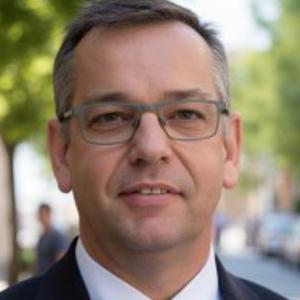
Eng.D., Global Senior Program Manager, Canon Medical Research Europe
Biography
A Global Health Tech Executive specializing in AI innovation and digital transformation, Dr. Alexander (Sandy) Weir brings over 25 years of experience leading cutting-edge initiatives across public and private sectors. His leadership has spanned start-ups and enterprise environments, positioning him as a key figure in scaling AI-driven platforms, modernizing healthcare systems, and aligning technology with strategic business goals. As a Global Senior Program Manager at Canon Medical Research Europe, Dr. Weir directed multi-million-pound global programs in AI and precision informatics, helping to establish Canons AI Centre of Excellence and steering complex product development lifecycles. He also led health IT governance frameworks, integrating next-gen diagnostics, NLP, and bioinformatics across global RD teams. Sandy holds an Eng. D in Applied Photonics and a B. Eng. in Electrical Electronic Engineering, both from Heriot-Watt University. He is a Chartered Engineer (CEng) and research committee member with the Scottish Funding Council, and an Honorary Research Fellow at the University of Glasgow.
Speaker Profile
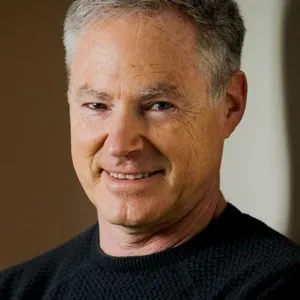
M.D., Ph.D., CSO, Microsoft
Biography
Eric Horvitz, MD, PhD, is Chief Scientific Officer at Microsoft where he leads initiatives at the intersection of science, technology, and society, with emphases on artificial intelligence, biosciences, and healthcare. His research contributions have advanced AI through innovations in perception, reasoning, and decision-making under uncertainty. Dr. Horvitz is known for his contributions to AI theory and practice, with a focus on principles and applications of AI amidst the complexities of the open world. His direction-setting research efforts include harnessing probability and utility in machine learning and reasoning, developing models of bounded rationality, constructing systems that perceive and act via interpreting multisensory streams of information, and pioneering principles and mechanisms for supporting human-AI collaboration and complementarity. His efforts and collaborations have led to fielded systems in healthcare, transportation, ecommerce, operating systems, and aerospace. Beyond his scientific work, he has pursued programs, organizations, and studies on ethics, values, and safety with applications and influences of AI. He founded and chairs Microsoft’s Aether committee on AI, effects, and ethics in engineering and research. He established the One Hundred Year Study on AI at Stanford University and co-founded and served as board chair of the Partnership on AI (PAI). He served as a Congressionally appointed commissioner on the National Security Commission on AI, where he chaired the line of effort on ethical and trustworthy AI. Dr. Horvitz received the Feigenbaum Prize and the Allen Newell Prize for his fundamental contributions to the science and practice of AI. He received the CHI Academy honor for his work at the intersection of AI and human-computer interaction. He has been elected fellow of the National Academy of Engineering (NAE), the Association of Computing Machinery (ACM), Association for the Advancement of Artificial Intelligence (AAAI), the American Association for the Advancement of Science (AAAS), the American Academy of Arts and Sciences, the American College of Medical Informatics, and the American Philosophical Society. Dr. Horvitz currently serves on the advisory boards of the Allen Institute for AI (Ai2) and Stanford’s Institute for Human-Centered AI (HAI). He served as a member of the President’s Council of Advisors on Science and Technology (PCAST), president of the AAAI, as a member of the Computer Science and Telecommunications Board (CSTB) and Computing Community Consortium (CCC), and on advisory committees for the National Science Foundation (NSF), National Institutes of Health (NIH), and Defense Advanced Research Projects Agency (DARPA). He received Ph.D. and M.D. degrees at Stanford University. Before moving into the role of Chief Scientific Officer, he served as director of Microsoft Research overseeing research labs in Redmond, Washington; Cambridge, Massachusetts; New York City, New York; Montreal, Canada; Cambridge, United Kingdom; and Bangalore, India.
Speaker Profile


Ph.D., CEO & Founder, Data4Cure
Biography
Janusz Dutkowski is Founder and CEO of Data4Cure, Inc. a company focusedoncombining systems biology, machine learning and AI to facilitatecontinuoustranslation of biomedical data to knowledge. His background isinmathematics and computer science and he has been working at the intersection of mathematics, computer science and biology to develop new data driven technologies to advance the discovery of new biomarkers and precision based therapies. His research contributions include the development of methods for multiscale analysis of molecular networks and integrative methods for biomarker discovery from multidimensional data. He has co authored over 20 research papers published in scientific journals including Nature Biotechnology, Science and Cell.
Speaker Profile
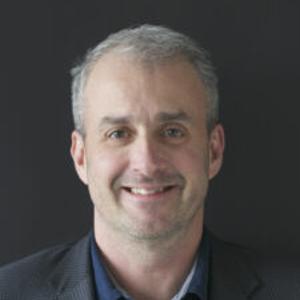
Corporate Vice President of Microsoft Health & Life Sciences Solutions andPlatform, Microsoft
Biography
Joe Petro leads innovation, strategy, product, engineering, and customer success teams delivering integrated AI healthcare experiences that enhance the clinician–patient relationship, improve outcomes, and expand access to care. His organization develops generative AI–powered clinical workflow and productivity solutions for physicians, nurses, radiologists, and revenue cycle professionals—including Microsoft Dragon Copilot, Dragon Medical One, Power Scribe, and Power Share—along with the platform that supports extensibility and democratization of AI through an expansive healthcare-specific partner ecosystem.
Speaker Profile
M.D., Ph.D., Senior Associate Vice Provost for Research, Stanford
Biography
Dr. Langlotz is Professor of Radiology, Medicine, and Biomedical Data Science, and Senior Associate Vice Provost for Research at Stanford University. He also serves as Director of the Center for Artificial Intelligence in Medicine and Imaging (A IMI Center), which comprises over 250 faculty at Stanford who conduct interdisciplinary machine learning research to promote health. Dr. Langlotz's laboratory develops machinelearning methods to detect disease and eliminate diagnostic errors. He has led many national and international efforts to improve medical imaging, including the Rad Lex terminology standard and the Medical Imaging and Data Resource Center (MIDRC), a U. S. national imaging research resource.
Speaker Profile
Ph.D., CTO & NIH Data Scholar 2022-24, UCSF
Biography
Sharat Israni previously was Executive Director, Data Science, at Stanford Medicine. A long serving Technology executive, Sharats teams pioneered theuse of Big Data. He served as VP of Data at Yahoo (19992008) and Intuit (201013), which pioneered Big Data Science to reinvent their products. He led Digital Media systems for broadcast interactive TV at Silicon Graphics; and Data teams at IBM and HP. Sharat has been PI for NSF, NIH and RCU Kworkshops on Data Science topics in Biomedicine, and is a peer reviewer ofsome scientific journals.
Speaker Profile


M.D., Director, UCLA
Biography
David S. Liebeskind, MD, FAHA, FAAN is Professor of Neurology at the University of California, Los Angeles (UCLA) where he serves as the Associate Neurology Director of the UCLA Stroke Center and the Neurology Director of the Stroke Imaging Program. He is Co-Director of the UCLA Cerebral Blood Flow Laboratory and Director of the UCLA Vascular Neurology Residency Program. He trained in chemical engineering at Columbia University and completed his MD at New York University School of Medicine. Postgraduate medical training included internship at Beth Israel Hospital, Boston and neurology residency at UCLA. After his residency, he completed a fellowship in stroke and cerebrovascular disease at UCLA and subsequently joined the faculty in the Departments of Neurology and Radiology at the University of Pennsylvania. He has maintained extensive clinical activity across a broad range of cerebrovascular disorders ranging from carotid disease to unusual causes of stroke. Clinical expertise includes cerebral venous thrombosis, arterial dissection, moyamoya syndrome and other causes of stroke in the young. His principal research interests include novel neuroimaging approaches to elucidate fundamental pathophysiologic correlates of cerebrovascular disease in humans with a particular focus on the collateral circulation. His work on collateral perfusion in acute ischemic stroke draws on advances in noninvasive, multimodal CT and MRI and detailed analyses of digital subtraction angiography. He directs an angiography and imaging core laboratory that has participated in central readings of MERCI, Multi MERCI, IMS-III, TREVO EU and TREVO 2. His research on collaterals in intracranial atherosclerosis complements his work on acute stroke, utilizing computational fluid dynamic modeling and estimates of fractionalflow to predict risk of ischemia and reperfusion hemorrhage.
Speaker Profile
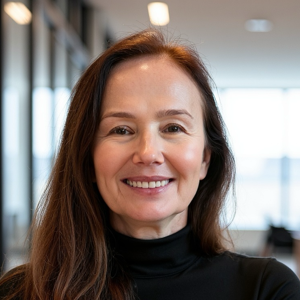

Ph.D., Sr. Director, Pfizer
Biography
Dr. Jadwiga Bienkowska is a Head of Computational Biology at Pfizer, Oncology Research and Development. Dr. Bienkowska has over 20 years of experience working in Pharma and Biotech. Over her career she has built and led teams of biologists, data scientists and engineers applying at-scale Computation, Machine Learning and AI to drug development problems. At ORD Dr. Bienkowska focuses on development of breakthrough therapies for Cancer. Dr. Bienkowska’s team works with biologists and clinicians on decoding multimodal data into interpretable models of mechanisms driving cancer progression and resistance to treatment. Insights generated by these models accelerate drug development through new target discovery, MOA studies, patient, and biomarker selection strategies. Dr. Bienkowska contributed to development of therapies for Cancer, Neurological and Immune diseases.
Speaker Profile
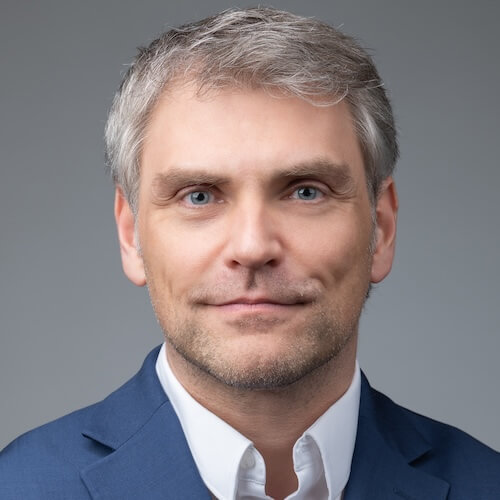

Ph.D., Chief Technology & AI Officer, Senior Vice President, Danaher
Biography
Dr. Martin Stumpe serves as the CTOCAIO of Danaher Corporation, where he leads the transformation to make Danaher and its operating companies fully AI- and Tech-enabled. Before joining Danaher, Dr. Stumpe served as the CAIO at Tempus, where he led the development of AI algorithms from NGS and digital pathology to improve clinical context and decision-making for better patient care. Prior to Tempus, Dr. Stumpe founded and led the Cancer Pathology project at Google, which uses artificial intelligence to increase the accuracy in image-based cancer detection and grading. Earlier in his career, Dr. Stumpe was part of the Kepler team at NASA Ames Research Center; and before that, he was a postdoctoral researcher at Stanford University focusing on molecular dynamics simulations to study chaperone-induced protein folding. Dr. Stumpe holds a PhD in Computational and Theoretical Physics from the Max Planck Institute for Biophysical Chemistry in Goettingen, Germany
Speaker Profile
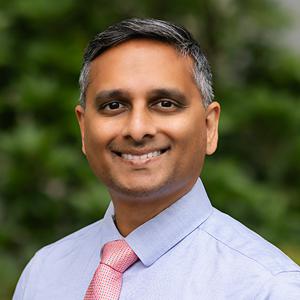
M.D., Professor, UCSF
Biography
Rajesh Shah, MD, earned his medical degree at The University of Chicago Pritzker School of Medicine in 2004, followed by a diagnostic radiology residency at University of Illinois Medical Center in Chicago (2009) and a vascular and interventional radiology fellowship at Stanford University Hospital in 2010. Since 2023 he has been Director of Interventional Radiology at the California Pacific Medical Center, Clinical Associate Professor at Stanford University, and an Interventional Radiologist at the VA Palo Alto Health Care System, where he has served in various leadership roles. Prior experience includes private practice and faculty roles at Weill Cornell Medical College and Memorial Sloan-Kettering Cancer Center in New York City. As an educator, Dr. Shah has mentored junior IR faculty at the VA Palo Alto, Stanford University, and at the California Pacific Medical Center. He has mentored trainees on research grants and created the VA resident rotation and mini-fellowship for IR-bound residents. Dr. Shah serves as the Society for Interventional Radiology (SIR) Division Councilor for Quality and Performance Improvement overseeing several committees dedicated to quality. In this role, he developed the Quality Improvement program for the SIR, and launched the VIRTEX Clinical Data Analytics Platform. Dr. Shah was appointed as affiliated faculty at the Stanford Center for Artificial Intelligence in Medicine and Imaging (A IMI) and was awarded an A IMI grant to investigate machine learning in radiomics which has led to publications on machine learning in radiomics for lung cancer. He has published research on hepatocellular carcinoma, small-cell lung cancer, and embolic therapies. He is a Fellow of the Society of Interventional Radiology and active in the Society of Interventional Radiology and the American College of Radiology.
Speaker Profile
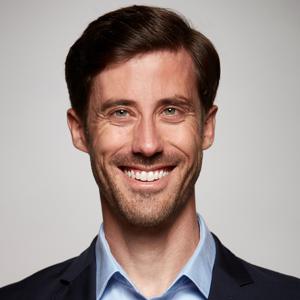

Ph.D., Vice President, Global Data Partnerships, Champions Oncology
Biography
Alex Moreau is a senior leader at Champions Oncology, where he drives strategic partnerships and platform-enabled innovation in oncology target discovery and translational biomarker research. With over a decade of experience at the intersection of science and technology, he has led and supported oncology drug discovery programs across several world-leading CROs and advised biotechnology companies in gene editing and next-generation sequencing (NGS) through various consulting roles. Alex holds a PhD in Neuroscience from Université Paris-Saclay (France) and completed his postdoctoral research in experimental gene therapy at University College London (UK).
Speaker Profile
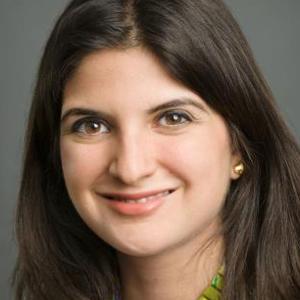
M.D., Ph.D., Professor, Stanford
Biography
Dr. Daneshjou studied Bioengineering at Rice University before matriculating to Stanford School of Medicine where she completed her MD and a PhD in Genetics with Dr. Russ Altman as part of the medical scientist training program. She completed dermatology residency at Stanford as part of the research track and completed a postdoc in Biomedical Data Science with Dr. James Zou. She currently is the assistant director of the Center of Excellence for Precision Heath Pharmacogenomics, director of informatics for the Stanford Skin Innovation and Interventional Research Group (SIIRG), a founding member of the Translational AI in Dermatology (TRAIND) group, and a faculty affiliate of Human-centered Artificial Intelligence (HAI) and the AI in Medicine and Imaging (A IMI) centers.
Speaker Profile
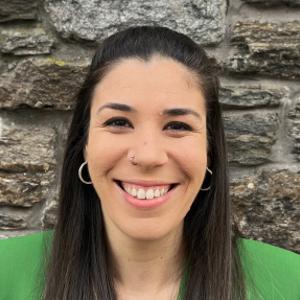

Ph.D., Postdoctoral Researcher, Columbia U.
Biography
Maria del Mar Alvarez-Torres is a Computational Biologist specializing in Integrative Cancer Research at the Program of Mathematical Genomics, Columbia University. Her multidisciplinary work combines genomics, artificial intelligence, and medical imaging to explore tumor evolution and treatment responses. With a particular focus on aggressive and heterogenous cancers like glioblastoma and B-cell lymphomas, Mary has led collaborative projects since her PhD, including multicenter studies with dozens of institutions. Her goal is to bridge cutting-edge technology and cancer research to better understand cancer mechanisms and improve treatment strategies.
Speaker Profile
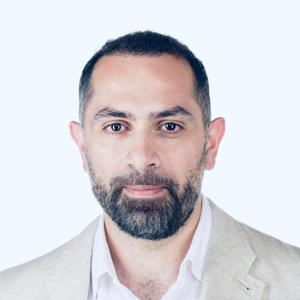

M.D., Professor, U. of Pittsburgh
Biography
Dr.Alexanderani is an Assistant Professor of Pathology at the department of pathology, University of Pittsburgh School of Medicine, specializing in Computational Pathology and Artificial Intelligence at the Computational Pathology and AI Center of Excellence. He directs a quality assurance AI program dedicated to advancing pathology through cutting-edge multimodal machine learning algorithms, focusing on "Pathomics" to uncover histopathological features in digital images and develop next-generation theragnostic tools that enhance precision medicine.
As a physician-scientist, Dr. Alexanderani has significantly contributed to the field by holding numerous patents, grants, receiving prestigious awards, and authoring book chapters and manuscripts in high-impact journals, along with platform presentations at major national and international conferences. Prior to his role at University of Pittsburgh, he was the inaugural fellow in Computational Pathology and AI at Weill Cornell, where he received the prestigious NIHT32 award on the Pathologist Scientist track and the iDEA-iTECH award in precision medicine and computational biology.
Speaker Profile
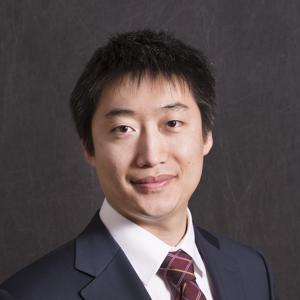

Ph.D., Founder & CEO, Fovus
Biography
Fengbo Ren is the founder of Fovus, the world’s first AI powered, serverless HPC platform designed for teams running large scale computational biology, drug discovery, and AI driven scientific workloads. Fovus helps researchers and platform teams achieve over 100x faster time to insight and 80% to 85% lower cloud costs for workloads such as Nextflow RNA seq pipelines, molecular dynamics simulations, and protein structure prediction.As part of the Amazon Web Services Global Startup Program, Fovus works closely with AWS to help scientists run genomics, multi omics, cheminformatics, and structural biology pipelines and computational workloads at scale, without managing clusters, infrastructure, or manual optimization.Fengbo brings a practitioner focused perspective on simplifying HPC operations, helping scientific teams spend less time managing compute and more time generating results.
Talk
AI-Powered Serverless HPC for Bioinformatics
Complex cheminformatics and bioinformatics workloads such as Nextflow RNA-seq pipelines, GROMACS molecular dynamics, and Boltz models often face scaling, cost, and operational challenges on the cloud. This session shows how AI-powered, serverless HPC from Fovus delivers over 100x faster time-to-insight and 8085% lower cloud costs while eliminating infrastructure management and enabling scalable scientific computing.
Speaker Profile
Ph.D., Professor, MIT
Biography
Regina Barzilay is a pioneering leader in developing machine learning methods for drug discovery and clinical AI. . Her groundbreaking work has produced AI models for early cancer detection and therapeutic discovery that have redefined what is possible in clinical diagnostics and biomedical innovation. At MI Ts Computer Science and Artificial Intelligence Laboratory and as AI Faculty Lead for the Jameel Clinic, she has advanced methods that detect breast and lung cancer earlier and more accurately, forecast adverse drug effects before human trials, and accelerate the design of novel therapeutics. Her research blends cutting-edge machine learning with a commitment to responsible integration of AI into precision medicine, ensuring these technologies are safe, equitable, and impactful for patients worldwide. Barzilays contributions have earned her numerous honors, including the Mac Arthur Fellowship, election to the National Academy of Medicine, the National Academy of Engineering and recognition as one of the most influential voices shaping the future of AI in healthcare.
Speaker Profile
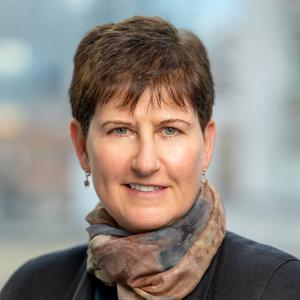

M.D., EMBA, Director Digital Pathology Operations, MSKCC
Biography
Dr. Orly Ardon is a scientist and leader in the evolving digital pathology innovation, specializing in the development and implementation of tools and processes that advance pathology operations and research. She serves as Associate Attending and Director of Digital Pathology Operations at Memorial Sloan Kettering Cancer Center, where she is a member of the Warren Alpert Center for Digital and Computational Pathology. Dr. Ardon’s expertise spans basic and translational research, laboratory operations, digital diagnostics strategy, and health economics. Her research focuses on optimizing laboratory workflows, improving data quality, and understanding the human impact of digital transformation in healthcare. She is a board director of the Digital Pathology Association and actively participates in several of its committees, as well as other professional societies.
Talk
The talk would describe the benefits of digital pathology for clinical, research and educational use, and will focus on common cited barriers for digital pathology implementation and the technological solutions that were implemented at Memorial Sloan Kettering, a leader in clinical grade digital pathology.
Speaker Profile

Ph.D., CTO & NIH Data Scholar 2022-24, UCSF
Biography
Sharat Israni previously was Executive Director, Data Science, at Stanford Medicine. A long serving Technology executive, Sharat’s teams pioneered the use of Big Data. He served as VP of Data at Yahoo! (19992008) and Intuit (201013), which pioneered Big Data Science to reinvent their products. He led Digital Media systems for broadcast interactive TV at Silicon Graphics; and Data teams at IBM and HP. Sharat has been PI for NSF, NIH and RCUK workshops on Data Science topics in Biomedicine, and is a peer reviewer of some scientific journals.
Speaker Profile
M.D., Professor of Respiratory Medicine in Glasgow, U. of Glasgow
Biography
Kevin Blyth is Professor of Respiratory Medicine in the School of Cancer Sciences at the University of Glasgow. He splits his time between the Wolfson Wohl Cancer Research Centre, the CRUK Scotland Institute and the Queen Elizabeth University Hospital, where he leads the Glasgow Pleural Disease Unit. He founded the Macmillan Scottish Mesothelioma Network, which coordinates care and access to clinical trials for patients across Scotland and is National Clinical Lead for Mesothelioma. He leads the PREDICT-Meso International Accelerator Network, funded by Cancer Research UK (>160 investigators from >100 institutions in 17 countries) He is academic lead of the UKRI-funded Living Lab Radiogenomic Project, which is developing AI precision medicine tools suitable for use by industry and academic partners. He is recent ex-Chair of the European Respiratory Society Thoracic Oncology Assembly (11.2), a member of the IASLC Mesothelioma Committee, a Trustee of Mesothelioma UK and an Associate Editor of Thorax.
Davos of Precision Medicine
PMWC 2027 Program
January 27–29, 2027 · Santa Clara Convention Center

Swipe speakers · Tap a card for sessions →
In a few words.
PMWC is indeed The Davos of Biotech