




Session Abstract – PMWC 2027 Silicon Valley

Track Chair:
Michael Goldman, SFSU
PMWC Award Ceremony
• David Sinclair, Harvard
• Steve Horvath, Altos Labs
• Nir Barzilai, Albert Einstein College of Medicine
AI-Driven Biomarkers to Quantify Aging
• Chair: Alex Zhavoronkov, Insilico Medicine
• Mahdi Moqri, Harvard
• Steve Horvath, Altos Labs
• Hussain Ahamed, Ultrahuman
Epigenetic Aging Signatures in Large Human Cohorts
• Varun Dwaraka, TruDiagnostic
AI Systems for Personalized Longevity: How Biomarkers Translate into Actionable Interventions
• Chair: Nathan Price, Buck Institute
• Sherry Zhang, Buck Institute
• Ranjan Sinha, Digbi Health
• Zeenia Framroze, Alethios, Inc.
• John Ramunas, Rejuvenation Technologies
Clinical Trial Design & Functional Endpoints for Healthspan
• Nir Barzilai, Albert Einstein College of Mediciney
The data We Need For AI To Accelerate Longevity Drugs
• Martin Jensen, Gordian Biotechnology
From Genome to an AI-Drive Longevity Platform
• Wei-Wu He, Human Longevity
Wellness Wearables: The Journey to Clinical
• Hussain Ahamed, Ultrahuman
Longevity Medicine: Ambition vs Evidence in the Era of Precision Health
• Aubrey de Grey, LEV Foundation
Precision Aging & Longevity Focused on Limited Lifespan Evidence, Vanishing Blue Zones, and Payer ROI
• S. Jay Olshansky, University of Illinois
Evolutionary perspectives on human lifespan and healthspan
• Michael Gurven, UC Santa Barbara
Speaker Profile
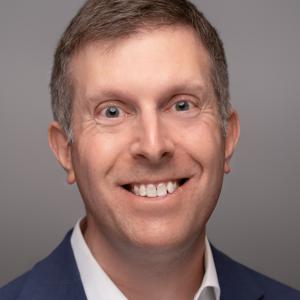

M.D., Ph.D., Associate Professor, Buck Inst.
Biography
Dr. Newman is a geriatrician and physician-scientist at the Buck Institute for Research on Aging and in the Division of Geriatrics at the University of California San Francisco. His bench-to-bedside research program studies how the biology of aging can illuminate and inspire new therapies for complex geriatric syndromes such as delirium, frailty, and dementia. A key focus of his translational work is the application of ketone bodies as geroscience signaling metabolites. He is an NIA Beeson Scholar, thought leader in translational geroscience, and co-founder of the geroscience-focused Buck Institute Clinical Research Center. He is a graduate of Yale University, received his MD/PhD degree from the University of Washington, and completed his clinical training in internal medicine and geriatric medicine at the University of California San Francisco. His clinical work focuses on preventing delirium and functional decline among hospitalized older adults on inpatient geriatric medicine services.
Speaker Profile
PMWC LUMINARY AWARD
Advanced geroscience from aging biology to healthy longevity medicine
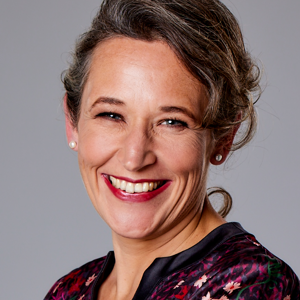
M.D., Director, NUS Academy for Healthy Longevity, National U. of Singapore
Biography
Andrea Maier is a leading figure in geroscience and healthy longevity medicine, termed precision geromedicine. Her work focuses on translating the biology of ageing into clinical practice to extend healthspan rather than prolong lifespan. She has led international cohort and intervention studies to understand ageing mechanisms and apply them to prevention and care.
Maier has shaped precision geromedicine as an organized field. She is the Founding President of the Healthy Longevity Medicine Society, Scientific Advisory Board member of the Biomarkers of Aging Consortium, and serves on the Board of the Academy for Health and Lifespan Research, placing her at the center of defining standards and direction for this emerging area.
She also builds the clinical infrastructure needed to move precision geromedicine to implementation, leading the Centre for Healthy Longevity at NUS and founding the NUS Academy for Healthy Longevity, making her a prominent voice connecting ageing biology and clinical medicine.
Talk
TBD
TBD
Speaker Profile
PMWC LUMINARY AWARD
Advanced metabolic regulation and healthy longevity from FDA approval to healthspan science
M.D., President, Kitalys Inst.
Biography
Speaker Profile

M.D., Director, Cedars Sinai
Biography
Speaker Profile

M.D., Director, Cedars-Sinai
Biography
M.D., M.Sc., Professor of Medicine, Director, Center for Translational Geroscience, Co-Director, Los Angeles Claude D. Pepper Older Americans Independence Center
Speaker Profile

Ph.D., Director of the Stanford 1,000 Immunomes Project, Stanford
Biography
Speaker Profile
M.D., Director, NUS Academy for Healthy Longevity, National U. of Singapore
Biography
Andrea Maier is a leading figure in geroscience and healthy longevity medicine, academically termed precision geromedicine. Her work has focused on translating the biology of ageing into clinical practice, with emphasis on developing evidence-based strategies to extend healthspan rather than simply prolong lifespan. She has led international cohort studies and intervention studies aimed at understanding ageing mechanisms and applying them to prevention and care.
Maier has shaped precision geromedicine as an organized field. She is the Founding President of the Healthy Longevity Medicine Society, Scientific Advisory Board member of the Biomarkers of Aging Consortium, and she serves on the Board of the Academy for Health and Lifespan Research, roles that place her at the center of efforts to define standards, evidence, and direction for this emerging area.
In addition to her academic leadership, she has worked to build the institutional and clinical infrastructure needed to move precision geromedicine from concept to implementation, including leadership of the Centre for Healthy Longevity at NUS and founding the NUS Academy for Healthy Longevity. Her work has made her one of the most visible international voices connecting ageing biology, clinical medicine, and real-world translational impact.
Speaker Profile
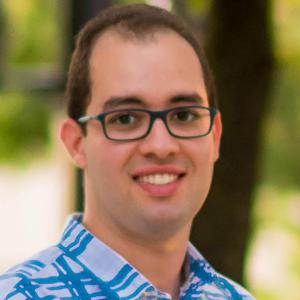

Ph.D., Staff Research Scientist, Google
Biography
Ahmed Metwally is a Staff Research Scientist at Google, where he leads the Metabolic Health AI research program. His research focuses on developing models that leverage large-scale physiological and behavioral data to enable the early detection and personalized treatment or prevention of cardiometabolic diseases. He completed his postdoctoral work in the Snyder Lab at Stanford University. He holds a Ph.D. in Biomedical Engineering and an M.S. in Computer Science, both from the University of Illinois at Chicago. He has over 80 publications in prestigious journals, including Nature and Science. He is a co-inventor on nine patents. Ahmed has received numerous honors, including the IEEE EMBS Rising Star Award, the Stanford RISE Award, and the NIH Predoctoral Translational Scientist Fellowship. He was recently elected VP of Conferences for IEEE EMBS. His research has been covered internationally by news outlets, including The New York Times.
Speaker Profile
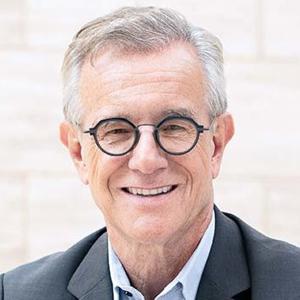
M.D., CEO, Buck Inst.
Biography
Verdin’s laboratory focuses on the role of epigenetic regulators in the aging process. His laboratory was the first to clone a family of enzymes, called HDACs, which regulate histone acetylation. Verdin studies how metabolism, diet and small molecules regulate the activity of HDACs and Sirtuins and thereby the aging process and its associated diseases, including Alzheimer’s. He has published more than 210 scientific papers and holds more than 15 patents. He is a highly cited scientist (top 1%) and has been recognized for his research with a Glenn Award for Research in Biological Mechanisms of Aging and a senior scholarship from the Ellison Medical Foundation. He is an elected member of several scientific organizations including the American Association for the Advancement of Science, the American Society for Clinical Investigation and the Association of American Physicians. He also serves on the Advisory Council of NIDA at the National Institutes of Health.
He has held faculty positions at the University of Brussels, the National Institutes of Health (NIH), and the Picower Institute for Medical Research. Dr. Verdin is also a Professor of Medicine at the University of California, San Francisco.
Eric received his Doctorate of Medicine (MD) from the University of Liege and additional clinical and research training at Harvard Medical School.
Speaker Profile
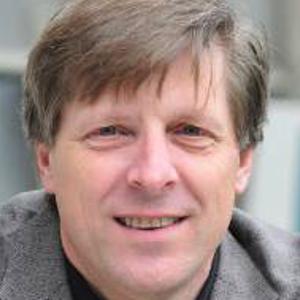
Ph.D., Director, Centre for Healthy Longevity, National U. of Singapore
Biography
Speaker Profile
M.D., Director, NUS Academy for Healthy Longevity, National U. of Singapore
Biography
Andrea Maier is a leading figure in geroscience and healthy longevity medicine, academically termed precision geromedicine. Her work has focused on translating the biology of ageing into clinical practice, with emphasis on developing evidence-based strategies to extend healthspan rather than simply prolong lifespan. She has led international cohort studies and intervention studies aimed at understanding ageing mechanisms and applying them to prevention and care.
Maier has shaped precision geromedicine as an organized field. She is the Founding President of the Healthy Longevity Medicine Society, Scientific Advisory Board member of the Biomarkers of Aging Consortium, and she serves on the Board of the Academy for Health and Lifespan Research, roles that place her at the center of efforts to define standards, evidence, and direction for this emerging area.
In addition to her academic leadership, she has worked to build the institutional and clinical infrastructure needed to move precision geromedicine from concept to implementation, including leadership of the Centre for Healthy Longevity at NUS and founding the NUS Academy for Healthy Longevity. Her work has made her one of the most visible international voices connecting ageing biology, clinical medicine, and real-world translational impact.
Speaker Profile
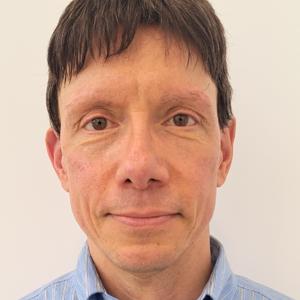

Ph.D., Professor, UCLA
Biography
Dr. Steve Horvath is a geroscientist and computational biologist best known for developing the epigenetic clock, a groundbreaking biomarker that measures biological aging based on DNA methylation patterns. His work has transformed aging research, enabling precise tracking of aging-related interventions and influencing diagnostics, longevity science, and precision medicine. Dr. Horvath has led key studies linking epigenetic age acceleration to disease risk and mortality, paving the way for potential anti-aging therapies. He has held leadership roles in major scientific initiatives and has received numerous honors, including election to the Academy for Health & Lifespan Research, as well as the Nathan W. Shock Award for aging research. His contributions continue to shape the future of aging and longevity research, with broad applications in medicine and biotechnology.
Speaker Profile
M.D., President, Kitalys Inst.
Biography
Speaker Profile
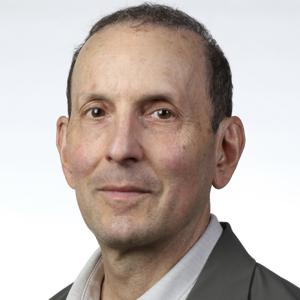
PMWC PIONEER AWARD
Pioneered GLP-1 and GLP-2 biology powering modern metabolic medicine
M.D., Senior investigator, Sinai Health System
Biography
Dr. Daniel Drucker's lab is internationally renowned not only for his research, but as an environment where the clinical relevance of scientific breakthroughs is pursued. In his lab, Dr. Drucker studies the action of peptide hormones that regulate multiple aspects of metabolism. His lab has carried out basic science supporting the development of two new classes of therapies for the treatment of type 2 diabetes, new medicines for obesity and a new therapy for patients with short bowel syndrome requiring parenteral nutrition.
Dr. Drucker studies a family of hormones produced in the pancreas, gastrointestinal tract and brain. Controlling blood glucose and insulin secretion, these hormones also regulate our appetite, the absorption of nutrients from the food we eat, and the conversion of those nutrients to energy. GLP-1 medicines also reduce inflammation, and decreases rates of cardiovascular, kidney and liver disease, improving outcomes for millions of people worldwide.
Talk
The expanding universe of GLP- medicines
Modern GLP-1 medicines improve multiple health outcomes, often independent of weight loss. This lecture highlights the mechanisms of GLP-1 action that reverse organ dysfunction and reduce the complications of cardiometabolic disease
Speaker Profile
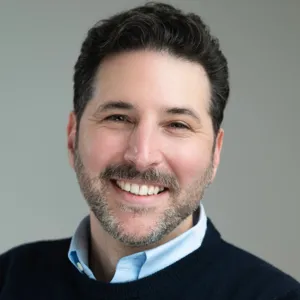

Ph.D., Professor, Columbia U.
Biography
Dan Belsky is Associate Professor of Epidemiology at the Columbia University Mailman School of Public in the Robert N. Butler Columbia Aging Center, where he directs the Center’s Geroscience Computational Core. His group develops methods to quantify the pace and progress of biological aging in young, midlife, and older adult humans and applies these methods in epidemiological studies and clinical trials to identify opportunities for intervention to increase healthy lifespan. Dan has been recognized as a leader in his field with the Academy of Behavioral Medicine’s Neal Miller New Investigator Award and the American Federation for Aging Research’s Vincent Cristofalo Rising Star Award. His work is supported by the US National Institute on Aging, the Advanced Research Projects Agency for Health (ARPA-H), the Canadian Institute for Advanced Research, and the American Federation for Aging Research (AFAR), among other sources. He is co-director of the AFAR FAST Initiative and a member of the Scientific Advisory Boards of AFAR, the Biomarkers of Aging Consortium, and X-Prize Healthspan. He is an inventor of the Pace of Aging method and the DunedinPACE epigenetic clock. Since 2020, he has been named an ISI highly-cited researcher.
Speaker Profile
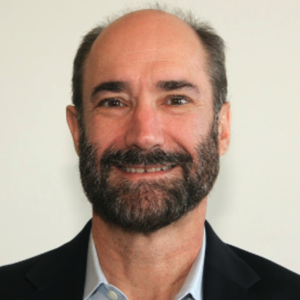
Ph.D., Professor, Department of Genetics, Stanford
Biography
Michael Snyder is the Stanford W. Ascherman Professor and the Director of the Stanford Center of Genomics and Personalized Medicine. As a pioneer of Precision Medicine, Dr. Snyder has invented many technologies enabling the 21st century of healthcare including systems biology, RNA sequencing, and protein chip. Dr. Snyder has initiated the Big Data approach to healthcare through his work using omics to detect early-stage disease, including wearables to detect infectious diseases like COVID-19, and at-home microsampling to measure hundreds of molecules from a single drop of blood. He is the first researcher to gather petabytes of data on individuals, which is 1 million - 1 trillion times more data than the average clinician collects. He has published over 900 papers and is one of the most cited scientists. In terms of commercial success, Dr. Snyder has co-founded 17 companies (including 2 unicorns) with combined enterprise value of over $6 billion.
Speaker Profile
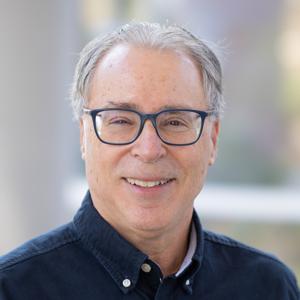
M.D., Director, Institute for Aging Research; President, Academy for Health and Lifespan Research., Albert Einstein College of Medicine
Biography
Dr. Nir Barzilai is a preeminent leader in geroscience, demonstrating in his studies that aging has its own biology that drives age-related diseases, a process that can be targeted. At Albert Einstein College of Medicine, he is a professor in the departments of Medicine and Genetics, the director of the Institute for Aging Research, and the director of the Einstein-National Institutes of Health (NIH) Nathan Shock Center of Excellence in the Basic Biology of Aging, and the author of more than 350 papers. He made seminal discoveries in extending the health and lifespan of animals and discovering pathways for exceptional longevity in humans. He is leading an international effort to approve drugs targeting aging. Targeting Aging with Metformin (TAME) is a specific study conceived by Dr. Barzilai to prove that a single drug can combat multiple diseases associated with aging and get FDA approval for targeting aging. Dr. Barzilai is a co- founder and the President of A HLS. He is also on the board of directors of the American Federation for Aging Research, where he co-leads its biomarker effort (FAST), TAME, and Super Agers initiative. He is an Executive of the Longevity Biotech Association (LBA) and serves on the Healthy Longevity Medicine Society council. He authored Age Later: Health Span, Life Span, and the New Science of Longevity.
Speaker Profile
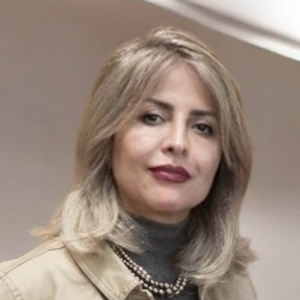
Ph.D., PHARMD, Assistant Professor, Amsterdam UMC
Biography
Fariba Ahmadizar is an epidemiologist working at the forefront of diabetes precision medicine and cardiometabolic research. Her work integrates multi-omics data, including genomics and metabolomics, with clinical, environmental, and pharmacological information to identify biomarkers that improve risk prediction, prevention, and treatment strategies in diabetes and related disorders. She leads multiple international research initiatives investigating the role of glucose dysregulation and glycemic variability in cognitive decline and dementia, advancing understanding of metabolic drivers of brain health.
Her research applies advanced epidemiological and data-driven methods to real-world and multi-omics datasets to generate clinically actionable insights for precision medicine. She serves as principal investigator in several national and international consortia and is actively involved in academic teaching, scientific coordination, and mentorship.
Her work bridges epidemiology, molecular data science, and clinical practice to advance personalized approaches to diabetes care, cardiometabolic disease prevention, and cognitive health.
Speaker Profile
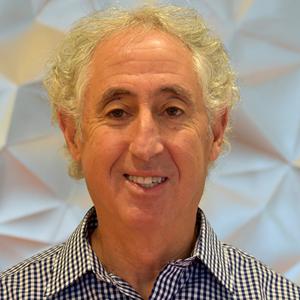

M.D., VP, Regeneron
Biography
A leading international expert and researcher in precision medicine, Dr. Shuldiner focuses on the genetics of age-related diseases, including of type 2 diabetes, obesity, osteoporosis, and cardiovascular disease. He is best known for his studies involving Old Order Amish, a homogeneous population ideal for genetic studies. Dr. Shuldiner serves as vice president at the Regeneron Genetics Center, a program that focuses on large-scale genomics in diverse populations to facility drug development and precision medicine. He also serves as professor, part-time at the University of Maryland School of Medicine where he leads programs to advance genetic discoveries into clinical settings.