
Session Abstract – PMWC 2027 Silicon Valley
Confirmed Presenting Companies:

Speaker Profile
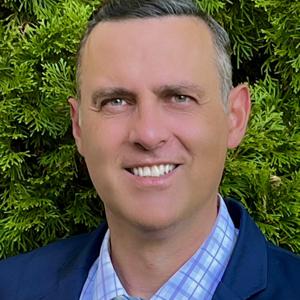
M.D., Ph.D., Co-Founder and CSO, Circular Genomics Inc
Biography
Dr. Mellios is a neuroscientist and RNA Biologist with leading expertise on circRNAs and their applications in precision medicine. He is the cofounder and CSO of Circular Genomics. He has published pivotal studies on the role of noncoding RNAs in brain function and disease and through his work at Circular Genomics has pioneered methods for the use of circRNAs for the better diagnosis and treatment of psychiatric and neurological disorders.
Clinical Dx Showcase:
Circular Genomics Inc
Circular Genomics is a pioneer in precision medicine, leveraging brain-derived circular RNA biomarkers for the better diagnosis and treatment of brain disorders. We are committed to delivering cutting-edge solutions that will revolutionize the way we diagnose and treat neurological and psychiatric illnesses.
Speaker Profile
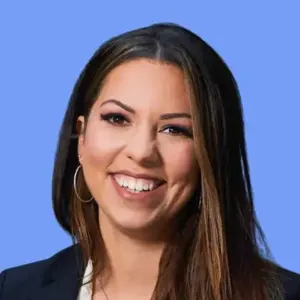

Ph.D., Entrepreneur in residence, Google Ventures
Biography
Nicole Gaudelli is a life sciences entrepreneur in residence and joined the GV team in 2024. She focuses on the interface of chemistry and biology with a particular emphasis on harnessing the principles of organic chemistry to enable the creation of precision genetic medicines. She earned her Ph.D. in chemistry from Johns Hopkins University, in the laboratory of Professor Craig Townsend, where she studied monocyclic beta-lactam antibiotics and elucidated the mechanism through which they are biosynthesized.
She completed her postdoctoral fellowship at Harvard University and the Broad Institute of MIT and Harvard in the laboratory of Professor David Liu, where she expanded the capabilities of base editing technology by inventing and creating the first adenine base editor (ABE) through directed evolution and engineering. Her doctoral and postdoctoral work culminated in prominent Nature publications in the fields of natural product chemistry and gene editing, and her foundational patent in adenine base editing was licensed by Beam Therapeutics and Verve Therapeutics.
Nicole is an inventor on numerous base editing patents and was the vice president of gene editing at Beam Therapeutics, where her team advanced and engineered precision gene editing tools. Her work enabled new and expanded pipeline development within the Beam enterprise. In addition, she served as the program leader for Beam’s hematology program “ESCAPE,” working to create next-generation autologous cell therapy opportunities for patients with sickle cell disease by developing innovative non-genotoxic conditioning strategies.
Nicole is a recipient of the 2018 American Chemical Society’s “Talented 12” award, recognized as a 2018 STAT News Wunderkind, a 2018 TEDMED Hive honoree, Genetic Engineering and Biotechnology News “Top 10 Under 40 of 2019”, BioSpace’s 2019 “10 Life Science Innovators Under 40 to Watch”, MIT’s 2019 Technology Reviews’ 35 Innovators Under 35, Business Insider’s 30 Under 40 in 2020, Fortune Magazine’s 40 Under 40 in Healthcare, Endpoint News’s 2021 20 Under 40 in biopharma, and John Hopkins University’s Distinguished Alumna Award of 2022.
Speaker Profile
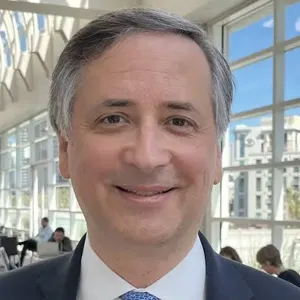

M.D., Ph.D., Co-Director of Cancer Genetics and Epigenetics, Johns Hopkins U.
Biography
Dr. Velculescu led the first genome wide sequence analysis in human cancers, identifying key genes and pathways dysregulated in tumorigenesis. He developed methods for global gene expression analyses and coined the word transcriptome" to describe the patterns that could now be obtained in cancer and other cells. These analyses identified a variety of genes not previously known to be involved in neoplasia, including PIK3CA as one of the most highly mutated genes in human cancer. His team's discoveries have led to new FDA approved therapies against PI3K and IDH1, and diagnostic tests for comprehensive tumor profiling. More recently, his group has created noninvasive machine learning liquid biopsy approaches for early detection and monitoring of cancer patients. His work has provided new paradigms for understanding human cancer that have benefited patients worldwide. He has been a Founder and CoCEO of Personal Genome Diagnostics and is Founder and CEO of Delfi Diagnostics.
Speaker Profile
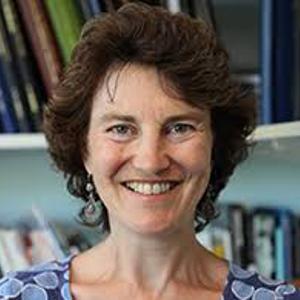

PMWC LUMINARY AWARD
Pioneered Cytosponge, bringing scalable early detection to esophageal cancer
OBE, FRS, FMedSci, Professor of Cancer Prevention; Director, Early Cancer Institute, and Head, Academic Department of Oncology, University of Cambridge, Cambridge
Biography
Rebecca Fitzgerald is a leading figure in cancer prevention and early detection. She is best known for developing Capsule Sponge or Cytosponge, the “sponge on a string” test for identifying Barrett’s esophagus and early esophageal cancer, providing a practical, less-invasive model for risk-based screening and reducing reliance on endoscopy.
Her work has carried this technology across the full translational arc, from mechanistic and biomarker research through large randomized trials, NHS pilots, and large-scale population screening studies, setting a benchmark for how an early detection tool moves from concept to clinical implementation. As Director of the Early Cancer Institute at Cambridge, she has built a program focused on intercepting cancer at its earliest and most treatable stages.
A Fellow of the Royal Society and the Academy of Medical Sciences, and American Association of Cancer Research, Fitzgerald continues to shape the future of cancer prevention, precision screening, and early cancer interception.
Talk
Speaker Profile
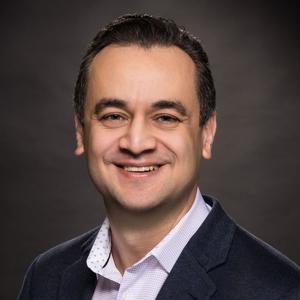

Ph.D., CEO and Co-Founder, Hepta
Biography
Hamed Amini is Co-Founder and CEO of Hepta, an AI-native liquid biopsy company building the diagnostic and data platform for chronic disease, beginning with MASH. Hepta decodes cell-free DNA methylation signals in blood to deliver tissue-level insight without biopsy, powered by LiquidTransformer, a transformer AI architecture purpose-built for liquid biopsy in chronic disease.
Hamed founded Hepta in 2022 after more than a decade at the forefront of genomics and diagnostics. He was a founding team member at GRAIL, where he led work across technology and product development and translational strategy, and played a pivotal role in developing and launching Galleri, GRAIL's flagship multi-cancer early detection test. Earlier, he was a scientist in Illumina's research division, working at the forefront of next-generation sequencing technologies.
He holds a Ph.D. in Biomedical Engineering from UCLA and a B.Sc. in Mechanical Engineering from Sharif University of Technology.
Speaker Profile
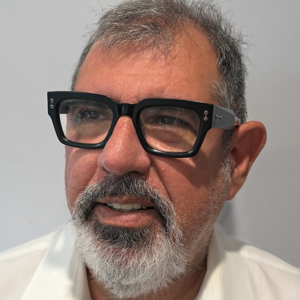
PMWC PIONEER AWARD
Co-developed liquid biopsy methods and CancerSEEK for multicancer early detection
Ph.D., Director of Translational Genetics, Johns Hopkins U.
Biography
Nickolas Papadopoulos is a pioneer in cancer genetics and multi-cancer early detection. At Johns Hopkins, he helped define the genetic basis of hereditary nonpolyposis colorectal cancer, now central to understanding mismatch repair defects and inherited cancer risk. He later helped lead the development of CancerSEEK, a blood-based multi-analyte test combining circulating tumor DNA mutations and protein biomarkers to detect multiple common cancers, including cancers with no routine screening option.
As a senior leader of DETECT-A, he helped move multi-cancer early detection beyond technical promise into a prospective interventional screening study in nearly 10,000 asymptomatic women. His work has helped shift liquid biopsy from tumor profiling toward earlier detection, clinical localization, and real-world implementation, a central frontier in precision oncology.
Talk
Detecting Cancer Early with Liquid Biopsy
Using liquid biopsy to detect cancer before it is clinically detected has the potential to reduce both mortality and morbidity due to cancer. Liquid biopsy allows the detection of many tumor types. Two clinical applications will be discussed, Multicancer early detection and detection of minimal residual disease.
Speaker Profile
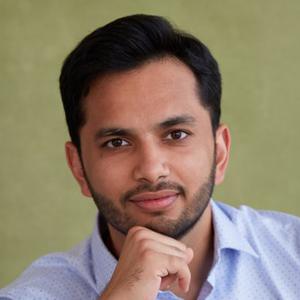

Ph.D., Professor, Harvard
Biography
Pranav Rajpurkar is driven by a fundamental passion for building reliable artificial intelligence (AI) technologies for biomedical decision making. His lab approaches biomedical problems with a computational lens, developing AI algorithms, datasets, and interfaces that cut across computer vision, natural language processing, and structured health data. He has collaborated with clinicians across medical specialties, including radiology, cardiology, and pathology, to make some of the first demonstrations of expert-level deep learning algorithms and their effects on clinician decision making. Previously, Dr. Rajpurkar received his B.S., M.S., and Ph.D. degrees, all in Computer Science from Stanford University.
His lab’s current research directions include algorithm development for limited labeled data settings, high-quality dataset curation at scale, and the design of effective clinician-AI collaboration setups.
Speaker Profile
Ph.D., Director, Division of Cancer Prevention, UCSF/Arc Inst.
Biography
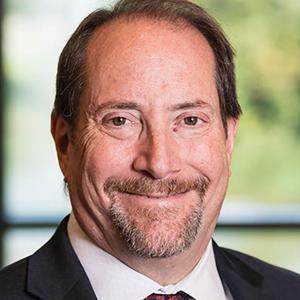
Philip E. Castle, PhD, MPH is the Director of the Division of Cancer Prevention (DCP), Acting Director of the Cancer Prevention Fellowship Program in DCP, and Senior, Tenured Investigator in the Division of Cancer Epidemiology and Genetics (DCEG) at the U.S. National Cancer Institute (NCI) (Rockville, MD, USA). From 2014-2020, Dr. Castle was a Professor in the Department of Epidemiology and Population Health at Albert Einstein College of Medicine (Bronx, NY), at which he was granted tenure in 2019. Previously, Dr. Castle was the Chief Scientific Officer of the American Society for Clinical Pathology (ASCP) (2011-2). Dr. Castle was a Senior, Tenured Investigator (2010) and Tenure-Track Investigator (2003-10) in DCEG/NCI. From 1999-2002, Dr. Castle was a Cancer Prevention Fellow in DCP/NCI, during which time he received M.P.H. in Epidemiology in 2000 from The Johns Hopkins University (Baltimore, MD, USA). Dr. Castle received his Ph.D. in Biophysics in 1995 from The Johns Hopkins University.
Speaker Profile

M.D., Founder & Director, Madrigal Pharma
Biography
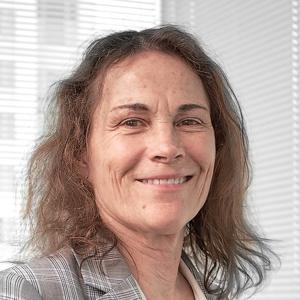
Dr. Taub serves as Madrigal’s Senior Scientific and Medical Advisor. Dr. Taub also previously served as Executive Vice President, Research & Development, from July 2016 through June 2019 and as Chief Executive Officer from September 2011 to July 2016. Prior to joining Madrigal, Dr. Taub served as Senior Vice President, Research and Development of VIA Pharmaceuticals, Inc. from 2008 to 2011 and as Vice President, Research, Metabolic Diseases at F. Hoffmann-La Roche AG from 2004 to 2008. In those positions, Dr. Taub oversaw clinical development and drug discovery
programs in cardiovascular and metabolic diseases, including the conduct of a series of Phase 1 and 2 proof of concept clinical trials. From 2000 through 2003, Dr. Taub worked at Bristol-Myers Squibb Company and DuPont, in a variety of positions, including as Executive Director of CNS and metabolic diseases research at each company.
Speaker Profile

Ph.D., Director, Cancer Genome Analysis & Professor of Pathology, MGH & Broad Inst.
Biography
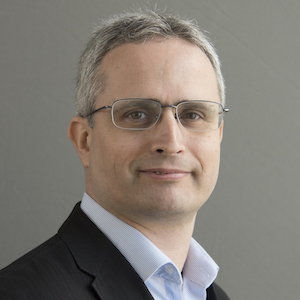
Dr. Getz is an internationally acclaimed leader in cancer genomics and is pioneering widely used tools for analyzing cancer genomes. Dr. Getz is a Professor of Pathology at Harvard Medical School. He is the Director of Bioinformatics at the Massachusetts General Hospital (MGH) Cancer Center and Department of Pathology, and is an Institute Member of the Broad Institute of MIT and Harvard, where he directs the Cancer Genome Computational Analysis Group. He has published over 400 papers in prominent journals describing new methodologies to study cancer genomes that have identified new genes and pathways involved in different tumor types, mutational signatures, and tumor evolution.
Speaker Profile
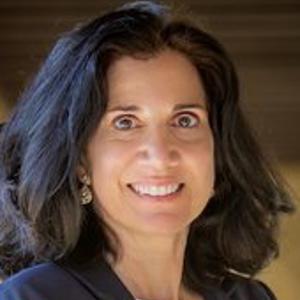

Ph.D., Chair of Biomedical Data Science, Stanford
Biography
Sylvia Plevritis runs a research program that applies data science to the
study of cancer systems biology and patient outcomes. She is focused on
reverse engineering cell-cell interactions in the tumor microenvironment,
from single cell sequencing and multiplexed imaging platforms, in order to
identify biomarkers and drug targets and aid in treatment planning. She is
a PI with the NCI Cancer Intervention Surveillance Network, an
NCI-consortium of investigators who use simulation modeling to improve our
understanding of cancer control interventions in prevention, screening, and
treatment and their effects on population trends in cancer incidence and
mortality. These models have been used to guide public health research and
priorities, and aid in the development of optimal cancer control
strategies. She is a fellow of the American Institute for Medical and
Biological Engineering and Distinguished Investigator in the Academy of
Radiology Research, and serves on the NCI Board of Scientific Advisors
Speaker Profile
M.D., Professor, UCSF
Biography
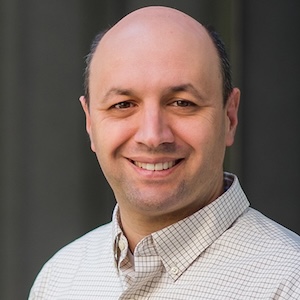
Elad Ziv is a physician-scientist whose research focuses on germline genetic susceptibility to cancer and treatment outcomes. His group focuses on genetics of breast cancer in Latinas and on genetics of immunotherapy. He and his colleagues have often leveraged concepts from population genetics to help guide their studies of cancer. He completed his undergraduate degree at Yale University and received his MD from UCSF where he also completed residency training in internal medicine and fellowship training in epidemiology and clinical research. He is an elected member of the American Society for Clinical Investigation.
Speaker Profile

Ph.D., Senior Investigator and Director, Genomics, U. of Toronto
Biography
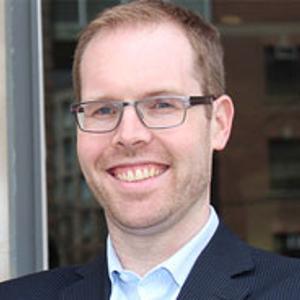
Trevor Pugh, Ph.D., is a Senior Investigator and Director of Genomics at the Ontario Institute for Cancer Research, a Professor at the University of Toronto, and a Senior Scientist at Princess Margaret Cancer Centre. A board-certified molecular geneticist and Canada Research Chair in Translational Genomics, he develops genomic approaches that connect tumor biology with clinical decision-making. His research uses whole-genome and transcriptome sequencing, circulating cell-free DNA, single-cell methods, and immune-repertoire profiling to study cancer evolution, treatment response, and clonal change over time. Dr. Pugh has led and contributed to large precision-oncology and cancer-genomics initiatives, with a focus on methods that can be implemented in clinical research and diagnostic workflows. He trained in molecular genetics at Harvard and completed postdoctoral research at Dana-Farber Cancer Institute and the Broad Institute after earning his Ph.D. and undergraduate degree at the University of British Columbia. His work aims to make high-dimensional genomic data clinically interpretable and actionable.
Speaker Profile

Ph.D., Assistant Professor, Harvard
Biography
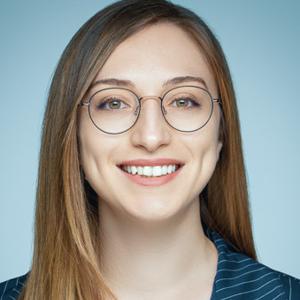
Doga Gulhan is the Principal Investigator of the Gulhan Lab at the Massachusetts General Hospital Cancer Center and a faculty member at Harvard Medical School. She earned her Bachelor of Science degree in physics from Bilkent University and completed her Ph.D. in high-energy physics at the Massachusetts Institute of Technology, followed by a research fellowship at CERN. After transitioning to biomedical informatics, she joined the Park Lab in the Department of Biomedical Informatics at Harvard Medical School as a postdoctoral fellow, where she studied mutational processes in cancer through the development and application of mutational signature analysis methods. Her research program focuses on developing statistical and machine learning approaches, together with a comprehensive suite of computational tools, to decipher cancer genomes and advance personalized oncology.
Speaker Profile
M.D., Ph.D., Professor, UCSF/Arc Inst.
Biography
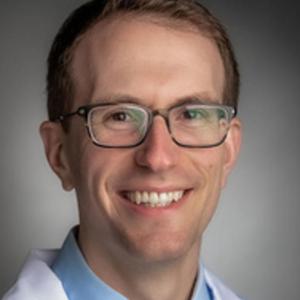
Sylvan Baca is an Assistant Professor of Medicine at Harvard Medical School, a medical oncologist at Dana-Farber Cancer Institute, and an Associate Member of the Broad Institute. Dr. Baca received his undergraduate degree from Stanford University and his MD and PhD from Harvard Medical School. He trained in Internal Medicine at Brigham and Women's Hospital and completed his fellowship in Medical Oncology at Dana-Farber Cancer Institute. Dr. Baca received his post-doctoral training in cancer epigenetics with Dr. Matthew Freedman at Dana-Farber Cancer Institute and the Broad Institute of Harvard and MIT. He is on faculty at Dana-Farber Cancer Institute as a Physician and Investigator. In addition to caring for patients, he conducts research at the interface of computational biology and epigenomics to find better ways to treat cancer.
Speaker Profile
M.D., Ph.D., Co-Director of Cancer Genetics and Epigenetics, Johns Hopkins U.
Biography
Dr. Velculescu led the first genome wide sequence analysis in human cancers, identifying key genes and pathways dysregulated in tumorigenesis. He developed methods for global gene expression analyses and coined the word transcriptome" to describe the patterns that could now be obtained in cancer and other cells. These analyses identified a variety of genes not previously known to be involved in neoplasia, including PIK3CA as one of the most highly mutated genes in human cancer. His team's discoveries have led to new FDA approved therapies against PI3K and IDH1, and diagnostic tests for comprehensive tumor profiling. More recently, his group has created noninvasive machine learning liquid biopsy approaches for early detection and monitoring of cancer patients. His work has provided new paradigms for understanding human cancer that have benefited patients worldwide. He has been a Founder and CoCEO of Personal Genome Diagnostics and is Founder and CEO of Delfi Diagnostics.
Speaker Profile
M.D., Ph.D., Co-Director of Cancer Genetics and Epigenetics, Johns Hopkins U.
Biography
Dr. Velculescu led the first genome wide sequence analysis in human cancers, identifying key genes and pathways dysregulated in tumorigenesis. He developed methods for global gene expression analyses and coined the word transcriptome" to describe the patterns that could now be obtained in cancer and other cells. These analyses identified a variety of genes not previously known to be involved in neoplasia, including PIK3CA as one of the most highly mutated genes in human cancer. His team's discoveries have led to new FDA approved therapies against PI3K and IDH1, and diagnostic tests for comprehensive tumor profiling. More recently, his group has created noninvasive machine learning liquid biopsy approaches for early detection and monitoring of cancer patients. His work has provided new paradigms for understanding human cancer that have benefited patients worldwide. He has been a Founder and CoCEO of Personal Genome Diagnostics and is Founder and CEO of Delfi Diagnostics.
Speaker Profile

Ph.D., Sr. Genomics/AI/ML Scientist, NVIDIA
Biography
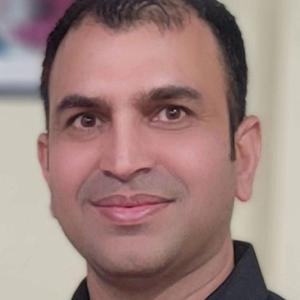
Pankaj Vats, PhD, is a Senior Genomics and Artificial Intelligence Scientist at NVIDIA Clara Parabricks. He develops GPU-accelerated, AI-driven genomic technologies for research and clinical applications, with expertise in cancer genomics, structural-variant detection, and liquid-biopsy analysis. His work includes DeepSAP, a transformer-based RNA-seq alignment workflow, and MambaSV, a sequence state-space model for structural-variant resolution. Dr. Vats applies foundation models and high-performance computing to advance scalable genomic tools for precision oncology, translational research, diagnostic laboratories, and biopharmaceutical partners.
Speaker Profile

Ph.D., Assistant Professor, Northwestern U.
Biography
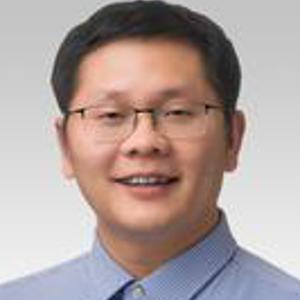
Yaping Liu, PhD, is an Assistant Professor in the Department of Biochemistry and Molecular Genetics at Northwestern University Feinberg School of Medicine. He joined Northwestern in 2023 after founding his laboratory at Cincinnati Children’s Hospital Medical Center and the University of Cincinnati College of Medicine, where he served as an Assistant Professor in the Divisions of Human Genetics and Biomedical Informatics from 2019 to 2023. Prior to his academic career, Dr. Liu was a Principal Computational Biologist at Freenome Inc., where he led computational efforts to develop liquid-biopsy technologies for early cancer detection. He completed his postdoctoral training at the MIT Computer Science and Artificial Intelligence Laboratory (CSAIL) and the Broad Institute of MIT and Harvard in 2017. Dr. Liu received his PhD in Genetics, Molecular and Cellular Biology from the University of Southern California in 2014 and his BS in Biotechnology from Nanjing University in 2008.
Speaker Profile

M.D., President, Viome
Biography
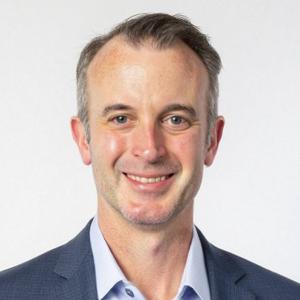
Brad Younggren, MD, is President of Viome and co-founder of Circulate Health, where he has advanced therapeutic plasma exchange (TPE) as an intervention for healthy aging through clinical research and expanded outpatient access. A board-certified emergency physician, former U.S. Army combat physician, and Bronze Star recipient, Dr. Younggren has spent more than two decades at the forefront of healthcare innovation at six separate companies, including roles as President and Chief Medical Officer of 98point6 and Chief Medical Officer at Cue Health. His work today focuses on translating emerging longevity science into evidence-based clinical care.
Speaker Profile

M.D., FACS, Associate Professor, Harvard
Biography
Daniel Faden, MD, FACS, is a head and neck cancer surgeon-scientist who leads an NIH-funded research program focused on leveraging next-generation molecular diagnostics to develop and apply liquid biopsy technologies for early cancer detection, minimal residual disease monitoring, and precision surveillance. He is an Associate Professor at Harvard Medical School where he is Principal Investigator in the Mike Toth Head and Neck Cancer Center, an attending surgeon in the Division of Head and Neck Surgical Oncology at Mass General Brigham Cancer Institute, and an Associate Scientist at the Broad Institute. His laboratory has a particular emphasis on HPV-associated cancers, where his team has pioneered HPV whole-genome sequencing assays to enable earlier diagnosis and more informed patient management. His work has helped shape modern approaches to HPV cancer care.
Speaker Profile
PMWC PIONEER AWARD
Co-developed liquid biopsy methods and CancerSEEK for multicancer early detection
Ph.D., Director of Translational Genetics, Johns Hopkins U.
Biography
Nickolas Papadopoulos is a pioneer in cancer genetics and multi-cancer early detection. At Johns Hopkins, he helped define the genetic basis of hereditary nonpolyposis colorectal cancer, now central to understanding mismatch repair defects and inherited cancer risk. He later helped lead the development of CancerSEEK, a blood-based multi-analyte test combining circulating tumor DNA mutations and protein biomarkers to detect multiple common cancers, including cancers with no routine screening option.
As a senior leader of DETECT-A, he helped move multi-cancer early detection beyond technical promise into a prospective interventional screening study in nearly 10,000 asymptomatic women. His work has helped shift liquid biopsy from tumor profiling toward earlier detection, clinical localization, and real-world implementation, a central frontier in precision oncology.
Talk
Speaker Profile
PMWC PIONEER AWARD
Co-developed liquid biopsy methods and CancerSEEK for multicancer early detection
Ph.D., Director of Translational Genetics, Johns Hopkins U.
Biography
Nickolas Papadopoulos is a pioneer in cancer genetics and multi-cancer early detection. At Johns Hopkins, he helped define the genetic basis of hereditary nonpolyposis colorectal cancer, now central to understanding mismatch repair defects and inherited cancer risk. He later helped lead the development of CancerSEEK, a blood-based multi-analyte test combining circulating tumor DNA mutations and protein biomarkers to detect multiple common cancers, including cancers with no routine screening option.
As a senior leader of DETECT-A, he helped move multi-cancer early detection beyond technical promise into a prospective interventional screening study in nearly 10,000 asymptomatic women. His work has helped shift liquid biopsy from tumor profiling toward earlier detection, clinical localization, and real-world implementation, a central frontier in precision oncology.
Talk
Speaker Profile
PMWC LUMINARY AWARD
Pioneered Cytosponge, bringing scalable early detection to esophageal cancer
Professor of Cancer Prevention; Director, Early Cancer Institute, and Head, Academic Department of Oncology, University of Cambridge, Cambridge
Biography
Rebecca Fitzgerald is a leading figure in cancer prevention and early detection. She is best known for developing Capsule Sponge or Cytosponge, the “sponge on a string” test for identifying Barrett’s esophagus and early esophageal cancer, providing a practical, less-invasive model for risk-based screening and reducing reliance on endoscopy.
Her work has carried this technology across the full translational arc, from mechanistic and biomarker research through large randomized trials, NHS pilots, and large-scale population screening studies, setting a benchmark for how an early detection tool moves from concept to clinical implementation. As Director of the Early Cancer Institute at Cambridge, she has built a program focused on intercepting cancer at its earliest and most treatable stages.
A Fellow of the Royal Society and the Academy of Medical Sciences, and American Association of Cancer Research, Fitzgerald continues to shape the future of cancer prevention, precision screening, and early cancer interception.
Talk
Speaker Profile
M.D., Ph.D., Professor of Medicine (Oncology); C.M.A, Stanford
Biography
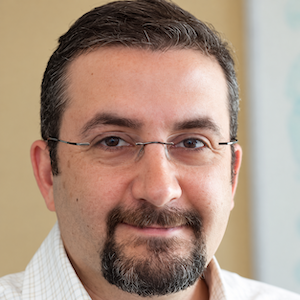
Ash A. Alizadeh, MD, PhD is the Moghadam Family Professor of Medicine at Stanford University and a practicing hematooncologist and physician-scientist in the Division of Oncology, leading the Cancer Genomics program for the Stanford Cancer Institute. His research focuses on the development of data-driven approaches to better understand cancer biology, improve diagnostics, and personalize therapies. Dr. Alizadeh is a recognized leader in computational methods for cancer biology and oncology translational research, contributing extensively to the advancement of precision medicine. His group has contributed to the development of several commonly used liquid biopsy techniques for cancer detection and monitoring (including CAPP-Seq, PhasED-Seq, RARE-Seq, EPIC-Seq), as well as methods for tumor immune profiling (including CIBERSORT and EcoTyper).
Talk
Speaker Profile

Ph.D., Professor, UCSF/Arc Inst.
Biography
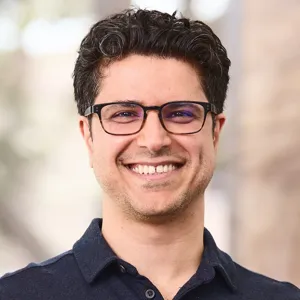
Dr. Hani Goodarzi is a Core Investigator at the Arc Institute and Associate Professor at UCSF, where he works at the intersection of machine learning and RNA biology. A key member of the team leading Arc's Virtual Cell initiative, his lab develops AI-driven models of cellular behavior, with a focus on decoding the RNA code through single-cell sequencing and multimodal data integration. He is also the founder of Network Bio, Tahoe Therapeutics, and Therna Biosciences (generative AI for programmable RNA therapeutics). He is a recipient of the Vilcek Prize for Creative Promise and the AACR-MPM Transformative Cancer Research Award.
Talk
Speaker Profile
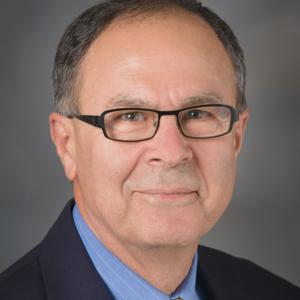

PMWC PIONEER AWARD
Pioneered proteomics-based blood biomarkers for cancer risk and early detection
M.D., Ph.D., Professor, MD Anderson
Biography
Sam Hanash is a physician-scientist and internationally recognized leader in cancer proteomics, biomarker discovery, and early cancer detection. He was the inaugural president of the Human Proteome Organization (HUPO) and has played a major role in advancing proteomics as a tool for understanding cancer biology and identifying clinically useful biomarkers.
At The University of Texas MD Anderson Cancer Center, Dr. Hanash is Professor of Clinical Cancer Prevention and Molecular Pathology, Director of the McCombs Institute for the Early Detection and Treatment of Cancer, Co-Director of the Center for Global Cancer Early Detection, and holder of the Rubenstein Distinguished Chair.
Speaker Profile

M.D., Ph.D., Professor, MD Anderson Cancer Ctr.
Biography
Sam Hanash is a physician-scientist and internationally recognized leader in cancer proteomics, biomarker discovery, and early cancer detection. He was the inaugural president of the Human Proteome Organization (HUPO) and has played a major role in advancing proteomics as a tool for understanding cancer biology and identifying clinically useful biomarkers.
At The University of Texas MD Anderson Cancer Center, Dr. Hanash is Professor of Clinical Cancer Prevention and Molecular Pathology, Director of the McCombs Institute for the Early Detection and Treatment of Cancer, Co-Director of the Center for Global Cancer Early Detection, and holder of the Rubenstein Distinguished Chair.
Speaker Profile
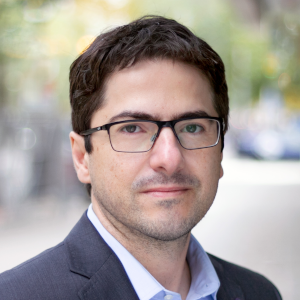
Ph.D., Professor, U. of Toronto
Biography
Dr. Daniel De Carvalho is a leading cancer biologist recognized for pioneering cfDNA methylome profiling (cf MeDIP-seq), the first method to demonstrate that tumor-specific methylation patterns in plasma can reveal both the presence and tissue-of-origin of cancer. His research bridges epigenetics, liquid biopsy, and translational oncology, driving new approaches for early cancer detection, minimal residual disease detection, surveillance, classification and monitoring therapy response. At the University of Toronto and Princess Margaret Cancer Centre, his lab investigates how DNA methylation dynamics inform tumor evolution, transposable elements regulation, viral mimicry and treatment response. Dr. De Carvalho’s discoveries have reshaped how scientists and clinicians view the potential of epigenetic biomarkers in precision oncology and pioneered the use of cfDNA methylation for clinical use.
Speaker Profile

Ph.D., CEO, RealSeq Biosciences
Biography
Sergio Barberan-Soler is a molecular biologist and entrepreneur whose work at RealSeq Biosciences centers on advancing next-generation RNA sequencing technologies. His research focuses on leveraging RNA fragmentomics to unlock new diagnostic capabilities and overcome the sensitivity limitations of standard liquid biopsies.
At PMWC 2027, he is introducing a novel platform capable of detecting the complete profile of RNA fragments in a liquid biopsy, utilizing molecular signals that have never been harnessed before. Drawing on extensive research experience at the University of California, Santa Cruz, and the Centre for Genomic Regulation, his work translates complex small RNA sequencing into practical clinical tools. His upcoming presentation features first-of-its-kind proof-of-concept data spanning hundreds of healthy individuals alongside advanced cancer patients, demonstrating how capturing these previously overlooked RNA fragments can transform the future of non-invasive diagnostics.
Speaker Profile
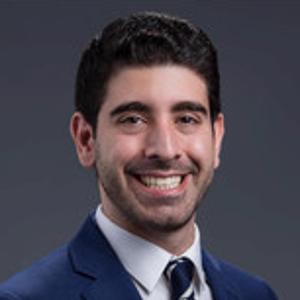

M.D., Clinical Investigator, DFCI/Harvard
Biography
Dr. Tarek Mouhieddine is a physician–scientist and clinical investigator whose research focuses on understanding mechanisms of resistance to myeloma therapies, including CAR T cell therapy and bispecific antibodies, and developing novel therapeutic strategies to improve patient outcomes. He has a strong background in lab-based and translational research, with expertise in tumor genomics and the immune microenvironment. Dr. Mouhieddine is passionate about advancing precision cancer care, the early detection and interception of blood cancers, and translating laboratory discoveries into first-in-human phase I clinical trials in multiple myeloma.
Speaker Profile
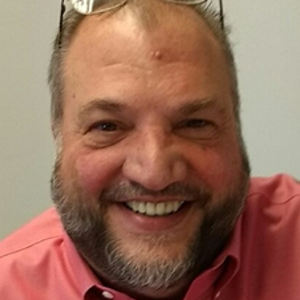

Chief Innovation Officer, Harbinger Health
Biography
Anthony (Tony) Shuber is Chief Innovation Officer at Harbinger Health, where he helps advance new approaches to cancer detection using molecular biology, genomics, and data-driven diagnostics. He has more than 25 years of experience in diagnostics and applied genomics and has played a central role in translating molecular technologies into clinically used tests. Shuber co-founded Exact Sciences Corporation and Predictive Biosciences and previously served as President and Chief Technology Officer of Genetics Research, LLC and Stitch Bio. He is an inventor on more than 100 issued and pending patents and has contributed to numerous scientific publications, including work published in The New England Journal of Medicine. His innovations include technologies underlying Cologuard, the noninvasive stool DNA test used for colorectal cancer screening. Shuber also serves in advisory and board roles across the life sciences sector. He earned a BS in Biology and an MS in Molecular and Developmental Biology from Marquette University.