Speaker Profile
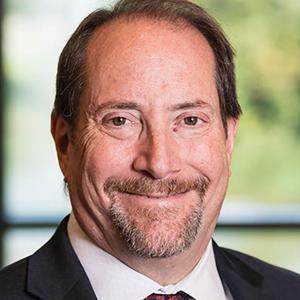

Ph.D., Director, NIH
Biography
Philip E. Castle, Ph.D., M.P.H., was appointed Director of the Division of Cancer Prevention (DCP) at the National Cancer Institute (NCI) in July 2020. In this role, Dr. Castle oversees the conduct and support of research in cancer prevention, early detection, and screening, and prevention and management of symptoms and toxicities in cancer patients. DCP also is the home of the NCI Cancer Prevention Fellowship Program (CPFP), which trains future leaders in the field of cancer prevention and control, and from which Dr. Castle received his public health training from 1999 to 2002. Dr. Castle earned a Ph.D. in Biophysics in 1995 and, in conjunction with his training in the CPFP, a Master’s in Public Health in 2000, both at The Johns Hopkins University, Baltimore, Maryland.
Most recently, Dr. Castle was a tenured professor in the Department of Epidemiology and Population Health at Albert Einstein College of Medicine, Bronx, New York, and a visiting professor at institutions in Singapore, China and Australia. Dr. Castle was previously the Chief Scientific Officer of the American Society for Clinical Pathology. Dr. Castle has been a principal investigator for more than 15 years, initiating, conducting, and leading several large NCI molecular and clinical epidemiologic research studies in the U.S. and internationally, including the Mississippi Delta Project; the HPV (Human Papillomavirus) Persistence and Progression Cohort and the Guidelines Cohort at Kaiser Permanente Northern California (KPNC); and the Anal Cancer Screening Study.
Dr. Castle worked in the NCI Division of Cancer Epidemiology and Genetics (DCEG) as a fellow, investigator, and then senior investigator from 2002 through 2010. He has co-authored more than 400 published articles on HPV and cervical and anogenital cancers and other cancer-related research. Dr. Castle was named NCI Cancer Prevention Fellowship Distinguished Alumnus in 2017 and was honored with the Arthur S. Flemming Award for Government Service in Applied Science, Engineering, and Mathematics in 2010. Dr. Castle has received many professional honors and recognitions, which can be viewed in his full curriculum vitae (PDF, 819 KB), and his publications.
Dr. Castle also rejoins the NCI as a senior investigator with DCEG, focused on discovery, development, and evaluation/validation of new technologies for the prevention of cancer. His professional interests include health disparities, science and translation of cancer prevention strategies, cancer screening, health services research and delivery, epidemiology of HPV and cervical/anogenital cancers, international health, and evidence-based medicine. Dr. Castle is conducting research studies on cancer screening and prevention in Mozambique, Rwanda, and India as well as continuing his work with KPNC.
Session Abstract – PMWC 2027 Silicon Valley

Track Chair:
Victor Velculescu, Johns Hopkins
PMWC Award Ceremony
• Rebecca Fitzgerald, University of Cambridge (Luminary)
• Mary-Claire King, University of Washington (Pioneer)
• Nickolas Papadopoulos, Johns Hopkins (Pioneer)
Featured Speakers
• Mary-Claire King, University of Washington
• Rebecca Fitzgerald, University of Cambridge
• Nickolas Papadopoulos, Johns Hopkins
• Victor Velculescu, Johns Hopkins
• Phil Castle, NIH
• Elad Ziv, UCSF
• Ash Alizadeh, Stanford
• Hamed Amini, Hepta
• Becky Taub, Madrigal Pharmaceuticals
• Trevor Pugh, University of Toronto
• Doga Gulhan, Harvard
• Pranav Rajpurkar, Harvard
• Chris Douville, Johns Hopkins
• Sylvia Katina Plevritis, UCSF
In Precision Medicine, Almost All Diseases Are Genetically Rare
A genetics-first keynote framing risk, prevention, and actionability.
The Reckoning
What the first wave of early detection got right and wrong.
The End of One Size Fits All
Risk-stratified screening, high-risk populations, and single-cancer tests.
Treating Disease at the Earliest Stage
Where detection and therapeutic interception begin to converge.
Pre-Cancer Detection & the Liver Disease Frontier
cfDNA and clinical action across the liver-disease-to-cancer continuum.
AI Across Multimodal Signals
Fragmentomics, methylation, imaging, pathology, and integration: hype versus real science.