Session Abstract – PMWC 2027 Silicon Valley

Speaker Profile
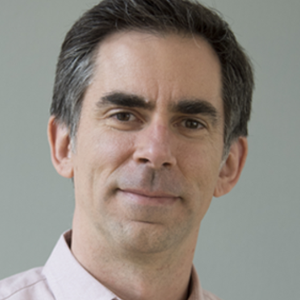

Ph.D., Director, Broad Inst. of MIT & Harvard
Biography
Ben Deverman is the senior director of the vector engineering research group at the Stanley Center for Psychiatric Research at the Broad Institute of MIT and Harvard, where he is also an institute scientist. The vector engineering team develops innovative gene delivery solutions for studying the central nervous system (CNS), with the aim of uncovering new avenues for treating psychiatric disorders. His group applies a variety of approaches including protein engineering, high-throughput in vivo selection and screening methods, and machine learning to develop novel AAV vectors that overcome pressing gene delivery challenges. In recent work, the Deverman team and collaborators found that the AAV-PHP.B family of capsids, which efficiently deliver genes throughout the mouse CNS, cross the blood-brain barrier by engaging a novel receptor on the vasculature, providing mechanistic insights that can be leveraged to engineer the next generation of AAV capsids for human CNS gene therapy. In response to the COVID-19 pandemic, the Deverman lab built and maintains COVID-19 CG, an interactive, open access browser to help vaccine, therapeutics, and diagnostics developers and public health officials track SARS-CoV-2 mutations and lineages by location and time.
Deverman joined the Broad in March 2018. Before this, he was the director of the CLARITY, Optogenetics and Vector Engineering Research (CLOVER) Center within the Beckman Institute at the California Institute of Technology. At Caltech, Deverman and colleagues identified numerous capsids, including AAV-PHP.B and an enhanced variant, AAV-PHP.eB, that made efficient brain-wide gene delivery in the adult possible for the first time. AAV-PHP.B and AAV-PHP.eB are now in use in laboratories around the world and are enabling a wide range of translational and basic neuroscience experiments. Deverman led the generation of the panel of AAV-PHP capsids by developing a novel AAV selection method, called Cre Recombinase-based Targeted Evolution (CREATE), that uses Cre transgenics to select for AAVs that transduce defined target cell types.
Deverman has nearly 14 years of experience as a molecular biologist studying neuroscience and AAV engineering. As a postdoctoral fellow and research scientist at the California Institute of Technology, Deverman’s research focused on viral vector development and the roles of cytokines during neurodevelopment and in the context of demyelinating disease. He received a Ph.D. in molecular and cellular biology from Washington University School of Medicine and a B.S. in biochemistry from the University of Detroit Mercy. In 2019 he received the Broad Institute Excellence Award in Mentorship, Teaching, and Training and is a recipient of a Merkin Institute Fellowship at the Broad.
Speaker Profile
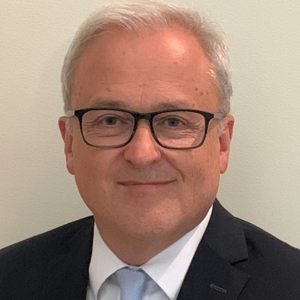

M.D.,Ph.D., VP, Daiichi Sankyo
Biography
Gerold is Medical Oncologist and Hematologist with 17 years of academic background, including 3 years as a Research Fellow at the Dana-Farber Cancer Institute, and 20 years in oncology drug development in the pharmaceutical industry. He currently serves as Head of Early-Stage Oncology Team Leads at DSI. Prior to that, he was VP, Global Team Lead, responsible for the development of trastuzumab deruxtecan (DS-8201, ENHERTU). Prior to Daiichi Sankyo, Dr. Meinhardt served in different roles at Bayer Pharmaceuticals for more than 15 years, most notably as Vice President in Clinical Development leading the development of multikinase inhibitors sorafenib and regorafenib. Dr. Meinhardt has authored more than 60 PubMed-listed publications.
Speaker Profile
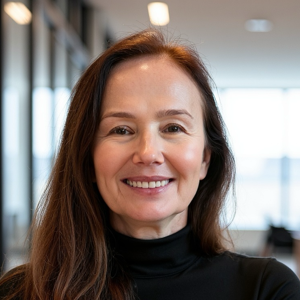

Ph.D., Sr. Director, Pfizer
Biography
Dr. Jadwiga Bienkowska is a Head of Computational Biology at Pfizer, Oncology Research and Development. Dr. Bienkowska has over 20 years of experience working in Pharma and Biotech. Over her career she has built and led teams of biologists, data scientists and engineers applying at-scale Computation, Machine Learning and AI to drug development problems. At ORD Dr. Bienkowska focuses on development of breakthrough therapies for Cancer. Dr. Bienkowska’s team works with biologists and clinicians on decoding multimodal data into interpretable models of mechanisms driving cancer progression and resistance to treatment. Insights generated by these models accelerate drug development through new target discovery, MOA studies, patient, and biomarker selection strategies. Dr. Bienkowska contributed to development of therapies for Cancer, Neurological and Immune diseases.
Speaker Profile
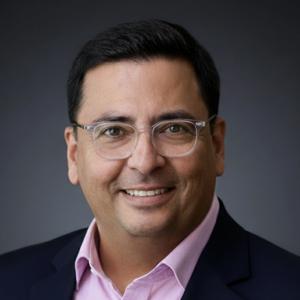

M.D., Global Head of Digital Technology & CMIO, Roche
Biography
Okan Ekinci, MD, MBA, is the Head of Digital Technology and Chief Medical Information Officer at Roche Information Solutions. He joined Roche in 2018 and served as Chief Medical Officer and Senior Vice President of Marketing & Innovation for the digital health business. Before that, Okan held various positions at Siemens Healthineers, including Chief Medical Officer and Head of Healthcare Consulting. Drawing on extensive experience across imaging, diagnostics, and pharma, he has advised healthcare institutions and governments on strategies for digital transformation, personalized healthcare, and artificial intelligence. Okan is a cardiologist by training and an adjunct professor of medicine at the University College Dublin.
Speaker Profile
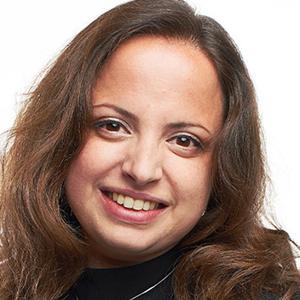
Ph.D., Interim Director at UCSF BCSHI and Professor, UCSF
Biography
Marina Sirota is a Professor and Interim Director of UCS Fs Bakar Computational Health Sciences Institute. Previously, she served as a Senior Research Scientist at Pfizer, focusing on precision medicine. She earned her PhD in Biomedical Informatics from Stanford University. With 20 years of experience and over 170 publications, Dr. Sirota develops computational integrative methods for diagnostics and therapeutics, specializing in womens health. Her laboratory is funded by the NIA, NLM, NIAMS, Pfizer, and the March of Dimes. A 2017 A MIA Young Investigator Award recipient, she leads the UCSF March of Dimes Prematurity Research Center and co-directs ENACT, a precision medicine center for endometriosis. Dr. Sirota also founded UCS Fs AI4ALL program, which introduces high school girls to the applications of AI and machine learning in biomedicine.
Speaker Profile
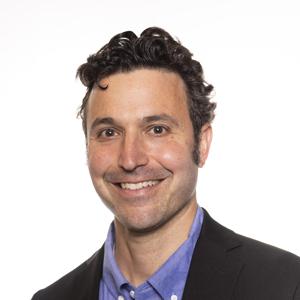

M.D., Ph.D., Chief Executive Officer, Co-founder, PathAI
Biography
Andy earned his MD from Brown Medical School and completed residency and fellowship training in Anatomic Pathology and Molecular Genetic Pathology from Stanford University. He completed a PhD in Biomedical Informatics from Stanford University, where he developed one of the first machine-learning based systems for cancer pathology. He’s been certified by the American Board of Pathology in Anatomic Pathology and Molecular Genetic Pathology. Prior to co-founding PathAI, he was on the faculty of Harvard Medical School in the Department of Pathology at Beth Israel Deaconess Medical Center. He has published over 110 papers in the fields of cancer biology, cancer pathology, and biomedical informatics.
Speaker Profile
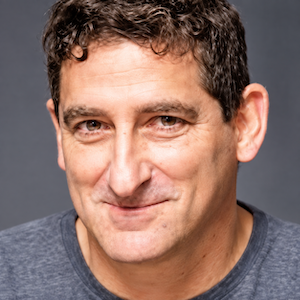

Ph.D., Founder & CEO, Ultima
Biography
At Ultima Genomics, our mission is to continuously drive the scale of genomic information to enable unprecedented advances in biology and improvements in human health. To achieve this, we built a revolutionary new sequencing architecture that scales far beyond conventional technologies, enabling scientists to overcome the tradeoffs they face between the breadth, depth and frequency of sequencing.
Speaker Profile
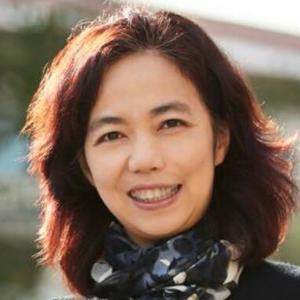

PMWC PIONEER AWARD
Created ImageNet, accelerating modern computer vision and deep learning
Ph.D., Professor, Stanford
Biography
Dr. Fei-Fei Li is the inaugural Sequoia Professor in the Computer Science Department at Stanford University, and a Founding Co-Director of Stanford’s Human-Centered AI Institute. She served as the Director of Stanford’s AI Lab from 2013 to 2018.
In industry, Dr. Li has served as a Vice President at Google and Chief Scientist of AI/ML at Google Cloud (2017-2018), board member or advisor in various public or private companies (notably Twitter). She is currently a Co-founder/CEO of World Labs, an AI company focusing on Spatial Intelligence and generative AI.
Dr. Li obtained her B.A. degree in physics from Princeton in 1999 with High Honors, and her PhD degree in electrical engineering from California Institute of Technology (Caltech) in 2005. She has been recognized as the Distinguished Alumni by both Princeton and Caltech in 2020 and 2024 respectively. Dr. Li also holds Honorary Doctorate Degrees from Yale University and Harvey Mudd College.
Dr. Li is a researcher and technologist in AI, currently focusing on deep learning, robotic learning, spatial intelligence and ambient intelligence for healthcare delivery. In the past she has also worked on cognitive and computational neuroscience. Dr. Li has published more than 400 scientific articles in top-tier journals and conferences in science, engineering and computer science, and is recognized as one of the most cited computer scientists. She is the inventor of ImageNet and the ImageNet Challenge, a critical large-scale dataset and benchmarking effort that has been widely regarded as one of the three driving forces of the birth of modern AI and deep learning revolution. Dr. Li is the author a popular science memoir called “The Worlds I See: Curiosity, Exploration and Discovery at the Dawn of AI”, published by Macmillan Publishers.
Dr. Li is widely recognized as a pioneer of modern AI. She is an elected Member of the National Academy of Engineering (NAE), the National Academy of Medicine (NAM) and American Academy of Arts and Sciences (AAAS). She is also a Fellow of ACM, a member of the Council on Foreign Relations (CFR). Among her many recognitions, Dr. Li is a laureate of the Queen Elizabeth Prize for Engineering (2025), VinFuture Prize (2024), a recipient of the Intel Lifetime Achievements Award (2023), the IEEE PAMI Thomas Huang Memorial Prize (2022), the IEEE PAMI Longuet-Higgins Prize (2019), the National Geographic Society Further Award (2019), the IAPR J.K. Aggarwal Prize (2016), the IEEE PAMI Mark Everingham Award (2016), the Alfred Sloan Faculty Award (2011), among others.
Speaker Profile
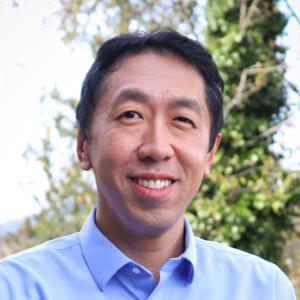

PMWC LUMINARY AWARD
Scaled modern AI from research into real-world precision medicine applications
Ph.D., Founder, DeepLearning.AI; Managing Partner, AI Aspire, Managing General Partner, AI Fund; Chairman and Co-Founder, Coursera; Adjunct Professor, Stanford University, DeepLearning.AI
Biography
Andrew Ng is one of the most influential leaders in modern artificial intelligence and AI education. He is Founder of DeepLearning.AI, Managing Partner, AI Aspire, Managing General Partner at AI Fund, Chairman and Co-Founder of Coursera, and an Adjunct Professor at Stanford University. He was the founding lead of Google Brain and previously served as VP and Chief Scientist at Baidu, helping move deep learning from research into large-scale real-world use.
Through his teaching, writing, companies, and investments, Ng has helped make AI accessible to millions of learners and practical for researchers, entrepreneurs, engineers, clinicians, and enterprises. His work has shaped how AI is taught, built, and deployed across industries, an impact especially relevant to precision medicine, where responsible AI is becoming central to interpreting complex clinical, molecular, imaging, and multi-omic data.
Talk
Fireside Chat
Agentic AI in medicine
Democratizing AI for clinicians and researchers
Speaker Profile

Ph.D., CTO & NIH Data Scholar 2022-24, UCSF
Biography
Sharat Israni previously was Executive Director, Data Science, at Stanford Medicine. A long serving Technology executive, Sharat’s teams pioneered the use of Big Data. He served as VP of Data at Yahoo! (19992008) and Intuit (201013), which pioneered Big Data Science to reinvent their products. He led Digital Media systems for broadcast interactive TV at Silicon Graphics; and Data teams at IBM and HP. Sharat has been PI for NSF, NIH and RCUK workshops on Data Science topics in Biomedicine, and is a peer reviewer of some scientific journals.
Speaker Profile
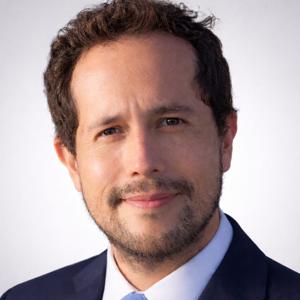

Ph.D., Assistant Professor, Emory U.
Biography
Germán Corredor, PhD, MS, is an assistant professor in the Walter H. Coulter Department of Biomedical Engineering at Georgia Tech and Emory University. Dr. Corredor is a member of the Cancer Immunology Research Program at Winship Cancer Institute of Emory University in Atlanta, Georgia.
Speaker Profile

Ph.D., Professor, Harvard
Biography
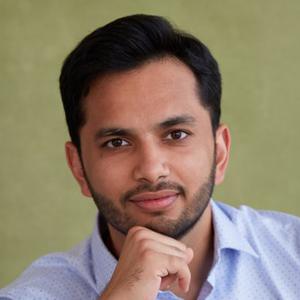
Pranav Rajpurkar is driven by a fundamental passion for building reliable artificial intelligence (AI) technologies for biomedical decision making. His lab approaches biomedical problems with a computational lens, developing AI algorithms, datasets, and interfaces that cut across computer vision, natural language processing, and structured health data. He has collaborated with clinicians across medical specialties, including radiology, cardiology, and pathology, to make some of the first demonstrations of expert-level deep learning algorithms and their effects on clinician decision making. Previously, Dr. Rajpurkar received his B.S., M.S., and Ph.D. degrees, all in Computer Science from Stanford University.
His lab’s current research directions include algorithm development for limited labeled data settings, high-quality dataset curation at scale, and the design of effective clinician-AI collaboration setups.
Speaker Profile
M.D., Professor, Emory U.
Biography
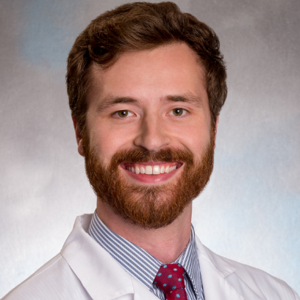
Drew Williamson, MD is an assistant professor in the Department of Pathology and Laboratory Medicine at Emory University School of Medicine. Dr. Williamson is a member of the Cell and Molecular Biology Research Program at Winship Cancer Institute of Emory University
Speaker Profile

PMWC LUMINARY AWARD
Pioneered probabilistic AI and human-AI collaboration, with major applications in healthcare
M.D., Ph.D., CSO, Microsoft
Biography
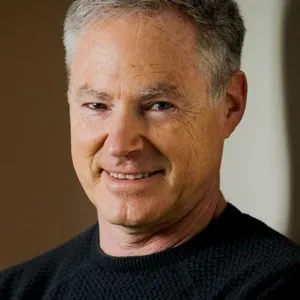
Eric Horvitz is a pioneering leader in artificial intelligence whose work has helped define how intelligent systems reason under uncertainty, make decisions, and collaborate with people. As Microsoft’s Chief Scientific Officer, he leads initiatives spanning artificial intelligence, biosciences, healthcare, and the societal effects of technology.
His research has advanced machine learning, probabilistic reasoning, human-AI complementarity, and the deployment of AI in healthcare and other complex real-world settings. He has also helped shape responsible AI by founding Microsoft’s Aether Committee, establishing Stanford’s One Hundred Year Study on AI, and co-founding the Partnership on AI.
A recipient of the Feigenbaum Prize and ACM-AAAI Allen Newell Award, Horvitz has been elected to the National Academy of Engineering, the American Academy of Arts and Sciences, and the American Philosophical Society.
Talk
Fireside Chat with Eric Horvitz and Curtis Langlotz
A Fireside Chat featuring Eric Horvitz and moderated by Curtis Langlotz.
Speaker Profile

Ph.D., CEO & Founder, Data4Cure
Biography
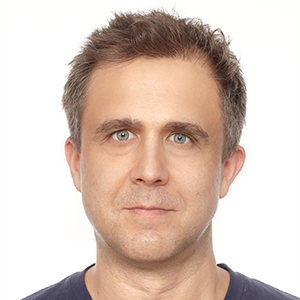
Janusz Dutkowski is Founder and CEO of Data4Cure, Inc. a company focused on combining systems biology, machine learning and AI to facilitate continuous translation of biomedical data to knowledge. His background is in mathematics and computer science and he has been working at the intersection of mathematics, computer science and biology to develop new data driven technologies to advance the discovery of new biomarkers and precision based therapies. His research contributions include the development of methods for multiscale analysis of molecular networks and integrative methods for biomarker discovery from multidimensional data. He has co authored over 20 research papers published in scientific journals including Nature Biotechnology, Science and Cell.
Speaker Profile
M.D., Global Head of Digital Technology & CMIO, Roche
Biography
Okan Ekinci, MD, MBA, is the Head of Digital Technology and Chief Medical Information Officer at Roche Information Solutions. He joined Roche in 2018 and served as Chief Medical Officer and Senior Vice President of Marketing & Innovation for the digital health business. Before that, Okan held various positions at Siemens Healthineers, including Chief Medical Officer and Head of Healthcare Consulting. Drawing on extensive experience across imaging, diagnostics, and pharma, he has advised healthcare institutions and governments on strategies for digital transformation, personalized healthcare, and artificial intelligence. Okan is a cardiologist by training and an adjunct professor of medicine at the University College Dublin.
Speaker Profile
PMWC LUMINARY AWARD
Pioneered probabilistic AI and human-AI collaboration, with major applications in healthcare
M.D.,Ph.D., CSO, Microsoft
Biography
Eric Horvitz is a pioneering leader in artificial intelligence whose work has helped define how intelligent systems reason under uncertainty, make decisions, and collaborate with people. As Microsoft’s Chief Scientific Officer, he leads initiatives spanning artificial intelligence, biosciences, healthcare, and the societal effects of technology.
His research has advanced machine learning, probabilistic reasoning, human-AI complementarity, and the deployment of AI in healthcare and other complex real-world settings. He has also helped shape responsible AI by founding Microsoft’s Aether Committee, establishing Stanford’s One Hundred Year Study on AI, and co-founding the Partnership on AI.
A recipient of the Feigenbaum Prize and ACM-AAAI Allen Newell Award, Horvitz has been elected to the National Academy of Engineering, the American Academy of Arts and Sciences, and the American Philosophical Society.
AI and Data Sciences Showcase:
AtaraxisAI
Speaker Profile
President and CEO, Personalized Medicine Coalition
Biography
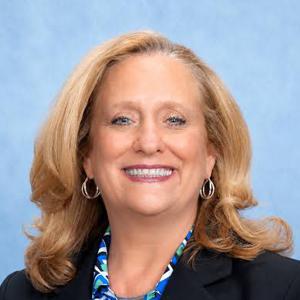
Gina Ross Murdoch is President and Chief Executive Officer of the Personalized Medicine Coalition, where she leads efforts to advance healthcare models that use molecular, clinical, and other patient-specific information to guide prevention and treatment. She brings more than 20 years of leadership experience across patient advocacy, health policy, nonprofit management, strategic partnerships, and organizational growth. Before joining the coalition, she served as President and CEO of the Multiple Sclerosis Association of America and previously held senior leadership roles at the Leukemia & Lymphoma Society, now Blood Cancer United. Her career has also included work with the American Diabetes Association, the Multiple Sclerosis Coalition, the National Multiple Sclerosis Society, and the American Cancer Society. Ms. Murdoch has focused on building partnerships among patients, clinicians, researchers, industry, and policymakers to improve access and care. At PMC, she works to address the scientific, regulatory, reimbursement, and implementation barriers that determine whether personalized medicine innovations reach patients in routine practice.
Speaker Profile

PMWC LUMINARY AWARD
Pioneered autonomous AI diagnostics, bringing the first FDA-authorized autonomous AI system into clinical care
M.D., Ph.D., Robert C. Watzke, MD Professor of Ophthalmology and Visual Sciences, U. of Iowa / Digital Diagnostics
Biography
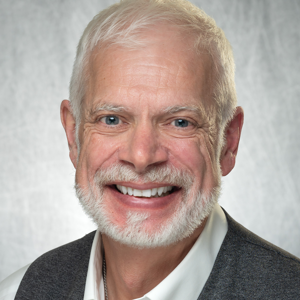
Computer engineer, fellowship-trained retina specialist, and neuroscientist. A Fellow of IEEE, and ARVO Gold Fellow, he is the Robert C. Watzke, Professor of Ophthalmology and Visual Sciences at the University of Iowa, with a joint appointment in Electrical and Computer Engineering. He's the Founder of Digital Diagnostics, the first in any field of medicine to get FDA authorization for an autonomous AI, as well as sustainable nationwide reimbursement, where AI makes a medical decision without human oversight. He's past editor of the journals IOVS and IEEE Transactions in Medical Imaging, and editor of AAO’s Basic and Clinical Science Course on AI, Nature Scientific Reports, past Program Chair for ARVO, co-founder & Treasurer of FDA’s Collaborative Community of Ophthalmic Innovation, founder of the Healthcare AI Coalition, and member of AMA’s Digital Medicine Payment Advisory Group. He developed an ethical foundation for medical AI instrumental to the design, validation, regulatory and reimbursement pathways for autonomous AI.
Talk
Speaker Profile

Ph.D., CEO, intoDNA
Biography
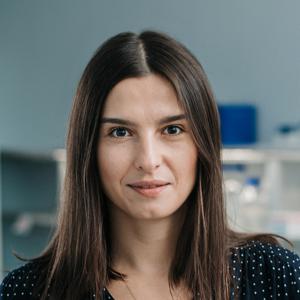
Magda founded intoDNA with a mission to make STRIDE® the new standard in DNA damage analysis and enable DNA break detection at a new precision. She has authored the publication and the patent on DNA damage analysis with STRIDE. With more than a decade of research experience in biophysics and cell biology, she leads intoDNA and the STRIDE technology into new business verticals to support consistently growing numbers of customers in diagnosing DNA damage in yet new areas. Magda earned her PhD in Cell Biophysics from Jagiellonian University and was a visiting PhD student at UC Davis, Cold Spring Harbor Laboratory and UMass Medical School.
Speaker Profile
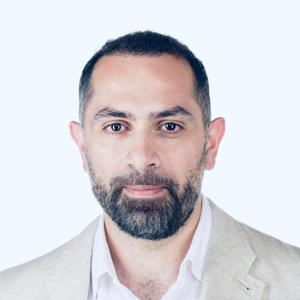

M.D., Professor, U. of Pittsburgh
Biography
Dr. Alexanderani is an Assistant Professor of Pathology at the department of pathology, University of Pittsburgh School of Medicine, specializing in Computational Pathology and Artificial Intelligence at the Computational Pathology and AI Center of Excellence. He directs a quality assurance AI program dedicated to advancing pathology through cutting-edge multimodal machine learning algorithms, focusing on "Pathomics" to uncover histopathological features in digital images and develop next-generation theragnostic tools that enhance precision medicine.
As a physician-scientist, Dr. Alexanderani has significantly contributed to the field by holding numerous patents, grants, receiving prestigious awards, and authoring book chapters and manuscripts in high-impact journals, along with platform presentations at major national and international conferences. Prior to his role at University of Pittsburgh, he was the inaugural fellow in Computational Pathology and AI at Weill Cornell, where he received the prestigious NIHT32 award on the Pathologist Scientist track and the iDEA-iTECH award in precision medicine and computational biology.
Speaker Profile
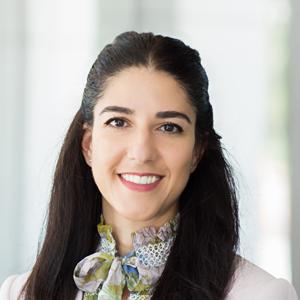
M.D., Professor, UCSF
Biography
Cathra Halabi, MD, is an Associate Professor of Clinical Neurology at UCSF and the Howard and Gretchen Leach Professor of Neurology. A vascular neurologist and clinician-researcher, she serves as Neurorecovery Program Chief in the Department of Neurology’s Neurovascular Division, founded the UCSF Neurorecovery Clinic, and co-founded the UCSF Post-Acute Traumatic Brain Injury Program. Her clinical work spans acute neurovascular emergencies and the longer-term recovery of patients after stroke, concussion, and other traumatic brain injuries. Dr. Halabi’s research focuses on identifying patient and injury features that predict neurological recovery and on developing precision care pathways using real-world clinical data. She participates in national efforts to improve brain-injury research and care, including the National Academies Action Collaborative on Traumatic Brain Injury Care and the NIH StrokeNet Recovery and Rehabilitation Working Group. She completed her medical degree, neurology residency, vascular neurology fellowship, and NIH StrokeNet research training at UCSF.
Speaker Profile
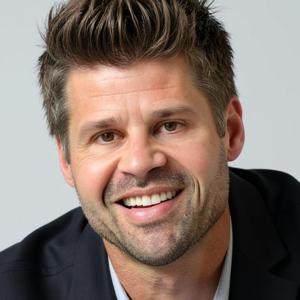

M.D., M.B.A., CMO, Tempus AI
Biography
Dr. Slavin is a physician-scientist and biotech executive who brings a deep background in clinical genetics and molecular diagnostics to the Tempus leadership team. As the Chief Medical Officer of Diagnostics, he draws on his industry experience and expertise in clinical genetics, molecular diagnostics, and pediatrics. Before joining Tempus, he held key leadership roles as the Chief Clinical Officer of Molecular Oncology at Quest Diagnostics and Chief Medical Officer at Myriad Genetics. He was an assistant professor in the department of Medical Oncology at City of Hope National Medical Center, where he continues to teach in their hereditary genomics program. A dedicated researcher, he has published over 85 journal articles and has been involved in many national cancer research grants, including those from the NIH.
Speaker Profile
Robert C. Watzke Professor of Ophthalmology & Visual Sciences, U. of Iowa / Digital Diagnostics
Biography
Computer engineer, fellowship-trained retina specialist, and neuroscientist. A Fellow of IEEE, and ARVO Gold Fellow, he is the Robert C. Watzke, Professor of Ophthalmology and Visual Sciences at the University of Iowa, with a joint appointment in Electrical and Computer Engineering. He's the Founder of Digital Diagnostics, the first in any field of medicine to get FDA authorization for an autonomous AI, as well as sustainable nationwide reimbursement, where AI makes a medical decision without human oversight. He's past editor of the journals IOVS and IEEE Transactions in Medical Imaging, and editor of AAO’s Basic and Clinical Science Course on AI, Nature Scientific Reports, past Program Chair for ARVO, co-founder & Treasurer of FDA’s Collaborative Community of Ophthalmic Innovation, founder of the Healthcare AI Coalition, and member of AMA’s Digital Medicine Payment Advisory Group. He developed an ethical foundation for medical AI instrumental to the design, validation, regulatory and reimbursement pathways for autonomous AI.
Speaker Profile
Ph.D., Founder, DeepLearning.AI; Managing Partner, AI Aspire, Managing General Partner, AI Fund; Chairman and Co-Founder, Coursera; Adjunct Professor, Stanford University, DeepLearning.AI
Biography
Andrew Ng is one of the most influential leaders in modern artificial intelligence and AI education. He is Founder of DeepLearning.AI, Managing Partner, AI Aspire, Managing General Partner at AI Fund, Chairman and Co-Founder of Coursera, and an Adjunct Professor at Stanford University. He was the founding lead of Google Brain and previously served as VP and Chief Scientist at Baidu, helping move deep learning from research into large-scale real-world use.
Through his teaching, writing, companies, and investments, Ng has helped make AI accessible to millions of learners and practical for researchers, entrepreneurs, engineers, clinicians, and enterprises. His work has shaped how AI is taught, built, and deployed across industries, an impact especially relevant to precision medicine, where responsible AI is becoming central to interpreting complex clinical, molecular, imaging, and multi-omic data.
Speaker Profile
M.D., Global Head of Digital Technology & CMIO, Roche
Biography
Okan Ekinci, MD, MBA, is the Head of Digital Technology and Chief Medical Information Officer at Roche Information Solutions. He joined Roche in 2018 and served as Chief Medical Officer and Senior Vice President of Marketing & Innovation for the digital health business. Before that, Okan held various positions at Siemens Healthineers, including Chief Medical Officer and Head of Healthcare Consulting. Drawing on extensive experience across imaging, diagnostics, and pharma, he has advised healthcare institutions and governments on strategies for digital transformation, personalized healthcare, and artificial intelligence. Okan is a cardiologist by training and an adjunct professor of medicine at the University College Dublin.
Speaker Profile
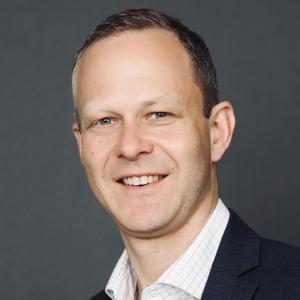

Ph.D., CEO, Genialis Inc
Biography
Rafael Rosengarten is CEO and co-founder of Genialis, the therapeutic intelligence company transforming the way we diagnose and treat cancer. He envisions a world in which healthcare delivers the best possible outcomes for patients, their families and communities. Before leading Genialis’ effort to realize the promise of precision medicine, he spent nearly 20 years in biomedical research at Baylor College of Medicine, Lawrence Berkeley Labs, and Yale University. Dr. Rosengarten was also a cofounder and board director of the Alliance for AI in Healthcare (AAIH), a non-profit global advocacy organization. In his free time, Rafael enjoys cooking, gardening, climbing mountains, and exploring the world with his wife and two precocious children.