






Chat with us, powered by LiveChat
The Largest & Original (Est. 2009) Forum for Precision Medicine
A FULL TRACK DEDICATED TO THE FIGHT AGAINST COVID-19
The Largest & Original (Est. 2009) Forum for Precision Medicine
Facilitating Collaboration in the Field of Personalized Patient Care
The Largest & Original (Est. 2009) Forum for Precision Medicine
A FULL TRACK DEDICATED TO THE FIGHT AGAINST COVID-19
Facilitating Collaboration in the Field of Personalized Patient Care
See the 7-Track, 3-Day, 400-Speaker Precision Medicine Agenda
CO-HOSTS

Book by & Save $626! >

12-Track, 3-Day, Leading Precision Medicine Agenda
Largest & Original Forum for Precision Medicine
12-Track, 3-Day, Leading Precision Medicine Agenda
Facilitating Collaboration in the Field of Personalized Patient Care
The Largest & Original (Est. 2009) Forum for Precision Medicine
Facilitating Collaboration in the Field of Personalized Patient Care
The Largest & Original (Est. 2009) Forum for Precision Medicine
12-Track, 3-Day, Leading Precision Medicine Agenda
Facilitating Collaboration in the Field of Personalized Patient Care
12-Track, 3-Day, Leading Precision Medicine Agenda
The Largest & Original (Est. 2009) Forum for Precision Medicine
Facilitating Collaboration in the Field of Personalized Patient Care
The Largest & Original (Est. 2009) Forum for Precision Medicine
12-Track, 3-Day, Leading Precision Medicine Agenda
The Largest & Original (Est. 2009) Forum for Precision Medicine
12-Track, 3-Day, Leading Precision Medicine Agenda
Facilitating Collaboration in the Field of Personalized Patient Care
12-Track, 3-Day, 400-Speaker Precision Medicine Agenda

SPEAKERS / HONOREES

 -Select:

PMWC 2027 PIONEER HONOREE
BRCA1 Discovery Pioneer

PMWC 2027 LUMINARY HONOREE

2024 Nobel Laureate

PMWC 2027 J. CRAIG VENTER VISIONARY HONOREE

Nobel Laureate (CRISPR)

PMWC 2027 PIONEER HONOREE
2025 Breakthrough Prize (GLP-1)

PMWC 2027 PIONEER HONOREE

Nobel Laureate

PMWC 2027 PIONEER HONOREE

Godmother of AI

 

PMWC 2027 PIONEER HONOREE

Nobel Laureate

PMWC 2027 LUMINARY HONOREE

Google Brain Founder

15-MINUTE PRESENTATIONS

AUDIENCE: UP TO 200 INVESTORS, POTENTIAL CLIENTS AND PARTNERS

Apply by !

The Foremost Precision Medicine Conference

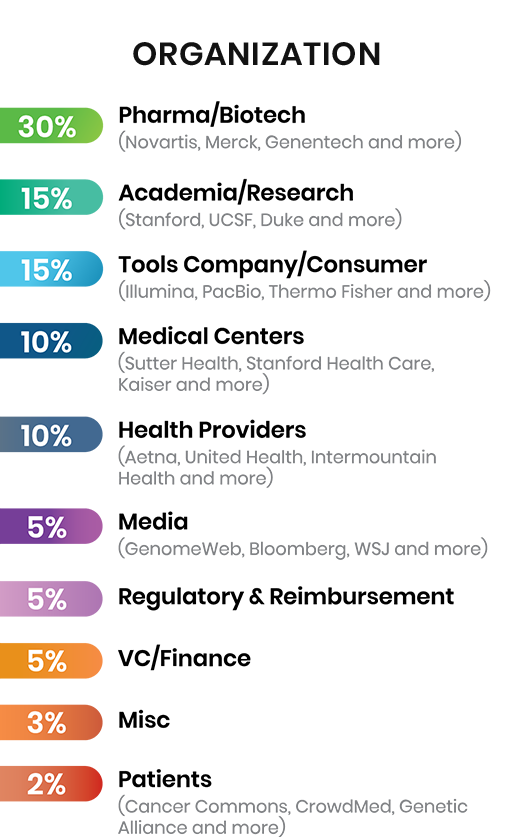
• Gathering recognized leaders, top global researchers and medical professionals, plus innovators across healthcare and biotechnology sectors

• Showcasing latest practical content that helps close the knowledge gap among different sectors

• Promoting cross-functional fertilization & collaboration to accelerate Precision Medicine

• Main Tracks and Showcases (6 Total) that provide a mix of established and upcoming perspectives

• Luminary and Pioneer Award Ceremony honoring those who transform healthcare by advancing precision medicine in the clinic

PMWC provides a valuable insight for physicians and others who may be wondering how close we are getting to realizing the arrival of personalized medicine. The conferences are helpful in understanding where and how the envelope is being pushed.


Peter Paul Yu, MD, FACP, FASCO, Immediate Past President, ASCO

See Testimonials video >

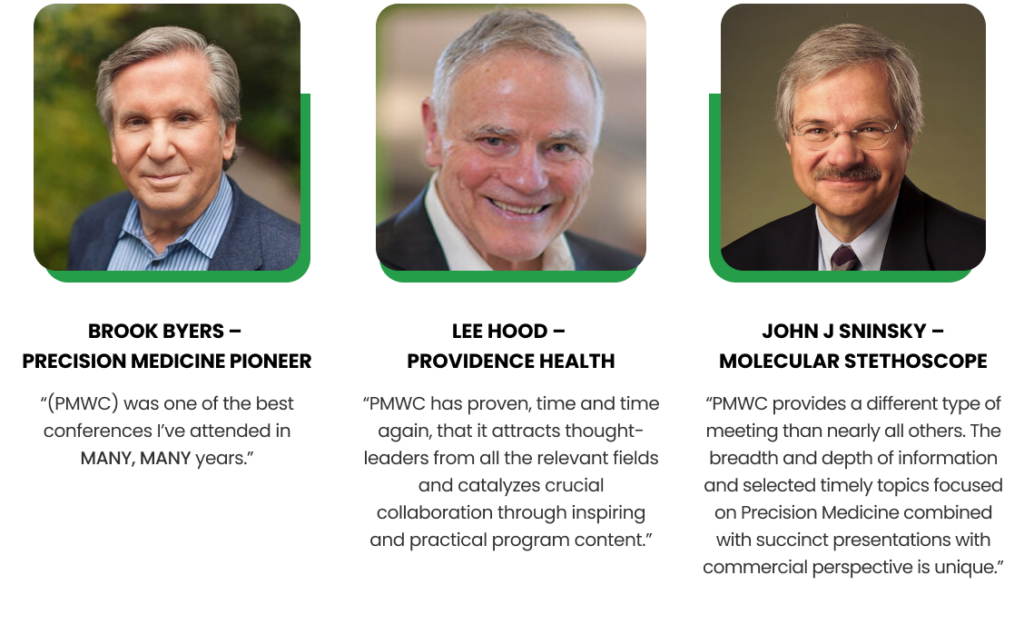
PMWC has proven, time and time again, that it attracts thought-leaders from all the relevant fields and catalyzes crucial collaboration through inspiring and practical program content. This is the Conference for entrepreneurs to meet payors, and for researchers to connect with service providers and for clinicians to hear from leading providers.


Lee Hood, PhD, MD, President, Institute for Systems Biology
See Testimonials video >

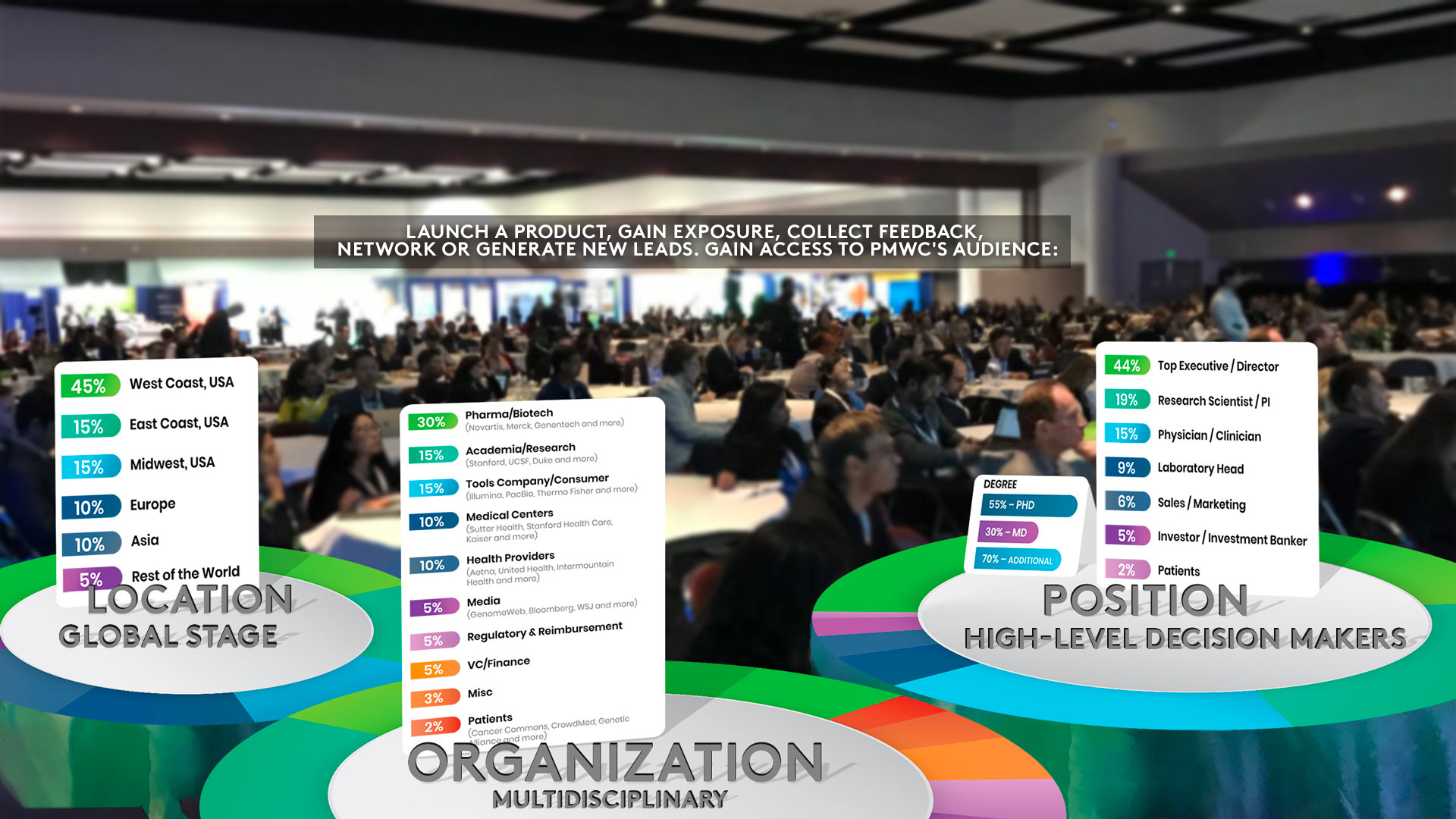
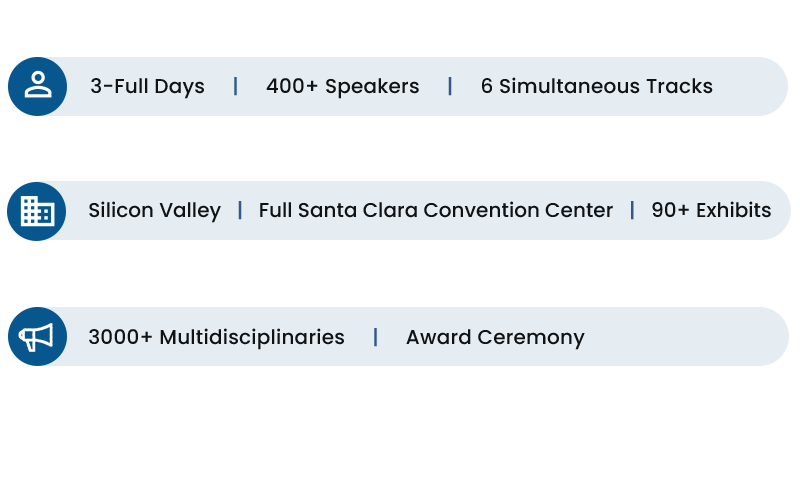
Bringing Together

DAYS

ATTENDEES (35 COUNTRIES)

EXHIBITORS

PARALLEL TRACKS
REGISTRATION

Tickets to PMWC - Est. 2009

Loading

Sale ends
Loading
Loading Waiver
$0.00
Loading Waiver
Addon Price:
$0.00
+1 Extra Ticket:
$0.00
$0.00

Ticket Rate $0.00 $0.00 $0.00 $0.00

Credit card entry
visa
Place Order & Next Step
This is an error.

Receive the latest news about the field of precision medicine and the conference from Tal Behar, PMWC’s President:

Interview with Nickolas Papadopoulos, Ph.D., Johns Hopkins University

Nickolas Papadopoulos, Ph.D., Professor of Oncology and Pathology, Johns Hopkins Sidney Kimmel Comprehensive Cancer Center

Director of Translational Genetics, Ludwig Center at Johns Hopkins University

Interview Early Cancer Detection Multi-Cancer Screening

1

From Early Detection to Cancer Interception: Finding the lesions that will become dangerous

Detecting cancer earlier is only part of the challenge. The next frontier is identifying which precancerous lesions are biologically destined to progress. Papadopoulos points to combinations of DNA, RNA, proteins and other biomarkers, as well as sampling bodily fluids closer to the lesion, as promising ways to find these elusive signals.

Q1 Your newest work points to a harder problem than detecting cancer early: distinguishing a precancerous lesion that will become dangerous from one that may never progress. Which biological signals look most promising, and what is your team pursuing next to make cancer interception possible?
A: Precancerous lesions still have genetic and epigenetic changes much like cancers. So, similar signals look promising. The issue with developing liquid-biopsy-based tests to detect precancerous lesions is the scarcity of the cancer signal, i.e. biomarkers, in blood, which affects the sensitivity of an assay.

One approach is to identify some combination of biomarkers that could increase the sensitivity. There is work being done on this and, in addition to DNA, other biomarkers are being studied, like proteins and RNA.

Another approach is to use a different medium than blood, like bodily fluids that are closer to the source of the lesions desired to be detected. For example, the use of urine for detecting bladder lesions.

2

What NHS-Galleri Really Tells Us: Stage shift alone is not enough

The first randomized MCED trial to report results raised a more fundamental question about how these tests should be judged. Papadopoulos argues that simply counting Stage III and IV cancers misses important differences among tumor types. Future trials will need to show whether screening finds cancers when cure is realistically possible, while also measuring survival, benefits and harms.

Q2 The NHS-Galleri trial, the first randomized MCED trial to report results, found 14% fewer Stage IV diagnoses after three annual screenings, but missed its primary endpoint of reducing combined Stage III–IV cancers. What do you believe the trial actually proved, and what must the next generation of MCED tests and trials do differently?
A: Although the primary endpoint had to do with reduction of Stage III–IV cancers, an in-depth analysis of the data is needed. Some of these data were presented at ASCO 2026.

What is important is to look at the type of tumors identified and at what stage. For some tumor types Stage III is manageable, while for other tumor types even Stage I is not.

Future randomized controlled prospective interventional studies should focus not only on the reduction of stage. For example, the endpoints should include a more detailed view that includes the cancer types detected, the stages identified, in how many cases there is an opportunity to treat people with intent to cure, and cancer-specific survival, to mention a few.

We need to know the benefits as well as the harms of MCED tests before widespread adoption.

3

The Bar for Routine Screening: High specificity, meaningful cancers and an opportunity to cure

For population screening, false positives can quickly overwhelm the benefits of a test because cancer remains uncommon among asymptomatic people. Papadopoulos says the strongest case for MCED will come from finding cancers that currently lack standard screening tests, before symptoms appear and while treatment still has curative potential.

Q3 What evidence would convince you that multi-cancer blood testing is ready for routine screening, and what finding would make you pull back?
A: I will start with what would make me pull back. That would be low specificity. This test is meant to be used as a screening test. Cancer in asymptomatic individuals is rare, approximately 1% depending on the age of the population. So, the test needs to be specific, avoiding a large number of false-positive results which could lead to unnecessary procedures.

What will keep me going is detection of cancers for which we do not have standard-of-care tests, detected before symptoms at stages where there is an opportunity to manage these individuals with intent to cure.

I see early detection of cancer as being proactive, instead of reactive, about detecting the disease to address underdiagnosis. Earlier detection of cancer will result in the reduction of sickness and death from cancer. It provides an opportunity to deliver management, including surgeries and therapies, with intent to cure and not just to prolong life. Drugs that are now used to treat metastatic stages of cancer should have better results in individuals whose cancer was detected earlier.

I do not mean to minimize other aspects associated with the successful clinical implementation of a test, like cost, accessibility, etc. I have focused my answer on why it is worth trying to deliver such a test.
Interview with Professor Sarah-Jane Dawson, University of Melbourne

Interview with Professor Sarah-Jane Dawson, University of Melbourne

Professor Sarah-Jane Dawson, Peter MacCallum Cancer Centre / University of Melbourne

PMWC 2027 Track 3, Day 2 Luminary Honoree

Talk: Liquid Biopsy for Precision Medicine: Going Beyond the Cancer Genome

Interview Liquid Biopsy Therapy Guidance & Monitoring

1

Beyond Tumor Burden: A richer molecular snapshot from blood

ctDNA is becoming far more than a measure of how much cancer is present. Professor Dawson describes how genomic, fragmentomic, and epigenomic features can provide a more sophisticated real-time view of the disease and help guide therapy.

Q1 What finding from your own research most surprised you about what can be learned from ctDNA beyond tumor burden, and how could it change a patient’s treatment?
A: I am constantly surprised by the wealth of molecular information that can be learned from ctDNA beyond tumor burden. When I started working in this field over 15 years ago, our priority was understanding genomic changes from ctDNA and how these changed over time. Now we can utilise a comprehensive suite of ctDNA features encompassing genomics, fragmentomics and epigenomic changes, allowing a more sophisticated molecular snapshot of the cancer to help guide cancer therapy. This has far exceeded my expectations regarding what can be achieved from a simple blood draw.

2

No One-Size-Fits-All Test: The technology must match the clinical question

The ctDNA field is not one assay serving every purpose. Different applications require different technologies, and progress will also depend on a deeper understanding of how cell-free DNA is released into circulation.

Q2 What is the most damaging misconception about ctDNA today, and what does the field risk getting wrong because of it?
A: It is important to recognise that the field of cell free DNA research is large, encompassing many different technologies and clinical applications. It is a misconception to think that ctDNA testing represents a “one size fits all approach” and different technological approaches are required depending on the specific clinical application where ctDNA is being utilised. In addition, we still have much to learn about the biology of cell free DNA release and this knowledge will be essential to continue to push the boundaries of ctDNA analyses.

3

Ten Years From Now: ctDNA integrated into breast cancer care

The future is not simply more testing. It is routine clinical use of ctDNA to stratify risk, tailor treatment intensity, complement tissue analysis, and help determine when and how therapeutic intervention should change.

Q3 Imagine breast cancer follow-up ten years from now if ctDNA fulfills its promise. What will patients experience differently, and what evidence is still missing to get there?
A: In ten years time I imagine that ctDNA testing will be routinely incorporated into the clinical management of patients with breast cancer. With expanding clinical trial evidence, this is likely to include the use of ctDNA testing to facilitate risk stratification and guide tailored treatment escalation or de-escalation in the management of early breast cancer. In the setting of disease relapse, ctDNA testing will complement tumour tissue testing to monitor the molecular characteristics of the disease and help guide the timing and choice of specific therapeutic interventions.
Interview with Professor Rebecca Fitzgerald, University of Cambridge

Interview with Professor Rebecca Fitzgerald, University of Cambridge

Professor Rebecca Fitzgerald, University of Cambridge

PMWC 2027 Track 3, Day 1 Luminary Honoree

Topic: Early cancer detection, Capsule Sponge implementation, and moving from screening to interception

Interview Early Cancer Detection Screening to Interception

1

From Evidence to Implementation: Crossing the clinical chasm

Capsule Sponge has moved further than most early detection technologies, but strong evidence alone does not change practice. Professor Fitzgerald explains why large trials, community delivery, and clinician adoption have proved harder than invention itself.

Q1 Capsule Sponge (Cytosponge) has become a rare example of an early detection tool moving beyond discovery toward real-world clinical implementation. What was the hardest part of that translational journey?
A: There have been a number of challenges, and perseverance has been key. A couple of things that stand out are:

To generate compelling evidence for an early detection tool, you need large-scale studies. These trials are expensive, challenging to coordinate, and take time to report the results. We have completed three large trials to date, and the last one involved randomising 13,000 patients and interacting with lots of primary care practitioners to deliver the test conveniently in the community. Even though the evidence is sufficient for case-finding, we are now doing a 150,000-patient morbidity and mortality endpoint trial in mobile units to inform the UK National Screening Committee whether systematic, centralised screening could be warranted.

The test is now in clinical guidelines, but even though patients and the public are very keen on an easier, accessible tool, clinicians tend to be very cautious and need a lot of persuasion to move away from endoscopy as the first-line test. This is the case even when the data is compelling and even when this means that lots of individuals at risk for esophageal cancer are never tested for Barrett's esophagus. The implementation gap is well known, but I would call it a chasm rather than a gap.

2

Detection Is Not Enough: Screening must lead to action

Finding more abnormalities is not the same as saving lives. The real test of screening is whether it reaches the right population and connects patients to an intervention that changes outcomes.

Q2 Early detection is full of promise, but also risk: false positives, overdiagnosis, workflow burden, and uncertain outcomes. What separates a useful screening tool from one that simply finds more abnormalities?
A: Screening and earlier detection tools only save lives if they are linked to an intervention. During my career, we moved from the only treatment option being very major surgery, oesophagectomy, to outpatient-based endoscopic therapy for dysplasia and early-stage cancer. This major treatment and cancer prevention breakthrough meant that it was now timely to develop early detection tools.

In addition, we are not advocating testing everyone. We and others did a lot of work to understand who is at risk. For a cancer like esophageal cancer that is not common, it is vital to enrich the population for those at risk. This approach maximises the benefits and minimises the risks.

3

From Screening to Interception: The three links that must connect

Precision diagnostics will matter only when risk selection, test design, and treatment pathways work as one system. Otherwise, the field risks building expensive tests for people least likely to benefit.

Q3 PMWC 2027 Day 1 is focused on moving from screening to interception. What will it take for precision diagnostics to help clinicians act earlier, not just detect earlier?
A: This is key, and I am so pleased that PMWC 2027 is focusing on this. Precision diagnostics will only have an impact on population health if we make the critical link between: a) who is at risk for a given disease or diseases; b) the optimal test, including accessibility, equity, affordability, and required performance characteristics; and c) a clear route to prevention or treatment.

Making expensive tests for the worried well with a low pre-test probability and uncertain treatment pathways will kill this important field.

#PMWC24

Follow PMWC on these social networks

#PMWC24 Follow PMWC on these social networks

PMWC Overview

Overview

PMWC, the “Precision Medicine World Conference” is the largest & original annual conference dedicated to precision medicine. PMWC’s mission is to bring together recognized leaders, top global researchers and medical professionals, and innovators across healthcare and biotechnology sectors to showcase practical content that helps close the knowledge gap between different sectors, thereby catalyzing cross-functional fertilization & collaboration in an effort to accelerate the development and spread of precision medicine.


Since 2009, recognized as a vital cornerstone for all constituents of the health care and biotechnology community, PMWC provides an exceptional forum for the exchange of information about the latest advances in technology (e.g. DNA sequencing technology), in clinical implementation (e.g. cancer and beyond), research, and in all aspects related to the regulatory and reimbursement sectors.

Testimonials
Format

The conference format consists of five parallel talks spanning 3 full days. Main Tracks 1-4 include sessions by leaders in the commercial, pharmaceutical, academic, government, regulatory, venture capital, and non-profit arenas that deliver a broad and up-to-date array of content across the various facets of precision medicine. Session discussions focus on time-relevant aspects with a selected set of key stakeholders, while commercial sessions cover the latest developments in technologies that are instrumental for the success of further adoption of precision medicine.

Additional 2 Tracks, feature Showcases: companies and research institutions can promote their platforms, launch products, and share research developments to a targeted audience(Apply) & the Most Promising Company Competition: identifies “rising stars” startup companies in the area of diagnostics, therapeutics, and health tech via a platform that includes leading investors.

For over a decade, PMWC has recognized individuals who have played a significant role in transforming health care by advancing precision medicine in the clinic with the Luminary and Pioneer Awards. The honorees’ numerous technological and scientific contributions have expedited this transformation as demonstrated by the clinical adoption of precision medicine, and the ongoing introductions of novel clinical applications. For a deeper look into the fascinating achievements of our past awardees see the awards page.

×

Add Names/PO on Receipt

Request Atul Butte Company Competition Submission Form

Fields marked with an * are required

Contact Us:

Fields marked with an * are required 

Trouble Registering

Fields marked with an * are required

Stay Tuned For More Information.

Discover What's Next in Precision Medicine!

Join our community today for the latest news, exclusive interviews, and unique insights from world-renowned speakers and experts


Contact Us:

Fields marked with an * are required 

Sign up for occasional updates on upcoming conferences, news, and other information. 

Get Updates:

Submit to Speak in the PMWC Showcase

Fields marked with an * are required

Apply to Speak at PMWC Silicon Valley by AUG. 27TH

The PMWC team will reply back to a suitable company/topic with an official request for talk/speaker details.