
Session Abstract – PMWC 2027 Silicon Valley

Speaker Profile
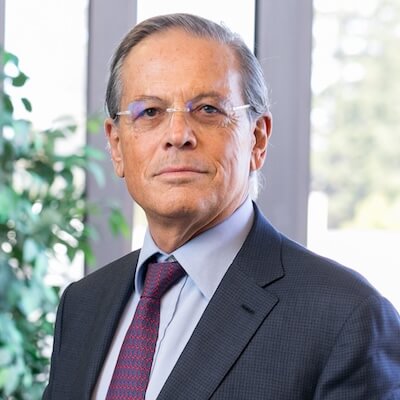

M.D., Executive Chairman & Co-Founder, Allogene Tx
Biography
Arie S. Belldegrun is a trail‑blazing urologic‑oncologist‑turned‑biotech entrepreneur whose company‑building spree—from Agensys and Cougar to Kite Pharma—helped usher in the first FDA‑approved CAR‑T therapy and led to Kite’s $11.9 billion sale to Gilead Sciences. After that landmark exit, he co‑founded Allogene Therapeutics and still serves as its Executive Chairman, steering the next wave of off‑the‑shelf (allogeneic) CAR‑T cell products toward the clinic. Beyond Allogene, Belldegrun deploys capital through Bellco Capital, Two River, Symbiotic Capital, Vida Ventures, and the real‑estate venture Breakthrough Properties, nurturing a constellation of startups that translate science into patient impact. Over three decades on UCLA’s faculty, he has authored 500‑plus scientific papers, mentored a generation of physician‑scientists, and kept patient benefit at the center of every deal—cementing his reputation as one of precision medicine’s most influential builders.
Speaker Profile
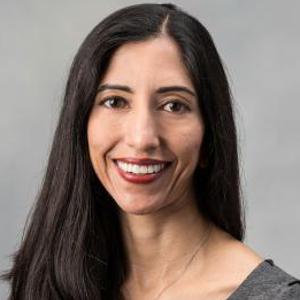

M.D., Professor, Stanford
Biography
Dr. Kiran Kaur Khush is a board-certified, fellowship-trained heart failure cardiologist at Stanford Health Care. Dr. Khush is also a professor in the Department of Medicine, Division of Cardiovascular Medicine at Stanford University School of Medicine.
Dr. Khush specializes in caring for patients with advanced heart failure and those needing a heart transplant or mechanical circulatory support. She is dedicated to delivering patient-centered, compassionate care and improving quality of life for people with heart failure.
Dr. Khush’s research interests include developing evidence-based guidelines for evaluating and accepting donor hearts for transplantation. She also studies novel ways to monitor for and prevent early and long-term complications after heart transplantation.
Dr. Khush has coauthored more than 200 articles in peer-reviewed journals, including Circulation, Journal of the American College of Cardiology, Science Translational Medicine, and The Lancet. She has also presented to her peers at international and national meetings, including annual sessions of the International Society for Heart and Lung Transplantation (ISHLT) and the American Society of Transplantation.
Throughout her career, Dr. Khush has been an active member of the ISHLT and has served on many of the organization’s committees.
Speaker Profile


MD, Executive Director, Magee Women's Research Inst.
Biography
Dr. Sadovsky is the Executive Director of Magee Women's Research Institute, the Elsie Hilliard Hillman Chair of Women's Health Research, Distinguished Professor of OBGYN, Microbiology and Molecular Genetics, and Associate Dean, Women's Health Research and Reproductive Sciences, University of Pittsburgh. He is board certified in obstetrics and gynecology (Washington University), and maternal-fetal medicine (UCSF). His NIH-funded research focuses on feto-placental development and molecular mechanisms underlying placental function, aiming to better understand early human development and pregnancy health. He is a member of the National Academy of Medicine and the Association of American Physicians. He has served as president of the Society for Reproductive Investigation, on the Councils for NIHNICHD and the March of Dimes, and currently serves on the NIH Advisory Committee on Research in Womens Health. In 2013, he was awarded the Cozzarelli Prize in Biomedical Science from the National Academy of Sciences.
Speaker Profile
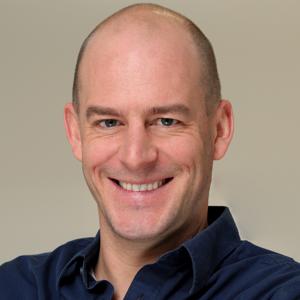

Ph.D., Professor, Cornell U.
Biography
Iwijn De Vlaminck trained in applied physics (Ph.D., KULeuven), single molecule biophysics (postdoc, TUDelft) and precision medicine (HHMI research associate, Stanford University). His most recent research has led to the development of sensitive blood tests to diagnose organ transplant rejection, already widely used, the Karius blood test to screen for infection from blood, used in more than 400 US hospitals, RNA liquid biopsy technologies to monitor inflammatory disease, technologies to spatially map RNA in tissues, and highly multiplexed imaging methods to map the biogeography of the human microbiome. He is an elected fellow of the American Institute of Medical and Biological Engineering and a recipient of the NIH New Innovator and NIH MERIT awards. He is a co-founder of Kanvas Biosciences and Romix Biosciences.
Speaker Profile
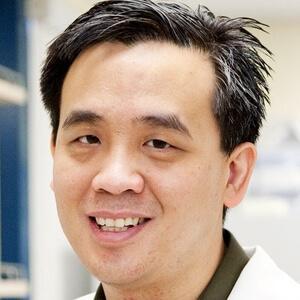

M.D.,Ph.D., Professor, Laboratory Medicine and Infectious Diseases, UCSF
Biography
Charles Chiu, M.D. Ph.D. is a Professor at UCSF, Director of the UCS-FAbbott Viral Diagnostics and Discovery Center (VDDC), and Associate Director of the UCSF Clinical Microbiology Laboratory. Chiu currently leads a translational research laboratory focused on clinical metagenomic sequencing assay development for infectious diseases and genomic investigation and surveillance of emerging pathogens, including the SARSCoV2 coronavirus. He also uses RNASeq transcriptome profiling to develop predictive models using machine learning for host response based diagnosis of COVID19 and other infections. Chius work is supported by funding from the National Institutes of Health (NIH), Department of Defense, US Centers for Disease Control and Prevention (CDC), philanthropy, and the California Initiative to Advance Precision Medicine. He has authored more than 100 peer reviewed publications (20 on COVID19), holds over 15 patents and patent applications, and serves on the scientific advisory board for Mammoth Biosciences, Danaher Dx, Biomesense, and Flightpath.
Speaker Profile
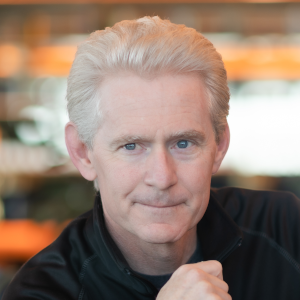
PMWC LUMINARY AWARD
Pioneered genomic pathogen discovery and metagenomic diagnosis for unexplained infections
Ph.D., Professor, UCSF
Biography
Dr. Joe DeRisi is a professor of biochemistry and biophysics at UCSF and President at the Chan Zuckerberg Biohub SF, a nonprofit research institute affiliated with UCSF, UCB, and Stanford. Dr. DeRisi specializes in infectious diseases, including viral, fungal, and parasitic microbes, in addition to autoimmune syndromes in humans. He is a member of the NAS, the NAM, and the American Academy of Arts and Sciences.
Speaker Profile

M.D., Ph.D., MRCP, Professor, UCSF
Biography
Dr. Minnie M. Sarwal is an adult and pediatric trained transplant nephrologist who heads the kidney pancreas transplant program at UCSF for transplantation of patients with Type 1 Diabetes and renal failure. She has spearheaded new diagnostics for precision medicine to personalize diagnosis of transplant rejection. Her lab has been consecutively funded by the NIH for 30 yrs and leads in computational drug repuprosing and population scale EHR analysis to improve outcomes for chronic disease.
Sarwal is trained in India and the UK, competing her MD in India and advanced cliical training at Guys Hospital, London and Addenbrooke's Hospital in Cambridge. She earned her doctorate in molecular genetics at the University of Cambridge under her mentor Nobel Laureate Sydney Brenner.
Sarwal is an exited enterpreneur from Stanford and continues to do pivotal work to produce commercially available tests and new compunds for organ transplant rejection and chronic mutli-organ disease
Speaker Profile
PMWC LUMINARY AWARD
Pioneered genomic pathogen discovery and metagenomic diagnosis for unexplained infections
Ph.D., Professor, UCSF
Biography
Dr. Joe DeRisi is a professor of biochemistry and biophysics at UCSF and President at the Chan Zuckerberg Biohub SF, a nonprofit research institute affiliated with UCSF, UCB, and Stanford. Dr. DeRisi specializes in infectious diseases, including viral, fungal, and parasitic microbes, in addition to autoimmune syndromes in humans. He is a member of the NAS, the NAM, and the American Academy of Arts and Sciences.
Speaker Profile
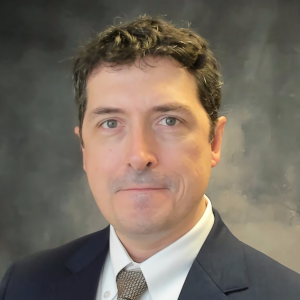

Ph.D., Director of the Office of Advanced Molecular Detection (OAMD), CDC
Biography
Duncan MacCannell is the Director of the Office of Advanced Molecular
Detection (OAMD) at the National Center for Emerging and Zoonotic
Infectious Diseases (NCEZID) at the CDC. He has been instrumental in using
emerging next generation sequencing technologies to transform infectious
disease public health, leading to the establishment of the Advanced
Molecular Detection (AMD) Program in 2014. He has guided the program's
development and application of sequencing and high performance computing to
public health priorities such as detecting and responding to outbreaks and
identifying emerging infectious threats. During the pandemic response, Dr.
MacCannell established the CDC SPHERES Consortium, which tracks the spread
and evolution of SARSCoV2, the virus that causes COVID19. He leads the
consortium's efforts to monitor the emergence and spread of new SARSCoV2
variants, which is critical for informing public health decision making,
tracking the evolution of infectious diseases and to inform public health
policy
Speaker Profile
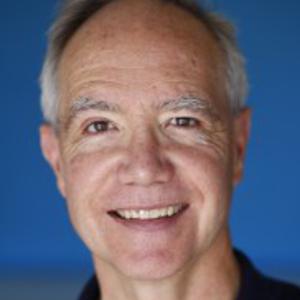

M.D., Ph.D., Principal, Bruce Quinn Assoc.s
Biography
Bruce Quinn MD PhD is an expert on health reform, innovation, and Medicare policy. A pathologist by training, he has worked on a wide range of federal health policy issues ranging from biopharma to genomics. After a career in academic medicine, he became a successful physician executive at Accenture, serving clients in both the biopharma and payer industries. For five years, he was the regional Medicare medical director for California, making decisions on a wide range of emerging technologies. Since 2008, he has been a full time life sciences strategy consultant at several major Washington-based policy firms. Since 2017, Dr. Quinn manages his own medtech and biopharma consulting practice based in Los Angeles and San Francisco, Bruce Quinn Associates LLC.
Speaker Profile
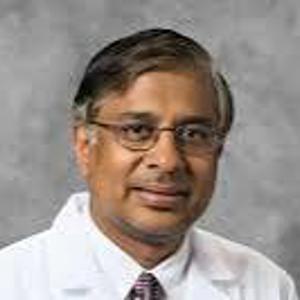

Professor, Cedars-Sinai
Biography
Independent investigator with an active research laboratory for >25 years, focusing on discovering pathogenic pathways and bringing therapies to patients in the areas of hypertensive disorders of pregnancy and kidney diseases
Research activities are vertically integrated, ranging from molecular and cell biological studies to animal models, epidemiological studies and frist-in-class human clinical trials
>350 publications (H index =133) & research supported by HHMI, NIH, AHA, Gates foundation and industry; 15 issued patents in biomedicine
Co-director of NIH training grant for Kidney, Urology and Hematology at UCLA/Cedars-Sinai
Received multiple scientific recognition awards (Established Investigator Award - AHA, Chesley Award - International Society for the Study of Hypertension in Pregnancy, Outstanding Investigator Award - American Federation of Medical Research, Jean Hamburger Prize- ISN)
Inducted to American Society for Clinical Investigation (ASCI) and Association of American Physicians (AAP)
Trained >50 graduate and post-doctoral fellows in basic and translational research.
Associate Editor-Hypertension and Editorial board of numerous medical Journals (JCI, JASN, Hypertension in Pregnancy)
12 endowed lectureships and > 200 invited lectures throughout the world
Speaker Profile
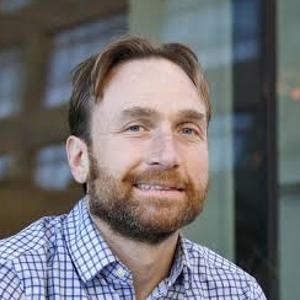
M.D., Ph.D., Profesor, UCSF
Biography
Chaz Langelier, M.D., Ph.D., is a Professor of Medicine at the University of California, San Francisco and an infectious disease physician-scientist whose work applies genomics and multi-omics to difficult diagnostic problems. His laboratory develops approaches that measure pathogens, host immune responses, and the microbiome directly from clinical samples, with the goal of improving diagnosis and treatment of pneumonia, sepsis, and other infectious or inflammatory syndromes. Dr. Langelier combines metagenomic sequencing, transcriptomics, machine learning, and clinical investigation to distinguish infection from noninfectious disease and to identify biological signals associated with severity and outcomes. He joined the UCSF faculty in 2017 and has also served as a Chan Zuckerberg Biohub Investigator. His work is particularly relevant when conventional microbiology is slow or inconclusive, or when immunocompromised patients have complex presentations. By integrating microbial and host data, Dr. Langelier aims to create more informative diagnostics and a more precise basis for antimicrobial and immunomodulatory treatment decisions.
Speaker Profile


Chief Medical Director, Formelly Palmetto GBA / MolDX
Biography
Dr. Bien-Willner is the Medical Director of the MolDX program at Palmetto GBA, a Medicare Administrative Contractor (MAC). He is a leader in the Precision Medicine space and practices as a Board-certified Anatomic Pathologist and Molecular Genetic Pathologist. Throughout his career, he has been active in research, development, and advancement of molecular diagnostic services, specifically next generation sequencing. He has worked closely with clinicians to develop clear clinical diagnostic and treatment pathways directing Precision Medicine programs for community cancer centers. Dr. Bien-Willner received his MD and PhD degrees from Baylor College of Medicine, with a PhD in Human Molecular Genetics. He completed his residency, fellowship, and attained a faculty appointment at Washington University in St. Louis prior to leadership roles in laboratory and biotech companies before joining Palmetto GBA.
Speaker Profile
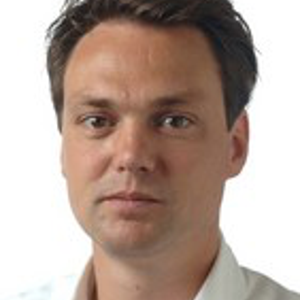

M.D., Ph.D., Professor, KU Leuven
Biography
Maarten Naesens, M.D., Ph.D., is Professor at KU Leuven and a transplant physician-scientist focused on improving long-term outcomes after kidney transplantation. His research combines clinical data, tissue pathology, molecular profiling, and computational approaches to understand why transplanted kidneys fail and how rejection can be detected and treated more precisely. His group studies the biology of alloimmune injury, chronic graft damage, and treatment response using transcriptomics, single-cell and spatial technologies, circulating biomarkers, and cell-free DNA. Dr. Naesens is also involved in efforts to integrate these data into clinical decision-support tools that can move transplant care beyond conventional histology and one-size-fits-all immunosuppression. Through KU Leuven and University Hospitals Leuven, he has contributed to large translational cohorts linking molecular findings with longitudinal patient outcomes. His work aims to define actionable disease states, identify earlier signals of rejection or injury, and develop precision strategies that preserve graft function while minimizing unnecessary immunosuppression and treatment toxicity.
Speaker Profile
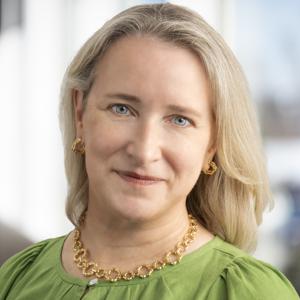

Market Access Strategy Director, Roche
Biography
Dawn Cardeiro, M.S., is a Market Access Strategy Director at Roche Diagnostics, where she develops U.S. strategies to advance patient access to innovative diagnostics. Her career spans over three decades in clinical, advocacy, and commercial roles in precision medicine, including positions at North Central Bronx Hospital, Baystate Medical Center, Point32Health, Myriad Genetics, and Foundation Medicine.
Dedicated to shaping payer policy and expanding access to diagnostics, Dawn serves on the board of the Access to Comprehensive Genomic Profiling Coalition (ACGP) and previously served on the board of directors for the Personalized Medicine Coalition (PMC).
She holds a B.S. in Chemistry from Fairfield University and an M.S. in Human Genetics from Sarah Lawrence College, where she trained as a genetic counselor. By combining her clinical roots and deep technical foundation with extensive industry expertise, Dawn effectively navigates complex health systems to improve patient outcomes.
Speaker Profile
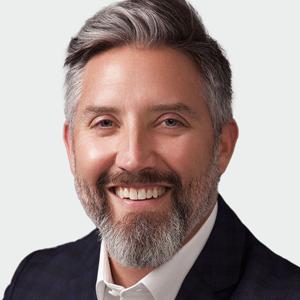

President & CEO, CareDx
Biography
John Hanna has more than two decades of executive leadership experience and has helped advance CareDx into a precision diagnostics company focused on transplant, specialty oncology, and cell therapy, combining molecular testing, clinical evidence generation, digital solutions, and patient support services to improve patient outcomes.
Prior to joining CareDx, he served as Chief Executive Officer of Apton Biosystems, where he led development of a high-throughput next-generation sequencing platform for liquid biopsy and other clinical applications. Following Apton's acquisition by Pacific Biosciences in 2023, he served as Vice President of Corporate Development. Previously, John spent a decade at Veracyte, an oncology diagnostics company, where he held several leadership roles, including Chief Commercial Officer and Vice President of Marketing. Earlier in his career, he held leadership positions at Humana and IBM. John earned a B.S. in Political Science from Hampden-Sydney College and an MBA from the University of Miami.
Talk
Precision Medicine's Real Challenge: Turning Insight into Clinical Action
Precision medicine's next frontier isn't generating more insight, it's acting on it. John Hanna explores how combining clinical and molecular data with AI-driven models is enabling longitudinal and personalized care. He'll examine what it takes, from data science to operational execution, to close that gap and turn insight into meaningful shifts in patient care.
Speaker Profile
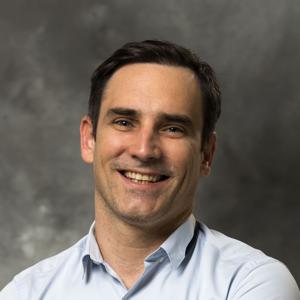

PMWC PIONEER AWARD
Developed iBox and redefined transplant rejection through data-driven pathology
M.D., Ph.D., Professor of Nephrology and Head of the PITOR Institute, APHP - UPC - Inserm
Biography
Alexandre Loupy is an internationally recognized physician-scientist who has transformed how transplant rejection and long-term graft survival are characterized and predicted. He is at the head of the Paris Institute for Transplantation & Organ Regeneration, where he has built large, deeply characterized cohorts integrating clinical, biological, immunologic, histologic, and transcriptomic data. He led the development of iBox, a prediction system that combines kidney function, proteinuria, donor-specific antibodies, and biopsy findings to estimate an individual patient's risk of kidney-allograft loss. The system was developed and validated in 7,557 recipients across 10 centers in Europe and North America and confirmed in three randomized clinical trials. It has received regulatory qualification in Europe and a favorable FDA qualification opinion for transplant clinical trials. Loupy has also applied machine learning and molecular profiling to identify distinct rejection phenotypes and improve transplant diagnostics. His work extends beyond kidney transplantation to heart-transplant rejection and pig-to-human xenotransplantation.
Speaker Profile
PMWC PIONEER AWARD
Developed iBox and redefined transplant rejection through data-driven pathology
M.D., Ph.D., Professor of Nephrology and Head of the PITOR Institute, APHP - UPC - Inserm
Biography
Alexandre Loupy is an internationally recognized physician-scientist who has transformed how transplant rejection and long-term graft survival are characterized and predicted. He is at the head of the Paris Institute for Transplantation & Organ Regeneration, where he has built large, deeply characterized cohorts integrating clinical, biological, immunologic, histologic, and transcriptomic data. He led the development of iBox, a prediction system that combines kidney function, proteinuria, donor-specific antibodies, and biopsy findings to estimate an individual patient's risk of kidney-allograft loss. The system was developed and validated in 7,557 recipients across 10 centers in Europe and North America and confirmed in three randomized clinical trials. It has received regulatory qualification in Europe and a favorable FDA qualification opinion for transplant clinical trials. Loupy has also applied machine learning and molecular profiling to identify distinct rejection phenotypes and improve transplant diagnostics. His work extends beyond kidney transplantation to heart-transplant rejection and pig-to-human xenotransplantation.
Speaker Profile
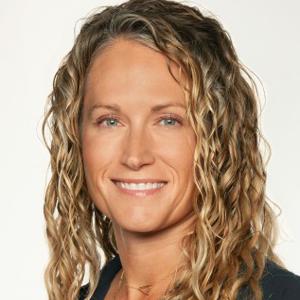

Market Access Lead, Cepheid
Biography
Stacey Brown is a healthcare market-access executive with more than 20 years of experience in reimbursement, payer strategy, provider engagement, evidence, and commercialization. She serves as Americas Market Access Lead at Cepheid, where her work supports adoption of molecular diagnostic technologies across complex U.S. healthcare and payment environments. She is also founder and president of Arduous Access Solutions. Ms. Brown previously held market-access and evidence leadership roles at Optum Life Sciences and served as Vice President of Market Access and Channel Innovations at GeneDx. Earlier, she worked in market-access roles at Foundation Medicine, gaining experience with precision oncology, genomic testing, reimbursement pathways, and the evidence needed to support clinical adoption. She earned a bachelor’s degree in microbiology from the University of Montana. Across diagnostics and precision medicine, her work focuses on translating clinical value into practical access, aligning evidence generation with payer requirements, and reducing reimbursement barriers that can prevent validated tests from reaching patients.
Speaker Profile
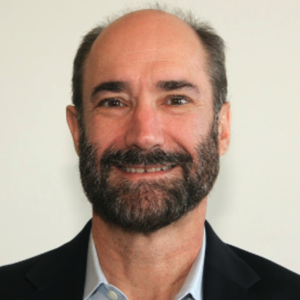
Ph.D., Professor, Department of Genetics, Stanford
Biography
Michael Snyder is the Stanford W. Ascherman Professor and the Director of the Stanford Center of Genomics and Personalized Medicine. As a pioneer of Precision Medicine, Dr. Snyder has invented many technologies enabling the 21st century of healthcare including systems biology, RNA sequencing, and protein chip. Dr. Snyder has initiated the Big Data approach to healthcare through his work using omics to detect early-stage disease, including wearables to detect infectious diseases like COVID-19, and at-home microsampling to measure hundreds of molecules from a single drop of blood. He is the first researcher to gather petabytes of data on individuals, which is 1 million - 1 trillion times more data than the average clinician collects. He has published over 900 papers and is one of the most cited scientists. In terms of commercial success, Dr. Snyder has co-founded 17 companies (including 2 unicorns) with combined enterprise value of over $6 billion.
Speaker Profile


Chief Technology & Business Officer, Karius
Biography
Sivan is a recognized innovator and entrepreneur in artificial intelligence who has dedicated two decades to pioneering the development of complex computational and data platforms. His key contributions include the development of novel machine-learning models tackling significant challenges in human disease. At Karius, he spearheaded the development of the foundational computational platform underlying the Karius Test, elevated the biomarker discovery program, and was central to forming and nurturing key strategic partnerships, furthering the companys impact in the medical field. Prior to Karius, Sivan was a co-founder and Chief Technology Officer at Lifecode, where he led the development of the analytical platform and validation of several clinical assays across oncology and rare diseases. He holds a Ph.D. in Computer Science from the Technion Israel Institute of Technology, and continued to Stanfords Artificial Intelligence Lab to pursue his post-doctoral research.
Speaker Profile
Chief Technology & Business Officer, Karius
Biography
Sivan is a recognized innovator and entrepreneur in artificial intelligence who has dedicated two decades to pioneering the development of complex computational and data platforms. His key contributions include the development of novel machine-learning models tackling significant challenges in human disease. At Karius, he spearheaded the development of the foundational computational platform underlying the Karius Test, elevated the biomarker discovery program, and was central to forming and nurturing key strategic partnerships, furthering the companys impact in the medical field. Prior to Karius, Sivan was a co-founder and Chief Technology Officer at Lifecode, where he led the development of the analytical platform and validation of several clinical assays across oncology and rare diseases. He holds a Ph.D. in Computer Science from the Technion Israel Institute of Technology, and continued to Stanfords Artificial Intelligence Lab to pursue his post-doctoral research.