
Session Abstract – PMWC 2027 Silicon Valley
Track Chair:
Mark Genovese, Eli Lilly
PMWC Award Ceremony
• Miriam Merad, Mount Sinai (Luminary)
• Jeffrey A. Bluestone, UCSF (Luminary)
Featured Speakers
• Miriam Merad, Mount Sinai
• Jeffrey A. Bluestone, UCSF
• Gallia Levy, Gilead
• Marcela V. Maus, Harvard
• Nick Wilson, Biogen
• Megan Levings, BC Children's Hospital Research Institute
• Min Bao, Kali Therapeutics
• Purvesh Khatri, Stanford
• Heleen Scheerens, Genentech
• Pascal Geldsetzer, Stanford
• Dan Littman, NYU
• Anne Kasmar, Parexel
Macrophages Across Inflammation, Cancer & Aging
Master regulators of tissue health and disease across precision immunology.
Immune Reset in Autoimmune Disease
CAR-T, in vivo CAR, and the pursuit of durable remission.
Beyond Broad Immunosuppression
Tolerance, Tregs, and disease-modifying approaches.
Turning Biomarkers on Their Head
What we can measure before we can reliably predict response.
Precision Immunology in Clinical Development
Trial enrichment, deeper endpoints, response prediction, and regulatory strategy.
The Microbial Roots of Autoimmunity
Chronic infection, dysbiosis, and microbial signals shaping disease.
Speaker Profile
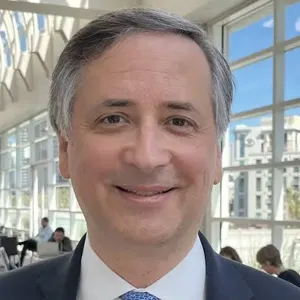

M.D., Ph.D., Co-Director of Cancer Genetics and Epigenetics, Johns Hopkins U.
Biography
Dr. Velculescu led the first genome wide sequence analysis in human cancers, identifying key genes and pathways dysregulated in tumorigenesis. He developed methods for global gene expression analyses and coined the word transcriptome" to describe the patterns that could now be obtained in cancer and other cells. These analyses identified a variety of genes not previously known to be involved in neoplasia, including PIK3CA as one of the most highly mutated genes in human cancer. His team's discoveries have led to new FDA approved therapies against PI3K and IDH1, and diagnostic tests for comprehensive tumor profiling. More recently, his group has created noninvasive machine learning liquid biopsy approaches for early detection and monitoring of cancer patients. His work has provided new paradigms for understanding human cancer that have benefited patients worldwide. He has been a Founder and CoCEO of Personal Genome Diagnostics and is Founder and CEO of Delfi Diagnostics.
Speaker Profile
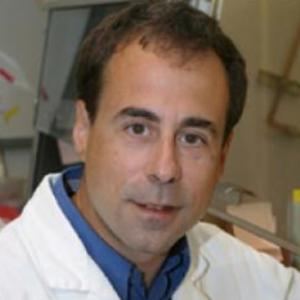
Professor, Stanford
Biography
Mark A. Kay, is the Dennis Farrey Family Professor in the Departments of Pediatrics and Genetics, and Head of the Division of Human Gene Therapy in Pediatrics at the Stanford University School of Medicine. Dr. Kay was an assistant/associate professor at the University of Washington in the Department of Medicine from 1993-1998 before moving to Stanford. Dr. Kay’s group has published over 275 papers in leading journals. Dr. Kay is most well-known for his contributions in the field of gene-based therapeutics and non-coding RNA biology specifically related to microRNA biogenesis and tRNA derived small RNAs.
Dr. Kay is one of the founders of the American Society of Gene and Cell Therapy and served as the President in 2005-2006 and received the society’s outstanding investigator award in 2013. In 2021, he was elected to the National Academy of Inventors. He spends much of his spare time doing landscape and nature photography.
Speaker Profile
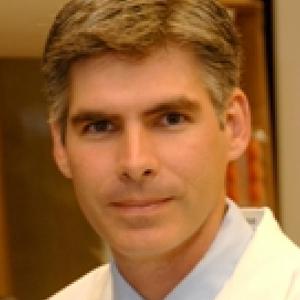

Ph.D., Professor, U of Pennsylvania
Biography
Dr. Daniel J. Powell Jr. is a leading translational immunologist whose work has helped shape the development of cancer immunotherapy, particularly for gynecologic malignancies and other solid tumors. As a faculty member at Penn Medicine, he has played a central role in advancing immune-based approaches that move beyond conventional treatment strategies, with an emphasis on therapies that can be both mechanistically rational and clinically actionable. His lab is known for combining rigorous basic science with a clear translational mission, creating a research program that is deeply rooted in tumor immunology while remaining focused on the needs of patients with difficult-to-treat cancers.
A major strength of Dr. Powell’s program is its breadth across the immunotherapy pipeline. His team has contributed to the development and refinement of adoptive cell therapies, including CAR T cell and T cell receptor-based strategies, as well as cancer vaccination and other immune-directed approaches designed to improve anti-tumor activity in solid tumors. This work has been especially important in cancers such as ovarian and other gynecologic malignancies, where durable responses to immunotherapy remain challenging and where new biological insights are urgently needed. By pursuing both discovery and translation, the lab has helped define new therapeutic concepts while also testing how those concepts can be brought into the clinic.
Speaker Profile
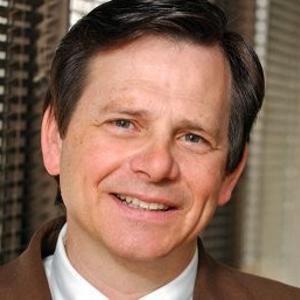

M.D., SVP, Eli Lilly & Co
Biography
Speaker Profile
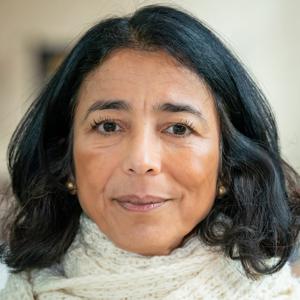

PMWC LUMINARY AWARD
Defined macrophage and dendritic cell biology in cancer and inflammatory disease
M.D., Ph.D., Chair of the Department of Immunology and Immunotherapy, Mount Sinai
Biography
Dr. Merad is Director of the Precision Immunology Institute at Mount Sinai in New York. She is an internationally acclaimed physician-scientist and a leader in the fields of immunology and oncology. Her discoveries have reshaped immunology textbooks by revealing previously unrecognized complexity within the immune system and redefining its role in several major human diseases. She is particularly renowned for her pioneering research on macrophages and their contributions to cancer, inflammatory conditions, and age-associated diseases. Her laboratory now focuses on developing macrophage-targeted therapies to treat cancer and inflammatory diseases and to prevent age-related disorders. Dr. Merad is an elected member of the National Academy of Sciences and National Academy of Medicine, and a fellow of the AACR and the Academy of Immuno-Oncology. She received numerous prestigious honors, including the William B. Coley Award, the Leopold Griffuel Cancer Prize, the INSERM International Prize, the Sjöberg Prize, and she was Knighted by the French Republic.
Talk
Macrophages: Key Targets in Cancer, Inflammatory Diseases & aging
Macrophages are master regulators of tissue health and inflammation, yet their diverse roles in physiology and disease have only recently become fully appreciated. In this lecture, I will discuss how understanding macrophage biology is transforming therapeutic strategies for cancer, inflammatory diseases, and aging.
Speaker Profile
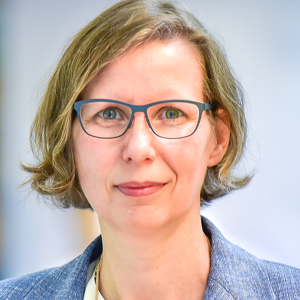

Ph.D., Professor, BC Children’s Hospital Research Inst.
Biography
Speaker Profile
PMWC LUMINARY AWARD
Ph.D., Distinguished Professor Emeritus of Metabolism and Endocrinology, UCSF
Biography
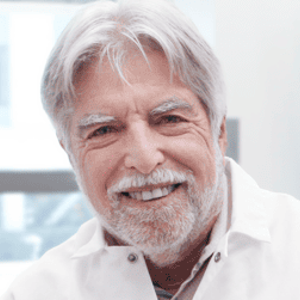
Dr. Jeff Bluestone is a Distinguished Emeritus Professor in the Diabetes Center at
UCSF and a managing director of Vie Ventures. He served in various other roles over 25
years at UCSF, including as a member of the faculty, Founding Director of the Diabetes Center,
and Executive Vice Chancellor and Provost. He is an international leader in the field of
immunotherapy and has published more than 500 papers focused on understanding the basic
processes that control T-cell activation and immune tolerance in autoimmunity, organ
transplantation and cancer. His research has led to the development of the first FDA-approved
drug that delays/prevents autoimmune Type 1 diabetes and the first FDA-approved checkpoint
inhibitor for the treatment of metastatic melanoma and other cancers. Dr. Bluestone was the
Founding Director of the Immune Tolerance Network and the Founding CEO of the Parker
Institute for Cancer Immunotherapy. Dr. Bluestone is a member of the National Academy of
Science, National Academy of Medicine, and American Academy of Arts and Sciences.
Speaker Profile
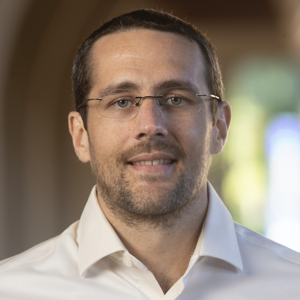

M.D., Ph.D., MPH, Assistant Professor of Medicine, Stanford
Biography
Pascal Geldsetzer is an Assistant Professor of Medicine at Stanford University and a Biohub Investigator. His research focuses on identifying and evaluating the most effective interventions for improving health at older ages. In addition to leading several randomized trials, his methodological emphasis lies on the use of natural experiments to ascertain causal effects in large observational datasets, particularly in electronic health record data. He has won an NIH New Innovator Award, the Pershing MIND Prize, a Biohub investigatorship, and three NIH R01 grants as Principal Investigator. In 2026, he was named one of the 100 most influential people in health and medicine globally by TIME Magazine (The TIME100 Health list) for his work on the link between shingles vaccination and dementia.
Speaker Profile
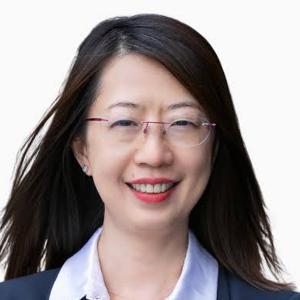

M.D., CMO & Co-Founder, Kali Tx
Biography
As a seasoned drug developer and leader, Min brings 25+ years of industry experience across multiple therapeutic areas, from pre-IND and phase 1-4 studies. During her 22-year tenure at Genentech/Roche from drug discovery to late-stage of global development with therapies of anti-VEGF, anti-CD20, anti-IL-6R, BTK inhibitor (etc), her significant contributions and clinical leadership, including her last role as Global Development Lead, resulted in global approvals in multiple autoimmune diseases and severe COVID-19. Prior to Kali, she took several Senior leadership roles in biotech, including SVP & Head of Clinical Development, ClinPharm, Toxicology and Pharmacovigilance at AnaptysBio, SVP & Head of Clinical Development at Alpine Immune Sciences (acquired by Vertex Pharmaceuticals) and Head of Autoimmune Franchise at Annexon Biosciences. Min was trained as a neurologist, received her MD from Suzhou Medical College and Master of Science in Immunology from the University of Calgary.
Speaker Profile

M.D., Ph.D., CMO, Quell Tx
Biography
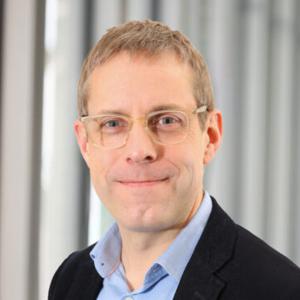
Luke Devey is a physician-scientist and biopharmaceutical executive whose career spans academic surgery, translational immunology, experimental medicine and senior leadership in global pharma, biotech and venture capital. His work has focuses on translating mechanistic insight into therapeutic development, from early target discovery and biomarker strategy through to early phase clinical studies. Luke served in roles of increasing responsibility at GSK and Celgene prior to leading Translational Sciences at Janssen Immunology, concurrent with a visiting Professorship in immunology at Oxford.
Luke serves currently as Chief Medical Officer at Quell Therapeutics, and Venture Partner at SV Health Investors. Quell is currently executing upon the CHILL Phase 1/2 study of autologous CD19 CAR-Treg therapy in refractory rheumatoid arthritis and systemic sclerosis, with clinical data anticipated in 2027.
Speaker Profile

Ph.D., Head, Biogen
Biography
Speaker Profile

M.D., Ph.D., Professor, NYU
Biography
Speaker Profile
Ph.D., Distinguished Professor Emeritus of Metabolism and Endocrinology, UCSF
Biography
Dr. Jeff Bluestone is a Distinguished Emeritus Professor in the Diabetes Center at
UCSF and a managing director of Vie Ventures. He served in various other roles over 25
years at UCSF, including as a member of the faculty, Founding Director of the Diabetes Center,
and Executive Vice Chancellor and Provost. He is an international leader in the field of
immunotherapy and has published more than 500 papers focused on understanding the basic
processes that control T-cell activation and immune tolerance in autoimmunity, organ
transplantation and cancer. His research has led to the development of the first FDA-approved
drug that delays/prevents autoimmune Type 1 diabetes and the first FDA-approved checkpoint
inhibitor for the treatment of metastatic melanoma and other cancers. Dr. Bluestone was the
Founding Director of the Immune Tolerance Network and the Founding CEO of the Parker
Institute for Cancer Immunotherapy. Dr. Bluestone is a member of the National Academy of
Science, National Academy of Medicine, and American Academy of Arts and Sciences.
Speaker Profile
Ph.D., Professor, Stanford
Biography
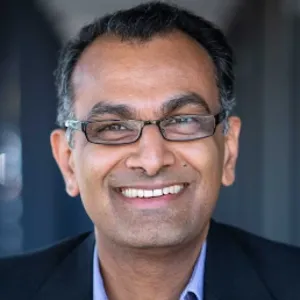
Dr. Purvesh Khatri is an esteemed Professor at Stanford
University, where he contributes significantly to the field of biomedical data science. His expertise lies in leveraging computational biology to enhance our understanding of complex diseases. Dr. Khatri's research primarily focuses on integrating multi-omics data to derive meaningful insights into disease biology, especially in the context of immunology and infectious diseases.
His academic journey is marked by numerous peer-reviewed publications,
underscoring his prolific contribution to scientific knowledge. Dr. Khatri
is also known for his commitment to mentoring the next generation of
scientists, guiding students and researchers in the field of computational
biology and data science.
As an accomplished academic and researcher, Dr. Khatri brings a wealth of knowledge, especially in the application of data science techniques to biomedical research, making him a valuable speaker and contributor to discussions on the intersection of data science and healthcare.
Speaker Profile
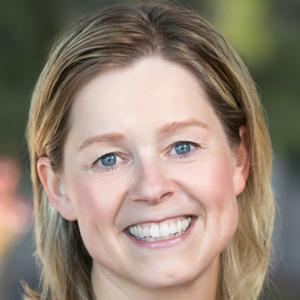

Ph.D., VP, Genentech
Biography
Speaker Profile
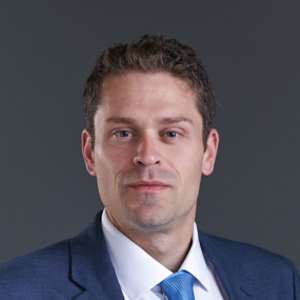
Ph.D., Assistant Professor, Johns Hopkins
Biography
His research lies at the intersection of computational biology, molecular genetics, and bioinformatics. He focuses on designing, interpreting, and refining liquid biopsies—such as blood, cerebrospinal fluid (CSF), and urine tests—to catch cancers at early, more treatable stages and monitor patients during therapy.
Speaker Profile
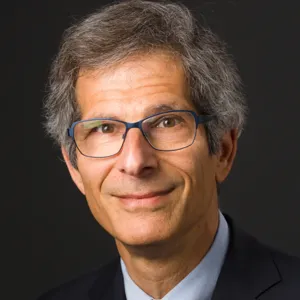

M.D., Professor, Yale
Biography
Kevan Herold, MD is Professor of Immunobiology and Internal Medicine at the Yale School of Medicine. His career has involved translational studies of the pathogenesis and treatment of immune diseases. He has been the PI of the clinical trials that led to the approval of teplizumab for treatment and prevention of Type 1 diabetes in addition to other immunologic and metabolic agents. His work has spanned a number of aspects of the pathogenesis of autoimmune diabetes including the immune mechanisms and the effects of autoimmunity on beta cells, with studies in preclinical and with clinical samples. His lab identified a subpopulation of beta cells that appear to resist immune attack. He developed an assay to measure β cell death in vivo and described changes in beta cells that occur in response to immunologic stressors which, he postulated may enable their survival
Speaker Profile
PMWC LUMINARY AWARD
Defined macrophage and dendritic cell biology in cancer and inflammatory disease
M.D., Ph.D., Chair of the Department of Immunology and Immunotherapy, Mount Sinai
Biography
Dr. Merad is Director of the Precision Immunology Institute at Mount Sinai in New York. She is an internationally acclaimed physician-scientist and a leader in the fields of immunology and oncology. Her discoveries have reshaped immunology textbooks by revealing previously unrecognized complexity within the immune system and redefining its role in several major human diseases. She is particularly renowned for her pioneering research on macrophages and their contributions to cancer, inflammatory conditions, and age-associated diseases. Her laboratory now focuses on developing macrophage-targeted therapies to treat cancer and inflammatory diseases and to prevent age-related disorders. Dr. Merad is an elected member of the National Academy of Sciences and National Academy of Medicine, and a fellow of the AACR and the Academy of Immuno-Oncology. She received numerous prestigious honors, including the William B. Coley Award, the Leopold Griffuel Cancer Prize, the INSERM International Prize, the Sjöberg Prize, and she was Knighted by the French Republic.
Speaker Profile
Ph.D., Distinguished Professor Emeritus of Metabolism and Endocrinology, UCSF
Biography
Dr. Jeff Bluestone is a Distinguished Emeritus Professor in the Diabetes Center at
UCSF and a managing director of Vie Ventures. He served in various other roles over 25
years at UCSF, including as a member of the faculty, Founding Director of the Diabetes Center,
and Executive Vice Chancellor and Provost. He is an international leader in the field of
immunotherapy and has published more than 500 papers focused on understanding the basic
processes that control T-cell activation and immune tolerance in autoimmunity, organ
transplantation and cancer. His research has led to the development of the first FDA-approved
drug that delays/prevents autoimmune Type 1 diabetes and the first FDA-approved checkpoint
inhibitor for the treatment of metastatic melanoma and other cancers. Dr. Bluestone was the
Founding Director of the Immune Tolerance Network and the Founding CEO of the Parker
Institute for Cancer Immunotherapy. Dr. Bluestone is a member of the National Academy of
Science, National Academy of Medicine, and American Academy of Arts and Sciences.
Speaker Profile
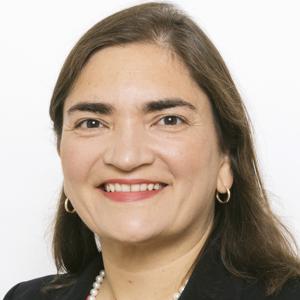

Harvard
Biography
Speaker Profile


M.D., SVP and Global Head of Immunology, Parexel
Biography
Anne joined Parexel in June 2023 as global therapeutic head for Infectious Diseases and Vaccines, leading a team of physicians to support the development of new interventions for infectious diseases. Before joining Parexel, Anne was a lead medical director at Genentech in South San Francisco, California. In this role, she was part of a cross-functional team researching new therapies for graft-versus-host disease and contributed to the clinical development of a novel antibiotic. Prior to that, she was a program officer at the Bill Melinda Gates Foundation in Seattle, Washington where she managed a multi-million-dollar portfolio of investments in next-generation tuberculosis vaccines. Her experience also includes serving as an instructor of medicine at Harvard Medical School as well as a clinical assistant in medicine at the Massachusetts General Hospital.
Speaker Profile
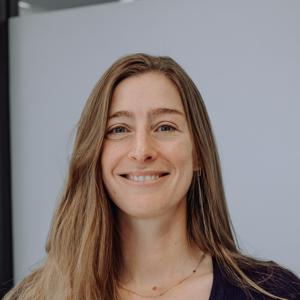

Ph.D., CEO, BigHat Biosciences
Biography
Peyton Greenside is the co-founder and CEO of BigHat Biosciences, a Bay Area biotechnology company pioneering an ML-driven platform to accelerate the design of next-generation antibodies and other therapeutic proteins. She holds a PhD from Stanford University, an MPhil in Computational Biology from the University of Cambridge, and a BA in Applied Mathematics from Harvard.
Speaker Profile
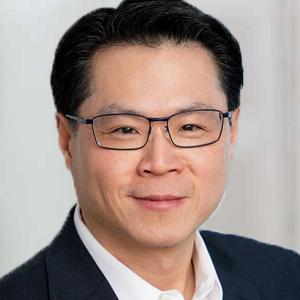
M.D., CMO, Lycia Tx
Biography
Speaker Profile
Ph.D., Professor, Harvard
Biography
Speaker Profile
M.D., Ph.D., Chair of the Department of Immunology and Immunotherapy, Mount Sinai
Biography
Dr. Merad is Director of the Precision Immunology Institute at Mount Sinai in New York. She is an internationally acclaimed physician-scientist and a leader in the fields of immunology and oncology. Her discoveries have reshaped immunology textbooks by revealing previously unrecognized complexity within the immune system and redefining its role in several major human diseases. She is particularly renowned for her pioneering research on macrophages and their contributions to cancer, inflammatory conditions, and age-associated diseases. Her laboratory now focuses on developing macrophage-targeted therapies to treat cancer and inflammatory diseases and to prevent age-related disorders. Dr. Merad is an elected member of the National Academy of Sciences and National Academy of Medicine, and a fellow of the AACR and the Academy of Immuno-Oncology. She received numerous prestigious honors, including the William B. Coley Award, the Leopold Griffuel Cancer Prize, the INSERM International Prize, the Sjöberg Prize, and she was Knighted by the French Republic.