Session Abstract – PMWC 2027 Silicon Valley

Speaker Profile
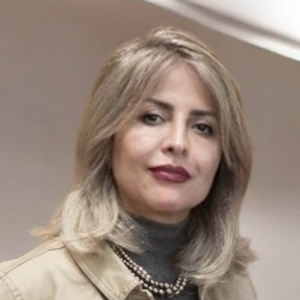

Ph.D., PHARMD, Assistant Professor, Amsterdam UMC
Biography
Fariba Ahmadizar is an epidemiologist working at the forefront of diabetes precision medicine and cardiometabolic research. Her work integrates multi-omics data, including genomics and metabolomics, with clinical, environmental, and pharmacological information to identify biomarkers that improve risk prediction, prevention, and treatment strategies in diabetes and related disorders. She leads multiple international research initiatives investigating the role of glucose dysregulation and glycemic variability in cognitive decline and dementia, advancing understanding of metabolic drivers of brain health.
Her research applies advanced epidemiological and data-driven methods to real-world and multi-omics datasets to generate clinically actionable insights for precision medicine. She serves as principal investigator in several national and international consortia and is actively involved in academic teaching, scientific coordination, and mentorship.
Her work bridges epidemiology, molecular data science, and clinical practice to advance personalized approaches to diabetes care, cardiometabolic disease prevention, and cognitive health.
Speaker Profile

PMWC LUMINARY AWARD
2024 Nobel Laureate & pioneer of computational protein design
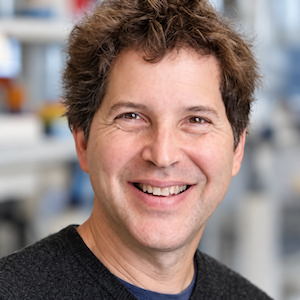
Ph.D., Nobel Laureate, Director, U. of Washington
Biography
David Baker is a Nobel laureate, professor of biochemistry, HHMI investigator, and director of the Institute for Protein Design at the University of Washington. His lab develops software for protein design and uses it to create molecules that address challenges in medicine, technology, and sustainability. Recent work includes the development of machine learning methods for generating functional proteins.
David is also an adjunct professor of genome sciences, bioengineering, chemical engineering, computer science, and physics at the University of Washington. He has published more than 650 scientific papers, been awarded over 100 patents, and co-founded 21 biotechnology companies. More than 100 of his trainees have gone on to independent faculty positions.
He is the recipient of numerous awards, including the 2024 Nobel Prize in Chemistry “for computational protein design.” He is an elected member of the National Academy of Sciences, National Academy of Engineering, and National Academy of Inventors. David was also included on TIME’s inaugural list of the 100 Most Influential People in health.
David received his PhD in biochemistry with Randy Schekman at the University of California, Berkeley, and conducted postdoctoral research in biophysics with David Agard at UCSF.
Speaker Profile
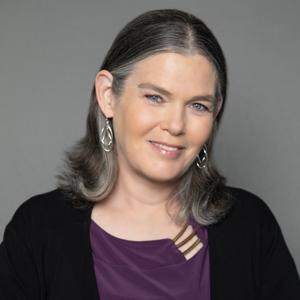

PMWC LUMINARY AWARD
Built AI-driven platforms for computational biology and drug discovery
Ph.D., CEO and Founder, insitro
Biography
Daphne Koller is CEO and Founder of insitro, a causal AI therapeutics company focused on discovering and advancing novel, transformative medicines. Daphne was the Rajeev Motwani Professor of Computer Science at Stanford University, where she served on the faculty for 18 years. She was also co-CEO and President of Coursera and Chief Computing Officer of Calico Labs. She authored over 300 refereed publications (h-index >150). Daphne was recognized as one of TIME Magazine’s 100 most influential people in 2012 and 100 most influential people in AI in 2024. She received the MacArthur Foundation Fellowship in 2004, the ACM Prize in Computing in 2008, the ACM AAAI Allen Newell Award in 2019, and the AnitaB.org Technical Leadership Abie Award in 2022. Daphne was inducted into the NAS in 2023, into the NAE in 2011 and elected a fellow of the AAAI in 2004, the AAAS in 2014, and the ISCB in 2017.
Talk
Speaker Profile
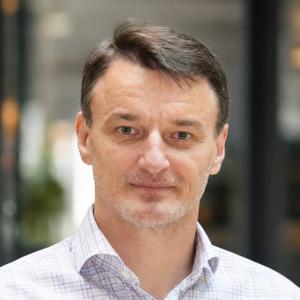

Ph.D., Chief Science Officer, DataJoint
Biography
Dimitri Yatsenko is the scientific lead behind Data Joint, an open-source framework widely adopted across neuroscience for building reproducible, scalable, and fully automated data pipelines. Originally developed during his work at Baylor College of Medicine, Data Joint has become foundational infrastructure for labs generating large-scale electrophysiology, imaging, behavioral, and multimodal datasets. Dimitris work focuses on transforming fragmented research workflows into unified, auditable systems that integrate data acquisition, analysis, and computational modeling. Over more than a decade, he has championed data-centric research practices that accelerate discovery, improve scientific rigor, and enable collaborative, multi-institution neuroscience projects. His contributions have helped establish best practices for managing complex experimental data and have empowered researchers to connect raw measurements to higher-order insight with speed, transparency, and reproducibility.
Talk
In AI Drug Discovery, Rigor Compounds
Drug discovery advances by accumulation—each result rigorous enough for the next to build on. As AI agents join computational biology and discovery work, rigor first, not speed, is what compounds: results that carry their origin, reproduce reliably, and stay defensible. The data foundation determines whether discovery compounds or collapses.
Speaker Profile
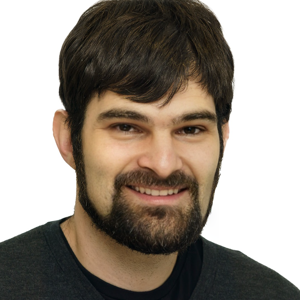
Ph.D., CEO, Founder, NeoSplice Tx
Biography
Evgeny Kiner is the founder of NeoSplice Therapeutics, an AI-driven platform company unlocking disease-specific therapeutic targets that are inaccessible to traditional genomics. He was trained in RNA biology at Massachusetts Institute of Technology under Phillip Sharp, and later in systems immunology at Harvard University with Diane Mathis and Christophe Benoist, where he helped bring single-cell RNA sequencing into large-scale immune profiling efforts as part of the Immgen consortium. He is the author of a highly cited Nature Immunology study that reshaped understanding of CD4 T-cell states. Prior to Neo Splice, he was a founding scientist at Immunai, where he helped build AI-driven platforms for biological discovery. Evgeny is passionate about expanding the druggable target space and accelerating the path from data to medicines using AI.
Speaker Profile
Co-Founder & President, Chai Discovery
Biography
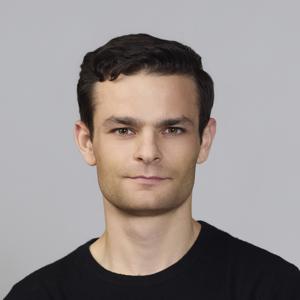
Jack Dent is the co-founder of Chai Discovery, which is building the "computer-aided design suite" for molecules. Chai Discovery has raised $230M from leading investors including OpenAI, Thrive Capital, Anthropic, and General Catalyst. In 2025, Chai was the first company to demonstrate the ability to design antibodies on the computer with double digit success rates. Before starting Chai, Jack led engineering and product teams at Stripe. He graduated from Harvard in 2018 with a joint BA/MS in Computer Science, where his main research areas included systems and machine learning.
Speaker Profile

Founder & CEO, Insitro
Biography
Daphne Koller is CEO and Founder of insitro, a machine learning driven drug discovery and development company. Daphne is also cofounder of Engageli, was the Rajeev Motwani Professor of Computer Science at Stanford University, where she served on the faculty for 18 years, co-CEO and President of Coursera, and Chief Computing Officer of Calico Labs. She is the author of over 300 refereed publications, with an hindex of over 145. Daphne was named one of TIME Magazines 100 most influential people in 2012. She received the MacArthur Foundation Fellowship (2004), ACM Prize in Computing (2008), ACM AAAI Allen Newell Award (2019), and AnitaB.org Technical Leadership Abie Award Winner (2022). Daphne was inducted into the National Academy of Science (2023), the National Academy of Engineering (2011) and elected a fellow of the American Association for Artificial Intelligence (2004), the American Academy of Arts and Sciences (2014), and the International Society of Computational Biology (2017).
Speaker Profile
Ph.D., CEO, BigHat Biosciences
Biography
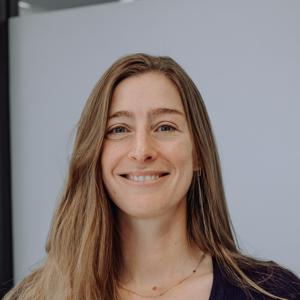
Peyton Greenside is the co-founder and CEO of BigHat Biosciences, a Bay Area biotechnology company pioneering an ML-driven platform to accelerate the design of next-generation antibodies and other therapeutic proteins. She holds a PhD from Stanford University, an MPhil in Computational Biology from the University of Cambridge, and a BA in Applied Mathematics from Harvard.
Speaker Profile
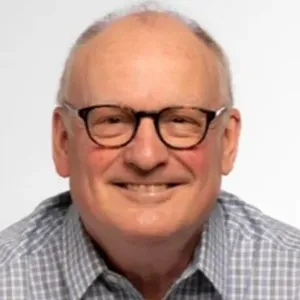

Ph.D., SVP, BMS
Biography
Richard Hargreaves is a neuroscientist who is currently Senior VP Head of Neuroscience, Immunology, Integrative Sciences and Cardiovascular research at Bristol Myers Squibb. His career also includes leadership roles at Celgene, Biogen, and Merck where his teams contributed to the development and registration of multiple CNS drugs and PET imaging agents. Richard has also played key roles in building external partnerships, collaborations and strategic acquisitions in neuroscience. His work has been recognized through various scientific and leadership awards and an honorary professorship at the University of Oxford UK.
Speaker Profile
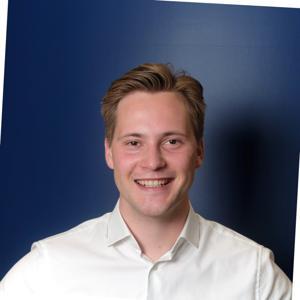

Head of Products & Platform (BioStrand), MindWalk
Biography
Arnout Van Hyfte joined Bio Strand in 2019 as a member of the founding team and has played an important role in its evolution into what is now Mind Walk. He has contributed to shaping product direction and establishing the product development foundation behind Mind Walk’s LensAI platform, powered by HYFT® technology. Arnout leads the product development organization, working across teams to translate complex capabilities into cohesive, user-ready products. His work supports the ongoing evolution of LensAI, roadmap execution, and the delivery of innovative solutions that integrate smoothly into scientific workflows—advancing Mind Walk’s long-term product vision.
Speaker Profile
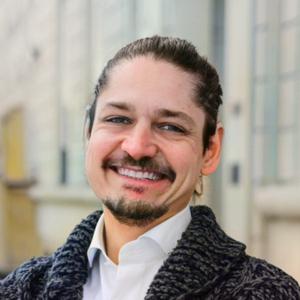

Ph.D., CEO, Numenos
Biography
Vitalay Fomin is the CEO and co-founder of Numenos with the purpose to develop novel AI approaches in clinical drug development . Vitalay is a data scientist and molecular biologist combining data science and experimental biology to reveal and target novel mechanisms contributing to disease progression and drug response. At Roche/Genentech, he developed innovative workflows to identify genomic and biomarker features affecting immunotherapy response, particularly in non-small cell lung carcinoma (NSCLC). His research leveraged large clinico-genomic databases (Flatiron Health), vast internal clinical trial data and cutting-edge machine learning approaches to understand checkpoint inhibitor resistance in cancer. Our goal os to create novel AI infrastructure to convert vast amounts of uninterpretable human data into real world applications using novel implementations of AI by generating a large clinic-genomic model (LCGM), that can semantically harmonize biological data to come up with for foundational biological concepts, the equivalent of the physics laws for biology.
Speaker Profile
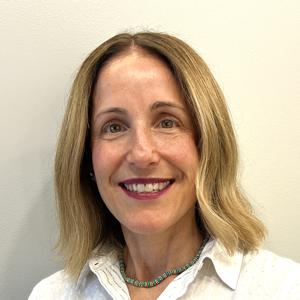

Ph.D., VP, Data and AI Partnerships, Tempus
Biography
Deirdre has spent her career at the forefront of innovation: bringing emerging technologies and platforms to the forefront with the goal of accelerating access to precision medicines.
She oversaw precision medicine initiatives for oncology and non-oncology assets at AstraZeneca and Bristol-Myers Squibb amongst others; launching Companion Diagnostics for Lynparza, Tagrisso, and IO therapeutics in the global markets.
Deirdre launched the global diagnostic strategy for Lynparza, which expanded access and utilization of BRCA testing to optimize patient treatments. She championed liquid biopsy efforts to provide patients and providers with a better understanding of a patient’s disease and treatment options. She led digital diagnostic collaborations at PathAI, building the foundation for the role of AI-Dx in patient diagnosis and treatment. As these technologies became standard of care, and data became interrogatable, Deirdre focused her efforts on the convergence of data and AI to drive innovation.
Deirdre looks forward to a lively discussion today.
Speaker Profile

Ph.D., VP, Data and AI Partnerships, Tempus AI
Biography
Deirdre has spent her career at the forefront of innovation: bringing emerging technologies and platforms to the forefront with the goal of accelerating access to precision medicines.
She oversaw precision medicine initiatives for oncology and non-oncology assets at AstraZeneca and Bristol-Myers Squibb amongst others; launching Companion Diagnostics for Lynparza, Tagrisso, and IO therapeutics in the global markets.
Deirdre launched the global diagnostic strategy for Lynparza, which expanded access and utilization of BRCA testing to optimize patient treatments. She championed liquid biopsy efforts to provide patients and providers with a better understanding of a patient’s disease and treatment options. She led digital diagnostic collaborations at PathAI, building the foundation for the role of AI-Dx in patient diagnosis and treatment. As these technologies became standard of care, and data became interrogatable, Deirdre focused her efforts on the convergence of data and AI to drive innovation.
Deirdre looks forward to a lively discussion today.
Speaker Profile
Ph.D., Nobel Laureate, Director, U. of Washington
Biography
David Baker is a Nobel laureate, professor of biochemistry, HHMI investigator, and director of the Institute for Protein Design at the University of Washington. His lab develops software for protein design and uses it to create molecules that address challenges in medicine, technology, and sustainability. Recent work includes the development of machine learning methods for generating functional proteins.
David is also an adjunct professor of genome sciences, bioengineering, chemical engineering, computer science, and physics at the University of Washington. He has published more than 650 scientific papers, been awarded over 100 patents, and co-founded 21 biotechnology companies. More than 100 of his trainees have gone on to independent faculty positions.
He is the recipient of numerous awards, including the 2024 Nobel Prize in Chemistry “for computational protein design.” He is an elected member of the National Academy of Sciences, National Academy of Engineering, and National Academy of Inventors. David was also included on TIME’s inaugural list of the 100 Most Influential People in health.
David received his PhD in biochemistry with Randy Schekman at the University of California, Berkeley, and conducted postdoctoral research in biophysics with David Agard at UCSF.
Speaker Profile
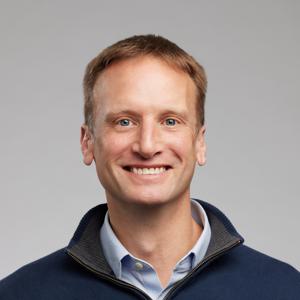

MPH, CEO, Valo Health
Biography
Dr. Brian Alexander is Chief Executive Officer of Valo Health and a CEO Partner at Flagship Pioneering. Before joining Valo in 2024, he served as Senior Vice President of R&D at Roche/Genentech, where he helped advance the use of data science and AI in clinical development. Previously, he was CEO of Foundation Medicine, leading efforts to transform cancer care through molecular profiling and precision medicine.
Brian serves on the boards of MassBio and Champions Oncology and is a co-founder of the Global Coalition for Adaptive Research, a nonprofit focused on accelerating treatments for patients with rare and deadly diseases. He previously served on the faculty of Harvard Medical School and practiced radiation oncology at Dana-Farber Cancer Institute and Brigham and Women's Hospital. He holds an MD from the University of Michigan and an MPH from Harvard, and served as a White House Fellow under Presidents George W. Bush and Barack Obama.
Speaker Profile
Ph.D., Director, Novartis Biomedical Research
Biography
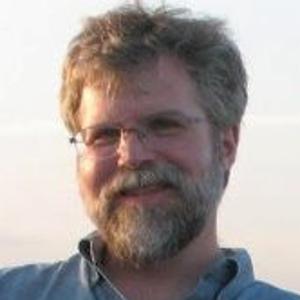
Derek Lowe is a 38-year veteran of several drug discovery organizations and has worked across multiple therapeutic areas in both med-chem and chemical biology. He is also known for his long-running blog, "In the Pipeline", with nearly 25 years of comment on the drug industry and a wide range of scientific topics.
Speaker Profile
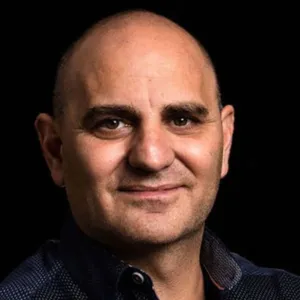

M.D., Ph.D., Co-Founder and CEO, Noetik
Biography
Ron Alfa is a physician scientist at the forefront of leveraging technology to tackle unmet therapeutic needs in medicine. He is Co-Founder and CEO of NOETIK, a next generation precision oncology company using multimodal foundation models pre-trained on large-scale human tumor data to discover cancer therapeutics. Prior to founding Noetik, Ron was Senior Vice President, Head of Research and acting-CSO at Recursion, where he led the company’s scientific organizations and portfolio strategy. At Recursion, he led portfolio and platform builds across rare disease, neuroscience, oncology, and immunology, and was responsible for advancing multiple therapeutic programs from discovery to clinical development. Ron holds an MD and PhD from Stanford University School of Medicine, where he completed his doctoral work in Neuroscience, and has a MA in History of Medicine from UCL.
Speaker Profile
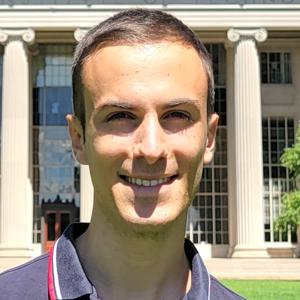

Ph.D., CEO, Boltz
Biography
Gabriele Corso is the CEO and co-founder of Boltz PBC, a company advancing biomolecular modeling and making it accessible to scientists. Gabriele received his PhD from MIT CSAIL, where he led the development of several of the most widely adopted AI models in drug discovery, now used by hundreds of thousands of scientists worldwide. Boltz develops state-of-the-art AI models for biomolecular design and has established major partnerships with leading pharmaceutical companies, including Pfizer, GSK, and Takeda, to accelerate the discovery and development of new therapeutics.
Speaker Profile
Co-Founder & President, Chai Discovery
Biography
Jack Dent is the co-founder of Chai Discovery, which is building the "computer-aided design suite" for molecules. Chai Discovery has raised $230M from leading investors including OpenAI, Thrive Capital, Anthropic, and General Catalyst. In 2025, Chai was the first company to demonstrate the ability to design antibodies on the computer with double digit success rates. Before starting Chai, Jack led engineering and product teams at Stripe. He graduated from Harvard in 2018 with a joint BA/MS in Computer Science, where his main research areas included systems and machine learning.
Talk
Speaker Profile
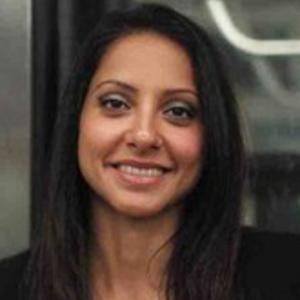

Ph.D., Director, Eli Lilly &
Biography
Melody Shahsavarian, Ph.D., is Senior Director of Data Strategy and Digital Transformation in Biotherapeutics Discovery Research at Eli Lilly and Company. She leads efforts to make experimental data, automation, and artificial intelligence more accessible and useful across biologics discovery. Her career has combined wet-lab science with technology-platform development, including phage-display antibody libraries, droplet microfluidics, next-generation sequencing, immune-repertoire profiling, and data systems designed to support machine learning. Before joining Lilly, she spent nearly nine years at Sanofi Large Molecules Research and predecessor organizations, progressing through scientific leadership roles focused on biologics and digital innovation. Dr. Shahsavarian earned a B.S. in Bioengineering from the University of California, San Diego, an M.S. in Biotechnology and Biomedicine from Université Joseph Fourier, and a Ph.D. in Biotechnology in France. At Lilly, she is helping build integrated data and AI capabilities intended to improve scientific decision-making, accelerate design-make-test-analyze cycles, and support an increasingly AI-enabled biologics discovery process.
Talk
Speaker Profile
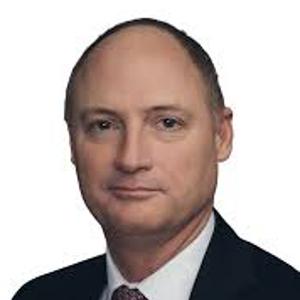
Ph.D., CEO, Genscience
Biography
Matthew Nelson, Ph.D., is the founder and Chief Executive Officer of Genscience, an affiliate of Deerfield. He joined Deerfield in 2019 and continues to function as VP, Genetics & Genomics. Prior to Deerfield, he spent 15 years at GlaxoSmithKline and was most recently the Head of Genetics, Director of Biostatistics at Sequenom and Director of Genomics at Esperion Therapeutics. Dr. Nelson is an Adjunct Professor at the University of North Carolina and co-author on >80 publications, including several highly cited, field-leading works. He holds a Ph.D. in Human Genetics and an M.A. in Statistics from the University of Michigan.
Speaker Profile


Board Member, BENTO BIOLOGY PLATFORMS
Biography
Tarangini “Gini” Deshpande, Ph.D., is a biotechnology entrepreneur, molecular biologist, and board member of Bento Biology Platforms. She is best known as the founder and Chief Executive Officer of NuMedii, where she has worked to apply data science and systems biology to drug discovery and development. Across more than 16 years in biotechnology, she has helped translate scientific platforms into products, partnerships, and financing strategies, including collaborations with pharmaceutical companies. Earlier in her career, Dr. Deshpande worked in commercialization and business development at organizations including Affymetrix and iPierian and supported medical-device innovation at Boston Children’s Hospital. She earned her M.S. at the University of Pune, her Ph.D. in Biological Sciences at Purdue University, and completed postdoctoral research at Massachusetts General Hospital. Her work spans computational drug discovery, precision medicine, business strategy, and company building, with a focus on turning emerging biological and data platforms into programs that can be tested, partnered, and advanced toward clinical impact.
Speaker Profile
Ph.D., CEO and Founder, Insitro
Biography
Daphne Koller is CEO and Founder of insitro, a machine learning driven drug discovery and development company. Daphne is also cofounder of Engageli, was the Rajeev Motwani Professor of Computer Science at Stanford University, where she served on the faculty for 18 years, co-CEO and President of Coursera, and Chief Computing Officer of Calico Labs. She is the author of over 300 refereed publications, with an hindex of over 145. Daphne was named one of TIME Magazines 100 most influential people in 2012. She received the MacArthur Foundation Fellowship (2004), ACM Prize in Computing (2008), ACM AAAI Allen Newell Award (2019), and AnitaB.org Technical Leadership Abie Award Winner (2022). Daphne was inducted into the National Academy of Science (2023), the National Academy of Engineering (2011) and elected a fellow of the American Association for Artificial Intelligence (2004), the American Academy of Arts and Sciences (2014), and the International Society of Computational Biology (2017).
Speaker Profile
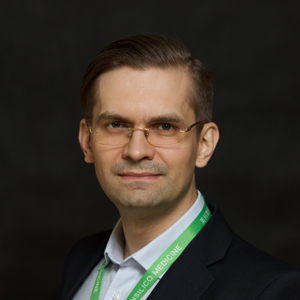

Ph.D., CEO, Insilico Medicine
Biography
Alex Zhavoronkov, PhD, is the founder and CEO of Insilico Medicine, a leading clinical-stage biotechnology company developing next-generation generative artificial intelligence and robotics platforms for drug discovery. Under his leadership, Insilico raised over $400 million in multiple rounds from expert biotechnology, healthcare, and financial investors, opened R&D centers in 6 countries and regions, and partnered with multiple pharmaceutical, biotechnology, and academic institutions. Since 2021, the company nominated 21 preclinical candidates, started 6 human clinical trials, and entered Phase II with an AI-discovered novel target and AI-designed novel molecule.
Since 2012, he has published over 200 peer-reviewed research papers and 3 books. He is the adjunct professor of artificial intelligence at the Buck Institute for Research on Aging.
Speaker Profile
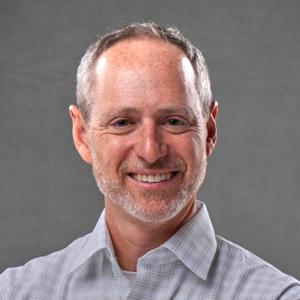

M.D., CMO, RefinedScience
Biography
Dan Pollyea serves as Chief Medical Officer at RefinedScience, guiding clinical strategy and translational development across the company’s oncology programs. A nationally recognized leukemia physician-scientist, he specializes in developing novel therapies for acute myeloid leukemia and myelodysplastic syndromes through clinical trials and translational research. His work helps ensure RefinedScience’s scientific discoveries are aligned with clinical needs and positioned to advance patient care.
In addition to his role at RefinedScience, Dr. Pollyea serves as Head of the Division of Hematology, Clinical Director of Leukemia Services, and Professor of Medicine at the University of Colorado Anschutz Medical Campus, where he leads early-phase clinical trials and research focused on novel therapies for myeloid malignancies. He earned his MD from the University of Chicago Pritzker School of Medicine and completed fellowship training in Hematology and Oncology at Stanford University, where he also earned a Master’s degree in Epidemiology.
Speaker Profile
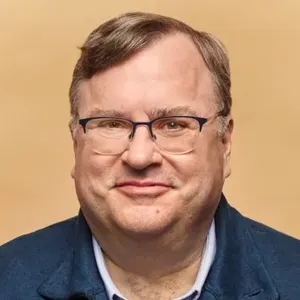

Partner, Greylock
Biography
Reid Hoffman is an entrepreneur, investor, author, and one of Silicon Valley’s most influential technology leaders. He co-founded LinkedIn, served as a senior executive at PayPal, and is a partner at Greylock, where he has backed transformative companies including Airbnb and Aurora. Hoffman is also a co-founder of Inflection AI and Manas AI, reflecting his growing focus on how artificial intelligence can reshape science, business, and society. He serves on the board of Microsoft and supports organizations advancing entrepreneurship, research, and human-centered technology. Hoffman is the author of several books on innovation and scale, including Blitzscaling and Superagency, and hosts the podcasts Masters of Scale and Possible. His current work explores how AI can accelerate discovery, expand human capabilities, and create new models for innovation, making his perspective especially relevant as precision medicine increasingly converges with advanced computation, AI-enabled research, and next-generation biotechnology across healthcare, therapeutics, diagnostics, and biomedical science.
Speaker Profile
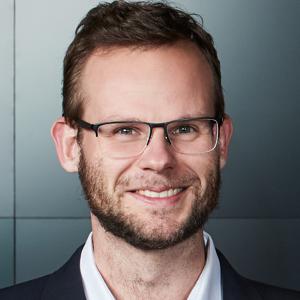
Ph.D., CEO, QUBIGEN
Biography
Jonathan Hall pioneers a new privacy-preserving AI platform for drug discovery using decentralized data. AI models can be tailored to confidential projects while that data stays within a secure environment. The platform can perform end-to-end in silico chemistry, and quantum mechanics for drug potency. He previously founded Life Whisperer, a computer vision AI company for IVF, built on this same principle, acquired in 2024. He is an MIT Technology Review Innovator Under 35 (Asia-Pacific), Talent Unleashed Global Winner One-to-Watch, recognized by Steve Wozniak and Richard Branson, an InDaily 40 Under 40 entrepreneur, and a Frost & Sullivan Global Leadership Award recipient. His work has been featured in Time and Scientific American. He is an author of multiple international patents and peer-reviewed journal articles. His current focus is on platform deployments of AI at Edge that learns from a lab’s own results, including the failures, without the data being copied or shared.
Speaker Profile
Ph.D., SVP, Product Strategy, Co-Founder, Element Biosciences
Biography
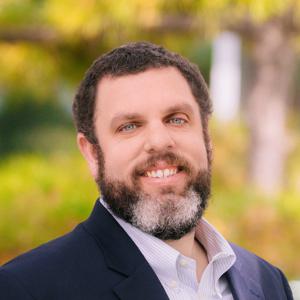
Matthew Kellinger, PhD – SVP, Product Strategy, Co-Founder
Matthew co-founded Element Biosciences and serves as the Senior Vice President of
Product Strategy. He previously served as Vice President of Biochemistry. With an expertise
in enzymatic reactions and the kinetics of sequencing, he leads innovation in chemistry to
drive improvements in high-throughput sequencing and biology solutions.
Matthew earned his PhD at the University of Texas in Austin where he focused on
mechanisms of Reverse Transcriptase and HIV drug resistance. He continued his research
at UC San Diego where he studied RNA transcription fidelity.
As a Staff Scientist at Illumina, Matthew focused on protein engineering to support and
develop the future of genome sequencing. Collaborating with his colleagues, Molly He and
Michael Previte, he engineered enzymes for sequencing applications to drive greater
efficiency and accuracy across all aspects of sequencing technology.
Talk
TBD
TBD