Session Abstract – PMWC 2026 Silicon Valley

Track Chair:
Ed Kim, City of Hope
PMWC Award Ceremony
• Mark Daly, Broad Institute / FinnGen
• Gordon Sanghera, Oxford Nanopore Technologies
The Data Factory: Integrating Millions of Genomes for Variant Interpretation
• Chair: Stephen Montgomery, Stanford University
• Carlos Bustamante, University of Oklahoma
• Mark Daly, Broad Institute
• Manuel Rivas, Stanford University
• Mark McCarthy, Genentech
• Nilah Ioannidis, UC Berkeley / UCSC
Keynote: Biobanks and the Road Ahead in Human Genetics
• Mark Daly, Broad Institute
Beyond the Read: Long-Read Sequencing in Clinical Variant Pipeline
• Chair: Kathleen Barnes, Galatea Bio
• Gordon Sanghera, Oxford Nanopore Technologies
• Hanlee Ji, Stanford
• Barrett Bready, Nabsys
DNA to Drug, Label & Coverage
• Chair: Razelle Kurzrock, Medical College of Wisconsin
• Edward Kim, City of Hope
• Slavé Petrovski, AstraZeneca
• Wei Zhou, Broad Institute
PMWC Award Ceremony
• Scott Gottlieb, New Enterprise Associates
Fireside Chat
• Lauren Silvis, Tempus
• Scott Gottlieb, New Enterprise Associates
25+ Years of the Human Genome: From Bench to Bedside to Beyond
• Chair: Ralph Snyderman, Duke University
• Craig Venter, J. Craig Venter Institute
• Brook Byers, KPCB
• Lee Hood, Phenome Health
Speaker Profile


M.D., Physician-in-Chief & Sr. VP, City of Hope
Biography
Dr. Kim is physician-in-chief and senior vice president at City of Hope Orange County and vice physician-in-chief and professor at City of Hope National Medical Center. Dr. Kim is an international leader in lungcancer having published over 200 peer-reviewed articles in top tierjournals. He has previously served as an associate tenured professor at The University of Texas MD Anderson Cancer Center, Chair of Solid Tumor Oncology at Levine Cancer Institute, Atrium Health, and obtained his MB Aat the University of North Carolina Kenan-Flagler School of Business, Chapel Hill, NC.
Talk
NA - Dr. Kim is Co - Moderator
NA - Dr. Kim is Co - Moderator
Speaker Profile
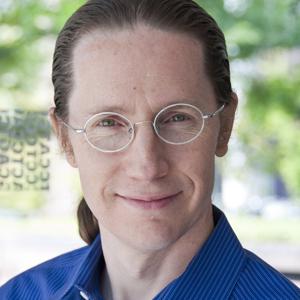

PMWC LUMINARY AWARD
Led GWAS/population genetics that mapped disease genes at scale
Ph.D., Chief, Analytic & Translational Genetics, MGH; Co-Director MPG, Broad Inst.
Biography
Mark Daly is the founding Chief of the Analytic and Translational Genetics Unit (A TGU) at Massachusetts General Hospital and is an assistant professor at Harvard Medical School. His research focuses on statistical and computational methods to discover and interpret genetic variation in complex disease, and on bringing genome information into clinical settings. He is also an Institute Member and Co-Director of the Program in Medical and Population Genetics at the Broad Institute, where he leads major sequencing studies in autism and inflammatory bowel disease. His group has major research efforts in neuropsychiatric genetics, particularly autism, schizophrenia, and A DHD, and has led many large GWAS and exome studies. His lab serves as an analytic hub for the Psychiatric GWAS Consortium. He has also led gene mapping in Crohns disease and ulcerative colitis. Daly served as Director of the Institute of Molecular Medicine Finland (FIMM) and received degrees from MIT and Leiden University.
Talk
Speaker Profile
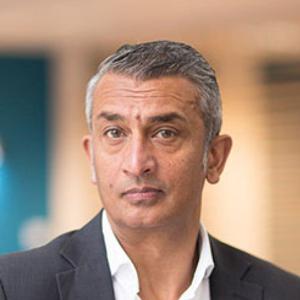

PMWC PIONEER AWARD
Honored for bringing nanopore long-read sequencing into clinical practice, enabling real-time whole-genome analysis (SVs, phasing, methylation) and faster results from sample to report
Ph.D., CEO and Co-Founder, Oxford Nanopore
Biography
CEO and co-founder of Oxford Nanopore Technologies, pioneering real-time, scalable DNARNA sequencing. With a PhD in bioelectronic technology, he ledthe company from spinout to global player, transforming genomics withportable sequencing devices. Sanghera champions accessible, decentralizedsequencing for research, healthcare, and public health worldwide.
Talk
Speaker Profile
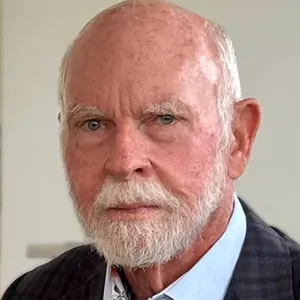
Ph.D., Founder, Chair, and Chief Executive Officer, J. Craig Venter Inst.
Biography
J. Craig Venter is a biologist renowned for his contributions in genomics including sequencing the first draft human genome, the first complete diploid human genome, and construction of the first synthetic bacterial cell. He and his teams current research programs include continued analysis of the human genome with a focus on the intersection of the genome and all physical characteristics and how this relates to disease and health; the human microbiome; synthetic biology advances; infectious disease; and discovering and understanding genetic diversity in the worlds oceans. Dr. Venter pioneered the notion of presymptomatic testing coupled with deep genomic sequencing to assess long term health of individuals. This was the basis for the formation of Human Longevity, Inc. He is currently embarking on a quest to utilize these same concepts but focused on a great area of unmet needwomens health, to build the first of its kind, for-profit, transformative womens health center. The center will encompass standard of care testing along with state of the art genomic and imaging powered by AI to deliver the best care to all women. Dr. Venter began his formal education after a tour of duty as a Navy Corpsman in Vietnam from 1967 to 1968. After earning both a Bachelor of Science in biochemistry and a PhD in physiology and pharmacology from the University of California San Diego, he was appointed professor at the State University of New York at Buffalo and the Roswell Park Cancer Institute. In 1984, he moved to the National Institutes of Health campus where he developed expressed sequence tags or ES Ts, a revolutionary new strategy for rapid gene discovery. In 1992, Dr. Venter founded The Institute for Genomic Research (TIGR, now part of JCVI), a not-for-profit research institute, where in 1995 he and his team decoded the genome of the first free-living organism, the bacterium Haemophilus influenzae, using the new whole genome shotgun technique. In 1998, Dr. Venter founded Celera Genomics to sequence the human genome using new tools and techniques he and his team developed. This research culminated with the February 2001 publication of the human genome in the journal, Science. He and his team at Celera also sequenced the fruit fly, mouse, and rat genomes. Dr. Venter is one of the most frequently cited scientists, and the author of more than 280 research articles. He is also the recipient of numerous honorary degrees, public honors, and scientific awards, including the 2008 United States National Medal of Science, the 2002 Gairdner Foundation International Award, the 2001 Paul Ehrlich and Ludwig Darmstaedter Prize, and the King Faisal International Award for Science. Dr. Venter is a member of numerous prestigious scientific organizations including the National Academy of Sciences, the National Academy of Medicine, the American Academy of Arts and Sciences, and the American Society for Microbiology. Dr. Venter is a serial entrepreneur who has co-founded several companies including Synthetic Genomics, Inc., (now Viridos), SGI DNA, (now Telesis Bio) and Human Longevity, Inc. (HLI). He is also the author of The Voyage of Sorcerer II: The Expedition That Unlocked the Secrets of the Oceans Microbiome (Harvard University Press, 2023), Life at the Speed of Light: From the Double Helix to the Dawn of Digital Life (Viking, 2013) and A Life Decoded: My Genome: My Life (Viking, 2007).
Speaker Profile
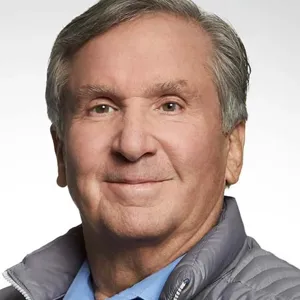

Ph.D., Founder, Kleiner Perkins
Biography
Brook Byers has been a venture capital investor since 1972. He has been closely involved with founders to help build more than 60 new science-based companies. He formed the first life sciences practice group in the venture capital profession in 1984 and led Kleiner Perkins to become a premier venture capital firm in the life sciences, healthcare and biotechnology sectors. Brook was the founding president and then chairman of four biotechnology companies that were incubated in Kleiner Perkins offices and went on to become public companies with an aggregate market value of more than US$8 billion. He currently serves on the board of directors of Arsenal Bio, Octave Bio, Newsela and Verana Health. Brook is a Lifetime Board Member of the University of California San Francisco Medical Center. He served on the Board of Trustees of Stanford University and the Georgia Tech Advisory Board. He received an Honorary PhD from Georgia Tech.
Speaker Profile


M.D., Ph.D., CEO and Founder, Phenome Health
Biography
A world-renowned scientist and recipient of the National Medal of Science in 2011, Dr. Leroy Hood co-founded the Institute for Systems Biology (ISB) in 2000 and served as its first President from 2000-2017. In 2021, he founded Phenome Health, a non-profit research organization dedicated to contributing solutions to the major challenges causing a crisis in healthcare. In September 2023, Dr. Hood joined the Buck Institute for Research on Aging as Chief Innovation Officer and Distinguished Professor. Dr. Hood is a member of the National Academy of Sciences, the National Academy of Engineering, and the National Academy of Medicine. Of the more than 6,000 scientists worldwide who belong to one or more of these academies, Dr. Hood is one of only 20 people elected to all three. He is also a member of the Inventors Hall of Fame for inventing automated DNA sequencing.
Speaker Profile
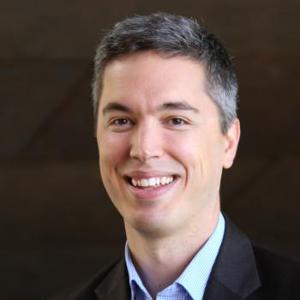

Ph.D., Professor of Pathology, Genetics and, by courtesy, Computer Science, Stanford
Biography
Dr. Stephen Montgomery is the Stanford Medicine Endowed Professor of Pathology and Professor of Genetics, Biomedical Data Science and, by courtesy, Computer Science at Stanford University. He leads a dynamic lab where his team blends functional genomics and sophisticated bioinformatics to unravel the molecular roots of genetic diseases. His research prominently features in numerous large-scale consortia, such as GT Ex and Mo TrPAC. Dr. Montgomery's laboratory is renowned for developing innovative transcriptome-based methods. These breakthroughs are pivotal for uncovering impactful rare variants in diverse groups, ranging from individuals and families to broader populations. His approaches are also unique in their ability to measure gene-by-environment interactions. His expertise extends to multi-omics studies of global populations showcasing his labs commitment to inclusive and diverse genomics research. Dr. Montgomery is a leader in the discovery and interpretation of rare variants using multiomics, and his work in building genomic databases for RNA diagnostics sets him apart in the field. He is also a key contributor to the integration of long-read sequencing and RNA sequencing for more accurate variant interpretation, a technique crucial in precision medicine.
Speaker Profile


Ph.D., Vice Dean of Research, U. of Oklahoma
Biography
Dr. Carlos Bustamante is one of the world’s leading experts in medical and population genetics with a career built at the intersection of genomics, data science, and precision health. He received his PhD in Biology and MS in Statistics from Harvard University and has held faculty positions at Cornell and Stanford, where he was founding Chair of Biomedical Data Science and helped shape large-scale genomic initiatives including the 1000 Genomes Project. His research has transformed understanding of human genetic variation and how it influences disease risk across diverse populations. A MacArthur Fellow, Bustamante has published over 250 scientific papers and advised both academic and commercial ventures in genomics technology. In 2025 he was appointed inaugural Vice Dean of Research at the University of Oklahoma College of Medicine, where he leads cross-disciplinary efforts to advance genomic medicine and innovation.
Speaker Profile
Ph.D., Chief, Analytic & Translational Genetics, MGH; Co-Director MPG, Broad Inst.
Biography
Mark Daly is an institute member and co-director of the Program in Medicaland Population Genetics at the Broad Institute of MIT and Harvard, where he leads many large-scale genome sequencing studies in autism and inflammatorybowel disease. He is also the founding chief of the Analytic and Translational Genetics Unit (A TGU) at Massachusetts General Hospital andassociate professor at the Harvard Medical School. His research hashistorically focused on the development and application of statisticalmethods for the discovery and interpretation of genetic variationresponsible for complex human disease, and with the creation of the A TGU, he and other core faculty are focused on the interpretation of genomesequence and the use of genome information in clinical settings. Daly wasappointed director of the Institute of Molecular Medicine Finland (FIMM) at the University of Helsinki from February of 2018 through April 2023 whilemaintaining his lab in Boston. After that, he returned to Boston full-timeand now maintains an affiliate position as a researcher at the University of Helsinki. FIMM is a translational research institute focusing on cancer, digital diagnostics, genetics, and epidemiology and is home to landmarkefforts such as the Finn Gen Project. In addition to developing computationaland statistical methods that can be broadly applied, Dalys group hasseveral primary medical genetics research foci. He has an extensiveresearch program in neuropsychiatric geneticsparticularly in autism, schizophrenia, and ADH Dand has led large-scale genome-wide associationstudies (GWAS) and exome sequencing efforts in this area. Dalys lab and Ben Neale's lab together serve as an analytic hub for the Psychiatric GWAS Consortium, an international consortium leading the largest collaborativeGWAS studies in five major psychiatric disorders. Daly also has alongstanding effort in the mapping of genes for Crohns disease andulcerative colitis, through which he helped found and lead an internationaleffort that has identified more than 150 genetic risk factors and, incollaboration with Ramnik Xaviers group, pursues the functionalinterpretation and clinical ramifications of these continued gene discoveryefforts. Along with Heidi Rehm, he is co-PI of the gnomAD project and iscommitted to ensuring the output of all A TGU genomic research is maximallyaccessible and useful to the clinical and research communities. Dalyreceived his B. S. in physics from MIT and his Ph. D. in human genetics from Leiden University, Netherlands.
Talk
Speaker Profile
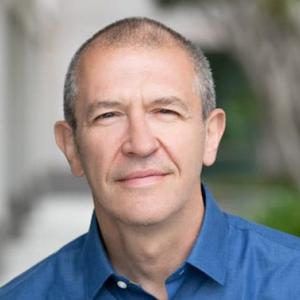

M.D., Executive Director Human Genetics, Genentech
Biography
Mark Mc Carthy is Executive Director of Human Genetics at Genentech, where he leads efforts within the company to use human genetics to advance the understanding of disease and further the development of novel therapeutic and preventative approaches. Prior to his move to the Bay Area in 2019, Mark was Robert Turner Professor of Diabetes Medicine at the University of Oxford. There, his research focused on genetic discovery in type 2 diabetes and related traits, and on using the causal insights derived from those analyses to drive biological inference and translational opportunities.
Speaker Profile
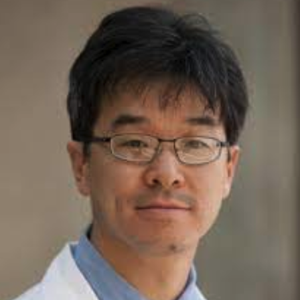

M.D., Professor of Medicine (Oncology), Stanford
Biography
Dr. Hanlee P. Ji is leveraging his expertise in oncology, genetics, andengineering to drive advancements in cancer research. His work integratesmolecular technology, computational methods, and genome biology to developtargeted therapies for gastrointestinal cancers and study genomicinstability. As a senior figure at the Stanford Genome Technology Center, Dr. Ji's research encompasses immunogenomics, kinase interactions fortargeted therapy, and innovative data storage using DNA technologies. He isalso involved in clinical trials and translational genomics, aiming tobring scientific discoveries from bench to bedside.
Speaker Profile
Ph.D., CEO and Co-Founder, Oxford Nanopore
Biography
CEO and co-founder of Oxford Nanopore Technologies, pioneering real-time, scalable DNARNA sequencing. With a PhD in bioelectronic technology, he ledthe company from spinout to global player, transforming genomics withportable sequencing devices. Sanghera champions accessible, decentralizedsequencing for research, healthcare, and public health worldwide.
Speaker Profile
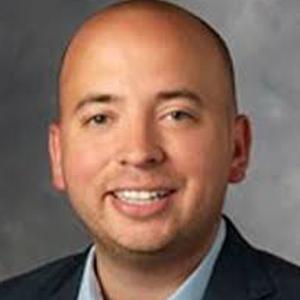
Ph.D., Assistant Professor, Stanford
Biography
Manuel is an Assistant Professor in the Department of Biomedical Data Science at Stanford University in Stanford, California. Manuel has a Bachelor of Science in Mathematics from the Massachusetts Institute of Technology, and a Doctor of Philosophy in Human Genetics from the Nuffield Department of Clinical Medicine at Oxford University where he was a Clarendon Scholar. He did additional training at the Broad Institute in Cambridge, Massachusetts where he led the Helmsley Inflammatory Bowel Disease Exome Sequencing Program to understand the genetic factors that contribute to ulcerative colitis and Crohns disease risk.
Speaker Profile
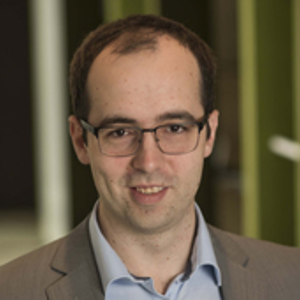

Ph.D., Vice President, AstraZeneca
Biography
Dr. Slavé Petrovski is a human geneticist by training with over 15 yearsexperience leading large-scale omics studies. In this time, Slavé hascontributed to shaping the field of contemporary population and statisticalgenomics, including introducing machine learningadvanced analytics toidentify numerous drug targets across a diverse range of diseases. Since2017, as the Vice President and Head of Astra Zenecas Centre for Genomics Research (CGR) Slavé is accountable for architecting and delivering thecompanys Genomics Initiative strategy. He has built in-house capabilitiesand expertise across key domains: Bioinformatics, Statistical Genetics, Innovative A IML methods, multi-omics, and clinical sciences. Applyingthese cross-disciplinary skills to large-scale omics datasets.
Speaker Profile
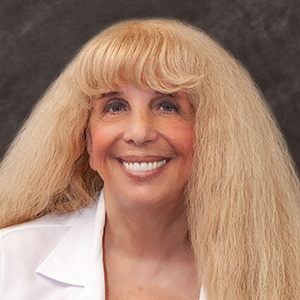
M.D., FACP, Center Associate Director, Professor, Medical College of Wisconsin
Biography
Dr. Kurzrock is a board certified medical oncologist and a renowned expert in precision medicine. She founded and built the world's largest Phase I clinical trial department while at MD Anderson Cancer Center. Dr. Kurzrock also founded the UCSD Center for Personalized Cancer Therapy and Rare Cancer Clinic, focusing on genomically driven therapy as well as precision immunotherapy, especially in rare cancers. Dr. Kurzrock brought the first transcriptomic precision study to the clinic in an international setting spanning five countries (WINTHER), as well as the first N-of-1 study of individually customized combination therapy (IPREDICT), potentially transforming precision oncology. Dr. Kurzrock received her MD from the University of Toronto, Canada. She has >1000 Pub Med publications, an H index of >150, and has been named to the list of most highly cited scientists in the world. She has overseen early development of multiple drugs that are now FDA approved.
Speaker Profile
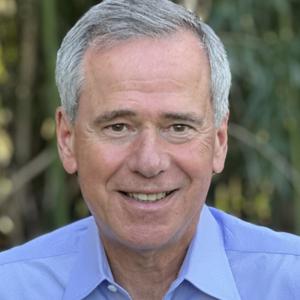

M.D., Operating Partner, Khosla Ventures
Biography
Hal Paz is an operating partner at Khosla Ventures and has served as a senior
executive and board member across healthcare providers, payers, and medical
technology companies. He previously served as Executive Vice President and Chief
Medical Officer of CVS Health/Aetna; Chancellor for Health Affairs and CEO of The
Ohio State University Wexner Medical Center; and CEO of Penn State Health and
Stony Brook University Medicine.
Dr. Paz currently serves on the boards of Envision Healthcare and Research!America
and previously served on the boards of Select Medical, USPI, Vyteris, the AAMC and
seven health systems. He advises Curai Health and has previously advised Johnson &
Johnson and USPI. He has also served on committees of the National Academy of
Medicine and the National Academies.
A former medical school dean, at Robert Wood Johnson and Penn State, and
physician–scientist, Dr. Paz has conducted research in sepsis, ARDS, and medical
devices and has authored more than 100 publications. He earned his BA and MD from
the University of Rochester and an MS in Life Science Engineering from Tufts
University, completed residency training at Northwestern University, and completed
fellowships at Johns Hopkins University in pulmonary and critical care medicine and
environmental health sciences.
Speaker Profile
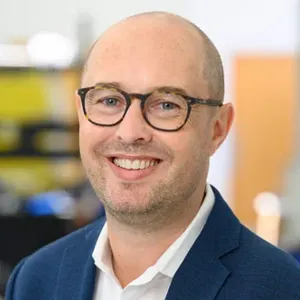
M.D., CEO, Nabsys
Biography
Barrett Bready, was founder of Nabsys and CEO from 2005 until 2014 and then again starting in October, 2015. He grew Nabsys from a single employee to 50 and raised $50 million in venture financing to support the companys growth. Barrett Bready is an adjunct professor at Brown University where he teaches Biotechnology Management, a course on thebusiness of biotechnology. He serves as a commissioner of the I-195 Redevelopment District Commission, a large land redevelopment project in downtown Providence with a focus on life sciences and other high technology sectors. He has received numerous awards including, in 2011, Rhode Island Innovator of the Year from Providence Business News. Barrett Bready received an M. D. and an Sc. B. in physics from Brown University, both as part of Browns Program in Liberal Medical Education (PLME).
Speaker Profile
Ph.D., Chief, Analytic & Translational Genetics, MGH; Co-Director MPG, Broad Inst.
Biography
Mark Daly is an institute member and co-director of the Program in Medicaland Population Genetics at the Broad Institute of MIT and Harvard, where he leads many large-scale genome sequencing studies in autism and inflammatorybowel disease. He is also the founding chief of the Analytic and Translational Genetics Unit (A TGU) at Massachusetts General Hospital andassociate professor at the Harvard Medical School. His research hashistorically focused on the development and application of statisticalmethods for the discovery and interpretation of genetic variationresponsible for complex human disease, and with the creation of the A TGU, he and other core faculty are focused on the interpretation of genomesequence and the use of genome information in clinical settings. Daly wasappointed director of the Institute of Molecular Medicine Finland (FIMM) at the University of Helsinki from February of 2018 through April 2023 whilemaintaining his lab in Boston. After that, he returned to Boston full-timeand now maintains an affiliate position as a researcher at the University of Helsinki. FIMM is a translational research institute focusing on cancer, digital diagnostics, genetics, and epidemiology and is home to landmarkefforts such as the Finn Gen Project. In addition to developing computationaland statistical methods that can be broadly applied, Dalys group hasseveral primary medical genetics research foci. He has an extensiveresearch program in neuropsychiatric geneticsparticularly in autism, schizophrenia, and ADH Dand has led large-scale genome-wide associationstudies (GWAS) and exome sequencing efforts in this area. Dalys lab and Ben Neale's lab together serve as an analytic hub for the Psychiatric GWAS Consortium, an international consortium leading the largest collaborativeGWAS studies in five major psychiatric disorders. Daly also has alongstanding effort in the mapping of genes for Crohns disease andulcerative colitis, through which he helped found and lead an internationaleffort that has identified more than 150 genetic risk factors and, incollaboration with Ramnik Xaviers group, pursues the functionalinterpretation and clinical ramifications of these continued gene discoveryefforts. Along with Heidi Rehm, he is co-PI of the gnomAD project and iscommitted to ensuring the output of all A TGU genomic research is maximallyaccessible and useful to the clinical and research communities. Dalyreceived his B. S. in physics from MIT and his Ph. D. in human genetics from Leiden University, Netherlands.
Speaker Profile
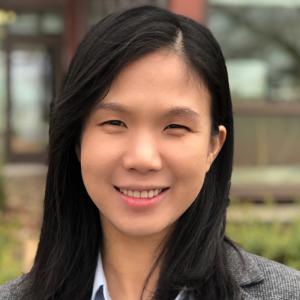
Ph.D., Assistant Professor, Broad Inst.
Biography
Wei is an Assistant Professor in the Center for Genomic Medicine at Massachusetts General Hospital and Associate member in the Stanley Center for Psychiatric Research at Broad Institute of MIT and Harvard. She is co-leading the Global Biobank Meta-analysis Initiative (GBMI). As a statistical geneticist, Wei's research has mainly focused on developing and applying statistical methods to investigate the underlying genetic basis of complex human diseases and traits by leveraging large-scale biobanks and data sets.
Speaker Profile
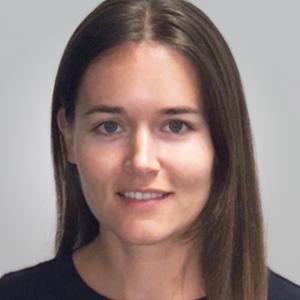

Ph.D., Assistant Professor, UC Berkeley/UCSC
Biography
Prof. Nilah Ioannidis has a joint appointment in EECS and the Center for Computational Biology (CCB). Her group works on computational methods to analyze and interpret personal genomes, including machine learning and deep learning methods to predict the clinical impact of genome variation and to model variation in gene expression and other molecular and cellular phenotypes. Dr. Ioannidis was previously a postdoctoral scholar in the Department of Biomedical Data Science at Stanford University, where she worked on several machine learning tools to predict the pathogenicity of single nucleotide variants, including the ensemble predictor REVEL for missense variants. During her PhD in Biophysics at Harvard University, she worked in the Department of Biological Engineering at MIT and developed methods to analyze the dynamics of intracellular particles using hidden Markov modeling and Bayesian inference. She also previously served as Research Director at the Jain Foundation, a non-profit foundation focused on the rare genetic disease dysferlinopathy.
Speaker Profile
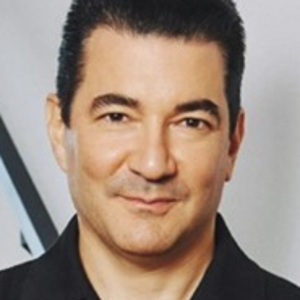

PMWC LUMINARY AWARD
Drove regulatory innovation that advanced real-world evidence, modernized pathways for targeted therapeutics and diagnostics, and accelerated the integration of genomics and data science into clinical care
M.D., Partner, New Enterprise Associates
Biography
Scott Gottlieb is a physician who served as the 23rd Commissioner of the U. S. Food and Drug Administration. He is currently a partner at New Enterprise Associates, and a senior fellow at the American Enterprise Institute. Dr. Gottlieb is a member of the board of directors for Pfizer, Inc., Illumina Inc., United Healh Group, and NEA portfolio companies Tempus Labs, Aetion, Comanche Biopharma, Xaira and National Resilience. In addition, he serves on the boards of directors of Wesleyan University and the Mount Sinai Health System. Previously, he served as the FD As Deputy Commissioner, a Senior Adviser to the Administrator of the Centers for Medicare and Medicaid Services. He is the author of the New York Times bestselling book Uncontrolled Spread: Why COVID-19 Crushed Us, and How We Can Defeat the Next Pandemic, and a regular contributor to CNBC and CBS News Face the Nation.
Talk
Speaker Profile
Ph.D., Assistant Professor, UC Berkeley/UCSC
Biography
Prof. Nilah Ioannidis has a joint appointment in EECS and the Center for Computational Biology (CCB). Her group works on computational methods to analyze and interpret personal genomes, including machine learning and deep learning methods to predict the clinical impact of genome variation and to model variation in gene expression and other molecular and cellular phenotypes. Dr. Ioannidis was previously a postdoctoral scholar in the Department of Biomedical Data Science at Stanford University, where she worked on several machine learning tools to predict the pathogenicity of single nucleotide variants, including the ensemble predictor REVEL for missense variants. During her PhD in Biophysics at Harvard University, she worked in the Department of Biological Engineering at MIT and developed methods to analyze the dynamics of intracellular particles using hidden Markov modeling and Bayesian inference. She also previously served as Research Director at the Jain Foundation, a non-profit foundation focused on the rare genetic disease dysferlinopathy.
Talk
Emerging Therapeutics Showcase:
Neosplice Therapeutics
Speaker Profile

M.D., Physician-in-Chief & Sr. VP City of Hope Orange County, City of Hope
Biography
Dr. Kim is physician-in-chief and senior vice president at City of Hope Orange County and vice physician-in-chief and professor at City of Hope National Medical Center. Dr. Kim is an international leader in lungcancer having published over 200 peer-reviewed articles in top tierjournals. He has previously served as an associate tenured professor at The University of Texas MD Anderson Cancer Center, Chair of Solid Tumor Oncology at Levine Cancer Institute, Atrium Health, and obtained his MB Aat the University of North Carolina Kenan-Flagler School of Business, Chapel Hill, NC.
Talk
Emerging Therapeutics Showcase:
Neosplice Therapeutics
Speaker Profile
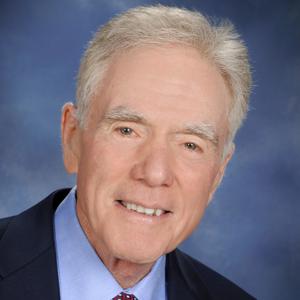

M.D., Chancellor Emeritus, Duke U.
Biography
Ralph Snyderman served as Chancellor for Health Affairs at Duke Universityfrom 1989 to July 2004, leading the transition of this excellent medicalcenter into an internationally recognized leader in academic medicine. He oversaw the development of the Duke University Health System and served asits first President and CEO. Dr. Snyderman has played a leading role in theconception and development of personalized healthcare, an evolving model ofnational healthcare delivery. He has been widely recognized for his contributions to the development of a more rational, effective, andcompassionate health care. He was among the first to envision andarticulate the need to shift the current focus of healthcare from treatingdisease events to personalized, proactive, and patient-centered care. The Association of American Medical Colleges has referred to Dr. Snyderman as the father of personalized medicine.
Talk
Emerging Therapeutics Showcase:
Neosplice Therapeutics
Speaker Profile
PMWC LUMINARY AWARD
Drove regulatory innovation that advanced real-world evidence, modernized pathways for targeted therapeutics and diagnostics, and accelerated the integration of genomics and data science into clinical care
M.D., Partner, New Enterprise Associates
Biography
Scott Gottlieb is a physician who served as the 23rd Commissioner of the U. S. Food and Drug Administration. He is currently a partner at New Enterprise Associates, and a senior fellow at the American Enterprise Institute. Dr. Gottlieb is a member of the board of directors for Pfizer, Inc., Illumina Inc., United Healh Group, and NEA portfolio companies Tempus Labs, Aetion, Comanche Biopharma, Xaira and National Resilience. In addition, he serves on the boards of directors of Wesleyan University and the Mount Sinai Health System. Previously, he served as the FD As Deputy Commissioner, a Senior Adviser to the Administrator of the Centers for Medicare and Medicaid Services. He is the author of the New York Times bestselling book Uncontrolled Spread: Why COVID-19 Crushed Us, and How We Can Defeat the Next Pandemic, and a regular contributor to CNBC and CBS News Face the Nation.
Talk
Emerging Therapeutics Showcase:
Neosplice Therapeutics
Speaker Profile
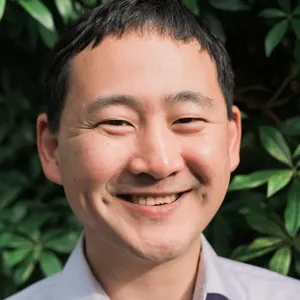

Ph.D., VP & Distinguished Scientist, Illumina
Biography
Dr. Kyle Farh is Vice President at Illuminas Artificial Intelligence (AI) Lab for Genome Interpretation, where he deciphers the clinical impact of genetic variants in rare and common diseases. Towards this goal, Kyle leads a multidisciplinary research team of deep learning scientists, statistical geneticists, and molecular biologists. Prior to joining Illumina, Kyle was an attending physician at Boston Childrens Hospital. Kyle completed his postdoc fellowship in Medical and Population Genetics at the Broad Institute, and received his PhD in Molecular Biology at MIT, MD at Harvard Medical School, and BS in Computer Science from Rice University.
Speaker Profile
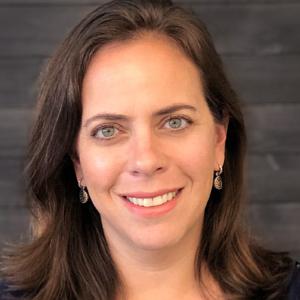

JD, Senior Vice President of External Affairs, Tempus
Biography
Lauren Silvis is Senior Vice President of External Affairs at Tempus, overseeing regulatory, policy, government affairs and strategic communications. She has held a number of senior career public health roles, including Senior Advisor at the Department of Health and Human Services, Chief of Staff of the Food and Drug Administration and Deputy Center Director for Policy in FDA’s Center for Devices and Radiological Health. She is a member of the National Institutes of Health Council of Councils. During her time in government, she advanced policies to promote innovation in precision medicine, real world evidence, clinical trials and digital health. Lauren serves as Board Vice Chair for the Personalized Medicine Coalition and was a founding member of the Real-World Evidence Alliance. Earlier in her career, she was a partner at the international law firm Sidley Austin LLP. Lauren graduated from Duke University and earned her law degree from Georgetown University Law Center.
Speaker Profile


Ph.D., Scientific Advisory Board Member, Galatea Bio
Biography
Dr. Kathleen C. Barnes is a genetic epidemiologist with expertise in multiple complex lung and inflammatory diseases. For ~30 years her population-based studies have focused on ethnically diverse, family-based and independent populations across the Americas, summarized in >230 publications. She has led multiple international multi-omics projects and is a founding PI in the NHLBI Trans-Omics for Precision Medicine (TOPMed) Project. Originally at Johns Hopkins University (1993-2015) then the University of Colorado (2015-present), she has procured >150K biospecimens from her own research laboratory, and high-throughput, cutting edge multi-omics technologies. She is founding Director of the Colorado Center for Personalized Medicine, was SVP of Population Genomics Health at Tempus Labs (2021-2023), and most recently led Population and Precision Health at Oxford Nanopore Technologies, focused on facilitating the transfer of precision health capabilities into clinical application.