Session Abstract – PMWC 2027 Silicon Valley

Speaker Profile


M.D., FACS, Associate Professor, Harvard
Biography
Daniel Faden, MD, FACS, is a head and neck cancer surgeon-scientist who leads an NIH-funded research program focused on leveraging next-generation molecular diagnostics to develop and apply liquid biopsy technologies for early cancer detection, minimal residual disease monitoring, and precision surveillance. He is an Associate Professor at Harvard Medical School where he is Principal Investigator in the Mike Toth Head and Neck Cancer Center, an attending surgeon in the Division of Head and Neck Surgical Oncology at Mass General Brigham Cancer Institute, and an Associate Scientist at the Broad Institute. His laboratory has a particular emphasis on HPV-associated cancers, where his team has pioneered HPV whole-genome sequencing assays to enable earlier diagnosis and more informed patient management. His work has helped shape modern approaches to HPV cancer care.
Speaker Profile

M.D., Ph.D., Associate Professor, Buck Inst.
Biography
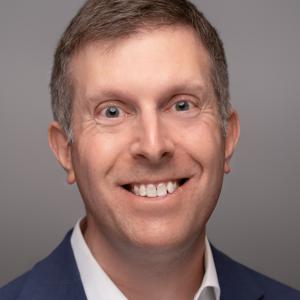
Dr. Newman is a geriatrician and physician-scientist at the Buck Institute for Research on Aging and in the Division of Geriatrics at the University of California San Francisco. His bench-to-bedside research program studies how the biology of aging can illuminate and inspire new therapies for complex geriatric syndromes such as delirium, frailty, and dementia. A key focus of his translational work is the application of ketone bodies as geroscience signaling metabolites. He is an NIA Beeson Scholar, thought leader in translational geroscience, and co-founder of the geroscience-focused Buck Institute Clinical Research Center. He is a graduate of Yale University, received his MD/PhD degree from the University of Washington, and completed his clinical training in internal medicine and geriatric medicine at the University of California San Francisco. His clinical work focuses on preventing delirium and functional decline among hospitalized older adults on inpatient geriatric medicine services.
Speaker Profile
PMWC LUMINARY AWARD
Advanced geroscience from aging biology to healthy longevity medicine
M.D., Director, NUS Academy for Healthy Longevity, National U. of Singapore
Biography
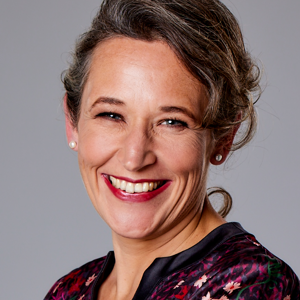
Andrea Maier is a leading figure in geroscience and healthy longevity medicine, termed precision geromedicine. Her work focuses on translating the biology of ageing into clinical practice to extend healthspan rather than prolong lifespan. She has led international cohort and intervention studies to understand ageing mechanisms and apply them to prevention and care.
Maier has shaped precision geromedicine as an organized field. She is the Founding President of the Healthy Longevity Medicine Society, Scientific Advisory Board member of the Biomarkers of Aging Consortium, and serves on the Board of the Academy for Health and Lifespan Research, placing her at the center of defining standards and direction for this emerging area.
She also builds the clinical infrastructure needed to move precision geromedicine to implementation, leading the Centre for Healthy Longevity at NUS and founding the NUS Academy for Healthy Longevity, making her a prominent voice connecting ageing biology and clinical medicine.
Talk
Speaker Profile
PMWC LUMINARY AWARD
Advanced metabolic regulation and healthy longevity from FDA approval to healthspan science
M.D., President, Kitalys Inst.
Biography
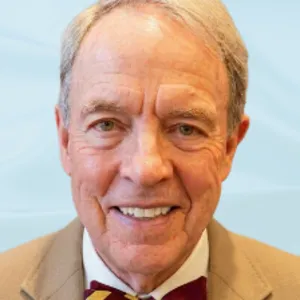
Alexander Fleming, M.D., is President and Co-Founder of the Kitalys Institute and founder and executive chairman of Kinexum, where he advises biotechnology companies on drug development and regulatory strategy. He spent 12 years at the U.S. Food and Drug Administration, serving in leadership roles overseeing metabolic and endocrine therapeutics. During that period, he helped guide reviews associated with landmark therapies including metformin, the first statin, insulin analogs, PPAR agonists, and growth hormone. Dr. Fleming has also contributed to international regulatory standards through initiatives involving FDA, the International Council for Harmonisation, and the World Health Organization. His current work focuses on healthy longevity and the interconnected metabolic drivers of chronic disease, a concept he has described as “metabesity.” He founded the Targeting Healthy Longevity conference to bring together researchers, clinicians, regulators, investors, and industry leaders working to translate aging biology and metabolic science into practical approaches for extending healthspan.
Speaker Profile

M.D., Director, Cedars Sinai
Biography
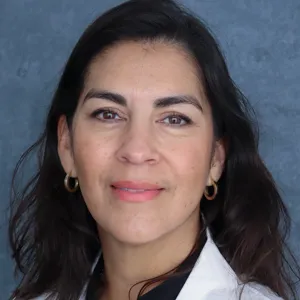
M.D., M.Sc., Professor of Medicine, Director, Center for Translational Geroscience, Co-Director, Los Angeles Claude D. Pepper Older Americans Independence Center
Speaker Profile

M.D., Director, Cedars-Sinai
Biography
M.D., M.Sc., Professor of Medicine, Director, Center for Translational Geroscience, Co-Director, Los Angeles Claude D. Pepper Older Americans Independence Center
Speaker Profile
Ph.D., Professor and Bioinformatics Core Director, Buck Inst.
Biography
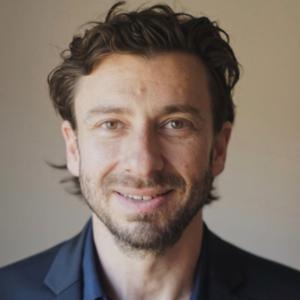
Dr. David Furman is an academic entrepreneur committed to addressing societal and scientific challenges within the human exposome, systems medicine, translational immunology, preventative healthcare, aging biology, and precision longevity. As the Director of the Stanford 1000 Immunomes Project (Stanford University) and Professor and Director of the Bioinformatics and Data Science Core (Buck Institute for Research on Aging), Dr. Furman leads research leveraging multi-scale biology ('omics') platforms and advanced AI/ML methodologies in human cohorts. With over 15 years of specialization in exposomic mechanisms leading to age-related chronic inflammation, his multi-domain expertise includes brain aging, cardiovascular health, metabolic disease and functional aging (decline in intrinsic capacity). Dr. Furman has published over 65 scientific articles in top-tier journals such as Cell, Nature Medicine, PNAS, The Lancet, and others, has collaborated with NASA and SpaceX, and is the inventor of over 20 patents.
Speaker Profile
M.D., Director, NUS Academy for Healthy Longevity, National U. of Singapore
Biography
Andrea Maier is a leading figure in geroscience and healthy longevity medicine, academically termed precision geromedicine. Her work has focused on translating the biology of ageing into clinical practice, with emphasis on developing evidence-based strategies to extend healthspan rather than simply prolong lifespan. She has led international cohort studies and intervention studies aimed at understanding ageing mechanisms and applying them to prevention and care.
Maier has shaped precision geromedicine as an organized field. She is the Founding President of the Healthy Longevity Medicine Society, Scientific Advisory Board member of the Biomarkers of Aging Consortium, and she serves on the Board of the Academy for Health and Lifespan Research, roles that place her at the center of efforts to define standards, evidence, and direction for this emerging area.
In addition to her academic leadership, she has worked to build the institutional and clinical infrastructure needed to move precision geromedicine from concept to implementation, including leadership of the Centre for Healthy Longevity at NUS and founding the NUS Academy for Healthy Longevity. Her work has made her one of the most visible international voices connecting ageing biology, clinical medicine, and real-world translational impact.
Speaker Profile
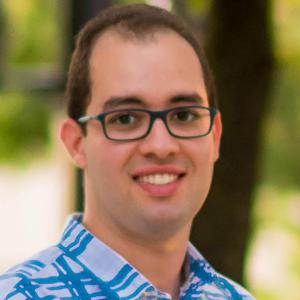

Ph.D., Staff Research Scientist, Google
Biography
Ahmed Metwally is a Staff Research Scientist at Google, where he leads the Metabolic Health AI research program. His research focuses on developing models that leverage large-scale physiological and behavioral data to enable the early detection and personalized treatment or prevention of cardiometabolic diseases. He completed his postdoctoral work in the Snyder Lab at Stanford University. He holds a Ph.D. in Biomedical Engineering and an M.S. in Computer Science, both from the University of Illinois at Chicago. He has over 80 publications in prestigious journals, including Nature and Science. He is a co-inventor on nine patents. Ahmed has received numerous honors, including the IEEE EMBS Rising Star Award, the Stanford RISE Award, and the NIH Predoctoral Translational Scientist Fellowship. He was recently elected VP of Conferences for IEEE EMBS. His research has been covered internationally by news outlets, including The New York Times.
Speaker Profile

M.D., CEO & President, Buck Inst.
Biography
Dr. Eric Verdin’s laboratory focuses on the role of epigenetic regulators in the aging process. His laboratory was the first to clone a family of enzymes, called HDACs, which regulate histone acetylation. Verdin studies how metabolism, diet and small molecules regulate the activity of HDACs and Sirtuins and thereby the aging process and its associated diseases, including Alzheimer’s. He has published more than 210 scientific papers and holds more than 15 patents. He is a highly cited scientist (top 1%) and has been recognized for his research with a Glenn Award for Research in Biological Mechanisms of Aging and a senior scholarship from the Ellison Medical Foundation. He is an elected member of several scientific organizations including the American Association for the Advancement of Science, the American Society for Clinical Investigation and the Association of American Physicians. He also serves on the Advisory Council of NIDA at the National Institutes of Health.
Speaker Profile
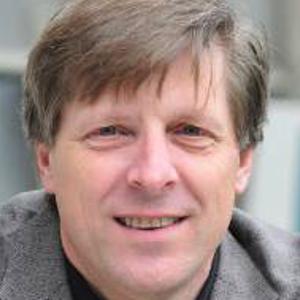
Ph.D., Director, Centre for Healthy Longevity, National U. of Singapore
Biography
Brian Kennedy, Ph.D., is Distinguished Professor of Biochemistry and Physiology at the National University of Singapore and Director of the Centre for Healthy Longevity at the National University Health System. His research examines the biological mechanisms that drive aging and how they can be targeted to extend healthspan and prevent age-related disease. His work has focused on conserved longevity pathways, including mTOR and sirtuin biology, and on translating geroscience into biomarkers, interventions, and human studies. Dr. Kennedy previously served as President and Chief Executive Officer of the Buck Institute for Research on Aging, where he helped expand the institute’s scientific programs and its role in the emerging field of geroscience. He earned his Ph.D. at MIT in the laboratory of Leonard Guarente. In Singapore, he leads multidisciplinary efforts connecting basic aging biology, clinical research, and preventive medicine, with an emphasis on developing measurable, evidence-based approaches to healthy longevity across diverse populations.
Speaker Profile
M.D., Director, NUS Academy for Healthy Longevity, National U. of Singapore
Biography
Andrea Maier is a leading figure in geroscience and healthy longevity medicine, academically termed precision geromedicine. Her work has focused on translating the biology of ageing into clinical practice, with emphasis on developing evidence-based strategies to extend healthspan rather than simply prolong lifespan. She has led international cohort studies and intervention studies aimed at understanding ageing mechanisms and applying them to prevention and care.
Maier has shaped precision geromedicine as an organized field. She is the Founding President of the Healthy Longevity Medicine Society, Scientific Advisory Board member of the Biomarkers of Aging Consortium, and she serves on the Board of the Academy for Health and Lifespan Research, roles that place her at the center of efforts to define standards, evidence, and direction for this emerging area.
In addition to her academic leadership, she has worked to build the institutional and clinical infrastructure needed to move precision geromedicine from concept to implementation, including leadership of the Centre for Healthy Longevity at NUS and founding the NUS Academy for Healthy Longevity. Her work has made her one of the most visible international voices connecting ageing biology, clinical medicine, and real-world translational impact.
Speaker Profile
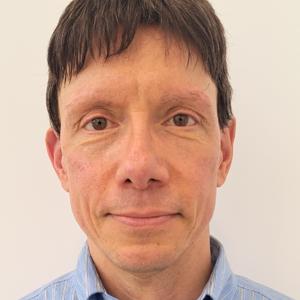

Ph.D., Professor, UCLA
Biography
Dr. Steve Horvath is a geroscientist and computational biologist best known for developing the epigenetic clock, a groundbreaking biomarker that measures biological aging based on DNA methylation patterns. His work has transformed aging research, enabling precise tracking of aging-related interventions and influencing diagnostics, longevity science, and precision medicine. Dr. Horvath has led key studies linking epigenetic age acceleration to disease risk and mortality, paving the way for potential anti-aging therapies. He has held leadership roles in major scientific initiatives and has received numerous honors, including election to the Academy for Health & Lifespan Research, as well as the Nathan W. Shock Award for aging research. His contributions continue to shape the future of aging and longevity research, with broad applications in medicine and biotechnology.
Speaker Profile
M.D., President, Kitalys Inst.
Biography
Alexander Fleming, M.D., is President and Co-Founder of the Kitalys Institute and founder and executive chairman of Kinexum, where he advises biotechnology companies on drug development and regulatory strategy. He spent 12 years at the U.S. Food and Drug Administration, serving in leadership roles overseeing metabolic and endocrine therapeutics. During that period, he helped guide reviews associated with landmark therapies including metformin, the first statin, insulin analogs, PPAR agonists, and growth hormone. Dr. Fleming has also contributed to international regulatory standards through initiatives involving FDA, the International Council for Harmonisation, and the World Health Organization. His current work focuses on healthy longevity and the interconnected metabolic drivers of chronic disease, a concept he has described as “metabesity.” He founded the Targeting Healthy Longevity conference to bring together researchers, clinicians, regulators, investors, and industry leaders working to translate aging biology and metabolic science into practical approaches for extending healthspan.
Speaker Profile
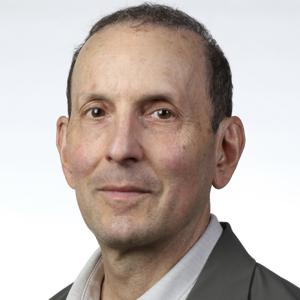
PMWC PIONEER AWARD
Pioneered GLP-1 and GLP-2 biology powering modern metabolic medicine
M.D., Senior investigator, Sinai Health System
Biography
Dr. Daniel Drucker's lab is internationally renowned not only for his research, but as an environment where the clinical relevance of scientific breakthroughs is pursued. In his lab, Dr. Drucker studies the action of peptide hormones that regulate multiple aspects of metabolism. His lab has carried out basic science supporting the development of two new classes of therapies for the treatment of type 2 diabetes, new medicines for obesity and a new therapy for patients with short bowel syndrome requiring parenteral nutrition.
Dr. Drucker studies a family of hormones produced in the pancreas, gastrointestinal tract and brain. Controlling blood glucose and insulin secretion, these hormones also regulate our appetite, the absorption of nutrients from the food we eat, and the conversion of those nutrients to energy. GLP-1 medicines also reduce inflammation, and decreases rates of cardiovascular, kidney and liver disease, improving outcomes for millions of people worldwide.
Talk
The expanding universe of GLP- medicines
Modern GLP-1 medicines improve multiple health outcomes, often independent of weight loss. This lecture highlights the mechanisms of GLP-1 action that reverse organ dysfunction and reduce the complications of cardiometabolic disease
Speaker Profile
Ph.D., Professor, Department of Genetics, Stanford
Biography
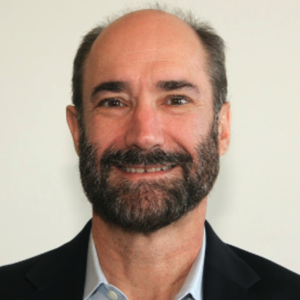
Michael Snyder is the Stanford W. Ascherman Professor and the Director of the Stanford Center of Genomics and Personalized Medicine. As a pioneer of Precision Medicine, Dr. Snyder has invented many technologies enabling the 21st century of healthcare including systems biology, RNA sequencing, and protein chip. Dr. Snyder has initiated the Big Data approach to healthcare through his work using omics to detect early-stage disease, including wearables to detect infectious diseases like COVID-19, and at-home microsampling to measure hundreds of molecules from a single drop of blood. He is the first researcher to gather petabytes of data on individuals, which is 1 million - 1 trillion times more data than the average clinician collects. He has published over 900 papers and is one of the most cited scientists. In terms of commercial success, Dr. Snyder has co-founded 17 companies (including 2 unicorns) with combined enterprise value of over $6 billion.
Speaker Profile
M.D., Director, Institute for Aging Research; President, Academy for Health and Lifespan Research., Albert Einstein College of Medicine
Biography
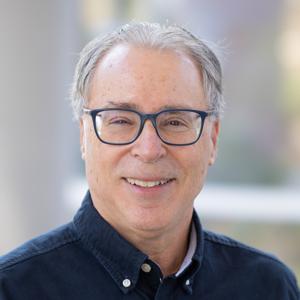
Dr. Nir Barzilai is a preeminent leader in geroscience, demonstrating in his studies that aging has its own biology that drives age-related diseases, a process that can be targeted. At Albert Einstein College of Medicine, he is a professor in the departments of Medicine and Genetics, the director of the Institute for Aging Research, and the director of the Einstein-National Institutes of Health (NIH) Nathan Shock Center of Excellence in the Basic Biology of Aging, and the author of more than 350 papers. He made seminal discoveries in extending the health and lifespan of animals and discovering pathways for exceptional longevity in humans. He is leading an international effort to approve drugs targeting aging. Targeting Aging with Metformin (TAME) is a specific study conceived by Dr. Barzilai to prove that a single drug can combat multiple diseases associated with aging and get FDA approval for targeting aging. Dr. Barzilai is a co- founder and the President of A HLS. He is also on the board of directors of the American Federation for Aging Research, where he co-leads its biomarker effort (FAST), TAME, and Super Agers initiative. He is an Executive of the Longevity Biotech Association (LBA) and serves on the Healthy Longevity Medicine Society council. He authored Age Later: Health Span, Life Span, and the New Science of Longevity.
Speaker Profile
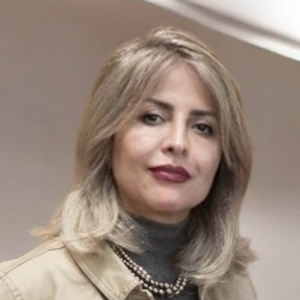
Ph.D., PHARMD, Assistant Professor, Amsterdam UMC
Biography
Fariba Ahmadizar is an epidemiologist working at the forefront of diabetes precision medicine and cardiometabolic research. Her work integrates multi-omics data, including genomics and metabolomics, with clinical, environmental, and pharmacological information to identify biomarkers that improve risk prediction, prevention, and treatment strategies in diabetes and related disorders. She leads multiple international research initiatives investigating the role of glucose dysregulation and glycemic variability in cognitive decline and dementia, advancing understanding of metabolic drivers of brain health.
Her research applies advanced epidemiological and data-driven methods to real-world and multi-omics datasets to generate clinically actionable insights for precision medicine. She serves as principal investigator in several national and international consortia and is actively involved in academic teaching, scientific coordination, and mentorship.
Her work bridges epidemiology, molecular data science, and clinical practice to advance personalized approaches to diabetes care, cardiometabolic disease prevention, and cognitive health.
Speaker Profile
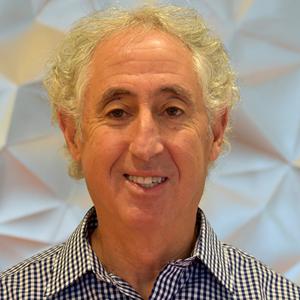

M.D., VP, Regeneron
Biography
A leading international expert and researcher in precision medicine, Dr. Shuldiner focuses on the genetics of age-related diseases, including of type 2 diabetes, obesity, osteoporosis, and cardiovascular disease. He is best known for his studies involving Old Order Amish, a homogeneous population ideal for genetic studies. Dr. Shuldiner serves as vice president at the Regeneron Genetics Center, a program that focuses on large-scale genomics in diverse populations to facility drug development and precision medicine. He also serves as professor, part-time at the University of Maryland School of Medicine where he leads programs to advance genetic discoveries into clinical settings.
Speaker Profile
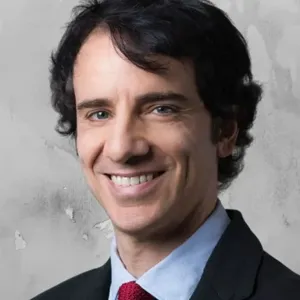

Ph.D., CO-Founder & CSO, Rubedo Life Sciences
Biography
Marco Quarta, PhD, is a scientist, biotechnology executive, and entrepreneur advancing precision medicine for aging and age-related disease. He is the founding CEO and current Chief Scientific Officer of Rubedo Life Sciences, where he leads the development of first-in-class therapeutics that selectively target pathological senescent cells and restore tissue homeostasis.
From 2008 to 2018, Dr. Quarta led translational research at Stanford University and the VA Palo Alto Center for Tissue Regeneration, Repair, and Restoration, integrating stem cell biology, regenerative medicine, biomarker discovery, and clinical translation. He has authored more than 40 peer-reviewed publications and patents across aging biology, cellular rejuvenation, and tissue repair.
Dr. Quarta also co-founded Turn Biotechnologies, Wetware Concepts, and YEBN. He serves on advisory boards for CIRM’s Cal Poly Bridge Program and the Center for Healthcare Innovation, and is President and co-founder of the Phaedon Institute, advancing longevity medicine through cross-sector collaboration and data-driven approaches to healthy human longevity worldwide.
Speaker Profile
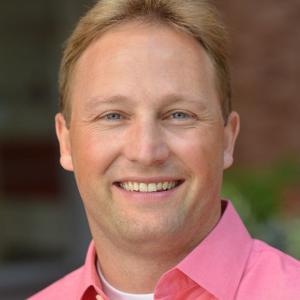
Ph.D., Director, UCLA
Biography
Dr. George Slavich is a seasoned leader in science and integrative health care with 29 years of experience working in major academic medical centers. He is a leading authority in the conceptualization, assessment, and management of life stress; in psychological and biological mechanisms linking stress with mental and physical health; and in systems and policies for reducing population-level health disparities and achieving greater health equity by addressing stress-related factors at the individual and collective level. As the 9th most-cited researcher in the field of psychoneuroimmunology and the most-cited researcher in social genomics, Dr. Slavich developed the first online system for assessing lifetime stressor exposure; formulated the first fully integrated, multi-level theory of depression; and is helping pioneer a new field of research called human social genomics, which is revealing how social experiences reach deep inside the body to affect the human genome and health. His recent research focuses on Social Safety Theory, which describes how individual- and community-level experiences of social safety and threat influence the brain and immune system to affect human health, wellbeing, aging, and behavior across the lifespan. This translational work on the psychoneuroimmunology of stress, health, and resilience has been published in many leading journals including Nature Medicine, Nature Communications, Nature Mental Health, JAMA Psychiatry, JAMA Health Forum, Molecular Psychiatry, PNAS, Psychological Bulletin, and the Annual Review of Clinical Psychology, among others.
In addition to these research efforts, Dr. Slavich is deeply devoted to teaching and mentoring, and to helping develop the next generation of leaders in psychiatry, population health, psychology, and medicine. He has mentored more than 185 pre- and post-doctoral trainees, and over the past three years, each has won the highly coveted UCLA Chancellor’s Award for Postdoctoral Research out of the more than 1,400 post-doctoral fellows at UCLA (Daniel Moriarity, 2023; Summer Mengelkoch, 2024; Jenna Alley, 2025). Early in his career, Dr. Slavich founded the Stanford Undergraduate Psychology Conference, Western Psychological Association Student Council, and Society of Clinical Psychology’s Section on Graduate Students and Early Career Psychologists. More recently, he has developed a new approach to classroom instruction called transformational teaching and has written numerous articles on professional development issues in science. He has received 18 awards for these contributions since 2009, including the Neal E. Miller New Investigator Award from the Academy of Behavioral Medicine Research, Herbert Weiner Early Career Award from the American Psychosomatic Society, Susan Nolen-Hoeksema Early Career Research Award from the Society for a Science of Clinical Psychology, and Raymond D. Fowler Award for Outstanding Contribution to the Professional Development of Graduate Students from the American Psychological Association. Dr. Slavich was selected as a Beck Institute Scholar, at the Beck Institute for Cognitive Therapy and Research, from 2008-2009, and was a prestigious Society in Science Branco Weiss Fellow from 2008-2013.
Speaker Profile
Ph.D., Professor, Department of Genetics, Stanford
Biography
Michael Snyder is the Stanford W. Ascherman Professor and the Director of the Stanford Center of Genomics and Personalized Medicine. As a pioneer of Precision Medicine, Dr. Snyder has invented many technologies enabling the 21st century of healthcare including systems biology, RNA sequencing, and protein chip. Dr. Snyder has initiated the Big Data approach to healthcare through his work using omics to detect early-stage disease, including wearables to detect infectious diseases like COVID-19, and at-home microsampling to measure hundreds of molecules from a single drop of blood. He is the first researcher to gather petabytes of data on individuals, which is 1 million - 1 trillion times more data than the average clinician collects. He has published over 900 papers and is one of the most cited scientists. In terms of commercial success, Dr. Snyder has co-founded 17 companies (including 2 unicorns) with combined enterprise value of over $6 billion.
Speaker Profile
M.D., Director, Institute for Aging Research; President, Academy for Health and Lifespan Research., Albert Einstein College of Medicine
Biography
Dr. Nir Barzilai is a preeminent leader in geroscience, demonstrating in his studies that aging has its own biology that drives age-related diseases, a process that can be targeted. At Albert Einstein College of Medicine, he is a professor in the departments of Medicine and Genetics, the director of the Institute for Aging Research, and the director of the Einstein-National Institutes of Health (NIH) Nathan Shock Center of Excellence in the Basic Biology of Aging, and the author of more than 350 papers. He made seminal discoveries in extending the health and lifespan of animals and discovering pathways for exceptional longevity in humans. He is leading an international effort to approve drugs targeting aging. Targeting Aging with Metformin (TAME) is a specific study conceived by Dr. Barzilai to prove that a single drug can combat multiple diseases associated with aging and get FDA approval for targeting aging. Dr. Barzilai is a co- founder and the President of A HLS. He is also on the board of directors of the American Federation for Aging Research, where he co-leads its biomarker effort (FAST), TAME, and Super Agers initiative. He is an Executive of the Longevity Biotech Association (LBA) and serves on the Healthy Longevity Medicine Society council. He authored Age Later: Health Span, Life Span, and the New Science of Longevity.
Speaker Profile
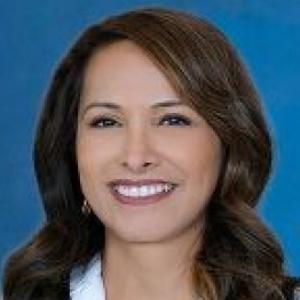
M.D., Ph.D., Associate Vice Chancellor for Integrative Health, UCI
Biography
Shaista Malik is a tenured professor in the UC Irvine division of cardiology, department of medicine. Dr. Malik specializes in integrative health and uses a whole-person approach using all modalities of care and a personalized approach that can achieve optimal health and healing.
Dr. Malik was named the 2025 American Heart Association’s Go Red for Women Orange County Woman of Impact. In addition, in September 2024, Dr. Malik received the Vision and Leadership Award from Octane, a convening organization for Southern California technology and medical technology businesses, for her work in reshaping the future of healthcare and innovating a whole-person approach to care at an enterprise level.
Speaker Profile

Ph.D., Founder, CEO, Endless Health
Biography
Cooper Galvin, Ph.D., is Co-Founder and Chief Executive Officer of Endless Health, a precision-health company using advanced molecular testing and personalized coaching to help individuals understand and improve cardiometabolic risk. A biophysicist and entrepreneur, he has worked across biotechnology, population health, and healthcare strategy, with a focus on translating complex biological measurements into decisions that people can use. Dr. Galvin earned a Ph.D. in Molecular Biophysics at Stanford University and an M.S. in Bioengineering from Stanford Engineering. He previously worked at McKinsey & Company and has also conducted population-health research. His entrepreneurial work includes Endless Health and related diagnostic initiatives designed to make high-information testing more accessible outside traditional specialty care. Dr. Galvin’s interests span molecular assays, preventive medicine, longitudinal health data, and the design of consumer-facing systems that connect measurement with behavior and clinical follow-up. His work reflects a broader effort to shift precision medicine upstream, from treating established disease toward earlier risk identification and prevention.
Speaker Profile

M.D., Ph.D., Professor, Vanderbilt U. Medical Ctr.
Biography
Dr. Bick is a physician-scientist working in the field of human genomics. His scientific observations have advanced our understanding of the genetic basis for cardiovascular disease, characterized molecular disease mechanisms and identified both the promise and limitations of translating genomic findings into routine medical practice. He has a particular interest in understanding how the interplay between inherited germline genetic factors and acquired somatic mutations contributes to disease. His approach has been highly collaborative and multidisciplinary – combining human genomics and statistical genetics with in-vitro and in-vivo characterization of model systems and human samples.
Dr Bick’s current scientific focus is on clonal hematopoiesis, a unifying feature of aging diseases as diverse as cardiovascular disease and cancer. He has recently demonstrated that clonal hematopoiesis is virtually absent in adults under 40, but found in >10% of adults over 70 and confers a 10-fold increased risk of blood cancers, 2-fold increased risk of heart attack and 1.5-fold increased risk of death. Dr. Bick is focused on identifying the causes and consequences of clonal hematopoiesis with a goal of developing new treatments targeting clonal hematopoiesis.
In parallel with his research, Dr. Bick completed clinical training in Internal Medicine at Massachusetts General Hospital with a specialization in genomic medicine. He looks forward to seeing patients in the Vanderbilt Genomics and Therapeutics Clinic and aims to translate what is learned from his research studies back to the care of his patients.
Speaker Profile

Ph.D., Lead, Apple
Biography
Ali Moin is a machine learning research lead at Apple, with experience developing and leading AI efforts across wearable health, biosignal sensing, and foundation models. He earned his Ph.D. in Electrical Engineering and Computer Sciences from UC Berkeley in 2019, where his research focused on machine learning for human physiology and wearable devices and resulted in a highly cited paper in Nature Electronics on adaptive on-device AI for physiological sensing. At Apple, he has led teams of researchers and engineers developing wearable AI technologies at consumer scale and has contributed to LLM post-training, AI safety, and responsible AI.
Speaker Profile


M.D., CEO and Co-Founder, Inmedix
Biography
Andrew Holman is a clinical rheumatologist who discovered and published the role of dopamine agonists (Parkinson's disease medications) as a leading treatment for fibromyalgia (FM). This work, combined with the immunology training of rheumatology, led to exploration of how stress impacts autoimmune disease onset, activity, treatment response and potential remission. The concept is called immuno-autonomics and it is revolutionizing how doctors address stress biology, first in autoimmune disease, and next, in other diseases adversely impacted by stress.
Talk
Clinical & Research Tools Showcase:
Invivoscribe, Inc.
CloudHRV from Seattle-based Inmedix is FDA-cleared, reimbursed, 5-min, next-generation heart rate variability (HRV) in the clinic on a high-fidelity ECG platform. It is first and only to bring discrete indices of sympathetic (fight-or-flight) and parasympathetic (rest/restorative) state to the clinic as a missing vital sign.