















Chat with us, powered by LiveChat

PROGRAM

CO-HOSTS
Largest & Original Forum for Precision Medicine
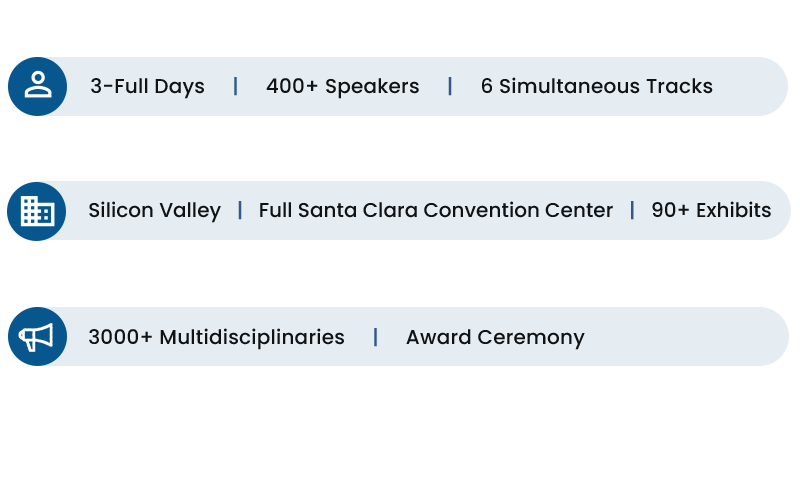
12-Track, 3-Day, Leading Precision Medicine Agenda
Facilitating Collaboration in the Field of Personalized Patient Care
12-Track, 3-Day, Leading Precision Medicine Agenda
The Largest & Original (Est. 2009) Forum for Precision Medicine
Facilitating Collaboration in the Field of Personalized Patient Care
The Largest & Original (Est. 2009) Forum for Precision Medicine
12-Track, 3-Day, Leading Precision Medicine Agenda
Facilitating Collaboration in the Field of Personalized Patient Care
12-Track, 3-Day, Leading Precision Medicine Agenda
The Largest & Original (Est. 2009) Forum for Precision Medicine
Facilitating Collaboration in the Field of Personalized Patient Care
The Largest & Original (Est. 2009) Forum for Precision Medicine
12-Track, 3-Day, Leading Precision Medicine Agenda
The Largest & Original (Est. 2009) Forum for Precision Medicine
12-Track, 3-Day, Leading Precision Medicine Agenda
Facilitating Collaboration in the Field of Personalized Patient Care
12-Track, 3-Day, 400-Speaker Precision Medicine Agenda

SPEAKERS / HONOREES

2026 -Select:

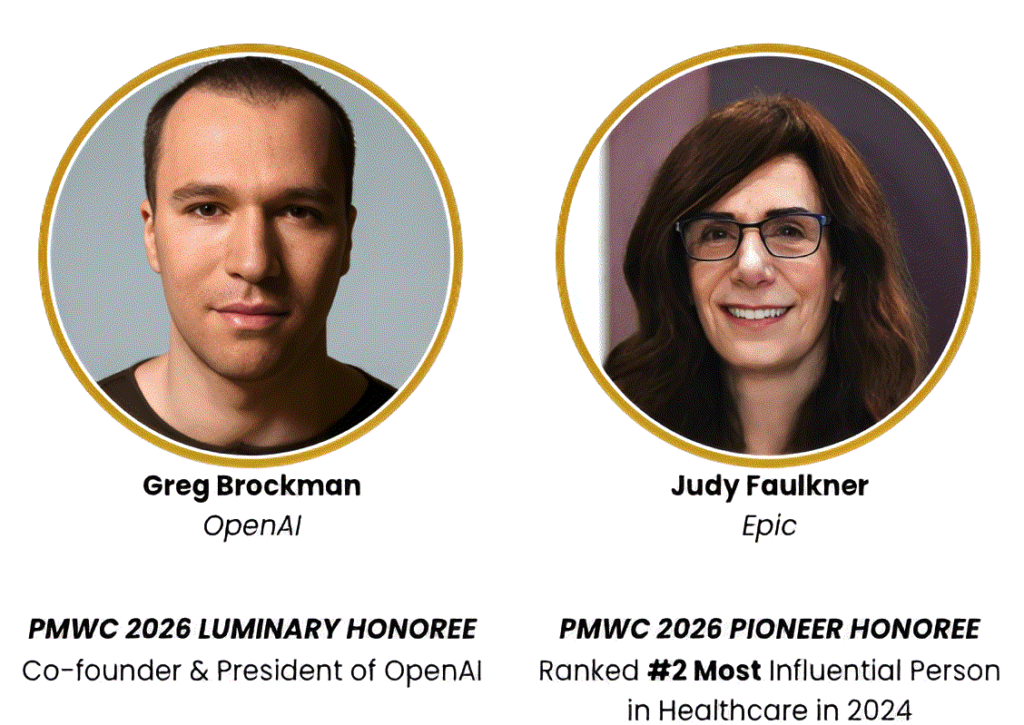
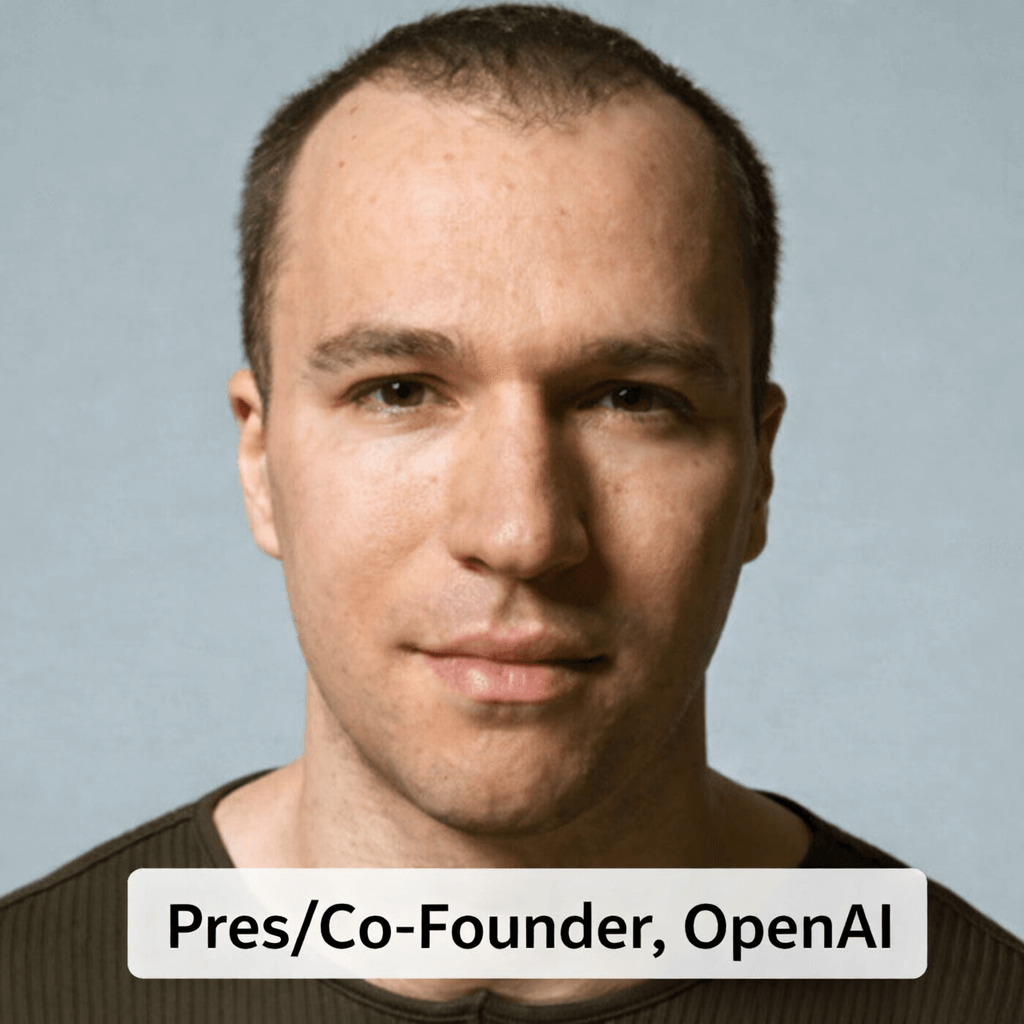
PMWC 2026 LUMINARY HONOREE
Co-founder & President of OpenAI
PMWC 2026 PIONEER HONOREE
Ranked #2 Most Influential Person in Healthcare in 2024
PMWC 2026 PIONEER HONOREE
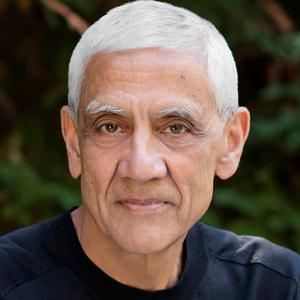
Co-Founder of Apple
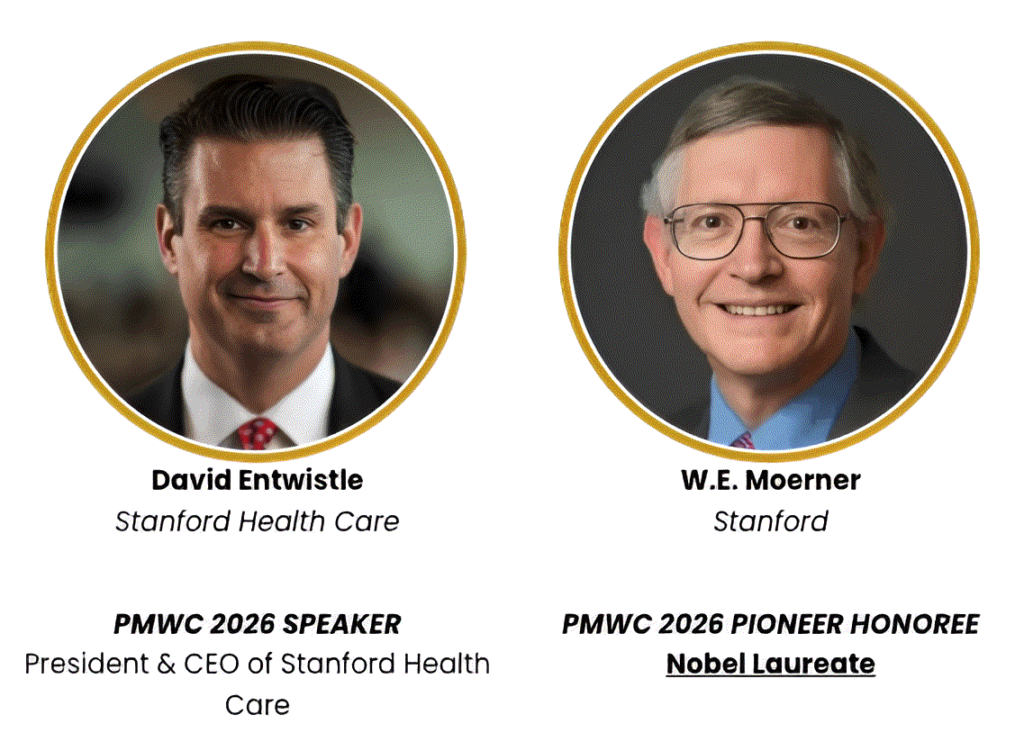
PMWC 2026 SPEAKER
*2025 Nobel Laureate
PMWC 2026 PIONEER HONOREE
*Nobel Laureate
PMWC 2026 SPEAKER
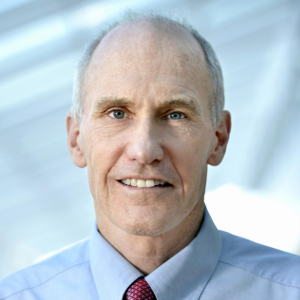
President & CEO of Stanford Health Care
PMWC 2026 LUMINARY HONOREE
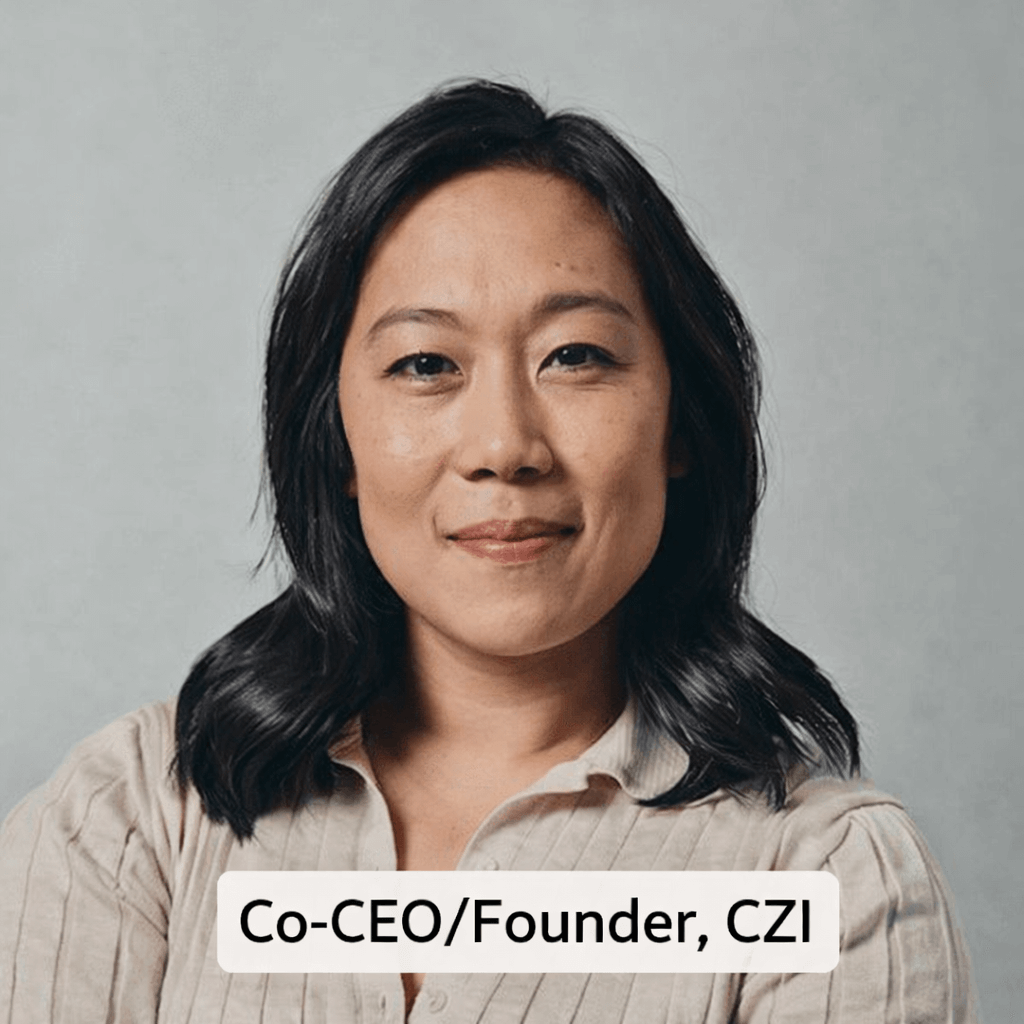
Co-founder & Co-CEO of Chan Zuckerberg Initiative
PMWC 2026 SPEAKER
UNEP Entrepreneurial Vision Laureate
PMWC 2026 SPEAKER
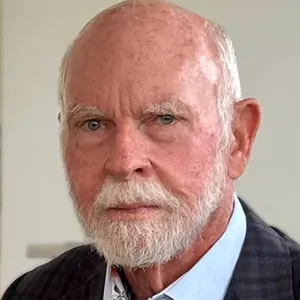
Led the First Human Genome Sequencing
PMWC 2026 SPEAKER
Pioneered automated DNA sequencing and systems biology
PMWC 2026 SPEAKER
*2024 Breakthrough Prize Laureate (Life Sciences)
PMWC 2026 PIONEER HONOREE
TIME 100; NIH Director’s Pioneer Award (Life Sciences)
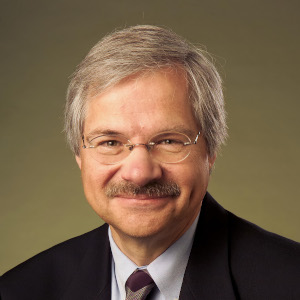
John J. Sninsky portrait

JOHN J SNINSKY MOLECULAR STETHOSCOPE

PMWC provides a different type of meeting than nearly all others. The breadth and depth of information and selected timely topics focused on Precision Medicine combined with succinct presentations with commercial perspective is unique.
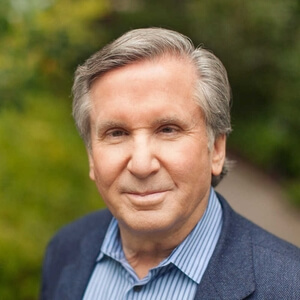
Brook Byers portrait

BROOK BYERS PRECISION MEDICINE PIONEER

PMWC is one of the best conferences I’ve attended in MANY, MANY years.
Watch Testimonial Video
Leroy (Lee) Hood portrait

LEE HOOD PHENOME HEALTH

PMWC has proven, time and time again, that it attracts thought-leaders from all the relevant fields and catalyzes crucial collaboration through inspiring and practical program content.

15-MINUTE PRESENTATIONS

AUDIENCE: UP TO 200 INVESTORS, POTENTIAL CLIENTS AND PARTNERS

Cut Off by JAN. 13 !

New AI networking

Meet the right Speakers & Attendees

AI Match

Smart networking suggestions

In the networking hub, AI Match recommends high-value people and companies to meet across 2,500+ PMWC attendees.

  • Suggested intros based on your role and focus areas
  • Companies and investors to prioritize onsite
🔍
AI Search

Ask across PMWC data

Use natural language to search attendees, exhibitors and speakers in one place (e.g. “liquid biopsy startups from Europe”).

  • Target by disease area, modality, region or role
  • Surface people, companies and relevant speakers
0

Days

Attendees

0

Exhibitors

0

Track Themes

Explore the 2026 program by track

12 Tracks / core topic areas. Four parallel stages over three days.

REGISTRATION

Tickets to PMWC - Est. 2009

Loading
Sale ends
Loading
Loading Waiver
$0.00
Loading Waiver
Addon Price:
$0.00
+1 Extra Ticket:
$0.00
$0.00

Ticket Rate $0.00 $0.00 $0.00 $0.00

Credit card entry
visa
Place Order & Next Step
This is an error.

PMWC Overview

PMWC, the “Precision Medicine World Conference” is the largest & original annual conference dedicated to precision medicine. PMWC’s mission is to bring together recognized leaders, top global researchers and medical professionals, and innovators across healthcare and biotechnology sectors to showcase practical content that helps close the knowledge gap between different sectors, thereby catalyzing cross-functional fertilization & collaboration in an effort to accelerate the development and spread of precision medicine.

Since 2009, recognized as a vital cornerstone for all constituents of the health care and biotechnology community, PMWC provides an exceptional forum for the exchange of information about the latest advances in technology (e.g. DNA sequencing technology), in clinical implementation (e.g. cancer and beyond), research, and in all aspects related to the regulatory and reimbursement sectors.

AI MATCH

AI USES YOUR PROFILE TO MATCH YOU TO THOSE MOST OF INTEREST TO YOU

NEW AI MATCHING AND AI SEARCH ON THE NETWORKING PLATFORM

AI SEARCH

TYPE ANYTHING...
CMOs biotech west coast pharma decision makers clinical dev mid-cap pharma investors series b dx BD leads pharma founders AI startups oncology dir. hospitals CIO health system NE USA RWE heads pharma payers lab directors product leads mid-cap AI heads academia CDMO partners digital health leader SE USA precision oncology chiefs
AND AI SHOWS THEM

Format

The conference format consists of five parallel talks spanning 3 full days. Main Tracks 1-4 include sessions by leaders in the commercial, pharmaceutical, academic, government, regulatory, venture capital, and non-profit arenas that deliver a broad and up-to-date array of content across the various facets of precision medicine. Session discussions focus on time-relevant aspects with a selected set of key stakeholders, while commercial sessions cover the latest developments in technologies that are instrumental for the success of further adoption of precision medicine.

Additional 2 Tracks, feature Showcases: companies and research institutions can promote their platforms, launch products, and share research developments to a targeted audience – Apply.

For over a decade, PMWC has recognized individuals who have played a significant role in transforming health care by advancing precision medicine in the clinic with the Luminary and Pioneer Awards. The honorees’ numerous technological and scientific contributions have expedited this transformation as demonstrated by the clinical adoption of precision medicine, and the ongoing introductions of novel clinical applications. For a deeper look into the fascinating achievements of our past awardees see the awards page.

Receive the latest news about the field of precision medicine, and the conference from Tal Behar, PMWC’s President:

Interview with Track Chair: Edward S. Kim, MD, City of Hope

Interview with PMWC 2026 Track Chair: Edward S. Kim, MD, City of Hope

Edward S. Kim, MD, Vice Physician-in-Chief, City of Hope National Medical Center; System Director, Clinical Trials, City of Hope

Track Chair: Systems Integration & Variant Interpretation
Topic: A national clinical trials model that expands access and accelerates enrollment

PMWC 2026 Track Chair Systems Integration & Variant Interpretation

1

The Model: One Hub, Many Sites

City of Hope’s approach is built around a centralized operational hub that can activate and run trials across a distributed, national footprint.

Q1 What’s the innovation in your national clinical trials model?
A: One centralized hub supports multiple research locations across the U.S., so we can open a trial in multiple states simultaneously and manage operations from a single team.
Q2 What changes operationally vs. traditional models?
A: Traditional models are site by site and slow. Ours is a distributed, digitally connected network with centralized activation, oversight, and support, built to scale rapidly without overhauling core systems.

2

Why Patients Care: Access That Reaches Them

Speed matters, but access matters more. The network is designed to bring trial options closer to home, especially for communities that are typically left out.

Q3 Why does this matter for patients?
A: It expands access to emerging, life saving treatments closer to home, especially for communities that typically don’t have trial options.
Q4 What’s the “North Star”?
A: “Offer all our patients, regardless of where they live, the opportunity to participate in clinical trials”, bringing promising options earlier than standard care.

3

Speed, Scale, and What Runs on the Network

Centralization is not just organizational, it changes the timeline: activation, enrollment, and execution can move faster across a wide geographic footprint.

Q5 How does this affect enrollment speed and volume?
A: The operational efficiency of the centralized model reduces time to first patient, increases enrollment, and keeps trials moving across a wide geographic footprint.
Q6 What kinds of studies run on this network?
A: NIH sponsored, industry sponsored, and investigator initiated trials, including City of Hope developed investigational medicines.

4

Consistency, Differentiation, and What’s Next

A national footprint only works if quality is consistent. This model is built to standardize execution while expanding reach and portfolio breadth.

Q7 How do you keep quality and expertise consistent nationwide?
A: The hub provides centralized processes and clinical decision making expertise to all sites, so protocol execution and patient management are standardized.
Q8 What’s your differentiator among academic centers?
A: We’re the first academic center with a national clinical trial network paired to a large, diverse patient population, a combination that enables unprecedented access and scalable operations.
Q9 What’s next for the model?
A: Continued network expansion and portfolio growth, so investigators can bring groundbreaking science to every City of Hope location without sacrificing speed or quality.
Q10 One line takeaway for sponsors and investigators
A: If you need multi state activation, faster enrollment, and consistent execution, a centralized hub national network is the shortest path.
Interview with Pioneer Honoree: Dennis J. Slamon, UCLA

Interview with Pioneer Honoree: Dennis J. Slamon, UCLA

Keynote in Track 3 Day 2: Molecular Diversity of Human Malignacies: Diagnostic and Therapeutic Implications

PMWC 2026 Pioneer Honoree Track 3 Day 2 Keynote

1

The Future of Therapeutic Target Discovery

Dr. Slamon’s work on HER2 was a groundbreaking translation of a molecular target into a life-saving therapy. The next stage of liquid biopsy (ctDNA, fragmentomics, etc.) allows us to monitor minimal residual disease (MRD) and treatment resistance in real-time.

Question "Looking ahead, how will the real-time, non-invasive molecular intelligence provided by next-generation liquid biopsies transform not just how we monitor patients, but fundamentally change the way we discover and validate the next generation of therapeutic targets, moving beyond simple gene mutations to complex signatures like fragmentomics or methylation?"
A: The future of this emerging technology is extremely promising for changing the way we not only diagnose new cases, but how we manage active treatment cases. The fact that we may now be able to determine disease response and/or recurrence earlier than currently possible with anatomic imaging technologies will significantly enhance the way we manage our patients. It will allow for earlier intervention with potentially more effective alternative therapies when we know a patient is not responding to what is being used.

2

Overcoming Therapy Resistance

Dr. Slamon's pioneering work in the HR+/HER2- space, notably with CDK4/6 inhibitors (like Kisqali), has significantly improved outcomes for the largest population of breast cancer patients. However, resistance remains the biggest hurdle in extending curative outcomes.

Question "Your work was foundational in identifying the HER2 subtype, and now you are a leader in optimizing therapy for the HR+/HER2- subtype, which is seeing remarkable success with CDK4/6 inhibitors. As we push to eliminate relapse in this population, what specific molecular pathways or emerging resistance mechanisms—perhaps detectable only by new multi-omic liquid biopsy methods—do you believe offer the most urgent and actionable new targets for combination strategies?"
A: We have utilized next generation genomic and proteomic sequencing technologies to identify those molecular alterations and/or pathways associated with resistance mechanisms to targeted therapies. As stated above, these type of data could lead to even earlier alternative interventions when our initial therapies have fail to achieve the desired clinical outcomes.

3

Global Implementation and Access

Breakthroughs like Herceptin and ctDNA-based tools have the greatest impact when they reach patients everywhere. This question related to the final panel of Day 2 addresses "From Validation to Payment: Coverage Pathways."

Question "Given the proven ability of tumor-informed ctDNA tests to detect cancer’s return months before scans and guide therapy, what is the single biggest policy or infrastructure hurdle we must overcome in the next five years to ensure these advanced, personalized medicine tools are accessible and affordable for patients globally—not just at elite cancer centers?"
A: The validation that these newer technologies can give accurate information much earlier than the older anatomic-based methods of evaluating disease status could bring significant improvements in how we manage cancer. It would be very useful, indeed critical, to know when cessation of an approved but possibly ineffective therapeutic approach for an individual patient is failing to achieve the desired clinical effect. The sooner we have these type of data, the better for our patients and our ability to optimally manage their disease. That alone could result in significant savings to a health system where cancer drug costs are so high. In addition, the cost of deploying ct-effective and accurate genomic tests for screening, diagnostic and response assessment activity should make such an approach even more cost-effective than our many of our current anatomic-based methods for these decisions.

Dmitry Gabrilovich (AstraZeneca)

Responses to interview questions from Tal Behar, Precision Medicine World Conference


1. Trial Design

Question:
In myeloid-targeting combination trials in solid tumors, what’s the most common trial-design mistake you see (patient selection, timing, endpoints, assays), and what one change would you make first to avoid false “no-signal” outcomes?

Answer:
The challenges with myeloid cell targeting go beyond trial design alone.

First, cellular and pathway redundancy must be considered. Cellular redundancy refers to the ability of cells from different lineages, primarily granulocytic and monocytic/macrophage populations, to compensate for each other’s function. As a result, simultaneous targeting of multiple myeloid populations is likely necessary.

Pathway redundancy reflects compensation by distinct molecular mechanisms within the same cell. Therefore, identifying and targeting shared pathological pathways is preferable to targeting individual molecules.

Second, approaches must focus on the pathological state of myeloid cells, not on indiscriminate depletion of all myeloid cells. The pathological states of myeloid cells are now well defined and extensively described in the literature.

Third, patient selection should be based on the presence of myeloid expansion and tumor infiltration on a patient-specific basis. A substantial proportion of patients, up to one-quarter in many cancer types, do not exhibit myeloid expansion. In these patients, myeloid-targeted therapies are unlikely to be effective.

Fourth, treatment scheduling should be reconsidered. Current approaches typically rely on continuous and prolonged treatment, which may facilitate compensatory responses due to the high plasticity of myeloid cells. Intermittent therapy at higher doses may prove more beneficial.


2. Translational Biomarkers

Question:
If you could standardize one translational biomarker or assay across myeloid-checkpoint trials, what would it be, and what would you want it to prove early in patients (mechanism and likelihood of response)?

Answer:
The most effective and practical approach for patient selection is assessing the presence of pathological myeloid cells, including macrophages and myeloid-derived suppressor cells (MDSCs), in pre-treatment tumor biopsies.

These biopsies are routinely available for most patients and do not require additional invasive procedures. Relevant markers are well reported, and numerous studies demonstrate a strong association between myeloid infiltration and clinical outcomes.

What remains missing is a direct association between these biomarkers and response to myeloid-targeted therapies.

Blood-based assays are widely used, and markers of MDSCs are well established. However, assay variability can be significant, requiring rigorous control over sample acquisition and analysis. While this is achievable in academic settings, it presents a major challenge for harmonization in large-scale multicenter trials.

On-treatment biopsies and blood samples provide excellent material to assess target engagement and should be incorporated early in clinical development. Demonstrating even a modest association with clinical outcomes in a small initial cohort can provide sufficient confidence to advance a therapy into larger trials.

Without such associations, it becomes difficult to understand why a combination therapy fails or produces inconsistent clinical signals.


3. Message to the PMWC Community

Question:
Are there any other points you would like to share with the PMWC community?

Answer:
Myeloid cells are a critical component of the tumor microenvironment and represent one of the major factors limiting the success of current cancer therapies.

Targeting these cells is one of the most exciting opportunities to enhance clinical benefit, including in patient populations that otherwise respond poorly to treatment. However, success will depend on applying smart, biologically informed approaches such as those outlined above.

#PMWC26

Follow PMWC on these social networks

#PMWC26 Follow PMWC on these social networks

×

Add Names/PO on Receipt

Discover What's Next in Precision Medicine!

Join our community today for the latest news, exclusive interviews, and unique insights from world-renowned speakers and experts


Request Atul Butte Company Competition Submission Form

Fields marked with an * are required

Contact Us:

Fields marked with an * are required 

Trouble Registering

Fields marked with an * are required

Stay Tuned For More Information.

Contact Us:

Fields marked with an * are required 

Sign up for occasional updates on upcoming conferences, news, and other information. 

Get Updates:

Submit to Speak in the PMWC Showcase

Fields marked with an * are required

Apply to Speak at PMWC Silicon Valley by JAN. 13TH

The PMWC team will reply back to a suitable company/topic with an official request for talk/speaker details.