Session Abstract – PMWC 2027 Silicon Valley

Speaker Profile
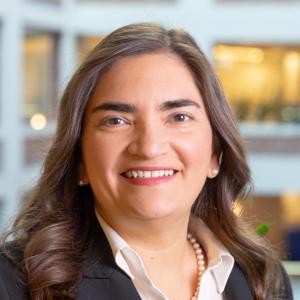
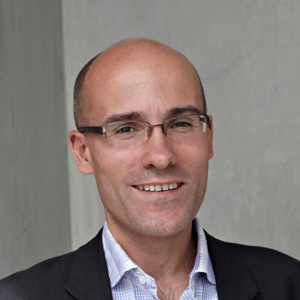
M.D., Ph.D., Professor, Harvard
Biography
Marcela Maus, M.D., Ph.D., is a Professor of Medicine at Harvard Medical School, the Paula O’Keeffe Chair in Oncology, and Director of Cellular Immunotherapy at The Krantz Family Center for Cancer Research, Mass General Brigham Cancer Institute. She is an internationally recognized translational physician-scientist specializing in T-cell and cellular immunotherapies for cancer, with over 230 publications and multiple NIH grants. Her research focuses on human T-cell biology and the clinical translation of engineered T-cell therapies. Dr. Maus trained at MIT, the University of Pennsylvania, and Memorial Sloan Kettering Cancer Center.
Speaker Profile
Deputy Clinical Director & Principal Group Leader, Francis Crick Inst.
Biography
Charles Swanton is Deputy Clinical Director and Principal Group Leader at The Francis Crick Institute, a thoracic oncologist at University College London Hospitals, and Chief Clinician of Cancer Research UK. His research has helped define how cancers evolve over time, diversify within individual tumors, evade treatment, and spread. He is Chief Investigator of TRACERx, the landmark longitudinal study tracking the genomic evolution of lung cancer from diagnosis through relapse and metastasis. His laboratory integrates tumor genomics, circulating tumor DNA, immune biology, and studies of chromosomal instability to identify mechanisms that shape cancer progression and treatment resistance. This work has advanced the understanding of intratumor heterogeneity and has helped establish evolutionary principles as a framework for precision oncology. Dr. Swanton is a Fellow of the Royal Society and has received major international recognition for cancer research. His translational focus is on using evolutionary biology to improve early detection, risk assessment, treatment selection, and strategies to prevent or intercept metastatic disease.
Speaker Profile


M.D., Chief Scientific & Medical Officer, Veracyte
Biography
Dr. Phil Febbo is Chief Scientific and Medical Officer at Veracyte, a global cancer diagnostics company where he remains focused on improving cancer outcomes through discovery, development, and accessibility of innovative, high-quality molecular diagnostics. He held multiple clinical and scientific roles over 15 years in academia at Dana-Farber, Harvard Medical School, the Whitehead Institute for Genome Research, Duke University, and UCSF where he was Professor of Medicine and Urology. After transitioning to industry, he was Chief Medical Officer at Genomic Health (2013-2018) and Illumina (2018-2023). Dr. Febbo served on the boards of Varian Inc. (Director) and the A CMG Foundation and is currently on the boards of the Reagan Udall Foundation for the FDA (Vice-Chair) and ASC Os Conquer Cancer Foundation. He holds a B. A. in Biology from Dartmouth College, an M. D. from UCSF, completed internal medicine residency at the Brigham and Womens Hospital, and medical oncology fellowship at the DFCI.
Speaker Profile

PMWC PIONEER AWARD
Pioneered ultrasensitive ctDNA methods for cancer detection and minimal residual disease
M.D.,Ph.D., Division Chief of Radiation and Cancer Biology, Stanford
Biography
Maximilian Diehn received his Bachelor’s Degree in Biochemical Sciences from Harvard College and his M.D./Ph.D. in Biophysics from Stanford University. He is a board certified Radiation Oncologist and specializes in the treatment of lung cancers. Dr. Diehn’s current research program spans laboratory, translational, and clinical studies. His areas of interest include cancer genomics, stem cell biology, and lung cancer biology. His work has been recognized with a variety of awards, including the V Foundation Scholar Award, the Sidney Kimmel Scholar Award, the Doris Duke Clinical Scientist Development Award, and the NIH Director’s New Innovator Award. His group has developed an ultra sensitive and specific method for detection of circulating tumor DNA called CAPP-Seq. Current work is focused on applying CAPP-Seq to a range of clinical contexts, with an emphasis on tumor heterogeneity and minimal residual disease.
Speaker Profile
PMWC LUMINARY AWARD
Pioneered the clinical use of ctDNA to monitor treatment response, detect residual disease, and anticipate cancer relapse.
M.D., Ph.D., Professor, U. of Melbourne
Biography
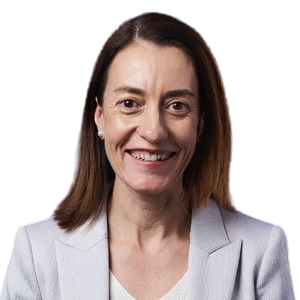
Professor Sarah-Jane Dawson is a clinician-scientist. She obtained her medical degree from the University of Melbourne in 1998, and trained as a medical oncologist in Melbourne, Australia.
She completed her PhD at the University of Cambridge, UK. Following postdoctoral studies at the Cancer Research UK Cambridge Institute, she returned to Melbourne in 2014 to head the Molecular Biomarkers and Translational Genomics Laboratory at the Peter MacCallum Cancer Centre. She also holds a joint appointment with the Centre of Cancer Research at The University of Melbourne (since 2016) and currently holds a CSL Centenary Fellowship (2018-2022).
She is a fellow of the Australian Academy of Health and Medical Sciences and was recipient of the Jian Zhou Medal in recognition of translational medical science in 2020.
Her current research interests are focused on the development of noninvasive blood-based biomarkers ('liquid biopsies') for clinical application, including early detection, risk stratification and disease monitoring in cancer management.
Talk
CtDNA for precision medicine: Going beyond the cancer genome
Cell-free circulating tumor DNA (ctDNA) has proven to be an important biomarker for monitoring adaptive changes to cancer therapies. I will provide an overview of ctDNA approaches that are providing an opportunity to track both genomic evolution and transcriptional changes in real-time to improve our understanding of the mechanisms leading to molecular resistance in cancer.
Speaker Profile

Ph.D., Director, Broad Inst.
Biography
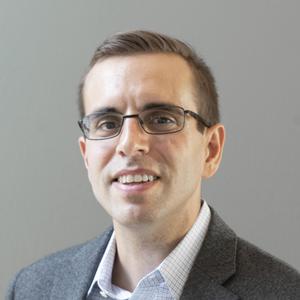
Viktor Adalsteinsson directs the Gerstner Center for Cancer Diagnostics at the Broad Institute. The Gerstner Center is a multidisciplinary innovation hub focused on developing novel approaches for cancer detection and monitoring with emphasis on liquid biopsies. Adalsteinsson has been a research affiliate of the Broad Institute since 2011 while at MIT; has run a research lab at the Broad Institute since 2015; and co-established the Gerstner Center with Todd Golub in 2019. Adalsteinsson has analyzed over 15,000 liquid biopsies and contributed to more than 50 publications and 12 patents with 4,000 citations in the fields of cancer genomics, cancer diagnostics, and biotechnology. Adalsteinsson was honored by MIT Technology Review in 2017 as a visionary member of its 35 Innovators Under 35 and by Clinical OMICs in 2021 as one of its Pioneers Under 40.
Speaker Profile

M.D., Ph.D., Professor, Mayo Clinic
Biography
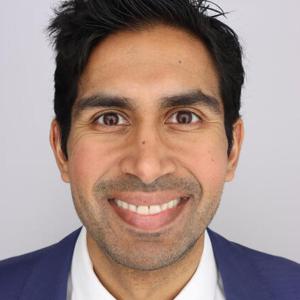
Aadel A. Chaudhuri, M.D., Ph.D., is a Professor of Radiation Oncology at Mayo Clinic and a physician-scientist developing precision approaches to cancer treatment and monitoring. A board-certified radiation oncologist, he treats patients with thoracic cancers, oligometastatic disease, and spinal metastases while leading translational research in liquid biopsy, genomics, epigenomics, and minimal residual disease. His laboratory develops circulating tumor DNA and other molecular assays to detect residual cancer, predict recurrence, and monitor response earlier than conventional imaging can. Dr. Chaudhuri’s work also explores how molecular features of tumors and blood can be integrated to guide treatment intensity and identify patients who may benefit from additional therapy or de-escalation. He trained at Stanford University, where he earned his M.D. and completed radiation oncology residency, and earned his Ph.D. at Caltech. Before joining Mayo Clinic, he spent nearly six years at Washington University in St. Louis building a translational program in cancer liquid biopsies.
Speaker Profile
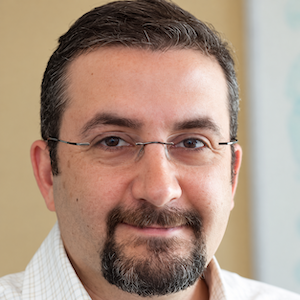
M.D., Ph.D., Professor of Medicine (Oncology); C.M.A, Stanford
Biography
Ash A. Alizadeh, MD, PhD is the Moghadam Family Professor of Medicine at Stanford University and a practicing hematooncologist and physician-scientist in the Division of Oncology, leading the Cancer Genomics program for the Stanford Cancer Institute. His research focuses on the development of data-driven approaches to better understand cancer biology, improve diagnostics, and personalize therapies. Dr. Alizadeh is a recognized leader in computational methods for cancer biology and oncology translational research, contributing extensively to the advancement of precision medicine. His group has contributed to the development of several commonly used liquid biopsy techniques for cancer detection and monitoring (including CAPP-Seq, PhasED-Seq, RARE-Seq, EPIC-Seq), as well as methods for tumor immune profiling (including CIBERSORT and EcoTyper).
Speaker Profile
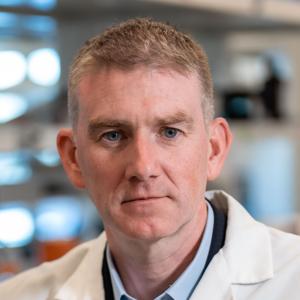
M.D., Ph.D., Director, VT FBRI Cancer Research Center, Virginia Tech
Biography
Christopher S. Hourigan, DM, DPhil, FRCP, is a physician-scientist oncologist focused on measurable residual disease (MRD) in patients with acute myeloid leukemia (AML).
He chairs the nationwide “MEASURE” clinical protocol (NCT05224661), co-leads the FNIH-FDA-NCI-Academic-Industry Biomarkers Consortium for AML MRD, and is incoming chair of the European LeukemiaNet AML MRD international clinical standard of care guidelines.
Professor Hourigan trained at Oxford, Johns Hopkins, and Harvard Business School. Previously co-director of the Myeloid Malignancies Program, tenured Senior Investigator, and Chief of the Laboratory of Myeloid Malignancies at the National Institutes of Health. He served many years on the acute leukemia inpatient service at Johns Hopkins, and is currently founding director of the new Virginia Tech FBRI Cancer Research Center in Washington, DC.
Elected to Alpha Omega Alpha, American Society for Clinical Investigation; Fellowship of the American and Royal College of Physicians and awarded the Presidential Early Career Award for Scientists and Engineers.
Speaker Profile


M.D.,Ph.D., Co-Leader, Translational and Clinical Oncology Program, U. of Miami
Biography
Dr. C. Ola Landgren is a board-certified hematologist-oncologist and he has published more than 500 papers and chapter books with a primary focus on multiple myeloma and its precursor disease.
Dr. Landgren's research focuses on mechanisms underlying progression from precursor disease to frank malignancy, underlying mechanisms of disease response/resistance, role of MRD (minimal residual disease) negativity, identification of novel treatment targets, early drug development, and identification of novel biomarkers. His research focus also includes advanced AI based medical tools, and by integrating his translational research efforts he is developing tools for diagnosis, individualized prognosis, and treatment optimization.
Prior to joining University of Miami, he served as Chief of the Myeloma Service at Memorial Sloan Kettering Cancer Center in New York City, and prior to that he was the Chief of the Multiple Myeloma Section at the National Cancer Institute in Bethesda, MD.
Speaker Profile
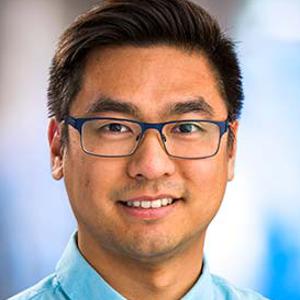
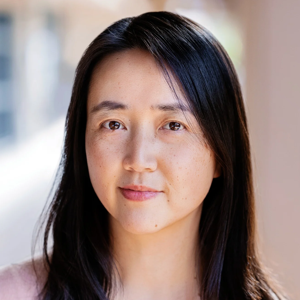
Ph.D., Associate Professor, Fred Hutch
Biography
Dr. Gavin Ha is a computational biologist whose research focuses on computational cancer genomics, with an emphasis on tumor evolution, heterogeneity, and liquid biopsy. He completed his postdoctoral training at the Dana-Farber Cancer Institute and the Broad Institute before establishing his research group in 2018. His laboratory develops and applies computational approaches to understand the genetic and epigenetic basis of tumor evolution and heterogeneity, as well as to study circulating tumor DNA (ctDNA). His research seeks to uncover mechanisms of tumor progression and treatment resistance and identify blood-based biomarkers for tumor classification and disease monitoring. His work aims to translate insights and liquid biopsy approaches in precision medicine. His research has been supported by the V Foundation, Prostate Cancer Foundation, U.S. Department of Defense, and National Institutes of Health, including the NIH Director’s New Innovator Award.
Speaker Profile

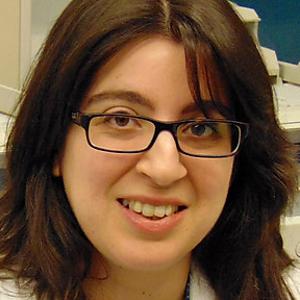
Ph.D., AVP, Amgen
Biography
Dr. Janet Jin is an accomplished leader in precision medicine with nearly 20 years of experience across the pharmaceutical and diagnostics industries. She leads a global multidisciplinary organization focused on advancing biomarker-driven drug development, with expertise spanning clinical diagnostics, imaging, translational pathology, and computational biology across therapeutic areas.
Dr. Jin provides strategic leadership in the development and execution of patient selection, pharmacodynamic, and target engagement biomarker strategies, reverse translation, and the integration of innovative biomarker technology platforms to accelerate drug development and enhance clinical decision-making. She collaborates across cross-functional teams and external partnerships to ensure precision medicine strategies are effectively implemented and aligned with global regulatory requirements.
Earlier in her career, Dr. Jin led oncology assay development efforts advancing next-generation sequencing (NGS)-based liquid biopsy platforms for biomarker discovery and minimal residual disease assessment, contributing to the broader adoption of liquid biopsy technologies and their application in precision oncology.
AI and Data Sciences Showcase:
AtaraxisAI
Speaker Profile
M.D., Ph.D., Alex Grass Professor of Oncology, Co-Director, Thoracic Oncology & Cancer Genetics and Epigenetics Programs, Johns Hopkins Medicine
Biography
Dr. Anagnostou is a translational cancer investigator focused on large-scale genomic and liquid-biopsy analyses of human cancers. Her group has discovered novel genomic mechanisms underlying response and resistance to immunotherapy, and focuses on understanding how cancer cells acquire fitness advantages that enable them to evade immune elimination during immunotherapy. Her research aims to capturing residual disease and therapy resistance using minimally invasive assays and novel methods for circulating tumor DNA (ctDNA) detection, and on translating these approaches into innovative, molecularly guided treatment strategies for individuals with cancer. She is leading the design of ctDNA residual disease-adaptive immunotherapy clinical trials for patients with both early-stage and metastatic non-small cell lung cancer and holds leadership positions in national clinical trial cooperative groups. Her long-term goal is to transform medical oncology into personalized molecular oncology, in which treatment decisions are tailored to the evolving cancer genome and to real-time molecular response assessments informed by liquid biopsies.
Speaker Profile
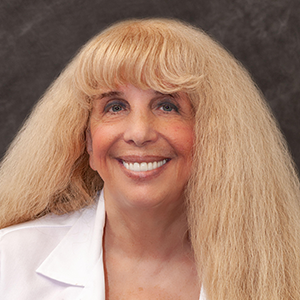
M.D., FACP, Center Associate Director, Professor, Medical College of Wisconsin
Biography
Dr. Kurzrock is a board certified medical oncologist and a renowned expert in precision medicine. She developed one of the worlds largest Phase I clinical trial programs while at MD Anderson Cancer Center. Dr. Kurzrock also founded the UCSDs Center for Personalized Cancer Therapy, focusing on genomically driven therapy as well as precision immunotherapy, especially in rare cancers. Dr. Kurzrock brought the first transcriptomic study to the clinic in an international setting spanning five countries (WINTHER), as well as the first Nof1 study of individually customized combination therapy (IPREDICT). Dr. Kurzrock received her MD from the University of Toronto, Canada. She has 900 PubMed publications, an Hindex of 140, has been named to the lists of most highly cited scientists in the world. She has a uniquely strong record of competitive funding with 100 million dollars in lifetime funding, and has overseen early development of multiple drugs that are now FDA approved.
Speaker Profile
PMWC PIONEER AWARD
Pioneered ultrasensitive ctDNA methods for cancer detection and minimal residual disease
M.D.,Ph.D., Division Chief of Radiation and Cancer Biology, Stanford
Biography
Maximilian Diehn received his Bachelor’s Degree in Biochemical Sciences from Harvard College and his M.D./Ph.D. in Biophysics from Stanford University. He is a board certified Radiation Oncologist and specializes in the treatment of lung cancers. Dr. Diehn’s current research program spans laboratory, translational, and clinical studies. His areas of interest include cancer genomics, stem cell biology, and lung cancer biology. His work has been recognized with a variety of awards, including the V Foundation Scholar Award, the Sidney Kimmel Scholar Award, the Doris Duke Clinical Scientist Development Award, and the NIH Director’s New Innovator Award. His group has developed an ultra sensitive and specific method for detection of circulating tumor DNA called CAPP-Seq. Current work is focused on applying CAPP-Seq to a range of clinical contexts, with an emphasis on tumor heterogeneity and minimal residual disease.
Speaker Profile
PMWC PIONEER AWARD
Pioneered ultrasensitive ctDNA methods for cancer detection and minimal residual disease
M.D.,Ph.D., Division Chief of Radiation and Cancer Biology, Stanford
Biography
Maximilian Diehn received his Bachelor’s Degree in Biochemical Sciences from Harvard College and his M.D./Ph.D. in Biophysics from Stanford University. He is a board certified Radiation Oncologist and specializes in the treatment of lung cancers. Dr. Diehn’s current research program spans laboratory, translational, and clinical studies. His areas of interest include cancer genomics, stem cell biology, and lung cancer biology. His work has been recognized with a variety of awards, including the V Foundation Scholar Award, the Sidney Kimmel Scholar Award, the Doris Duke Clinical Scientist Development Award, and the NIH Director’s New Innovator Award. His group has developed an ultra sensitive and specific method for detection of circulating tumor DNA called CAPP-Seq. Current work is focused on applying CAPP-Seq to a range of clinical contexts, with an emphasis on tumor heterogeneity and minimal residual disease.
Speaker Profile
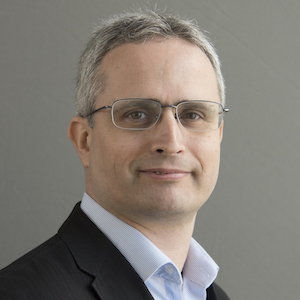
Ph.D., Director, Cancer Genome Analysis & Professor of Pathology, MGH & Broad Inst.
Biography
Dr. Getz is an internationally acclaimed leader in cancer genomics and is pioneering widely used tools for analyzing cancer genomes. Dr. Getz is a Professor of Pathology at Harvard Medical School. He is the Director of Bioinformatics at the Massachusetts General Hospital (MGH) Cancer Center and Department of Pathology, and is an Institute Member of the Broad Institute of MIT and Harvard, where he directs the Cancer Genome Computational Analysis Group. He has published over 400 papers in prominent journals describing new methodologies to study cancer genomes that have identified new genes and pathways involved in different tumor types, mutational signatures, and tumor evolution.
Speaker Profile
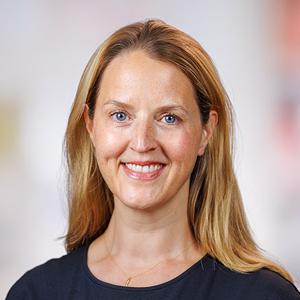
M.D., Associate Professor, Fred Hutch
Biography
Dr. Parsons cares for patients with breast cancer. She leads the Fred Hutch Breast Oncology Program. Her research focuses on its impact on public health, with an emphasis on developing new diagnostic approaches to support patient care.
As a clinical translational investigator, Dr. Parsons studies how genomics based biomarkers and circulating tumor DNA (ctDNA, or tumor derived DNA found in the blood) can be used in caring for people with breast cancer. She has led studies in both early stage and metastatic breast cancer examining the use of ctDNA as a biomarker to better understand disease behavior and response to treatment.
Speaker Profile
M.D., Ph.D., Professor, U. of Melbourne
Biography
Professor Sarah-Jane Dawson is a clinician-scientist. She obtained her medical degree from the University of Melbourne in 1998, and trained as a medical oncologist in Melbourne, Australia.
She completed her PhD at the University of Cambridge, UK. Following postdoctoral studies at the Cancer Research UK Cambridge Institute, she returned to Melbourne in 2014 to head the Molecular Biomarkers and Translational Genomics Laboratory at the Peter MacCallum Cancer Centre. She also holds a joint appointment with the Centre of Cancer Research at The University of Melbourne (since 2016) and currently holds a CSL Centenary Fellowship (2018-2022).
She is a fellow of the Australian Academy of Health and Medical Sciences and was recipient of the Jian Zhou Medal in recognition of translational medical science in 2020.
Her current research interests are focused on the development of noninvasive blood-based biomarkers ('liquid biopsies') for clinical application, including early detection, risk stratification and disease monitoring in cancer management.
Speaker Profile
Group Leader, Molecular Biomarkers & Translational Genomics, U. of Melbourne
Biography
Professor Sarah-Jane Dawson is a clinician-scientist. She obtained her medical degree from the University of Melbourne in 1998, and trained as a medical oncologist in Melbourne, Australia.
She completed her PhD at the University of Cambridge, UK. Following postdoctoral studies at the Cancer Research UK Cambridge Institute, she returned to Melbourne in 2014 to head the Molecular Biomarkers and Translational Genomics Laboratory at the Peter MacCallum Cancer Centre. She also holds a joint appointment with the Centre of Cancer Research at The University of Melbourne (since 2016) and currently holds a CSL Centenary Fellowship (2018-2022).
She is a fellow of the Australian Academy of Health and Medical Sciences and was recipient of the Jian Zhou Medal in recognition of translational medical science in 2020.
Her current research interests are focused on the development of noninvasive blood-based biomarkers ('liquid biopsies') for clinical application, including early detection, risk stratification and disease monitoring in cancer management.
Speaker Profile
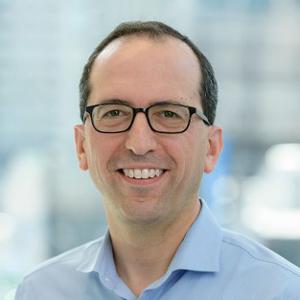

Ph.D., Chief Attending, Memorial Sloan Kettering Cancer Ctr.
Biography
Michael Berger is Co-Director of the Marie-Josée and Henry R. Kravis Center for Molecular Oncology and the inaugural Chief of the Clinical Computational Diagnostics Service at MSKCC. His laboratory has developed experimental and computational methods to characterize the genetic makeup of individual cancers, including MSK-IMPACT, a comprehensive FDA-authorized tumor sequencing panel that been used to profile more than 150,000 tumors from patients treated at MSK. The resulting data have enabled the characterization of somatic and germline biomarkers across all cancer types and the identification of mutations associated with clonal hematopoiesis. Dr. Berger also led the development of a clinically validated plasma cell-free DNA assay, MSK-ACCESS, which his laboratory is using to explore tumor evolution, acquired drug resistance, and occult metastatic disease. He received his Bachelor’s Degree in Physics from Princeton University and his Ph.D. in Biophysics from Harvard University.
Talk
Speaker Profile
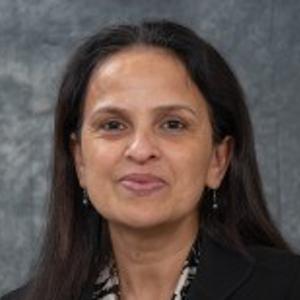

Executive Director, Merck
Biography
Reena Philip, Ph.D., is Executive Director for Companion Diagnostics and In Vitro Diagnostics at Merck, where she brings extensive regulatory-science experience to the co-development of targeted medicines and the tests used to select patients for treatment. Before joining industry, she held senior positions at the U.S. Food and Drug Administration, including Associate Director for Biomarkers and Precision Oncology in the FDA Oncology Center of Excellence and leadership roles in the regulation of molecular diagnostic tests. At FDA, she worked across drug and device centers on companion diagnostics, genomic biomarkers, complex molecular signatures, liquid biopsy, and other technologies central to precision oncology. She contributed to regulatory policy and guidance addressing the coordinated development of therapeutics and diagnostic devices. Dr. Philip earned her Ph.D. in molecular biology from the University of Illinois Urbana-Champaign. Her work focuses on aligning biomarker strategy, analytical and clinical validation, regulatory requirements, and therapeutic development so that precision medicines can reach the patients most likely to benefit.
Talk
Speaker Profile
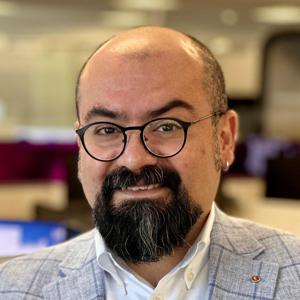

M.D., Director, Medical Diagnostics - Lung, Astrazeneca
Biography
Dr. Emre Baser is trained in medicine at Cumhuriyet University (Türkiye) and Maastricht University (Netherlands), with clinical experience at Justus Liebig University (Germany) Universitatsklinikum Giessen. He brings both clinical expertise and research passion to his role and leads initiatives at the intersection of precision medicine, oncology, molecular pathology, and diagnostics at the AstraZeneca Medical Affairs team.
Talk
Large-Scale Data Solutions Showcase:
Instem
Speaker Profile
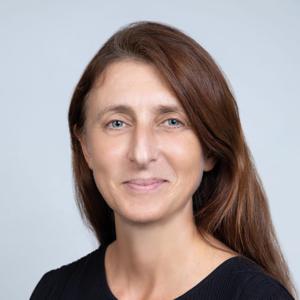

M.D., CMO, Agilent
Biography
Rita Shaknovich she oversees medical strategy and contributes to the development of innovative diagnostic solutions. Prior to joining Agilent, Dr. Shaknovich held senior leadership positions at GRAIL and Cancer Genetics, where she played pivotal roles in clinical and translational initiatives. She began her career in academic medicine, serving as Assistant Professor at Weill Cornell Medical College and Montefiore Medical Center
Talk
Speaker Profile
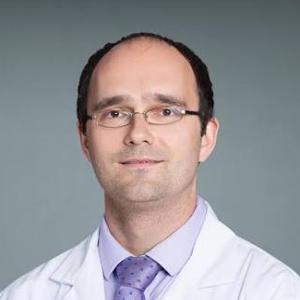
M.D., Director, NYU Langone Medical Ctr.
Biography
Matija Snuderl, M.D., is Professor of Pathology and Director of Molecular Pathology at NYU Langone Health, where he specializes in the diagnosis and molecular classification of brain tumors. A neuropathologist by training, he integrates histopathology with genomic and epigenomic profiling to improve the accuracy and biological precision of central nervous system tumor diagnosis. His research has helped advance DNA-methylation-based classification and other molecular approaches that can distinguish tumors that appear similar under the microscope but have different biology, prognosis, or therapeutic implications. Dr. Snuderl’s laboratory studies cancer genetics and epigenetics, develops biomarkers, and works to bring new molecular tests into routine clinical practice. He completed medical training at Charles University in Prague and advanced fellowship training in neuropathology and molecular genetic pathology at Massachusetts General Hospital and Brigham and Women’s Hospital. His work bridges diagnostic pathology, technology development, and precision oncology, with the goal of providing patients and clinicians with more informative tumor classifications and actionable molecular data.
Speaker Profile
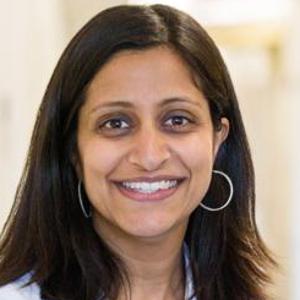
M.D., Professor, Harvard
Biography
MGB Program Director GI Oncology
CEO/Chief Scientist RER
Speaker Profile
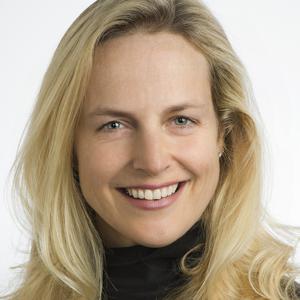

MSc, Vice President, Medical Affairs, Adaptive Biotech
Biography
Since joining Adaptive Biotechnologies in 2015, Allison has worked closely with leading hematology researchers and clinicians worldwide to advance the adoption and clinical utility of minimal residual disease (MRD) assessment. Adaptive is dedicated to harnessing the biology of the adaptive immune system to transform the diagnosis and treatment of disease, and Allison's work has centered on translating this vision into meaningful clinical applications through clonoSEQ, Adaptive’s NGS-based MRD testing platform. She currently leads medical strategy for clonoSEQ data generation across hematologic malignancies, supporting evidence development that enables more precise disease monitoring and informs patient management, clinical trials, and therapeutic development. Prior to joining Adaptive, Allison spent 16 years at Immunex and Amgen focused on drug development in hematologic and solid malignancies.
Speaker Profile
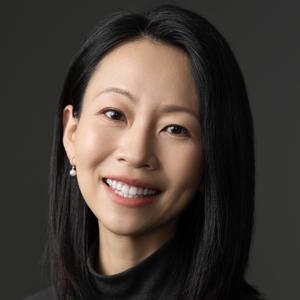

M.D., Ph.D., Assistant Professor, Johns Hopkins U.
Biography
Yuxuan Wang is a physician-scientist focused on advancing liquid biopsy technologies for cancer detection and precision oncology. Her work centers on circulating tumor DNA approaches that can identify cancer earlier, measure residual disease after treatment, monitor response/toxicity, and help guide clinical decision-making. Dr. Wang has contributed to major studies of ctDNA-guided therapy and multicancer early detection. She completed her M.D./Ph.D., internal medicine residency, and medical oncology fellowship at Johns Hopkins.
Speaker Profile
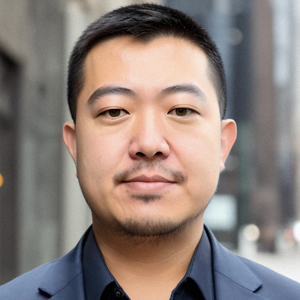

M.D., Ph.D., Postdoctoral Fellow, Stanford
Biography
Steven Wang is a postdoc in the Alizadeh Lab at Stanford University focusing on precision medicine for diffuse large B-cell lymphoma (DLBCL). His work centers on applying PhasED-Seq for ultrasensitive minimal residual disease detection and developing molecular classification tools using real-world samples to better categorize the disease into biologically distinct subtypes. Ultimately, his overarching goal is to enable risk-adapted, biology-driven treatment to reliably match patients to the most effective therapies. Trained in clinical and translational research at Vrije Universiteit Amsterdam and Amsterdam University Medical Centers, he is driven by the potential of advanced molecular tools to help patients navigate an increasingly complex treatment landscape.
Speaker Profile
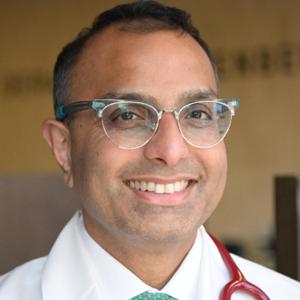

M.D., Professor, Mount Sinai
Biography
Dr. Parekh completed his clinical training in Hematology and Oncology, followed by postdoctoral training in Dr. Ari Melnick’s lab at the Albert Einstein College of Medicine. He currently serves as the Director of the Multiple Myeloma Center of Excellence at Mount Sinai and is a Professor of Hematology-Oncology and Oncological Sciences at the Icahn School of Medicine at Mount Sinai.
Dr. Parekh’s research focuses on the pathogenesis of hematological malignancies and the development of individualized, precision-medicine therapies for these diseases. His lab uses an integrated systems biology approach to study genome-wide methylation, gene expression, and DNA sequence variation to understand pathogenesis, develop biomarkers, and guide personalized therapy in B cell malignancies, particularly Multiple Myeloma and Non-Hodgkin’s lymphoma.
Speaker Profile
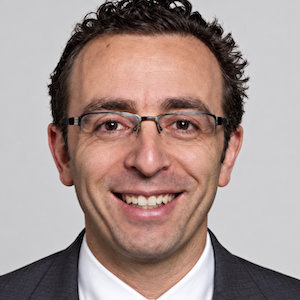
M.D., Director, Mount Sinai
Biography
Joshua Brody, M.D., is Director of the Lymphoma Immunotherapy Program at The Tisch Cancer Institute at Mount Sinai and a Professor at the Icahn School of Medicine at Mount Sinai. He is a medical oncologist and translational investigator focused on developing immune-based treatments for lymphoma and other cancers. His laboratory pioneered forms of in situ vaccination designed to turn a patient’s own tumor into a source of antigens that can stimulate systemic antitumor immunity. His research also examines mechanisms of response and resistance to CAR T-cell therapies, bispecific antibodies, checkpoint-based approaches, and other immunotherapies, with the goal of identifying combinations that produce deeper and more durable responses. Dr. Brody earned his undergraduate degree at Harvard, his M.D. at Stony Brook University, completed internal medicine residency at Yale, and trained in oncology at Stanford. His work integrates patient care, clinical trials, tumor immunology, and biomarker studies to rapidly test mechanistic ideas in people with lymphoma.
Speaker Profile
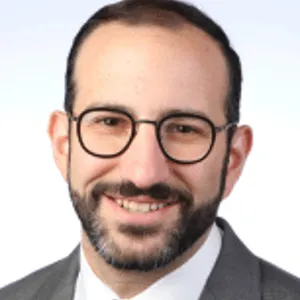
M.D., Instructor, Stanford
Biography
Dr. Jordan Goldstein is an Instructor of Medicine at Stanford University and a board-certified hematologist/oncologist and physician-scientist in the Division of Oncology. His research focuses on translational bioinformatics, liquid biopsy, clonal evolution, and multi-modal risk modeling in lymphomas. His recent work combines liquid and tissue biopsies to study intra-tumoral heterogeneity and aims to optimize the use of molecular residual disease (MRD) in clinical trials and as regulatory endpoints. He also co-leads clinical trials evaluating MRD-guided, risk-adapted therapy in lymphomas.
Dr. Goldstein earned his MD and MS in clinical research from Emory University, completed internal medicine residency at Weill Cornell Medicine, and trained in hematology and oncology at Stanford University, where he also completed postdoctoral research in the lab of Dr. Ash Alizadeh.
Speaker Profile
M.D., Associate Professor, Fred Hutch
Biography
Dr. Parsons cares for patients with breast cancer. She leads the Fred Hutch Breast Oncology Program. Her research focuses on its impact on public health, with an emphasis on developing new diagnostic approaches to support patient care.
As a clinical translational investigator, Dr. Parsons studies how genomics based biomarkers and circulating tumor DNA (ctDNA, or tumor derived DNA found in the blood) can be used in caring for people with breast cancer. She has led studies in both early stage and metastatic breast cancer examining the use of ctDNA as a biomarker to better understand disease behavior and response to treatment.
Talk
Clinical Dx Showcase:
Taudia
Speaker Profile
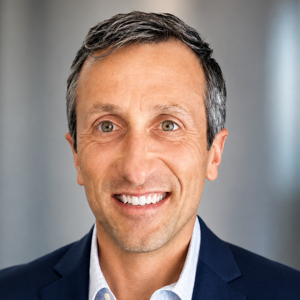
VP, GM, Haystack Oncology, Quest Diagnostics
Biography
Dan Edelstein is Vice President and General Manager of Haystack Oncology at Quest Diagnostics, where he leads the development and commercialization of highly sensitive circulating tumor DNA (ctDNA) testing for minimal residual disease (MRD). Dan co-founded Haystack Oncology in 2021, serving as CEO and continuing to lead the business following its acquisition by Quest Diagnostics in 2023.
Dan has more than 15 years of experience developing and translating ctDNA technologies into clinical diagnostics. He began his career at Johns Hopkins, working alongside pioneers in cancer genomics and liquid biopsy to translate early discoveries in ctDNA into clinical applications. In 2011, he led the development of one of the first CLIA laboratories dedicated to ctDNA analysis. His work has since spanned technology development, clinical evidence generation, commercialization, reimbursement, and biopharma partnerships.
Speaker Profile
PMWC PIONEER AWARD
M.D.,Ph.D., Co-Leader, Translational and Clinical Oncology Program, U. of Miami
Biography
Dr. C. Ola Landgren is a board-certified hematologist-oncologist and he has published more than 500 papers and chapter books with a primary focus on multiple myeloma and its precursor disease.
Dr. Landgren's research focuses on mechanisms underlying progression from precursor disease to frank malignancy, underlying mechanisms of disease response/resistance, role of MRD (minimal residual disease) negativity, identification of novel treatment targets, early drug development, and identification of novel biomarkers. His research focus also includes advanced AI based medical tools, and by integrating his translational research efforts he is developing tools for diagnosis, individualized prognosis, and treatment optimization.
Prior to joining University of Miami, he served as Chief of the Myeloma Service at Memorial Sloan Kettering Cancer Center in New York City, and prior to that he was the Chief of the Multiple Myeloma Section at the National Cancer Institute in Bethesda, MD.
Speaker Profile
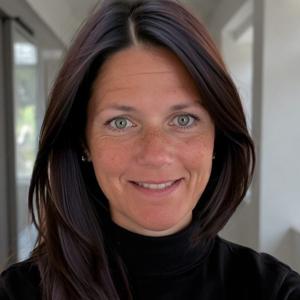
Ph.D., Director, Medical Affairs, Clinical Sequencing Division, Thermo Fisher Scientific
Biography
Alison Roos works in precision oncology and clinical next-generation sequencing, with a focus on rapid genomic profiling, companion diagnostics and the clinical implementation of biomarker testing. Her scientific presentations address assay validation, laboratory workflow and turnaround time, and how timely genomic results can support treatment selection. Her research contributions include molecular mechanisms of cancer and genomic profiling.
Talk
Rapid Clinical NGS: Delivering Actionable Biomarkers Before Treatment Begins
Clinical validation and turnaround time for rapid clinical next-generation sequencing, with a focus on bringing actionable biomarker results into treatment selection before treatment begins.