Session Abstract – PMWC 2027 Silicon Valley
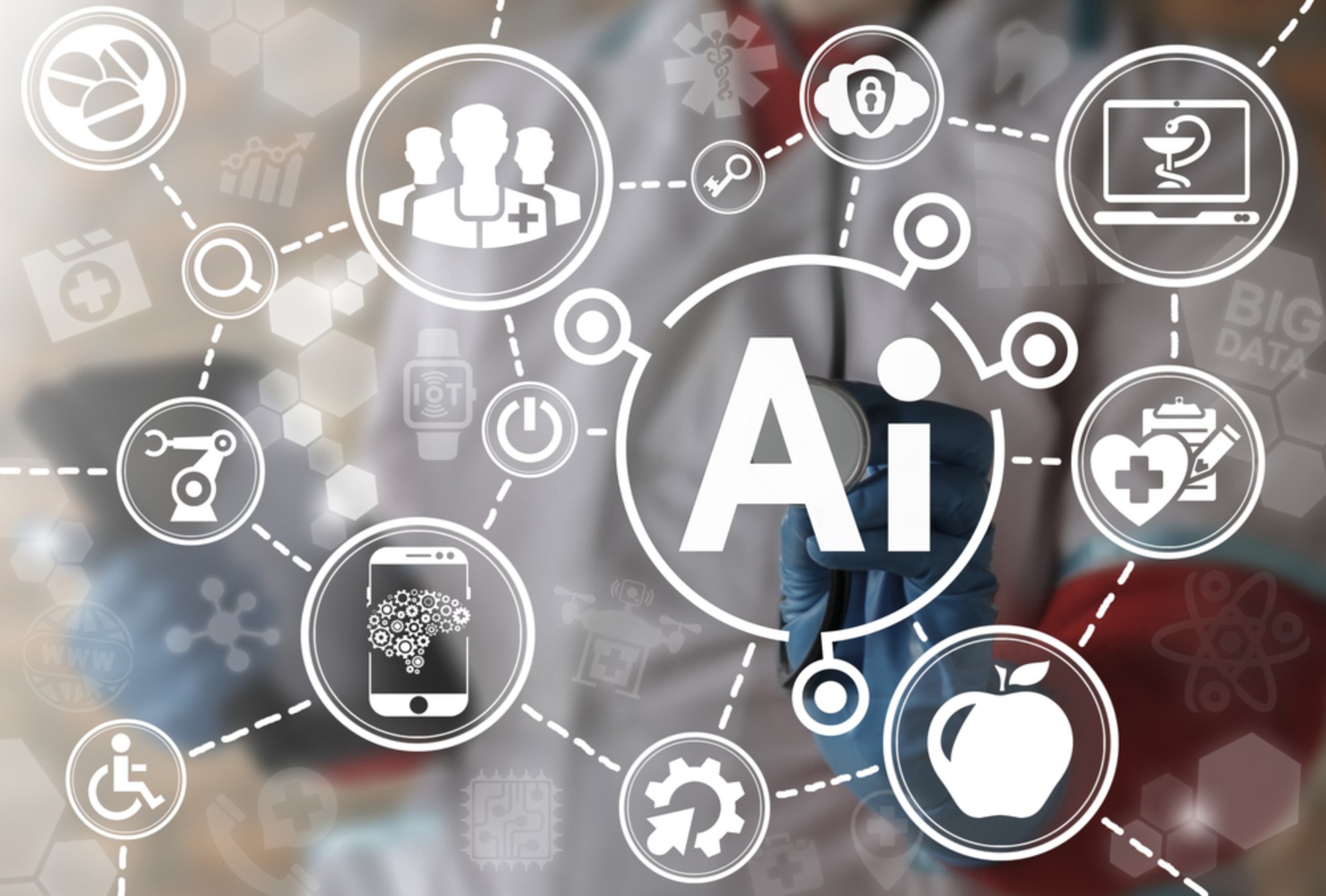
The PMWC 2027 AI Company Showcase will provide a 15-30 minute time slot for selected AI companies to present their latest technologies to an audience of leading investors, potential clients, and partners. We will hear from companies building technologies that expedite the pre-clinical and clinical drug discovery and development process, accelerate patient diagnosis and treatment, or develop scalable systems framework to make AI and deep/machine learning a reality.
Confirmed Presenting Companies:


Speaker Profile
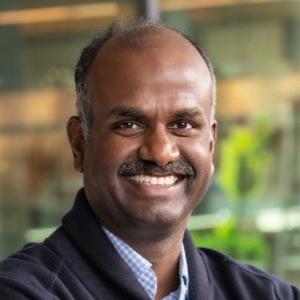
Founder & CEO, Onymos
Biography
Shiva Nathan is the founder of Onymos, a Silicon Valley-based software company building intelligent automation solutions for healthcare and life sciences. Before founding Onymos, Shiva was Head of Intuit's Platforms Services organization. He has also held technical leadership positions at Oracle and CA. These companies continue to leverage the products he helped define and build. He is an alumnus of BITS Pilani and UC Berkeleys Haas School of Business.
AI and Data Sciences Showcase:
Onymos
Onymos is building innovative automation software for the high-trust, high-stakes environments inside healthcare and life sciences. It helps organizations modernize their workflows and unlock the value of unstructured data without ever compromising security, compliance, or control.
Speaker Profile
CEO, Nimblemind
Biography
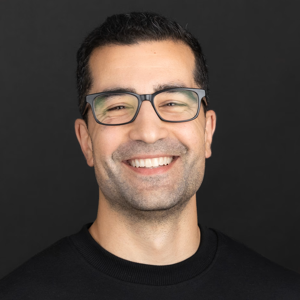
Pi is a tech veteran, having spent the last 10 years leading technical teams at Accenture, AWS, and Stripe. At AWS, he helped launch over 40 first-party services, including AWS Data Marketplace. Pi led the first epic deployment on AWS and the first Alexa deployment in a healthcare setting.
Talk
NimbleLabs: The Agentic OS for Better Healthcare
Healthcare has a problem: clinical data is too fragmented and unstructured for AI reasoning, forcing organizations to spend months cleaning, labeling, and harmonizing data. This is where NimbleLabs comes in: our Nimblemind multi-agent system automates data preparation, transforming multi-modal information into analysis-ready datasets.
AI and Data Sciences Showcase:
Nimblemind
Nimblemind is addressing one of healthcare AI's biggest bottlenecks: preparing usable clinical data. Our approach uses specialty-specific AI agents to transform fragmented multimodal clinical data into structured datasets.
Speaker Profile
Senior NGS Services Manager, Zymo Research
Biography
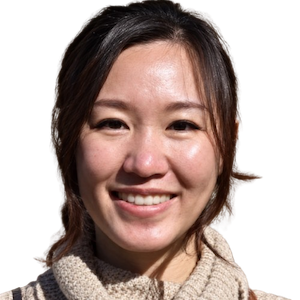
Emily Chen is a life sciences professional with over 10 years of experience in NGS service operations. She has led projects across the full workflow—from sample processing to final data delivery—supporting high-throughput NGS applications with a strong focus on quality, efficiency, and collaboration. By optimizing laboratory processes, implementing automation, and streamlining project tracking systems, Emily strives to transform complex and variable biological samples into reliable, actionable data. Her work directly enables genome-, epigenome-, and transcriptome-focused analyses to overcome technical and analytical challenges in molecular diagnostics, improving assay robustness, turnaround time, and data confidence to support accurate decision-making in research and clinical settings.
Talk
AI and Data Sciences Showcase:
Zymo Research
Zymo Research, a privately owned biotech company founded in 1994, is a global leader in molecular tools for life sciences. Driven by the principle "The Beauty of Science is to Make Things Simple," Zymo is dedicated to developing innovative solutions that address complex scientific challenges.
Speaker Profile
M.D., CMO, Medlink Global
Biography
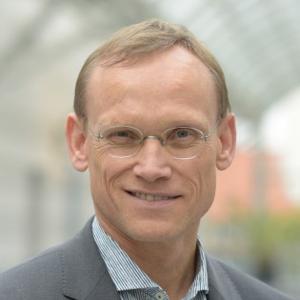
Christoph U. Correll, MD, studied medicine at the Free University of Berlin in Germany, and Dundee University Medical School in Scotland. He is board certified in general psychiatry and child and adolescent psychiatry. Since 1997, he has been working and conducting research in New York, USA, and since 2017 he is also working in Germany.
Dr. Correll focuses on the management of adults and youth with severe mental disorders, psychopharmacology, novel drug development, clinical trials, real-world evidence, and physical health in mental health. He has authored >1,200 articles that have been cited more than 120,000 times and received over 40 research awards. Since 2014, the beginning of this metric, he has been listed every year by Clarivate/Web of Science as one of the “most influential scientific minds” and “top 1% cited scientists in the area of psychiatry”.
Talk
AI-Supported Next-Generation Precision Psychiatry
Psychiatric care has long relied on trial and error. This talk explores how clinical evidence, AI, and longitudinal patient understanding could support more personalized decisions. Christoph will share MedLink’s emerging research, what it is building, and lessons from bringing these tools into clinical practice.
AI and Data Sciences Showcase:
Medlink Global
Speaker Profile
Chief Business Officer, Specie Bio
Biography
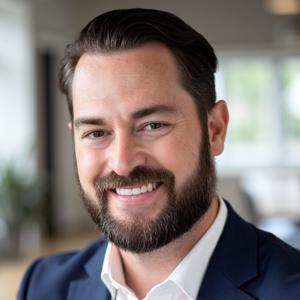
Will Ferguson is a seasoned life sciences executive and Chief Business Officer (CBO) at Specie Bio, bringing over two decades of experience driving commercial growth, corporate strategy, and high-impact partnerships across the genomics and biopharma landscapes. Prior to joining Specie Bio, Will served as Vice President of Pharma/Biotech Collaborations at Illumina, where he led business development and strategic drug discovery partnerships. Throughout his career, he has held key executive and commercial leadership roles at companies including Agilent, Complete Genomics, Genuity Sciences, and BlueBee, demonstrating a proven track record of scaling global sales organizations and executing go-to-market strategies across life science tools, enterprise software, and discovery cohorts. A recognized dealmaker in the multiomics space, Will co-led the formation of the landmark Alliance for Genomic Discovery (AGD)—a 10-biopharma partnership sequencing 313,000 whole genomes—and directed the groundbreaking 1 Billion Cell Atlas initiative alongside AstraZeneca, Eli Lilly, Merck and Formation Bio.
Talk
Unlocking the world's untapped biospecimens and biodata
Patients contribute millions of biospecimens and biodata to research, yet many sit unused. BioExchange’s AI matches researchers with global providers holding over 8 million banked samples. Hear how BioExchange helped a top pharmaceutical company complete external comparator arm (ECA) studies by finding rare biomarker-matched patient samples and EMR data.
AI and Data Sciences Showcase:
Specie Bio
Specie Bio connects researchers to biospecimens and biodata across a global provider network with 8 million+ banked samples and 100 million+ annual patient visits, accelerating therapeutic and diagnostic development. BioExchange won the 2026 New Innovation Product Award from ISBER, the international biobanking society.